REVIEW · OSAKA
Osaka: Tea Ceremony and Matcha Tea Bowl Making Workshop
Book on GetYourGuide →Operated by Tocoton LLC · Bookable on GetYourGuide
Tea and clay in one smooth, calm session is a great Osaka break. You’ll learn the tea ceremony rhythm with a tea ceremony master, then jump into hands-on matcha bowl making with Anna, a ceramist who studied pottery in Osaka and Spain. I especially liked how the tea portion teaches care and timing, and how the bowl workshop turns that same patience into something you can hold. The main catch: your bowl ships later, and shipping isn’t included.
In just 2 hours, this double workshop gives you both the cultural side and the craft side, without dragging on all day. It’s run as a private group and taught in English, so you can ask what you’re seeing and actually connect it to what you’re doing.
One consideration: the bowl takes time to finish and ships about 2 months after, so if you want a finished piece right away in Osaka, plan around that.
In This Review
- Key highlights worth getting excited about
- Tea ceremony and matcha bowl making: what makes this Osaka combo work
- Finding the meeting point near JR Teradacho
- Part 1: Tea ceremony basics, matcha preparation, and Japanese sweets
- Matcha and sweets are part of the lesson
- What to pay attention to while you’re learning
- Part 2: Making your matcha tea bowl with Anna (pottery + tradition)
- Shaping the bowl: why it’s more than a souvenir
- Decorating using traditional techniques
- A small included gift dish
- Timeline and what the 2 hours really means
- Value and price: is $134 per person reasonable?
- What happens after the workshop: exploring Ikuno Ward
- Who this workshop suits best (and who should think twice)
- Bowl shipping: plan ahead so you don’t feel surprised
- Quick “how to get the most out of it” checklist
- Should you book this Osaka tea ceremony and matcha bowl workshop?
- FAQ
- What is the duration of this Osaka workshop?
- Where is the meeting point?
- What language are the instructions in?
- What’s included in the price?
- What will I make during the workshop?
- When will I receive the bowl I made?
- Is shipping included in the price?
- Is this workshop suitable for children or wheelchair users?
Key highlights worth getting excited about
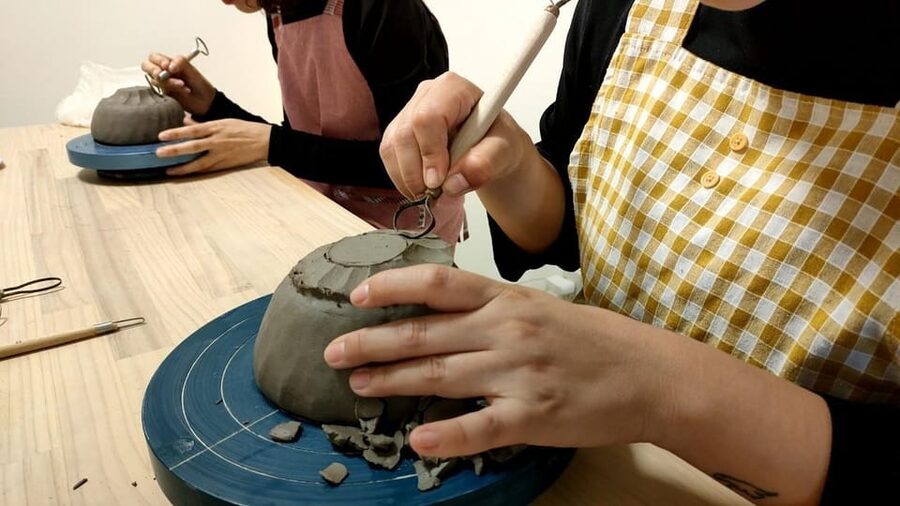
- Two-part workshop: tea ceremony experience plus matcha bowl making in one session
- Anna’s craft guidance: pottery training in Osaka and Spain, applied to traditional Japanese techniques
- You make the tea setup: prepare matcha tea and enjoy it with Japanese sweets
- Decorate a functional bowl: shape and decorate with traditional methods, not just a demo
- A small gift dish included: use it later to serve sweets for tea ceremony moments
- Private group, English instruction: easier questions, steadier pace, less time waiting
Tea ceremony and matcha bowl making: what makes this Osaka combo work
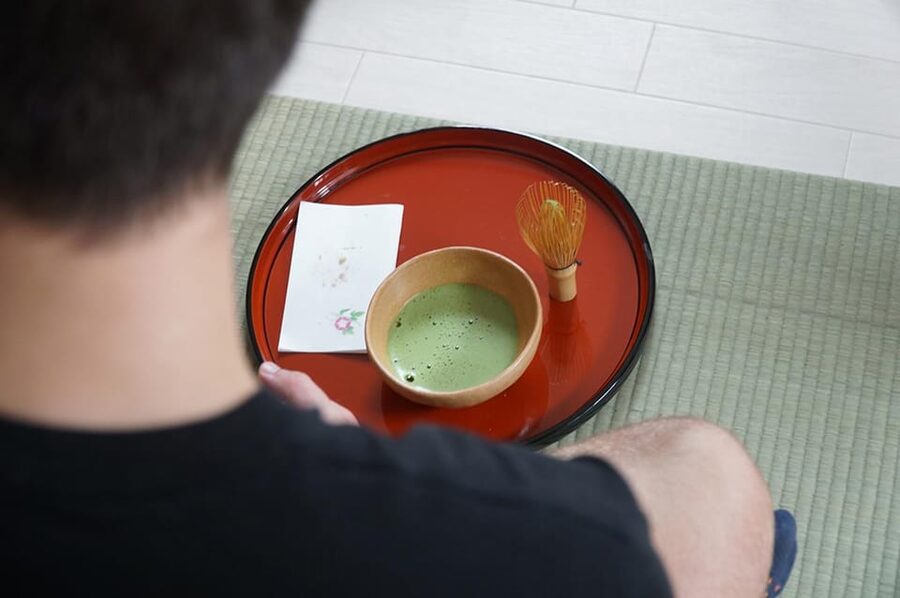
Osaka isn’t only for big street-food energy. This experience is the calmer side of Japan, where attention matters more than speed. You’ll move through two different skills—tea preparation and pottery making—but they share a common theme: careful, repeatable actions. That’s why it feels cohesive instead of random.
I like that you don’t just watch. You make the matcha tea, you taste it with Japanese sweets, and then you physically build the bowl that supports the whole ritual. It’s the kind of workshop where the craft and the culture reinforce each other.
And because it’s a private group with an English instructor, you’re not stuck guessing what matters. You can slow down, ask follow-ups, and understand why each step is done the way it is.
You can also read our reviews of more tours and experiences in Osaka.
Finding the meeting point near JR Teradacho
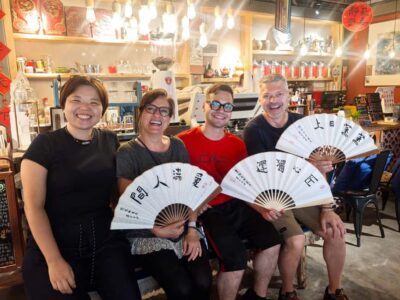
This workshop starts at JR Teradacho Station North Exit. The staff member meets you holding a signboard that reads Ceramics Tocoton. That’s a good sign for first-timers: you’ll know you’re in the right place before you even start.
Practical tip: aim to arrive a little early so you can get your bearings fast. If you’re going to be more than 15 minutes late, contact the team, because being later can mean you’re marked as a no-show. This matters because a 2-hour session doesn’t have much recovery time.
Part 1: Tea ceremony basics, matcha preparation, and Japanese sweets
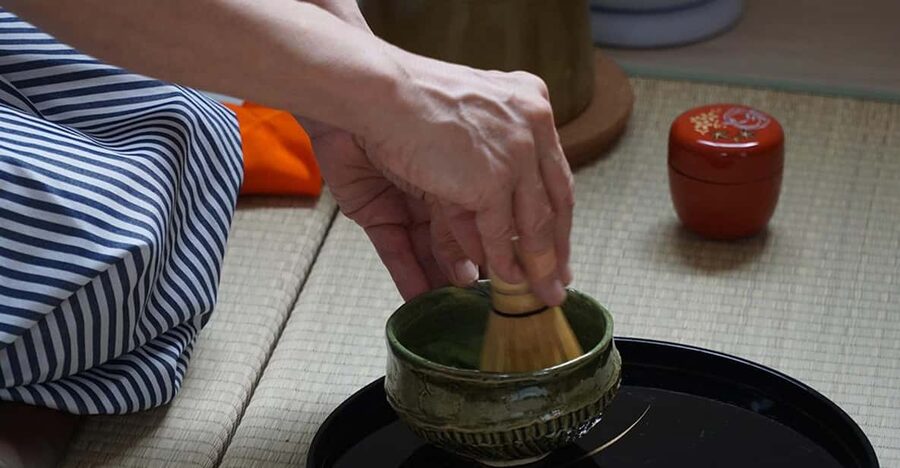
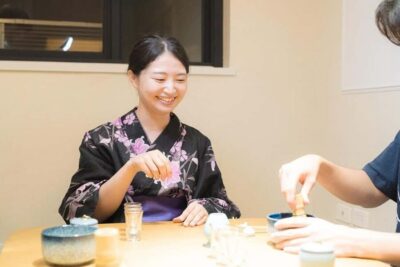
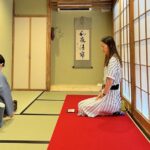
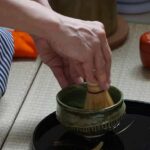
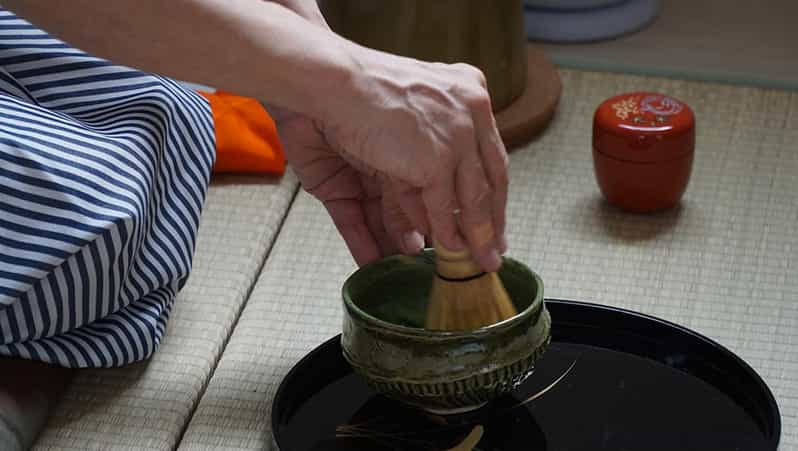
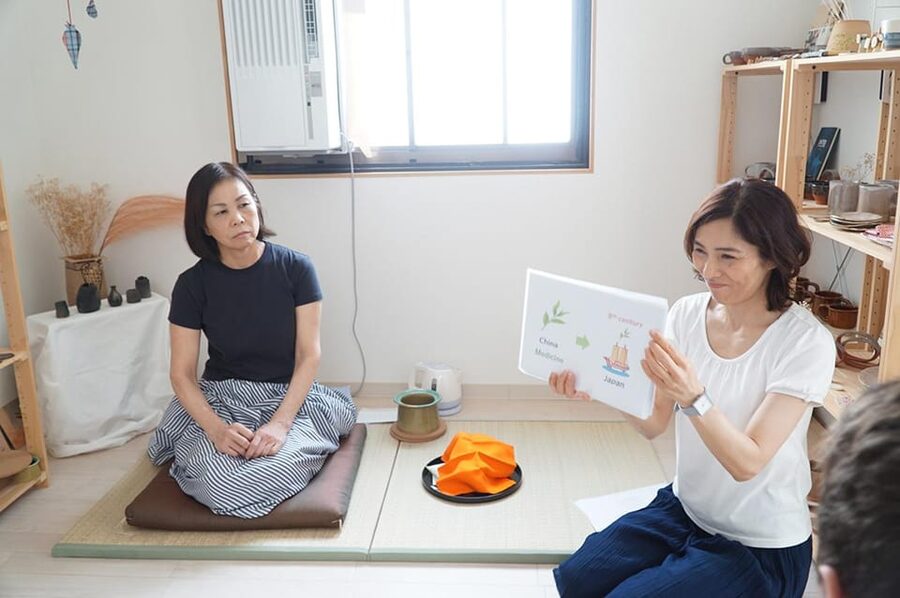
The first half focuses on the traditional Japanese tea ceremony, guided by a tea ceremony master. Expect to learn the basics and then actually prepare the tea yourself, with guidance rather than a hands-off lecture.
What makes this portion valuable is that tea ceremony isn’t only about the drink. It’s about pacing—how you handle utensils, how you present and serve, and how you share the moment. When it’s done right, it’s noticeably calming. Even in a short workshop, you get that sense of order.
Matcha and sweets are part of the lesson
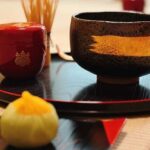
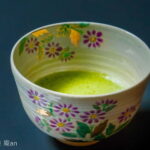
You’ll also enjoy matcha tea with Japanese sweets. This matters because sweets in tea time are designed to balance the experience, not just to fill space. They give you a concrete way to notice flavors and textures, and they make the tea feel complete rather than like a quick taste test.
The workshop includes the matcha and the sweets, so you don’t have to track down ingredients or plan a separate snack stop afterward. For many people, that’s the most underrated value of a guided tea experience.
What to pay attention to while you’re learning
You don’t need to memorize every detail. Instead, focus on three practical things:
- How the matcha is prepared as you go, step by step
- How the sweets fit with the tea, in sequence
- How your tea ceremony master explains what each action is for
If you’re the type who likes knowing the why, this part will feel satisfying. Several people highlight that the tea segment feels peaceful and slows the mind down.



Part 2: Making your matcha tea bowl with Anna (pottery + tradition)
After the tea ceremony portion, you switch gears to clay. This is where the experience gets hands-on and fun in a physical way.
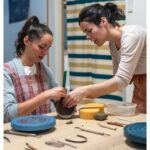
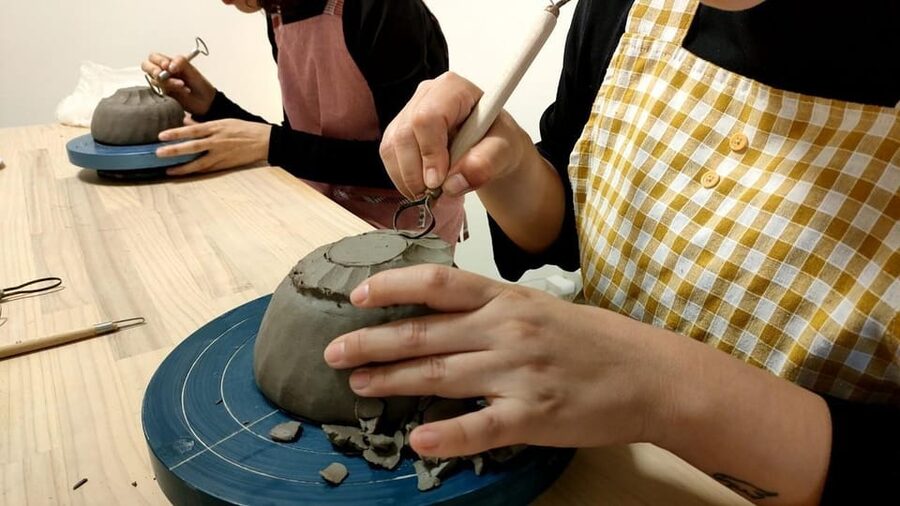
You’ll make a matcha tea bowl with Anna, a ceramist who studied pottery in Osaka and Barcelona. That international training background shows up in the way she supports the process: clear, patient instruction as you shape and decorate the bowl using traditional Japanese pottery techniques.
Shaping the bowl: why it’s more than a souvenir
It’s easy to think a workshop like this is just crafts time. It’s more like learning a small piece of functional design. A tea bowl isn’t decorative clutter—it’s meant for the tea ritual, for holding, for serving, and for enjoying the texture of the piece itself.
When you shape the bowl yourself, you naturally start appreciating craftsmanship. People who’ve done this describe feeling more connected to the skill behind the object, not just the finished product.
Decorating using traditional techniques
You’ll decorate the bowl as part of the process. The workshop doesn’t frame this as a random paint session. Instead, it stays grounded in traditional Japanese pottery methods, so your decoration feels purposeful rather than purely aesthetic.
If you like tactile work, this is the moment you’ll remember. You’ll likely spend most of your time focused on the clay, which is exactly the kind of mental reset busy travel can use.
A small included gift dish
After the workshop, you also receive a small dish as a gift. The nice part is it’s not just a token. It’s something you can use later to enjoy sweets in a tea-ceremony style at home.
That detail makes the workshop extend beyond the session. You don’t leave with only a bowl you can’t use yet—you leave with something you can use right away.
Timeline and what the 2 hours really means
The total time is 2 hours. Since it includes both tea ceremony learning and bowl making, you should expect a focused, guided flow rather than a slow art class.
So plan for:
- Getting set up quickly
- A guided tea portion where you prepare matcha
- A pottery portion where you shape and decorate your bowl
- Time to ask questions and get instructions before you move on
Because the session is short, you’ll want to stay present and follow the steps as you’re guided. Trying to multitask won’t help here.
Value and price: is $134 per person reasonable?
At $134 per person, the big question is what you’re actually getting for that price. You’re not only learning tea ceremony basics—you’re also making a custom matcha bowl in a guided pottery workshop.
The included items help justify the cost:
- Matcha tea
- Japanese sweets
And the bowl-making component is the real weight here: you’ll craft an object that’s tied to the tea ritual, and you’re taught using traditional techniques by a ceramist with formal study in Osaka and Spain.
The one cost-related nuance is what you don’t get:
- Shipping of the bowl is not included, and the bowl is sent later.
So I’d treat the workshop price as paying for instruction, materials used during the session, and the finished piece process. If you’re in Osaka and you want instant take-home, you won’t get that. If you’re okay with planning for later shipping, the total experience-to-price ratio looks strong because you’re paying for both culture and craft.
What happens after the workshop: exploring Ikuno Ward
Once the workshop wraps, you can explore the local area of Ikuno Ward. This is a smart add-on because it helps you land softly after a focused activity. Instead of rushing back immediately, you get a little time to feel the neighborhood and keep your day moving at a calmer pace.
You won’t need big logistics here—just use the workshop time as a reset, then wander.
If you’re the kind of traveler who likes to connect activities to place, Ikuno Ward is a nice follow-through. The tea-and-clay mood can carry into street walks and casual local stops.
Who this workshop suits best (and who should think twice)
This experience is a great fit if:
- You want a genuine tea ceremony introduction without a long commitment
- You like hands-on workshops, not just watching
- You’re curious about pottery that connects directly to daily rituals
- You prefer learning in English
- You’re traveling with a group that values guided structure (since it’s private)
It may not suit you if:
- You need a finished bowl immediately in Osaka (it ships later)
- You’re traveling with children under 13 (not suitable)
- You use a wheelchair (not suitable for wheelchair users)
Bowl shipping: plan ahead so you don’t feel surprised
Here’s the key logistics point you should take seriously. The bowl is sent about 2 months after the workshop to the address you provide. Shipping costs are not included in the experience price.
This means you should book only if you’re comfortable with waiting and with handling the shipping cost later. If you’re on a tight schedule or moving residences soon, make sure your address plan is stable.
Quick “how to get the most out of it” checklist
Do these things and your experience will feel smoother:
- Bring your curiosity for tea ceremony basics, even if you’ve never tried matcha
- Watch the steps during tea prep, then copy them confidently
- Treat the bowl as a guided craft project, not a test
- Ask Anna to clarify anything you don’t understand—this is a private setup
- Plan your home address for the bowl shipment time frame
People seem to love the supportive tone during both halves, especially from Anna. If you’re nervous about pottery, it’s the kind of session where encouragement helps you focus.
Should you book this Osaka tea ceremony and matcha bowl workshop?
I’d book it if you want a short, meaningful Osaka experience that combines calm cultural learning with real craft work. The tea ceremony portion gives you structure and mindfulness, and the matcha bowl making with Anna adds a hands-on payoff that feels personal. The included sweets and the small gift dish also make it feel like you’re leaving with more than an activity ticket.
Don’t book it if you need a bowl in your hands immediately or if you’re not willing to plan for shipping costs later. Also skip it if you fall into the age or mobility limits.
If you can handle the bowl shipping timeline, this is a strong value for two guided experiences in one sitting, delivered in English and designed for a private group pace.
FAQ
What is the duration of this Osaka workshop?
The workshop lasts 2 hours.
Where is the meeting point?
Meet at JR Teradacho Station North Exit. A staff member will be holding a signboard that says Ceramics Tocoton.
What language are the instructions in?
The instructor provides guidance in English.
What’s included in the price?
Matcha tea and Japanese sweets are included.
What will I make during the workshop?
You’ll make a matcha tea bowl with Anna, and you’ll learn the tea ceremony basics with a tea ceremony master.
When will I receive the bowl I made?
The bowl will be sent to the address you provide about 2 months after the workshop.
Is shipping included in the price?
No. Shipping costs are not included.
Is this workshop suitable for children or wheelchair users?
It is not suitable for children under 13 and not suitable for wheelchair users.