REVIEW · OSAKA
ZEN therapy | Shiatsu-style massage, EnergyTherapy & Japanese Tea
Book on Viator →Operated by 水素セラピーMAITRII · Bookable on Viator
A session like this makes you slow down on purpose. Zen Therapy blends shiatsu-style bodywork with an energy-focused approach, plus a Zen kimono change and a matcha tea finish. The two big wins for me are how the crystal-and-qi setup is built into the room experience, and the thoughtful ending with a treatment report so you leave with next-step advice rather than just a sleepy goodbye. One possible drawback: if you want a purely physical massage with zero emphasis on energy concepts, the mindfulness-and-qi framing may feel too spiritual for your taste.
You’ll do this in Osaka at MAITRII, H2 Inhalation Therapy & relaxation (near public transit), and it’s designed as a private session for your group. Expect about 1 hour for the experience length you choose, and you get a mobile ticket. At $57.23 per person, it can be good value if you’re the kind of traveler who enjoys hands-on body care that also tries to recalibrate your mental state, not just your shoulders.
In This Review
- Key things to know before you go
- Zen Therapy in Osaka: what this is really like
- The “Zen” part is not only decoration
- Where you go and how the logistics work (without the stress)
- Step-by-step: what happens during your session
- 1) Change into the samue Zen kimono
- 2) Body treatment with qi/ki energy work
- 3) Crystals and an energy-field bed setup
- 4) Matcha and tea sweets
- 5) Your treatment report
- The hydrogen inhalation angle: what you should expect
- How to choose the right session length (30 vs 60 vs 90 vs 120)
- Price and value: is $57.23 a good deal?
- Who will enjoy this most (and who might not)
- Aftercare tips you can use the same day
- Should you book ZEN Therapy in Osaka?
- FAQ
- How long is the ZEN Therapy session?
- Where does the appointment take place?
- Is it a private session?
- What’s included in the experience?
- Do I get to wear the Zen kimono?
- What do I do at the end of the session?
- Is private transportation included?
- How do I get the ticket?
- What is the cancellation policy?
Key things to know before you go
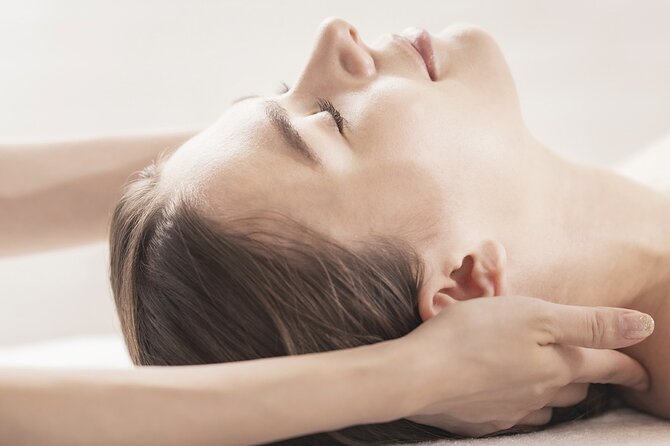
- Shiatsu-style massage + qi energy balancing: hands-on pressure paired with energy concepts focused on stress and toxins.
- Crystal-enhanced bed setup: high-quality Japanese crystals and an energy-field approach are part of the experience design.
- Japanese samue Zen kimono: you change into Zen monk work-robes for the session, then take the experience back into daily life.
- Matcha + tea sweets ritual: a calm tea break is built into the flow, not an afterthought.
- Treatment report at the end: you receive an energy-status summary and future advice from your therapist.
- Session lengths from 30 to 120 minutes: choose what fits your fatigue level and how much “reset time” you want.
Zen Therapy in Osaka: what this is really like
This is one of those treatments that tries to treat more than your body. The whole idea is built around Zen concepts, where physical tension and mental agitation are tied together through something like energy flow (often described as qi or ki). You’ll feel the hands-on part right away, but you’ll also notice how the therapist approach, the room setup, and even the ending tea ritual are meant to keep your mind in a calmer place while your body relaxes.
The experience you’re booking is sold as a Shiatsu-style massage combined with EnergyTherapy, using a specialist who focuses on qi/ki energy healing. It’s also positioned as a kind of anti-fatigue and deep relaxation therapy, with claims that it can support beauty, disease prevention, brain development, and general recovery. Keep your expectations reasonable: this is wellness work, not a medical procedure. But if you want a structured, guided reset that respects both body mechanics and mental calm, it can be a satisfying use of your time in Osaka.
You can also read our reviews of more tours and experiences in Osaka.
The “Zen” part is not only decoration
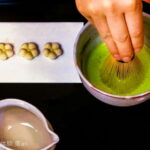
A normal massage ends when you walk out. Here, you’ll do a few steps that keep the session feeling intentional. You’ll change into a Zen Buddhist kimono called samue, then move into the body-and-energy treatment. Later, you finish with matcha and tea sweets, described as part of a Zen tea moment. Finally, you get a report on your energy status and suggestions for the future.
That flow matters because it changes how you experience the session. Instead of just lying there and leaving, you get guided transitions: clothing change, bodywork, tea calm-down, and a wrap-up conversation.
Where you go and how the logistics work (without the stress)
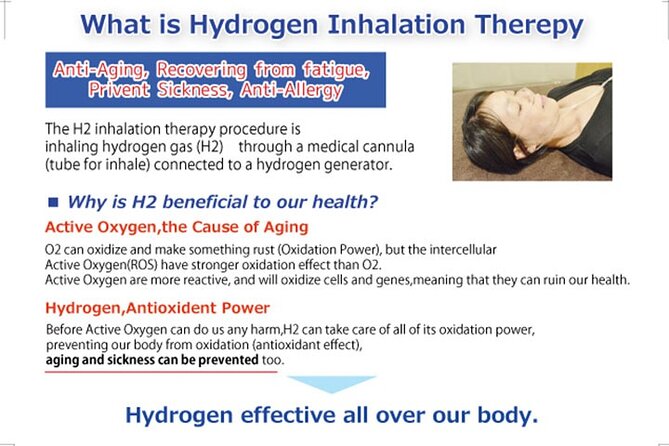
Your session takes place at MAITRII, H2 Inhalation Therapy & relaxation, inside an 8th-floor office space at Shin-Osaka Daichi Building 8F, plus a specific address in Yodogawa-ku. The good news: it’s described as near public transportation, so you’re not forced into a long taxi hunt right after a tiring day.
It’s also set up as a private tour/activity, meaning only your group participates. For many travelers, that’s a big quality-of-life upgrade. You can focus on relaxing instead of wondering what other people are doing or when the room turnover happens.
In terms of time, you’ll see choices ranging from 30 minutes up to 120 minutes. The “1 hour (approx.)” length you might be looking at typically aligns with the 60-minute option. If you’re deciding between lengths, pick based on your goal:
- If you’re feeling moderately tired and want a solid reset: a shorter option may be enough.
- If you want maximum “unwind time,” the longer sessions are where you’ll likely feel the biggest difference in pacing.
Price is $57.23 per person. That may sound steep compared with a basic massage, but the value here is in what’s included: energy balancing, a crystal-based environment, samue kimono, matcha + sweets, and a treatment report. In other words, you’re not just paying for pressure—you’re paying for the full ritual-style appointment.
Step-by-step: what happens during your session

Here’s the rhythm of the experience, based on how it’s laid out.
1) Change into the samue Zen kimono
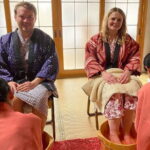
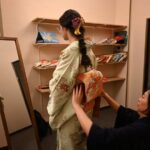
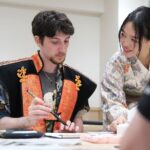
You’ll start by changing into the Zen monk-style kimono called samue. This isn’t a costume that you wear for photos. The idea is to help you shift mentally into a quieter mindset before the bodywork begins. If you like immersion (even small, personal immersion), this is one of the easiest parts to enjoy.
Practical tip: wear easy-to-change clothing. You don’t want the session to start with wardrobe friction.



2) Body treatment with qi/ki energy work
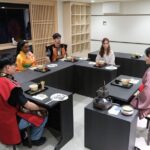
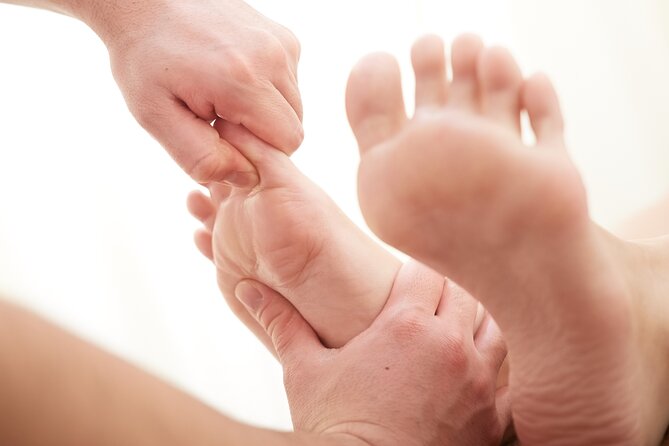
Next is the core experience: a Shiatsu-style body treatment combined with energy therapy. The therapist works to relax your body, and the approach described is about removing unwanted energy (qi) that’s been stored by stress and toxins, then recharging it with what your body needs.
In the treatment, you’ll have a focus on both:
- physical relaxation through hands-on massage techniques, and
- mind calming through what’s described as “detoxification” of mind and thoughts.
This is where your expectations matter most. If you’re open to the idea that stress can show up as both physical tightness and mental noise, you’ll likely appreciate the integrated approach. If you want a purely mechanical massage with no mention of energy flow, you might find it distracting.
3) Crystals and an energy-field bed setup
A key “wow factor” here is the room design. The bed area is set up so that high-quality Japanese crystals are placed under you. The description says these crystals amplify good energy and help regulate the energy of the field.
It also mentions use of special artificial quartz with an ordered crystal structure made with Japanese technology, including the claim that it takes several years to complete. Whether you interpret this literally or just see it as part of the atmosphere, it’s still a concrete detail you can feel: the setup is meant to make the energy work feel tangible and consistent.
4) Matcha and tea sweets
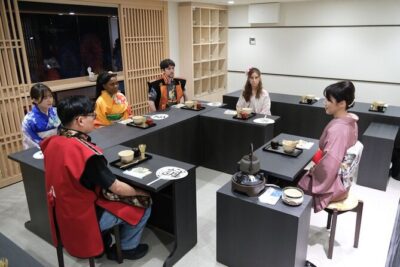
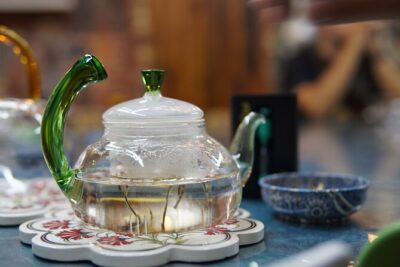
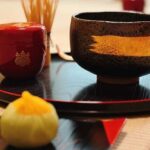
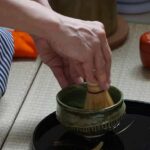
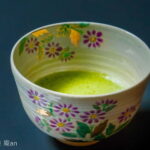
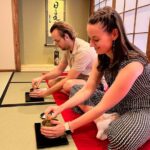
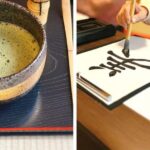
Then you come out of treatment mode into tea mode. You’ll get matcha and tea sweets, described like coming out at tea. This part is more than refreshment. In a Zen-framed experience, the tea gives your body time to settle, and it helps your mind stay calm instead of snapping right back into travel mode.
If you’ve ever left a spa feeling good but rushed, this structure can help you avoid that. You’re given a pause that’s built into the appointment.
5) Your treatment report
Finally, your therapist provides a treatment report describing your energy status and advice for the future. That’s a practical plus. Even if you’re not 100% bought into the energy framework, you can treat the report as guidance for how to support recovery—like what to focus on after your session.
In the feedback associated with this experience, people emphasized feeling relaxed and rejuvenated, and the longer options were described as worth it. That lines up with the structure: more time usually means more treatment time, plus more time for your body to settle before the tea and report.
The hydrogen inhalation angle: what you should expect
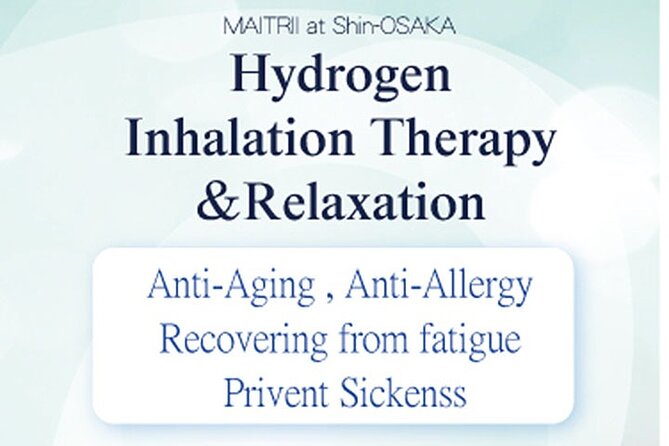
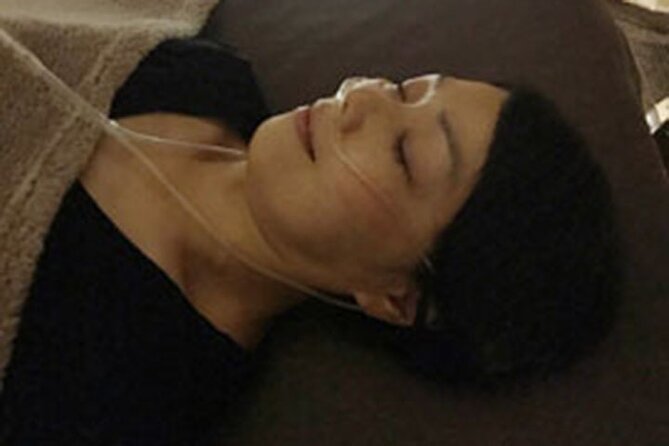
The stop name for this session includes H2 inhalation therapy and relaxation. The included list you’ll see focuses on the full-body qi balancing massage and the Zen tea ritual, so the exact inhalation component may vary by the way your appointment is scheduled.
What you can do, practically: when you arrive, ask the therapist or staff what part you’ll do specifically during your session time. You’re not being difficult—this is normal for wellness appointments, and it helps you feel confident going in.
If you’re someone who already likes wellness add-ons (breathing therapies, recovery rituals, teas), you’ll probably enjoy the multi-part nature here.
How to choose the right session length (30 vs 60 vs 90 vs 120)
You’ll see four options:
- 30 minutes (essential news)
- 60 minutes (after winning the game to refresh)
- 90 minutes (premium)
- 120 minutes (luxury)
Those labels are playful, but the practical choice is simple: how much do you want your body and mind to “stay in the reset lane”?
- 30 minutes: best if you’re just tired and want quick relief without committing to a long calm-down block.
- 60 minutes: a solid middle. If you want a proper massage plus energy work and still fit other plans, this is often the sweet spot.
- 90 minutes: good if your fatigue is heavier or you want more time for the energy-body sequence and slower settling afterward.
- 120 minutes: best for travelers who want a long, low-stress wellness block and don’t mind treating this like the main event of a day.
In the feedback tied to the experience, people who booked longer sessions said they didn’t regret it, and they described the treatment as a mix of shiatsu and energy work. That’s a strong signal that the extra time translates into more complete relaxation, not just more minutes on the clock.
Price and value: is $57.23 a good deal?
Let’s be real. A basic massage in Osaka can cost less than $57.23. So the question is value for what’s included here.
You’re paying for:
- a shiatsu-style full-body massage framed as qi balancing,
- energy therapy elements,
- a room setup with crystals under the bed,
- the samue kimono experience,
- matcha and tea sweets as part of the flow,
- and a treatment report with advice.
If you’re the kind of traveler who likes to get your money’s worth through structured experiences—rather than only physical relief—this can feel fair. If you only care about muscle work and nothing else, you may compare it to cheaper massage alternatives and feel it’s pricey.
My advice: choose this when you want the whole ceremony. Skip it when you’re after purely practical, quick physical therapy.
Who will enjoy this most (and who might not)
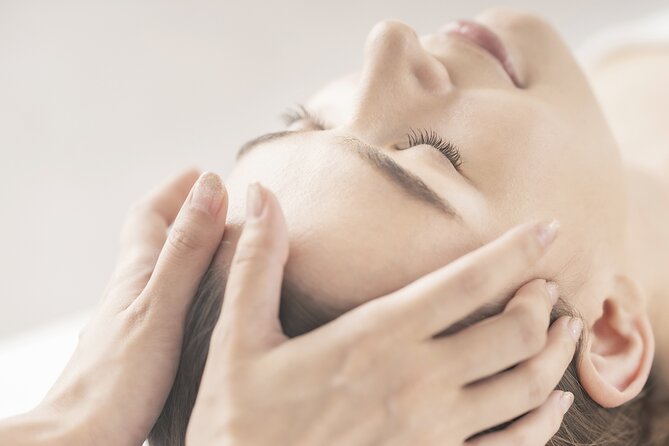
This fits best if you:
- want a deep relaxation experience that includes a calm mental component,
- like Japanese wellness rituals (kimono change, tea time),
- enjoy bodywork that feels guided and intentional,
- and you’re open to energy concepts even if you keep your skepticism.
You might think twice if:
- you want a standard spa massage with no energy framework,
- you strongly prefer medical-only explanations and don’t want anything framed spiritually,
- or you’re short on time and need quick service only.
The good news is the session is private, so your experience stays focused on you.
Aftercare tips you can use the same day
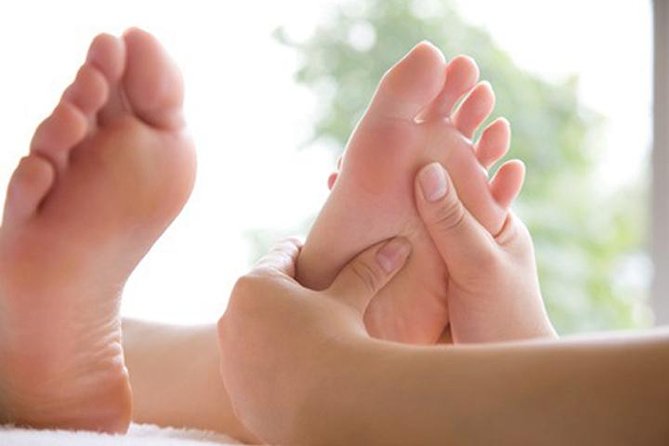
The experience gives you a treatment report, but you can also support your reset with simple choices. Right after, keep things gentle:
- drink water and take it easy that day,
- avoid turning the rest of your day into a sprint of heavy walking,
- and give yourself time before jumping into intense activities.
If you got a report that includes future advice, follow that guidance first. Even if you don’t treat it as literal “energy,” the practical wellness style still makes sense: rest, hydration, and light activity.
Should you book ZEN Therapy in Osaka?
Book it if you want more than a massage. This is a full appointment built around qi balancing, a crystal-and-energy-room concept, a samue kimono change, tea time, and a treatment report. At $57.23 for about an hour (or more depending on your pick), it can be a strong value if you enjoy guided, ritual-style wellness.
Skip it if you only want a conventional massage and nothing else. Also skip if you know you’ll feel annoyed by energy-and-mind framing.
If you’re looking for a day’s reset that feels distinctly Japanese—calm, mindful, and hands-on—this is the kind of appointment that can genuinely make your Osaka trip feel slower in the best way.
FAQ
How long is the ZEN Therapy session?
The experience is listed as about 1 hour, but there are options from 30 minutes up to 120 minutes. Pick the length that matches how much recovery time you want.
Where does the appointment take place?
The session starts at MAITRII, H2 Inhalation Therapy & relaxation at Shin-Osaka Daichi Building 8F, 5丁目-6-16 6 西中島, Yodogawa-ku, Osaka.
Is it a private session?
Yes. It’s described as a private tour/activity, so only your group participates.
What’s included in the experience?
Included are the full-body qi (energy) balancing shiatsu-style massage and a Zen tea ritual.
Do I get to wear the Zen kimono?
Yes. You change into a Zen Buddhist kimono called samue for the treatment.
What do I do at the end of the session?
You receive a treatment report that describes your energy status and advice for the future, and you also enjoy matcha and tea sweets during the flow.
Is private transportation included?
No. Private transportation is not included.
How do I get the ticket?
It’s listed as having a mobile ticket.
What is the cancellation policy?
Free cancellation is available up to 24 hours in advance for a full refund. If you cancel less than 24 hours before start time, it isn’t refunded.