
REVIEW · ISTANBUL
World Teas and Turkish Tea Brewing & Tasting Workshop in Istanbul
Book on Viator →Operated by Highlights in Türkiye Workshops · Bookable on Viator
A tea workshop in Istanbul turns flavors into a hands-on lesson. You’ll taste five tea worlds, then practice Turkish double teapots and Chinese gaiwan brewing while learning how water temperature and steep time change what’s in your cup. I especially like that you’re not just sampling blindly; you’re learning the logic behind each tradition as you go. One small drawback: at about 1 hour 30 minutes, it’s more about discovery than mastering every detail.
The vibe also matters. This runs in a peaceful atelier with fresh Turkish tea, Turkish delight, and traditional treats, so it feels calm even though you’re moving through several teas. Based on the guide names that show up in the feedback, the instruction style seems patient and question-friendly (Togrul, Kamram, and Yerko all get called out), with at least one session including a playful fortune-telling moment.
In This Review
- Key Highlights You Should Expect
- Why This Tea Workshop Feels Like Istanbul’s Tasting Lab
- The Five Tea Worlds: From Delicate Chinese Green to Black Sea Black Tea
- Brewing Turkish Tea in Double Teapots (And Why Strength Changes)
- Chinese Gaiwan Brewing: Where Water Temp and Steep Time Matter Most
- Tasting, Snacks, and a Calm Atelier Vibe
- Your Take-Home Blend: The Part You’ll Still Enjoy Later
- Price and Time: Is $30 Worth 90 Minutes of Tea Work?
- Meeting in Beyoğlu: Easy Start, Easy End
- Who This Tea Workshop Is Best For
- Should You Book This Tea Workshop?
- FAQ
- How long is the World Teas and Turkish Tea Brewing & Tasting Workshop?
- How much does it cost?
- Is the workshop offered in English?
- Where does the workshop meet in Istanbul?
- What does the experience include?
- Will I get a mobile ticket?
- What’s the maximum group size?
- Is free cancellation available?
- Can I bring a service animal?
- Is the location near public transportation?
Key Highlights You Should Expect
- Five tea worlds in one sitting with side-by-side tasting so you can actually spot differences
- Turkish double teapots and Chinese gaiwan so you compare brewing traditions, not just tea types
- Temperature and steeping time lessons that make every next cup more informative
- Fresh Turkish tea plus Turkish delight and traditional treats in a calm atelier
- A take-home blend you make yourself so the fun keeps going after you leave
Why This Tea Workshop Feels Like Istanbul’s Tasting Lab
I love workshops like this because they turn a normal food activity into something you can repeat at home. Instead of a lecture, you’re tasting, brewing, and comparing. You learn what to notice: aroma first, then flavor, then how the tea changes as you adjust technique.
You’ll also get an English-speaking guide, and the group is capped at 40 people. That matters more than you’d think. In a larger class, questions get pushed aside. Here, the feedback highlights that guides actually take time to answer questions about tea and Turkey in general—so you can ask the stuff you’d normally forget once you’re back on the street.
The location is in Beyoğlu, and the workshop starts and ends at the same point. That’s helpful when your day is packed with walking. You can slot this in without feeling like you’re committing to a long transport shuffle.
You can also read our reviews of more tours and experiences in Istanbul.


The Five Tea Worlds: From Delicate Chinese Green to Black Sea Black Tea
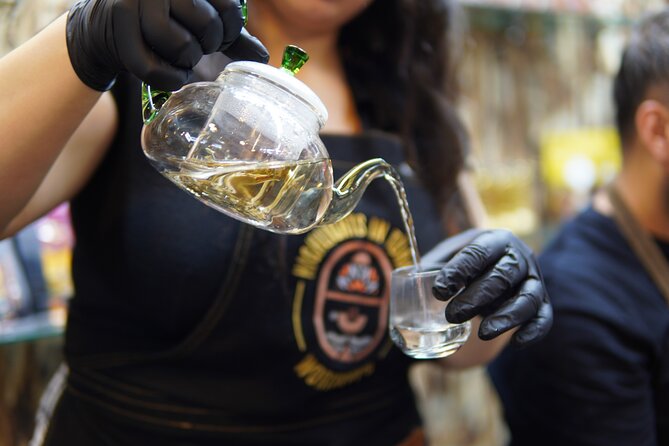
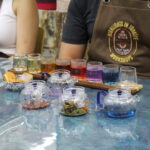
The session is built around five distinct tea worlds, which keeps it interesting and prevents the classic issue where everything tastes similar. You start with delicate Chinese green teas and move toward a robust Black Sea black tea. Between those endpoints, you’ll compare other tea styles along the way.
Here’s what makes this format smart: tea isn’t just one flavor. It’s a mix of leaf type, water, and brewing decisions. When you taste several styles in one workshop, you train your palate faster than if you tried to figure it out one café cup at a time.
You’ll also hear why each tradition exists. That’s important because Turkish tea and Chinese tea aren’t trying to be identical. They’re built around different rituals and different brewing setups. Once you understand the goal—strength, clarity, aroma, or body—the tasting clicks.
A tip for you: keep your brain in compare mode. Don’t judge a tea as good or bad in isolation. Ask what it’s doing—light and grassy, bold and malty, brisk and drying, smooth and rounded—then match it to the brewing method you just saw.
Brewing Turkish Tea in Double Teapots (And Why Strength Changes)
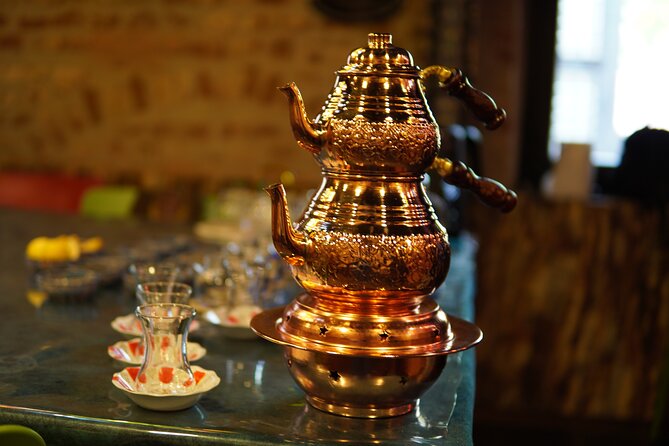
You’ll learn Turkish tea brewing in traditional double teapots. In practical terms, this method is all about controlling strength while serving. The main lesson is that Turkish tea doesn’t have to be one fixed intensity; it’s built to be adjusted.
During the workshop, your guide will walk you through how the two-pot approach works and how that affects what ends up in your cup. You might not leave with a single exact recipe that fits every brand and every day, but you will understand the concept: small changes in brewing affect the body, color, and finish.
This part is also where Turkish tea becomes more than a drink. You’ll see it as a system—something designed for repeat serving and a consistent ritual. Even if you’ve had Turkish tea before, this is the difference between sip-and-go and actually knowing what you’re tasting.
If you like your tea stronger and more assertive, the Turkish method is where that preference makes the biggest sense. If you’re the type who prefers lighter cups, you’ll learn how brewing decisions can soften the punch without making the tea disappear.
Chinese Gaiwan Brewing: Where Water Temp and Steep Time Matter Most
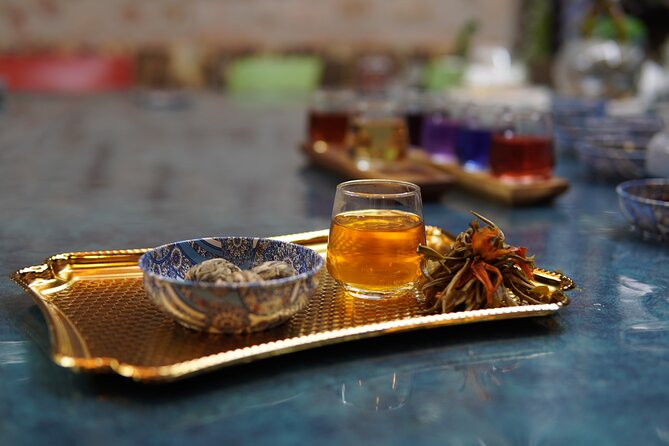
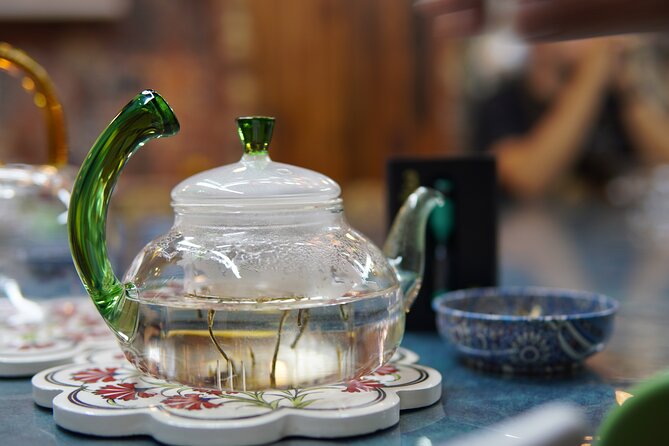
Next comes Chinese tea brewing with an authentic gaiwan. This is a different mindset than the Turkish double-pot ritual. The gaiwan approach often encourages more direct control over extraction. In plain language: you’re learning how to coax flavor out of the leaf.
The workshop emphasizes two variables that you can actually use in your own kitchen:
- Water temperature changes how flavors come through
- Steeping time changes intensity and balance
That’s a big deal because most people brew tea the same way every time, then blame the tea itself. Here, you’ll see how changing just one factor can shift the result from delicate to bold, or from crisp to flat.
I like this teaching style because it turns tea into an experiment, not a mystery. It’s the fastest way to understand why two teacups from the same tea leaves can taste different on different days.
When you’re tasting, pay attention to the finish. Some teas get more drying or more bitter with longer steeps. Others stay smooth. That’s not just a flavor note; it’s practical brewing advice you can carry forward.
Tasting, Snacks, and a Calm Atelier Vibe
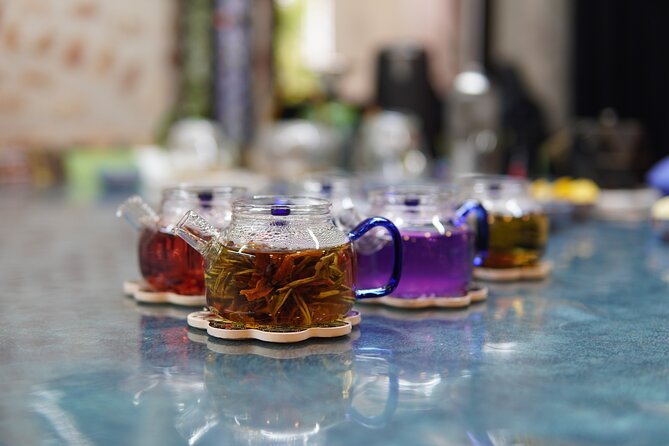
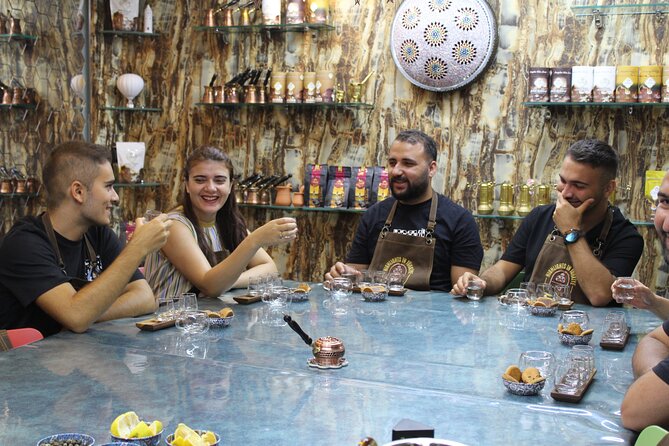
The workshop isn’t only technical. You’ll enjoy fresh Turkish tea, Turkish delight, and traditional treats in a peaceful atelier. Food pairing sounds fancy, but it’s really about comfort and pacing. Instead of rushing through cups like a flight at a bar, you get a slower rhythm so you can actually notice differences.
The feedback also points to the atmosphere being very pleasant and welcoming. People mention the workshop place as a highlight, and that matters because tea tasting is sensory. If the room feels stressful or rushed, your palate loses its sharpness.
One fun note from the experience reports: at least one session had a fortune-telling moment, and people enjoyed it. You can treat that as an extra charm, not the main event. The core is tea brewing and tasting—but if that playful moment shows up during your time slot, it’s a nice memory-maker.



Your Take-Home Blend: The Part You’ll Still Enjoy Later
Near the end, you’ll create your own special tea blend to take home. That’s one of the best ways to make the workshop stick. If you only taste and learn, the knowledge can fade. If you blend something yourself, you build a personal reference point.
No pressure is part of the promise. That’s key. Tea blending can sound intimidating, like you need a chef’s brain. Here, the goal is discovery and sensory pleasure, so you can experiment based on what you liked during the tastings.
When you’re doing this, try to remember the teas that felt right to you earlier: the ones with the flavor profile you kept returning to during the guided comparisons. If the guide prompts you with suggestions, listen closely—those small decisions often reflect the same temp and steep lessons you practiced earlier.
Price and Time: Is $30 Worth 90 Minutes of Tea Work?
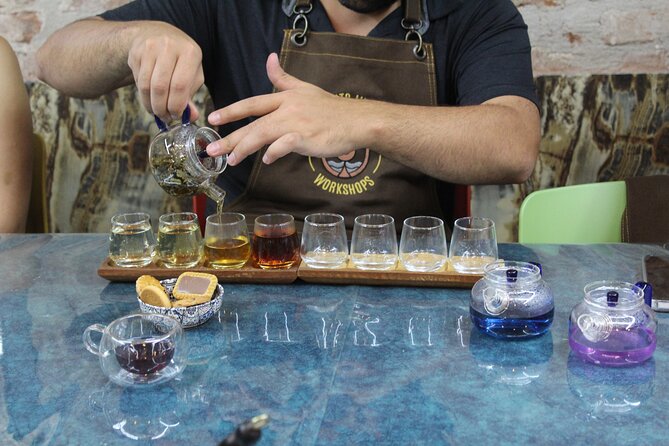
At $30 per person for about 1 hour 30 minutes, the value is in the combination: multiple tea styles, guided brewing instruction, tastings, and a take-home blend. You’re not paying for a single drink; you’re paying for a focused lesson with real sensory practice.
This price point tends to make sense when:
- You want something more meaningful than a standard tasting
- You enjoy food and drink activities you can repeat later
- You’re curious about how brewing method changes flavor
One consideration: if you’re already a tea expert who has strong preferences and wants advanced tea processing details, you might wish for more time. The workshop is built for broad discovery, not deep technical training.
Still, for most people, this is a very efficient use of time in Istanbul. You get guided tea knowledge fast, in a setting designed for tasting rather than rushing.
Meeting in Beyoğlu: Easy Start, Easy End
The workshop starts at Highlights in Türkiye Workshops, Hacımimi, Lüleci Hendek Cd. no:20/A, 34000 Beyoğlu/İstanbul, Türkiye and ends back at the same meeting point. That helps if you’re combining it with other Beyoğlu stops.
It’s also described as near public transportation, so you won’t need a taxi for every movement. And since it’s a mobile-ticket experience with confirmation at booking time, you can plan without stress.
Who This Tea Workshop Is Best For
This fits you well if you want:
- A hands-on experience with Turkish and Chinese brewing styles
- A calmer activity with tasting, snacks, and time for questions
- A practical souvenir: the take-home blend you make
It’s also a good pick for couples and small groups who want something different from the usual museum-and-meal routine. The group cap at 40 suggests you should still feel included and able to ask questions.
If you’re traveling with a service animal, that’s allowed as well.
Should You Book This Tea Workshop?
I think you should book it if you want a real taste of Turkish tea culture plus a clear comparison to Chinese brewing—without needing to be a tea nerd first. The strongest reasons to choose this are the mix of guided instruction and tasting, and the way instructors (including Togrul, Kamram, and Yerko) reportedly take time to explain and answer questions.
Skip it only if you’re looking for a long, step-by-step masterclass lasting half a day, or if you want a purely sightseeing-focused activity. This is a tea lesson, not a tour of landmarks.
If you like food you can learn from, this one is a smart, enjoyable use of 90 minutes.
FAQ
How long is the World Teas and Turkish Tea Brewing & Tasting Workshop?
The workshop lasts about 1 hour 30 minutes.
How much does it cost?
It costs $30.00 per person.
Is the workshop offered in English?
Yes, it is offered in English.
Where does the workshop meet in Istanbul?
The meeting point is Highlights in Istanbul Workshops, Hacımimi, Lüleci Hendek Cd. no:20/A, 34000 Beyoğlu/İstanbul, Türkiye.
What does the experience include?
You’ll learn brewing methods for Turkish tea and Chinese tea, taste five tea styles, and enjoy fresh Turkish tea, Turkish delight, and traditional treats. You’ll also create your own tea blend to take home.
Will I get a mobile ticket?
Yes, it includes a mobile ticket.
What’s the maximum group size?
The maximum number of travelers is 40.
Is free cancellation available?
Yes. You can cancel up to 24 hours in advance for a full refund.
Can I bring a service animal?
Yes, service animals are allowed.
Is the location near public transportation?
Yes, it is near public transportation. Confirmation is received at booking time.
You Might Also Enjoy
 Taiwan Traditional Delicacies Experience, Xiao Long Bao, Chicken vermicelli with mushroom and sesame oil, Tofu strips salad, Bubble milk tea.
 Tokyo: Tea Ceremony & Japanese Traditional SweetsBlenheim Palace with Cream Tea, Stonehenge and Oxford
 Sunshine Coast:Silver Bullet High Tea at Mary Valley Rattler