REVIEW · NAGOYA
Tea Ceremony Experience
Book on GetYourGuide →Operated by B.B.Advisors Inc. AN NAGOYA · Bookable on GetYourGuide
Matcha grinding beats any souvenir. This 30-minute tea ceremony in Nagoya lets you make your own cup in a relaxed way, with single-origin special matcha, plus sweet bites called ohigashi. It’s a smart stop if you want something more local than a photo, but you don’t want to lose half your day.
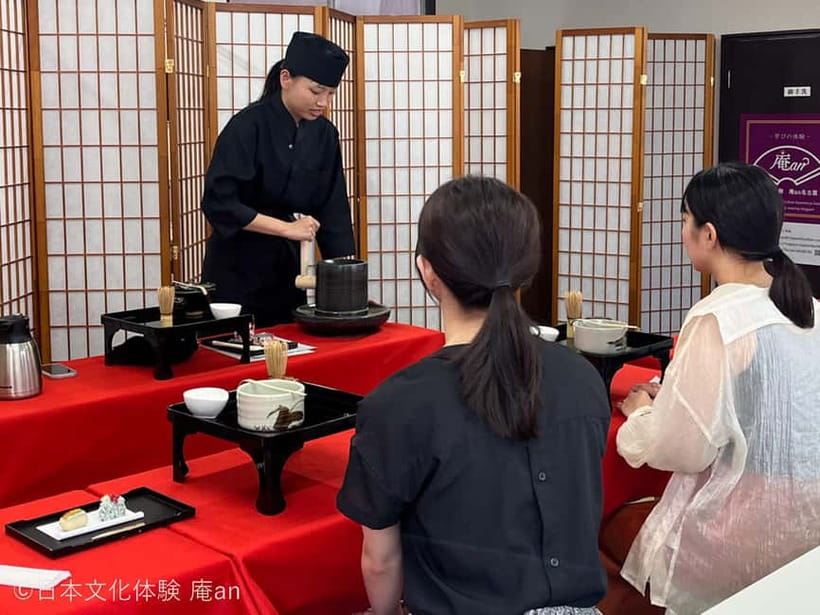
What I like most is that it’s hands-on, not showy. You get a brief tea intro, then a matcha-grinding demonstration, then your turn at the ceremony basics. I also love the pairing of your matcha with ohigashi Japanese sweets, which turns the experience into more than just watching someone else do tea.
One consideration: the whole thing is compact and held in a simple space on the 3rd floor, and the pace can feel more like an efficient lesson than a long, slow traditional ceremony. If you’re expecting candles, hours of ritual, and a quiet room built for long reverence, you might feel slightly shortchanged.
In This Review
- Key things to know before you go
- Why This Nagoya Tea Ceremony Works for Tight Days
- Getting There Near Kokusai Center Station (Without Stress)
- Inside the 30-Minute Flow: What Happens When You Arrive
- 00 minutes: Welcome and a quick tea lesson
- Next: Matcha grinding demonstration
- Then: Your tea-ceremony experience
- Picture time and the tasting finish
- The Matcha Itself: What Single-Origin Means for Your Cup
- Ohigashi and the Taste Pairing You’ll Actually Remember
- How the Session Feels in Real Life: Calm, Fast, and Sometimes Very Compact
- Price and Value: Why $7 Can Make Sense Here
- Who This Tea Ceremony Suits Best
- Optional Extras: Certificates You Might Want
- Should You Book This Tea Ceremony in Nagoya?
- FAQ
- How long is the tea ceremony experience?
- Where do I meet the guide?
- Is matcha grinding included?
- What language is used during the experience?
- Are the Japanese sweets included?
- Is a completion certificate included in the price?
Key things to know before you go
- You make your own matcha instead of only watching a demonstration
- Single-origin special matcha is used, which makes the cup feel more intentional
- A grinding demo is part of the program, so you understand what you’re drinking
- Ohigashi sweets come with the tea, giving you a real flavor pairing moment
- English support is available as much as possible, and the guide is Japanese
Why This Nagoya Tea Ceremony Works for Tight Days
This is the kind of activity that fits neatly between sightseeing stops. You’re looking at a total time of about 30 minutes, and the program is structured so you’re not stuck waiting around. That matters in Nagoya, where you can easily end up with a packed day and still want one cultural experience that feels grounded in daily life rather than a staged performance.
The setting is also designed for casual appreciation. Yes, it’s a tea ceremony, but it’s not trying to intimidate you with rules. The focus is practical: quick tea knowledge, matcha prep, and enjoying your cup with sweets. In other words, you get the point of the ritual without needing a week of practice first.
Price-wise, the experience is $7 per person, and that’s a big part of the value. You’re not only paying for a cup of matcha—you’re paying for the full sequence: the intro, the grinding demo, the guided tea-ceremony experience, and the fact you get to do it yourself.
You can also read our reviews of more tours and experiences in Nagoya.
Getting There Near Kokusai Center Station (Without Stress)
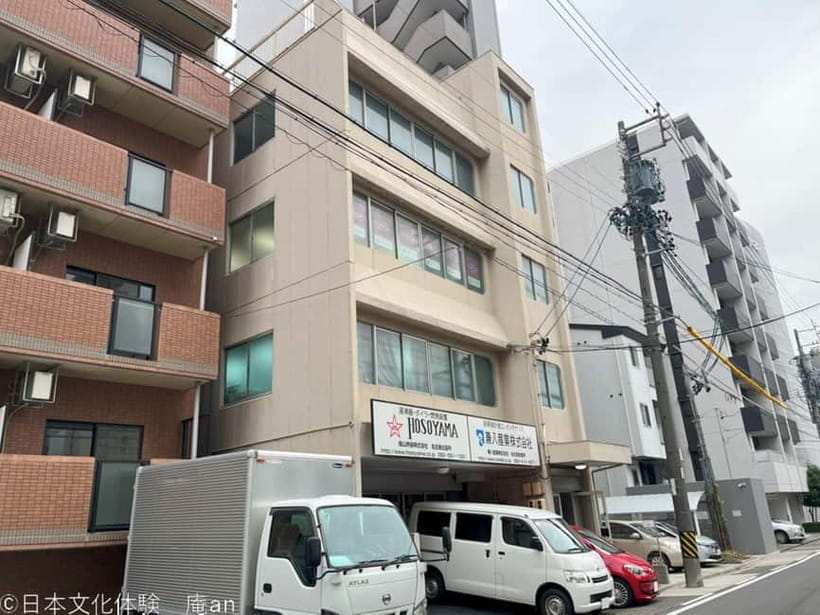
The meeting point is easy to find once you know where to look. It’s about a 1-minute walk from Exit 3 of the Subway Sakura-dori Line station called Kokusai Center Station. If you’re already near Nagoya Station, it’s roughly a 13-minute walk from the Sakura-dori side.
One practical heads-up: the venue is on the 3rd floor, and there’s no elevator. If you’re balancing bags, shopping bags, or you’re tired from a long walk, plan for the stairs. Also, the event is not held for delays—so if you’re taking local transit and you’re even slightly unsure, I’d rather arrive early than sprint at the last minute.
Inside the 30-Minute Flow: What Happens When You Arrive
The program moves in a clear sequence, and that structure is what makes it work for busy schedules.
00 minutes: Welcome and a quick tea lesson
You start with an explanation about tea. It’s not a textbook lecture. The idea is to give you just enough context so you know what you’re about to do and why matcha preparation matters.
This is where the experience earns goodwill. One of the standout themes from the feedback is that the guide’s communication is strong—especially with English support. People also mention the session feels calm, which is perfect if you’re learning something new and you don’t want to feel rushed or embarrassed about getting steps wrong.
Next: Matcha grinding demonstration
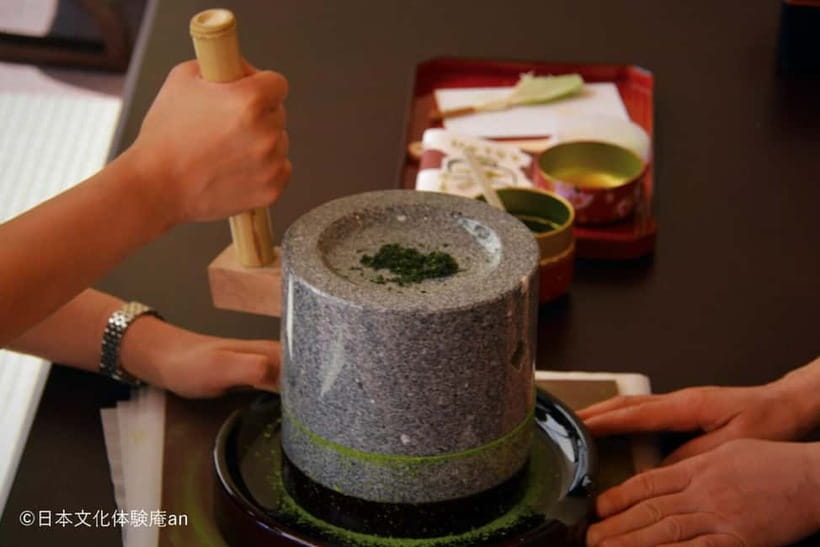
Then comes the matcha-grinding demonstration. This is the part that makes matcha more than a drink. You’ll see how the powder is prepared so it’s ready for the ceremony experience, and you’ll understand why the grind-and-mix moment is central to the taste and texture.
If you’ve only ever had bottled or pre-mixed matcha, this is your reality check—in the best way. You get to connect the sensory experience (smell, color, and foam/texture) to the process that creates it.
Then: Your tea-ceremony experience
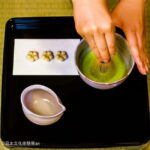
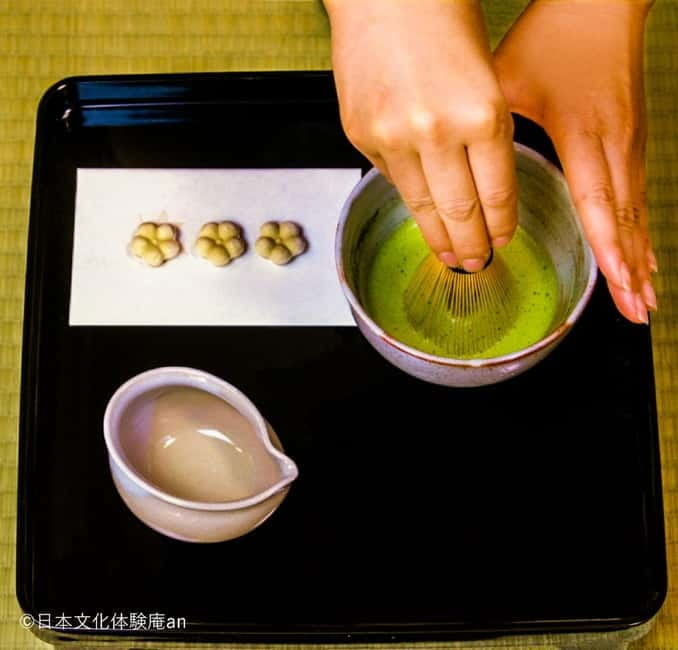
After the demo, you do it yourself. The program is built for participation, not passive watching. That means your time isn’t just “sit and sip.” It’s “learn one key idea, then practice it in the moment.”
And since the matcha used is single-origin special matcha, the taste you make is the taste you’ll remember. It’s not generic matcha that disappears into the background. It’s meant to be noticed.
Picture time and the tasting finish
As you wrap up, there’s a picture time portion, and then the event ends. The total session includes eating/drinking time, so you’re not forced to treat the cup as a quick checkbox.
The Matcha Itself: What Single-Origin Means for Your Cup
Single-origin matters because it nudges the flavor in a more specific direction. Even if you don’t turn into a matcha expert overnight, you can still taste the difference between a more general matcha profile and something selected from one source.
In this experience, the matcha is described as single-origin special matcha, and you also get the benefit of participating in the prep. That combination is a recipe for a more satisfying cup. You’re not only sampling matcha—you’re experiencing it through the process that creates its character.
If you care about food and drink, this is also a good culture bridge. Tea ceremony isn’t only about the tea. It’s about attention: slow actions, simple tools, and the way a ritual turns a drink into something you actually taste.
Ohigashi and the Taste Pairing You’ll Actually Remember
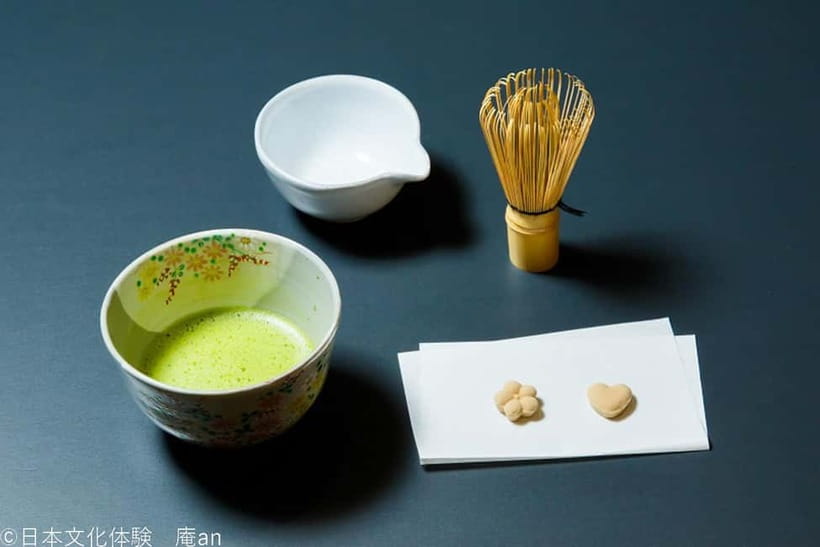
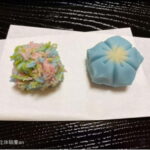
You don’t just drink matcha here. You also get Japanese sweets called ohigashi. That’s a big deal in terms of value and enjoyment, because it gives your cup a “partner.”
Sweets help you notice matcha’s different moods—like how bitterness can feel smoother when balanced against something gentle and sweet. Even if you can’t explain it right away, you’ll feel the contrast as you sip and nibble.
Ohigashi is also a useful reminder that tea culture is not separate from everyday Japanese snack life. It’s one tradition feeding another. You get to experience that connection in a short time, without hunting down extra ingredients or making a separate stop.
How the Session Feels in Real Life: Calm, Fast, and Sometimes Very Compact
From the feedback, one theme shows up again and again: the guide’s tone and communication. People specifically mention great English and a calm pace, and that combination makes the experience feel welcoming even if you’re not familiar with tea ceremony.
But here’s the honest consideration. One review mentions the space didn’t match expectations for a more traditional tea-ceremony feel, and that with only a small group the session went quickly. I’d translate that into practical advice: you’re booking a 30-minute hands-on experience, not a long-form ceremony with dramatic staging.
So if you want a short, friendly, instructional cultural stop, this is likely a good fit. If you want a slow, immersive ceremony experience that lasts like a full performance, you might walk away thinking it could have been longer.
Price and Value: Why $7 Can Make Sense Here
Let’s talk about value without hand-waving. At $7 per person, you’re paying for several components bundled together:
- a tea-ceremony experience you can take part in
- a matcha grinding demonstration
- single-origin special matcha used for your cup
- Japanese sweets (ohigashi)
If you compare that to what you might spend on food and a drink plus a standalone activity, this package has a solid logic. The biggest value is not the price tag—it’s that you leave with both knowledge and participation. You don’t just buy a snack; you learn the process, then taste the result.
Also, the guide supports English as much as possible. That’s practical value too. Cultural experiences are better when you can follow what’s happening without guessing.
Who This Tea Ceremony Suits Best
This is a strong pick for:
- first-timers who want a gentle introduction to Japanese tea culture
- food lovers who like hands-on preparation
- travelers with limited time in Nagoya who still want something authentic and participatory
It may not be your best match if:
- you want a longer, highly formal ceremony with lots of ritual steps
- you’re sensitive to stairs, since it’s on the 3rd floor with no elevator
- you’re expecting a very spacious, traditional set-up
Optional Extras: Certificates You Might Want
One thing to know: an experience completion certificate is not included. It costs 300 JPY. If you want a nominative certificate with names, you need to let them know your names in advance. If you don’t, the certificate will leave a blank space for your name.
If you like collecting proof-of-participation, this can be a nice add-on. If not, you can skip it and focus on the matcha and the lesson.
Should You Book This Tea Ceremony in Nagoya?
Yes, if your goal is a short, hands-on matcha experience that fits your schedule. The single-origin special matcha, the fact you participate (not just watch), and the included ohigashi pairing are the combination that makes this feel worth your time even at a low price.
Book with realistic expectations: it’s 30 minutes, and it’s more like an efficient culture lesson than a long theatrical ceremony. If you go in wanting to learn a few key ideas, make your own cup, and taste the pairing, you’ll likely leave happy and quietly smug that you can now explain the matcha process to someone back home.
FAQ
How long is the tea ceremony experience?
The experience lasts about 30 minutes.
Where do I meet the guide?
Meet at a point about 1 minute walk from Exit 3 of the Subway Sakura-dori Line station called Kokusai Center Station. It’s also about a 13-minute walk from Nagoya Station from the Sakura-dori side.
Is matcha grinding included?
Yes. The tea ceremony set includes a matcha grinding demonstration.
What language is used during the experience?
The instructor is Japanese. English translation is provided as much as possible.
Are the Japanese sweets included?
Yes. The program includes Japanese sweets called ohigashi.
Is a completion certificate included in the price?
No. The experience completion certificate costs 300 JPY, and nominative certificates require you to provide your names in advance.