REVIEW · NAGOYA
Nagoya: Japanese Traditional Sweets making and Tea Ceremony
Book on GetYourGuide →Operated by B.B.Advisors Inc. AN NAGOYA · Bookable on GetYourGuide
You’re not just tasting wagashi in Nagoya, you’re making it by hand. This 95-minute class pairs seasonal nerikiri sweets with a hands-on tea ceremony using Uji Matcha, and the quality of the ingredients is part of the point. I especially like that you color the bean paste yourself and shape the sweets to match the season, then you get to drink the matcha you prepared. A small watch-out: it’s on the 3rd floor with no elevator, so you’ll want to plan your route if you’re traveling with heavy bags.
What I like most is the ingredient story and the instruction style. You work with white/red bean paste made by Kyoto’s long-established shops, and you use single-origin matcha (Uji). If you want something practical you can repeat later, this is the kind of workshop where you come away with real steps, not just a snack. The only drawback I’d flag is that it’s a structured experience rather than a long, fully traditional tea ritual, so don’t expect a 60- to 90-minute formal ceremony style.
In This Review
- Key things I’d focus on before you go
- Wagashi + Uji Matcha: Why This Nagoya Class Works
- What You’ll Make: Nerikiri with Seasonal Detail (Not Just One Sweet)
- Tea Time in a Real Order: Grinding, Then Drinking Your Matcha
- Ingredient Quality: Kyoto Bean Paste and Single-Origin Uji Matcha
- Kyoto bean paste you’re coloring and shaping
- Single-origin matcha for a better cup
- A Step-by-Step Walkthrough of the 95 Minutes
- Starting off: sweets context and your first steps
- Crafting the second sweet
- Break time
- Tea portion: grinding demo and the ceremony experience
- Final taste, final photos, then you head out
- Price and Value: What $18 Buys You in Nagoya
- Getting There from Nagoya: Simple Directions, One Big Caveat
- Who This Class Is Best For (and Who Might Skip It)
- What the Instructors Do Well: Clear Guidance and Warm Pace
- Small Extras You Might Want: Take-Out and Certificates
- Quick Practical Advice Before You Book
- Should You Book This Wagashi and Tea Ceremony in Nagoya?
- FAQ
- How long is the Japanese Traditional Sweets making and Tea Ceremony experience?
- What sweets will I make during the class?
- What matcha is used?
- Is the class taught in English?
- Is there a full traditional tea ceremony?
- Where is the meeting point?
- Are there extra fees for take-out or certificates?
Key things I’d focus on before you go
- You’ll make 2 nerikiri sweets that match the season, not just one “starter” piece.
- Coloring the bean paste is part of the craft, so the sweets reflect actual process, not just assembly.
- Kyoto bean paste + single-origin Uji matcha is a clear upgrade from generic workshop ingredients.
- Matcha grinding and a guided tea experience help you understand what you’re drinking.
- You’ll eat what you make, with your own matcha alongside your finished sweets.
- Some classes are taught with very clear English support (instructors like Mariko and Saki are praised for it).
Wagashi + Uji Matcha: Why This Nagoya Class Works
Nagoya is a smart place to learn something hands-on like wagashi because it’s easy to mix a focused workshop day with the rest of your sightseeing. This class gives you a complete arc: you start with sweets, then shift gears to tea, then you sit down and enjoy what you made.
The format is also practical. You’re not just watching someone else do the work. You shape nerikiri (a higher-grade style of Japanese sweet), and you grind and prepare matcha. That combination matters because wagashi and matcha aren’t separate experiences in Japan—they’re meant to balance each other.
For a lot of people, the real win is that you leave with technique. The coloring step isn’t glamorous, but it’s where control happens. The same goes for matcha: grinding is a big deal because it changes how the tea behaves, and it’s something you can’t fake with a bottled drink. If you like craft and quiet focus (and you don’t mind getting a little sticky with bean paste), you’ll probably enjoy the whole pace.
You can also read our reviews of more tours and experiences in Nagoya.
What You’ll Make: Nerikiri with Seasonal Detail (Not Just One Sweet)
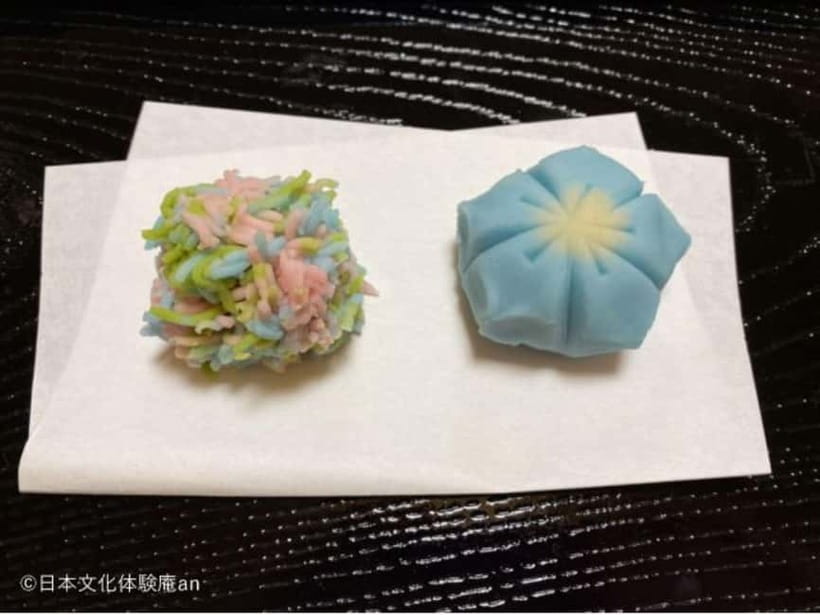
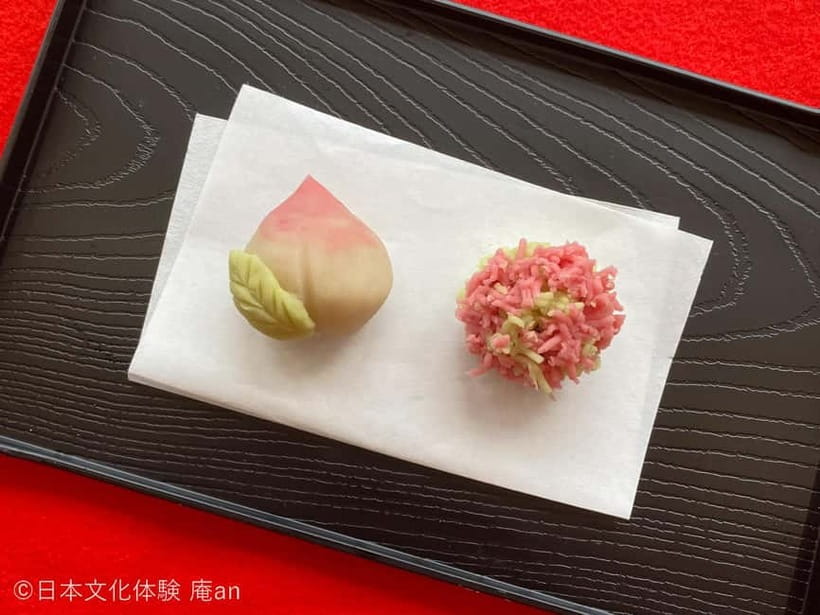
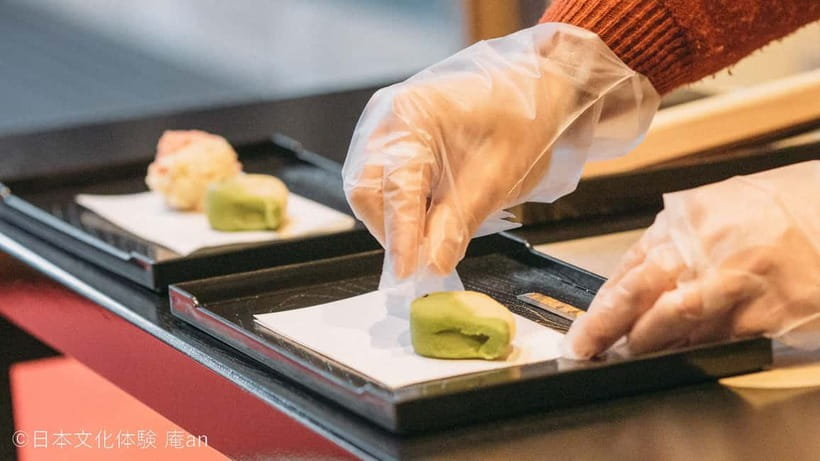
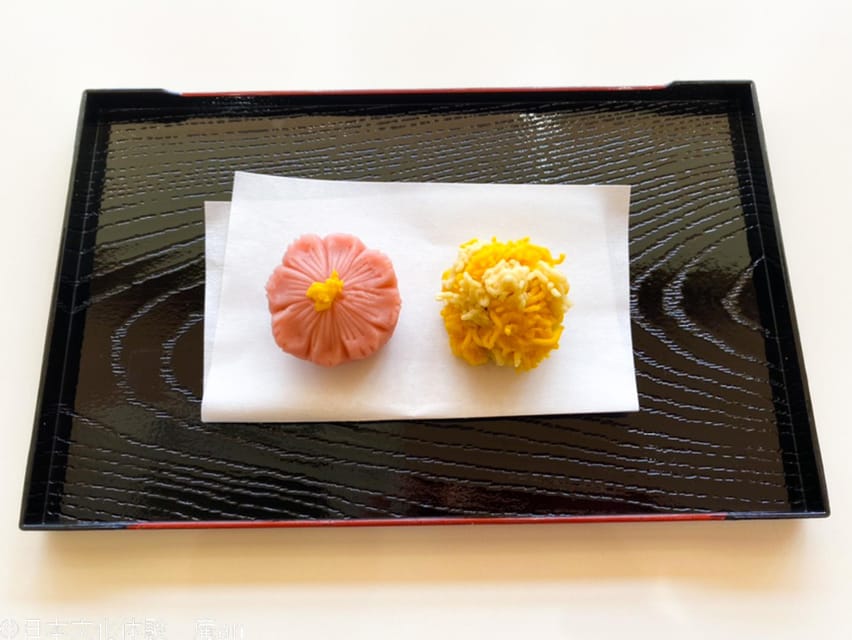
The class centers on a traditional wagashi style called nerikiri. Nerikiri is known for its smooth, shaped look—often flowers or seasonal motifs—so it’s ideal for learning because the steps are visible. You’ll start with coloring white bean paste, which means you’re not relying on pre-colored finished pieces. You’re creating the look that will become your sweet.
You’ll then craft your sweets into seasonal shapes. The program is designed so you make two types of Japanese sweets during the session, which is a big deal for value. One finished sweet is nice. Two finished sweets means you can taste different flavors/textures, and you’ll also have one extra piece to share or keep as a souvenir.
A few details that help you understand what you’re getting:
- You’ll work with white/red bean paste supplied from established Kyoto shops.
- You’ll shape sweets based on the season (so the theme changes over the year).
- One of the sweets is specifically called out as Kinton Nerikiri.
If you’re the type who likes knowing what you’re eating, this is also a good match. Nerikiri isn’t just decoration—it’s about how the bean paste sweetness and texture interact with tea.
Tea Time in a Real Order: Grinding, Then Drinking Your Matcha
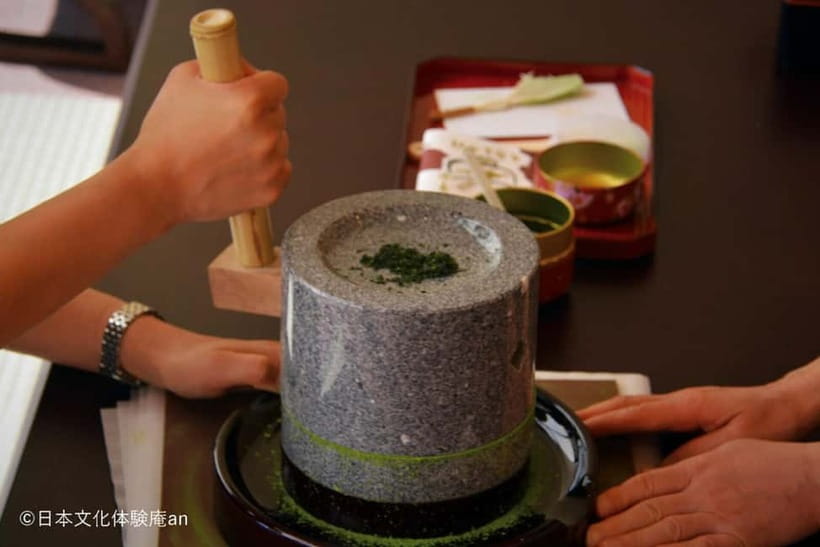
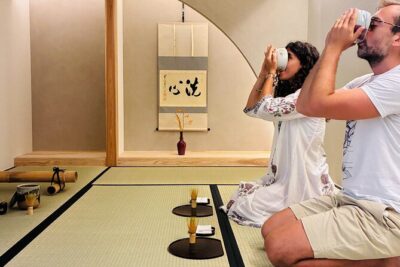
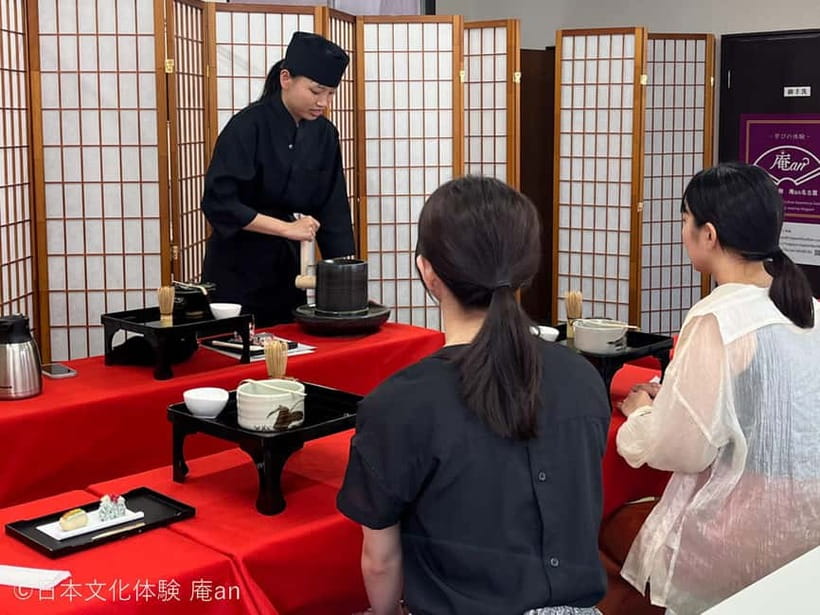
After the sweets portion, you’ll switch to tea. The session includes an explanation of Japanese tea, a matcha grinding demonstration, and then a guided tea-ceremony experience.
Here’s the useful part: you’re not just drinking matcha. You’re learning the steps that lead up to the cup. Grinding matters because it’s where you understand what “matcha texture” means. The class structure also tends to slow you down at the right moments—first for learning, then for tasting.
Also, a quick realism check. One of the most repeated points from past participants is that you should expect a tea-ceremony-style experience, not a full, long formal ritual. That’s not a negative—it just means the class is efficient. You’ll likely walk away with a better sense of how to drink matcha properly, not a perfect choreography you’ll use for special events.
When you finally sit down, you’ll enjoy the sweets you made along with your own matcha. This is where the quality matters. Premium bean paste sweetness tends to balance matcha bitterness. If you’ve ever had matcha that felt too harsh with a sweet that was too cloying, this pairing lesson is exactly what you want.
Ingredient Quality: Kyoto Bean Paste and Single-Origin Uji Matcha
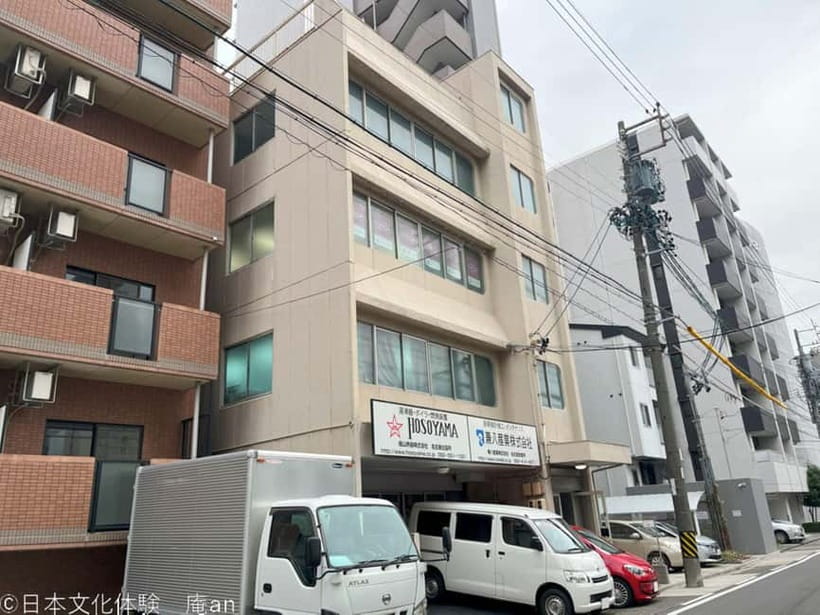
This workshop is doing something simple but smart: it emphasizes ingredients that are part of the tradition.
Kyoto bean paste you’re coloring and shaping
You’ll use white/red bean paste produced by Kyoto’s long-established shops. That matters because wagashi texture is tied to the paste quality. If you’ve tried cheaper sweets, you know the difference immediately—shape holds better, and the sweetness tastes more controlled rather than blunt.
In practical terms, this also helps your experience. When your materials behave well, your craft work looks better with less frustration. And nerikiri rewards attention. The more you control color and shape, the more the final sweet looks like the season’s motif it was meant to represent.
Single-origin matcha for a better cup
The class uses single-origin special Matcha (and the tea portion specifically references Uji matcha). Single-origin doesn’t just sound fancy—it tends to give you a clearer flavor profile. That makes it easier for you to notice what you’re tasting once the matcha is prepared.
And yes, you’ll get a guided explanation. If you care about tea beyond the basics, this class can help you understand why people treat matcha as more than a beverage.
A Step-by-Step Walkthrough of the 95 Minutes
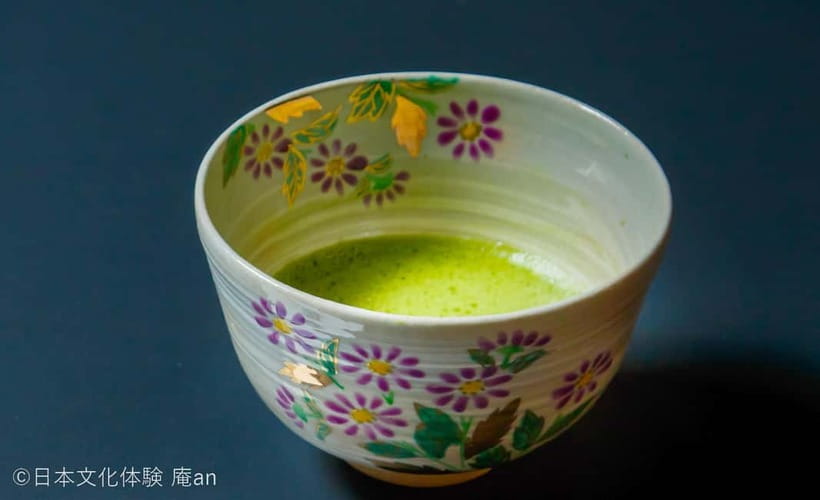
The schedule is tight, but it’s paced so you’re not overwhelmed.
Starting off: sweets context and your first steps
You begin with an explanation about Japanese traditional sweets. Then you move into the flower-shaped nerikiri making portion. This is where your hands learn what your brain needs—how to color the paste, how to shape without tearing, and how to aim for clean edges.
Crafting the second sweet
Later, you’ll make Kinton Nerikiri. It’s another chance to practice the craft techniques rather than being rushed through one piece only. Making two sweets also gives you a better sense of what changes between styles: shape, thickness, and how the sweet holds up when you eat it.
Break time
There’s a break built in after the sweets portion. It’s a smart moment—your hands and focus need a reset. This also gives you time to settle before the tea explanation begins.
Tea portion: grinding demo and the ceremony experience
You’ll get an explanation about tea, followed by a matcha grinding demonstration. After that, you’ll go through the tea-ceremony experience itself.
In the final stretch, you’ll take photos and then enjoy your sweets with your matcha.
Final taste, final photos, then you head out
The session ends with eating/drinking time and room departure at about 95 minutes from start. If you’re planning another activity that day, this is a workable block of time—not too short to feel rushed, not too long to disrupt your whole itinerary.
Price and Value: What $18 Buys You in Nagoya
At about $18 per person for 95 minutes, this workshop is priced like a structured cultural class, not a quick tasting.
Here’s the value logic:
- You’re paying for two crafted sweets, not a single sample.
- You’re paying for matcha-related instruction plus the grinding and preparation steps.
- You get to eat what you make, which is part of why the experience feels complete.
Is it the cheapest thing in Nagoya? Probably not. But compared with the cost of buying wagashi and matcha separately, it’s also hard to beat—because the bulk of your “purchase” is the guided technique and the ingredient quality.
If you want one souvenir from Nagoya that isn’t mass-produced, nerikiri you made yourself tends to hit harder than a packaged snack. And if you care about skills, this is the kind of class where you can recreate parts of the process later.
Getting There from Nagoya: Simple Directions, One Big Caveat
The meeting point is easy to find if you use transit directions:
- About a 1-minute walk from Exit 3 of the Sakura-dori Line station Kokusai Center Station
- About a 13-minute walk from Nagoya Station along the Sakura-dori side
The venue is on the 3rd floor, and the listing notes there is no elevator. That’s your biggest logistics detail. If you’ve got mobility limitations, or you’re carrying a lot of luggage, plan your route accordingly.
If you’re using maps, the coordinates provided are 35.1715323, 136.891893. That can help if street signage is confusing or you’re walking in a busy area.
Who This Class Is Best For (and Who Might Skip It)
This workshop is a strong fit if you want:
- A hands-on cultural experience with visible results.
- A chance to learn practical matcha steps, including grinding and serving.
- A calmer activity in the middle of sightseeing—this type of class doesn’t feel like a sprint.
It can also work well for families, since the format is supportive and practical. Past sessions were described as enjoyable even with kids joining alongside adults, and the instructors aim to include everyone in the process.
You might consider skipping if:
- You only want a full, formal tea ceremony timeline with lots of choreography and long pacing.
- You need an elevator-access venue (the 3rd floor with no elevator is a real constraint).
What the Instructors Do Well: Clear Guidance and Warm Pace
Instruction quality shows up fast in craft workshops. The best part here is how consistently the teaching style lands in a way beginners can follow. Many sessions highlight that the teacher’s instructions are clear and easy to follow, which matters when you’re working with colored paste and trying to shape something that looks like a seasonal motif.
Specific instructor names have come up in feedback, including Mariko and Saki, both noted for being professional, patient, and good at making people feel included. There’s also praise for English support when offered, with participants saying translation was strong and the experience felt understandable end to end.
If English is important to you, it’s worth noting that while the workshop language is Japanese, English translation is provided as much as possible. If you’d like extra English support, you can contact the organizer in advance.
Small Extras You Might Want: Take-Out and Certificates
Two optional add-ons come up:
- A sweets take-out box is 100 JPY (if you want to carry something home).
- A completion certificate costs 300 JPY. If you want a nominative certificate, you’ll need to share names in advance, otherwise a blank name space may be left.
These aren’t required for the experience to be worth it, but they’re nice if you want a tidy souvenir.
Quick Practical Advice Before You Book
If you’re deciding, I’d use this checklist:
- You like crafts where you can see progress in real time.
- You’re interested in learning what makes matcha taste the way it does (not just buying a drink).
- You want a class that stays focused—sweets first, then tea, then tasting.
One more tip: wear or bring something you don’t mind getting a little messy. Bean paste work can be fiddly, and even if you’re careful, it’s still a food-craft workshop.
Should You Book This Wagashi and Tea Ceremony in Nagoya?
If you want a short cultural class that feels authentic and results in something you genuinely made, I think you should book it. The strongest reasons are the combination of two nerikiri sweets, the Kyoto bean paste ingredient story, and the matcha grinding + guided tea experience. At $18 for 95 minutes, you’re paying for real instruction and real tasting, not a fast photo stop.
Book it especially if you value clarity and calm instruction. And if you have trouble with stairs, plan for the venue being on the 3rd floor with no elevator.
If you’re after a long, highly formal tea ceremony, you might find the pacing shorter than what you expect. But if your goal is hands-on learning and a memorable snack you can’t buy pre-made, this is a very solid choice.
FAQ
How long is the Japanese Traditional Sweets making and Tea Ceremony experience?
It lasts about 95 minutes from start to departure, including making, tea steps, and eating/drinking.
What sweets will I make during the class?
You’ll make 2 seasonal Japanese sweets based on nerikiri. The class specifically includes flower-shaped nerikiri making and Kinton nerikiri making.
What matcha is used?
The tea portion uses single-origin special matcha, and the program mentions Uji matcha for the tea ceremony experience.
Is the class taught in English?
Japanese is the listed language, but English translation is provided as much as possible. You can contact the organizer if you want to add English support.
Is there a full traditional tea ceremony?
It’s a tea-ceremony experience, but the format is not described as a full traditional long ceremony.
Where is the meeting point?
It’s a 1-minute walk from Exit 3 of the Sakura-dori Line Kokusai Center Station, or about a 13-minute walk from Nagoya Station on the Sakura-dori side.
Are there extra fees for take-out or certificates?
Yes. A sweets take-out box costs 100 JPY, and an experience completion certificate costs 300 JPY.