REVIEW · TOKYO
A perfect Japanese experience: Tea Ceremony and Mochi Forming
Book on Viator →Operated by beautiful day tours · Bookable on Viator
You do not come to Tokyo just to look. You come for hands-on craft, and this small-group wagashi class is all about making seasonal sweets the Japanese way. The workshop happens in a century-old antique store in Yanaka, not a generic studio, and you shape Nerikiri with mochi flour before relaxing in a proper tea room.
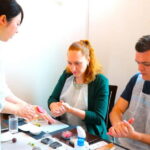
I especially love the setting and pacing. You start by taking in the antique tableware, then you get to work at your own station, making sweets that feel like colorful clay art. I also like that the experience includes Japanese tea with matcha, served after your confection, so the flavors land in the right order.
One thing to consider: this is run by an artisan host, so English support may be limited. If you need lots of detailed explanations in your own language, plan to rely on demonstrations, simple questions, and the visual process.
In This Review
- Key things to know before you go
- Yanaka’s century-old antique store makes this class feel real
- Nerikiri wagashi: mochi flour dough that you shape like art
- Making four seasonal sweets styles (and why “seasonal” isn’t just marketing)
- The tea room experience: chair seating, confection first, matcha after
- How the session usually flows in 1 hour 40 minutes
- Price and what you’re really paying for at $55.38
- Language, personality, and your best strategy for a great time
- Who should book this Wagashi and tea experience (and who might not)
- Should you book this tea ceremony and Nerikiri mochi wagashi class?
- FAQ
- How long does the experience last?
- Do I need to bring anything with me?
- What do I make and what’s included in the tasting?
- What is the minimum age to participate?
- How big is the group?
- Can I get a refund if I cancel?
Key things to know before you go
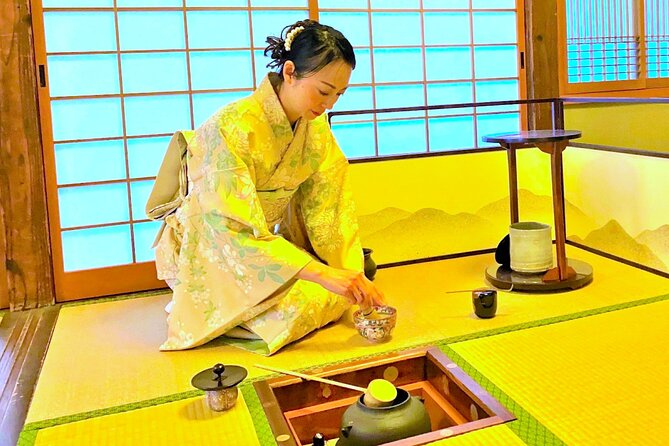
- Yanaka antique-store atmosphere: you work in a century-old shop with antique tableware rather than a plain room
- Nerikiri (mochi-flour wagashi): shaping the dough is hands-on and straightforward, like molding clay
- Four seasonal sweets styles: you learn multiple techniques in one session instead of just one finished item
- Tea + sweet tasting included: you eat your own wagashi in a dedicated tea room, plus you get a matcha serving
- Small group size: up to 5 participants, so you get real attention while you shape
- Short freshness window: the sweets have no artificial additives and last only about 2 days refrigerated
Yanaka’s century-old antique store makes this class feel real
Tokyo can be scripted. You hit the highlights, you snap photos, you move on. This workshop slows you down and gives you a craft space that feels like it belongs to someone’s daily life, not a staged show.
The meeting point is in Yanaka, in Taito City (6-chōme-2-40 Yanaka). When you arrive, you do not rush straight to the table. You’re encouraged to look at the antique tableware first, which is a small detail but a smart one. It tells you the class is about tradition and care, not just producing something sweet fast.
I also like that this setup is tied to authenticity. The experience is held in a century-old antique store, and it has even received attention from major media such as CNN. That doesn’t automatically make it better, but it usually signals that the venue and host are doing something distinctive.
You should expect a cozy, lived-in atmosphere. In reviews from past sessions, people describe being seated right away at candy-making stations and feeling welcomed as soon as they walked in. That kind of start matters in craft classes, because it lowers the intimidation factor.
You can also read our reviews of more tours and experiences in Tokyo.

Nerikiri wagashi: mochi flour dough that you shape like art
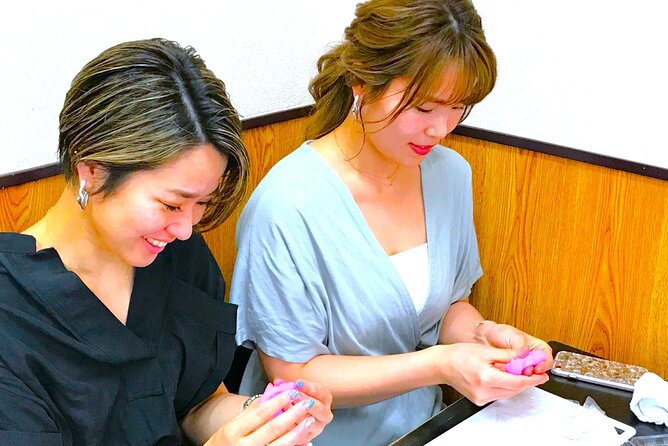
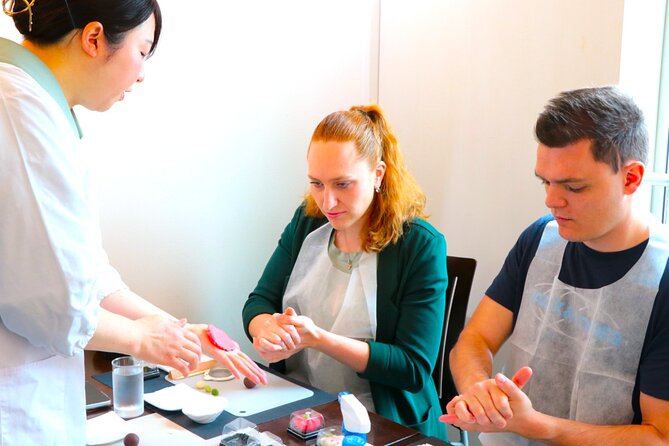
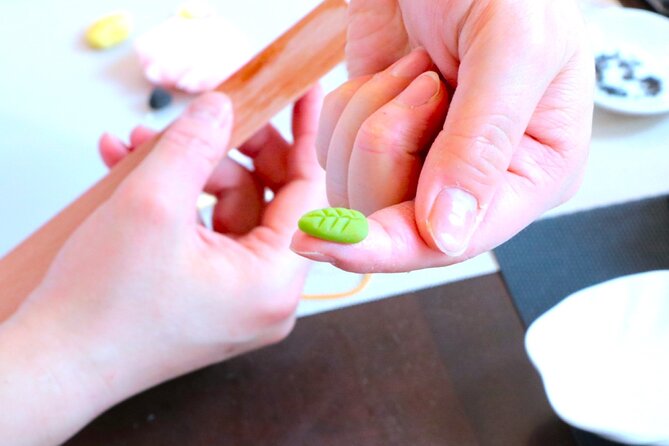
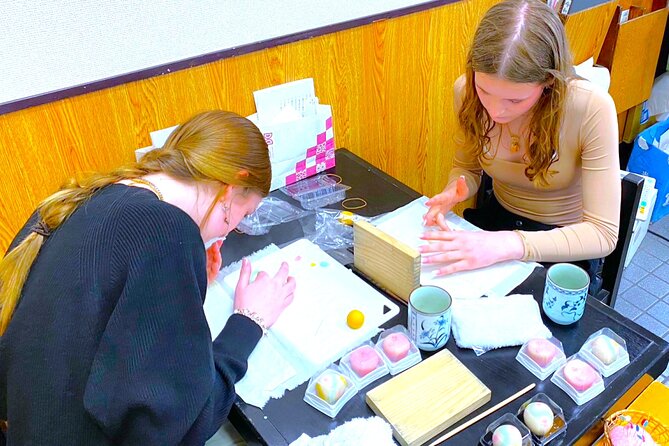
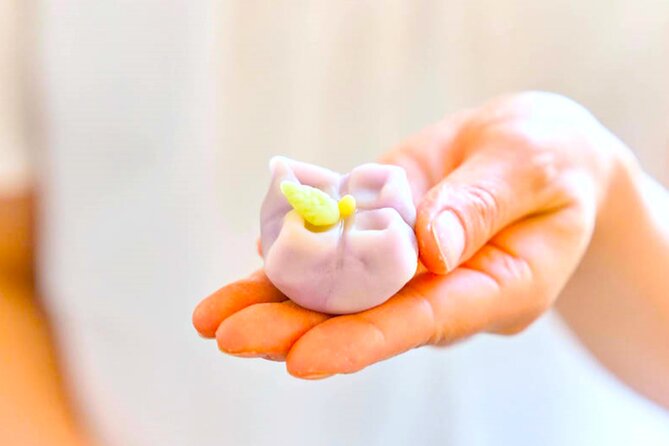
The main wagashi you learn is called Nerikiri. The dough’s core ingredient is mochi flour, and the technique focuses on forming pieces of colored material into a final figure.
This part is surprisingly fun. Even if you are not crafty at home, the process is handled step by step. Think of it like sculpting with sweet dough: you mix, portion, shape, and assemble until your figure looks right. Reviews mention it feeling like working with colorful clay, which matches what you’re likely to experience.
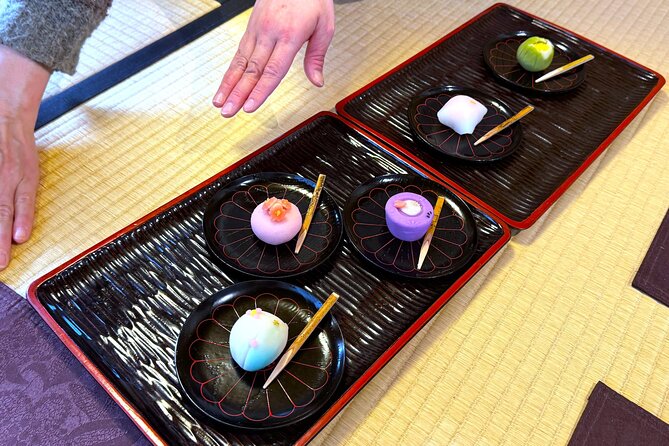
From one session, people reported making shapes like a fan and a flower, both using red and white bean paste themes. In another class, people made designs such as a plum and a hydrangea. Those are useful examples because they show the workshop is not stuck making one generic shape every day.
Here’s what to watch for as you mold. The finished look comes from proportion and alignment—getting the edges smooth, keeping the pieces where they belong, and aiming for the intended silhouette. The chef keeps the pace moving, but you still get enough time to correct small issues before everything is finalized.
Also, you do not need to bring tools or ingredients. The class includes what you need, which is a big win in Tokyo. Less packing, fewer worries, more time enjoying the craft.
Making four seasonal sweets styles (and why “seasonal” isn’t just marketing)
A major promise here is variety: you learn four different styles of sweets inspired by the season. That matters because wagashi is not just about sugar. It’s about seasonal expression—using shape, color, and theme to reflect the time of year.
In past sessions, people mentioned spring themes such as sakura, and other floral or nature motifs like hydrangea and plum. Even if your exact designs differ, the structure should feel the same: you’ll build multiple items using Nerikiri-forming techniques.
Why you should care: learning multiple styles in one go makes you understand the art. If you only make one wagashi, you might leave impressed but still confused about how the craft system works. Here, the repetition across four styles helps you grasp patterns—how different figures are assembled, how colors are handled, and how the chef teaches the logic behind the shapes.
Practical tip: lean into questions early. Since the host is an artisan (not a big scripted “tour operator”), the explanations may be concise. You’ll get the most out of the class by asking for help when you feel unsure, rather than waiting until later.
And yes, the sweets can look too beautiful to eat. That’s normal for Nerikiri. The texture is part of the appeal, and the craft is meant to be appreciated visually first. The good news is you do get a chance to taste—more on that in a minute.
The tea room experience: chair seating, confection first, matcha after
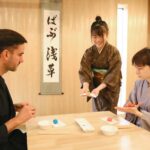
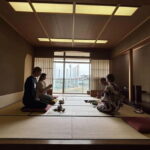
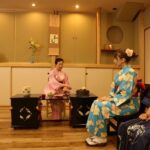
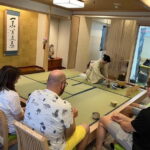
After shaping, the class moves from workshop mode to tasting mode. You’ll head to a dedicated tea room designed for the experience of sitting. Instead of floor seating that can be intimidating, this room is set up around chair seating, which is a considerate choice for many people.
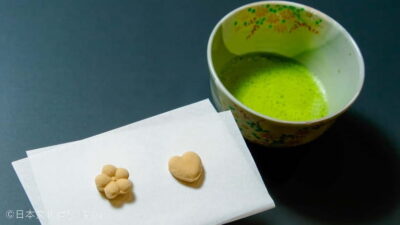
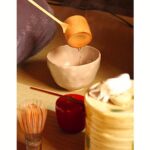
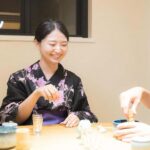
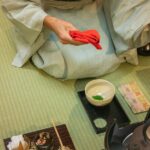
The tea ceremony includes a clear flavor sequence. You’ll be served confection, then real matcha. The matcha is described as real and not sweet, which is exactly what you want after wagashi.
This order makes sense even if you are new to Japanese tea. Wagashi brings sweetness and a soft, refined bite. Then matcha comes in with bitterness and depth, and it cleans your palate so the whole set feels balanced rather than heavy.
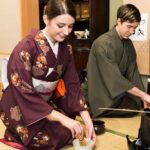
In reviews, people talk about laughing and having fun with the teacher, and that matters here too. A tea ceremony can feel overly formal if the guide is distant. In this class, the tone is warm and human, and that keeps you present with the process instead of just watching from the sidelines.
You’ll also eat your own wagashi as part of the ceremony. That’s a strong value point because it turns the “I made this” feeling into something tangible. You get the satisfaction of craft plus the payoff of flavor.
How the session usually flows in 1 hour 40 minutes
The total duration is about 1 hour 40 minutes. That includes both the wagashi forming and the tea ceremony/tasting portion. Since everything is in one compact plan—store workshop, then tea room—you’re not spending your day traveling across Tokyo neighborhoods.
Group size is capped at 5 participants. That small number changes the experience. It keeps the workshop from feeling chaotic, and it also means the host can check your progress as you work.
This is one reason people consistently rate the class highly. You get the welcome moment, you sit down at your station, you make your sweets, and then you end with tasting and tea. It’s clean and efficient.
You should also know the workshop wraps on schedule. If you arrive late, the experience may end as originally scheduled. So aim to get there with enough time to look around the antique tableware and settle in.
On the logistics side: you’ll receive a mobile ticket, and confirmation is handled within about 48 hours of booking when available. The location is also near public transportation, which helps because your only job is to arrive ready to work with your hands.


Price and what you’re really paying for at $55.38
The price is $55.38 per person, which is not “cheap,” but it is easier to justify when you look at what’s included.
You are paying for:
- instruction from a Wagashi chef/chef-led artisan teaching Nerikiri forming
- tools and ingredients provided on-site
- crafting time across multiple styles (four styles)
- a sweet tasting component
- Japanese tea, including real matcha and the confection sequence
Craft classes often end up being overpriced when they only give you a generic craft activity. This one avoids that by bundling real tea culture with a specific wagashi technique, and by using an actual antique-store venue rather than a blank room.
Also, the sweets you make are not presented as mass-produced. The workshop emphasizes that the wagashi contains no artificial additives. That typically correlates with shorter shelf life and a fresher eating window—which leads to a key “value” reality check.
You can’t treat these like a long-lasting souvenir. The sweets are said to last only about 2 days if kept refrigerated. So plan to enjoy them quickly after the class, or eat them sooner rather than trying to transport them for days.
Language, personality, and your best strategy for a great time
One note matters: the host is a Japanese artisan, and Japanese real artisans may not speak English very well. That’s stated honestly, and it affects how you should approach the experience.
So your best strategy is simple:
- watch what the chef does
- copy the hand motions
- ask for help when you get stuck
- keep a light, patient tone
This class is still set up for participation even without advanced Japanese. Since you’ll be making sweets at a station and following visual demonstrations, you’re not relying purely on complex explanations.
Reviews even point to humor and a good mood. People described the class as comedic and fun, with laughter happening throughout. That’s not a guarantee for every day, but it is a positive signal: you’re not meant to feel like you’re in an exam.
Who should book this Wagashi and tea experience (and who might not)
I think this is a strong fit if you:
- want hands-on Japanese craft, not only sightseeing
- enjoy arts and crafts and want to learn a technique with real cultural meaning
- like tea culture and want matcha served properly with wagashi
- want a small-group experience where attention doesn’t vanish
You might want to skip it if:
- you want something that feels like a big, structured tour with lots of written info
- you are uncomfortable with a shorter, workshop-focused format (it’s 1 hour 40 minutes, and then you’re done)
- you expect a souvenir that will last many days without refrigeration
Also consider that the sweets can be too beautiful to eat, but the tasting is part of the point. If you’re hoping to bring everything home and forget about it, the short freshness window may make that frustrating.
Should you book this tea ceremony and Nerikiri mochi wagashi class?
If you want one memorable Tokyo day that feels intimate and traditional, this is an easy yes. The combination of Nerikiri crafting, four styles of seasonal sweets, and a tea ceremony with real matcha makes the experience feel complete. The century-old antique-store setting is not just decoration—it shapes the mood so you slow down and treat the craft with respect.
Book it if you can handle a workshop where English may not be perfect. You’ll still succeed because the process is visual and hands-on, and the small group size keeps you from getting lost.
I would hold off if your priority is maximizing sightseeing time or if you need a souvenir that lasts. Here, the value is in making and eating it within the right freshness window.
FAQ
How long does the experience last?
It runs for about 1 hour 40 minutes.
Do I need to bring anything with me?
No. Tools and ingredients are included, so you don’t need to bring anything.
What do I make and what’s included in the tasting?
You’ll learn how to make Nerikiri (a mochi-flour wagashi) and make four different styles inspired by the season. A sweet tasting and Japanese tea are included, and you’ll have a tea ceremony in a dedicated tea room.
What is the minimum age to participate?
Participants must be at least 13 years old, and anyone under 18 must be accompanied by an adult.
How big is the group?
The experience has a maximum group size of 5 participants.
Can I get a refund if I cancel?
No. The experience is non-refundable and cannot be changed for any reason.