REVIEW · TOKYO
Tokyo: Two Types of Japanese Sweets Making and Tea Ceremony
Book on GetYourGuide →Operated by 日本文化体験 庵an東京 AN TOKYO · Bookable on GetYourGuide
The smell of sweet tea stops you in your tracks. This hands-on Tokyo class mixes Ohigashi (dried Japanese sweets) with two Nerikiri shaped from seasonal bean paste, then finishes with grinding and serving matcha. I like that the ingredients have real pedigree, including Kyoto bean paste from long-established shops, and that the instructor makes an effort with English explanations. One possible drawback: the Nerikiri portion does take some steady hands, so if you hate anything fiddly, you might find that part a bit challenging.
If you want a tea experience that feels structured but not stiff, this is a good fit. The flow is timed (including breaks), and you get to eat and drink what you make instead of just watching. My main consideration is language: the class is run in Japanese, and English support is provided as much as possible, not as a full guarantee.
In This Review
- Key Things That Make This Class Worth Your Time
- A 125-Minute Taste Lesson in Ohigashi, Nerikiri, and Matcha
- Where You Meet at AN TOKYO and How the Class Flows
- Ohigashi with Wasanbon: The Dried Sweet You Shape First
- Nerikiri Two Ways: Flower Shaping and Kinton Nerikiri
- Matcha Grinding and the Casual Tea Ceremony That Actually Teaches
- What You’ll Eat and Drink, Plus How to Think About Texture
- Price and Value: Why $28 Can Be a Good Deal
- Who This Workshop Suits Best (and Who Might Struggle)
- Quick Practical Tips Before You Go
- Should You Book This Tokyo Sweets and Matcha Workshop?
- FAQ
- How long is the experience?
- What sweets will I make?
- Do I make matcha myself?
- What ingredients are used?
- Is the class taught in English?
- Where do I meet?
- Are there extra charges during the class?
- FAQ
- Is there free cancellation?
- Can I reserve and pay later?
Key Things That Make This Class Worth Your Time
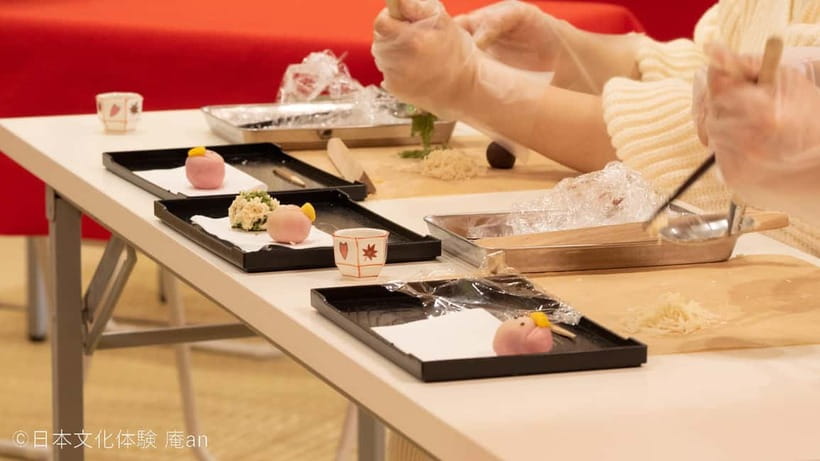
- Ohigashi first: you learn the dried-sweet approach using traditional Wasanbon sugar.
- Two seasonal Nerikiri: you make a pair of sweets for the season, not generic ones.
- Kyoto bean paste, long-established shops: you’re working with ingredients that aim for consistency.
- Single-origin special matcha: you grind it and serve it, so you taste the difference yourself.
- A tea ceremony you can actually do: the matcha process is taught step-by-step, then you enjoy it casually.
- Practical pacing: planned breaks and clear time windows mean you’re not rushed through the crafts.
A 125-Minute Taste Lesson in Ohigashi, Nerikiri, and Matcha
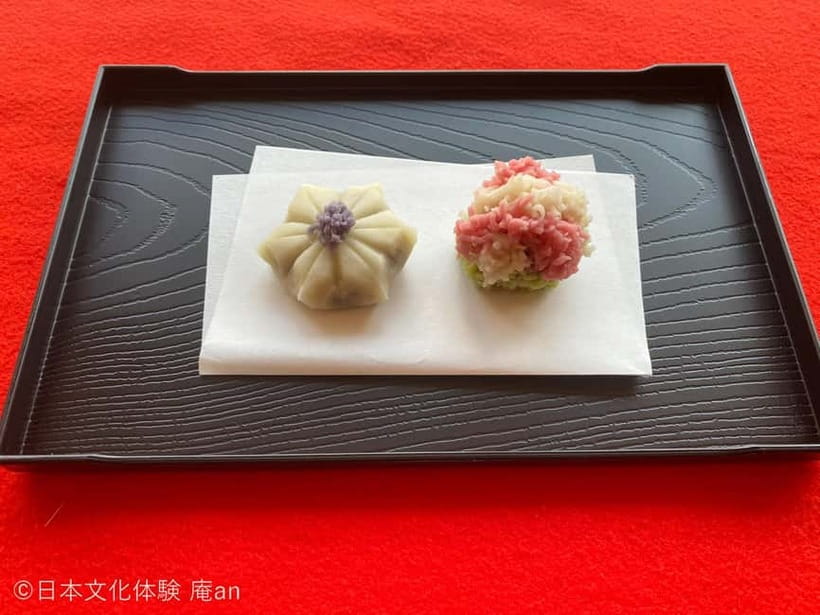
This is the kind of workshop that makes Japanese sweets click. You’re not just collecting photos. You’re learning why different sweets feel different in your mouth, and how matcha fits into the whole ritual.
The class is built around three hands-on parts: Ohigashi (a dried sweet), Nerikiri (a sculpted bean-paste sweet), and matcha tea service with a casual tea ceremony. The schedule is tight enough to feel efficient, but it’s still human-sized. You get breaks, you get instruction, and you get time to eat what you make.
If you like food experiences that are both cultural and practical, you’ll probably have a good time. You’ll also leave with a better sense of how Japanese sweets are organized by texture and technique, not just flavor.
You can also read our reviews of more tours and experiences in Tokyo.

Where You Meet at AN TOKYO and How the Class Flows
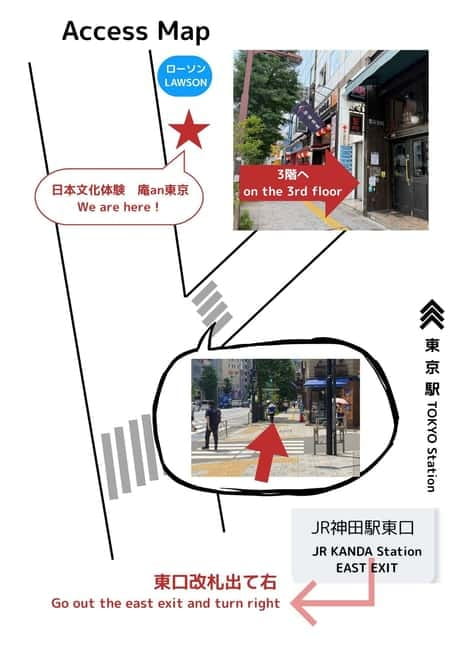
You meet at AN TOKYO Japanese Culture Experience. That matters because you’ll want to arrive a bit early so you’re not playing catch-up before the first explanations.
The experience runs for 125 minutes, and it operates between 10:00 and 17:00. If you book for later than 17:00, you’ll be processed the next day, so check your timing before you lock in.
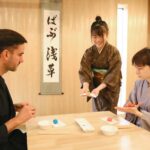
The class is led by a Japanese instructor, and English translation is provided as much as possible. In practice, that usually means you’ll get enough spoken guidance to follow along even if you don’t speak Japanese. Still, I’d come with the mindset of learning by doing, not “fluent-level” conversation.
One important rule: if you don’t participate in the experience, you won’t be allowed to enter. So if you’re going with someone who might hesitate, encourage them to jump in from the start, even if they feel nervous.
Ohigashi with Wasanbon: The Dried Sweet You Shape First
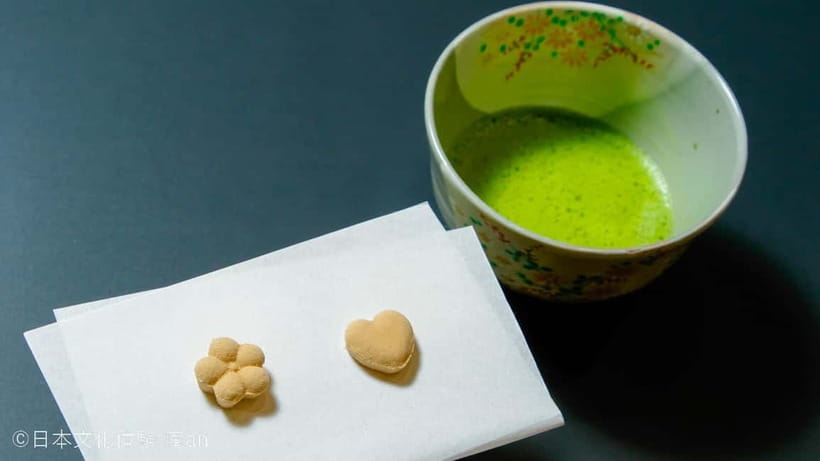
Ohigashi is the warm-up that teaches you the “dry sweetness” side of Japan. You’ll make a dried-type Japanese sweet (Ohigashi), and the key traditional ingredient here is Wasanbon, a classic Japanese sugar.
Why this part is smart for a first activity: Ohigashi tends to be more forgiving than the delicate shaping of Nerikiri. It gives you a foundation in how the sweetness behaves and how you handle the sweet base. You also get a quick introduction to what makes an Ohigashi different in texture, since you’re literally producing something that will be eaten and understood immediately.
In the workshop, there’s an early explanation about Japanese traditional sweets before you start forming. Then you move into the craft portion, with a break later. Plan to pay attention at the start. The way the instructor frames the sweets helps you understand the rest of the class, even when the language gets fast.
Nerikiri Two Ways: Flower Shaping and Kinton Nerikiri
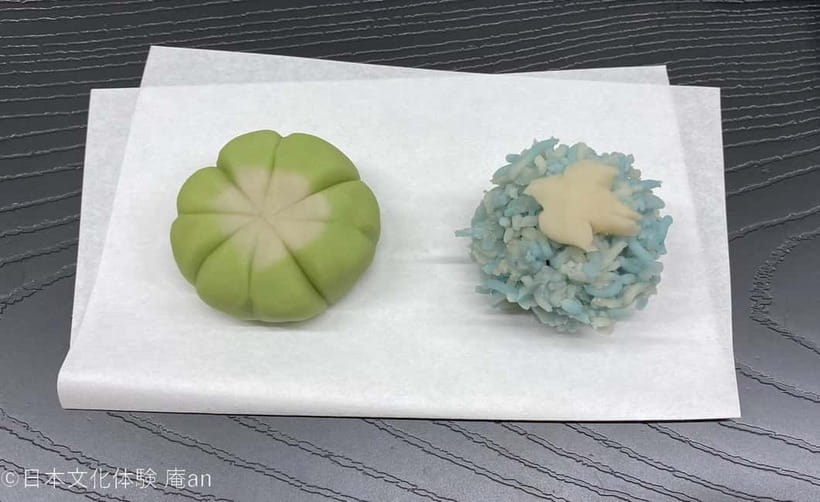
Then you shift to the part many people find the most fun, and sometimes the trickiest: Nerikiri.
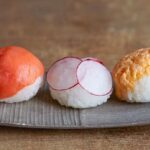
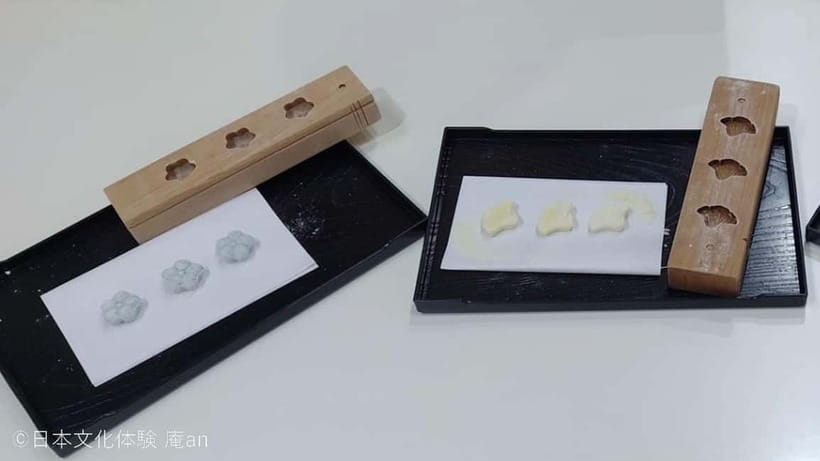
You’ll make two seasonal Nerikiri sweets using white/red bean paste. The paste in this class is described as coming from Kyoto’s long-established shops, which is a big deal in sweets where texture and consistency matter.
The workshop schedule includes flower-shaped Nerikiri making, and it also mentions Kinton Nerikiri. That matters because Kinton-style sweets are known for a slightly richer, more “comfort” feel in the finished confection. If you’re the type who cares about flavor nuance, this is where you’ll start tasting the differences between techniques and styles.
Here’s the realistic part: Nerikiri requires fine motor control. The sweet is workable, but it’s also sensitive to how you press, fold, and shape it. One reviewer-style takeaway you can treat as advice: expect that you might need a bit of patience. If it looks imperfect at first, don’t panic. The instructor’s job is to get you to a finished sweet you can enjoy.
After you make the sweets, there’s a break. That’s not a random gap. It helps you reset your hands and attention so you’re not trying to shape perfect details while tired.
Matcha Grinding and the Casual Tea Ceremony That Actually Teaches
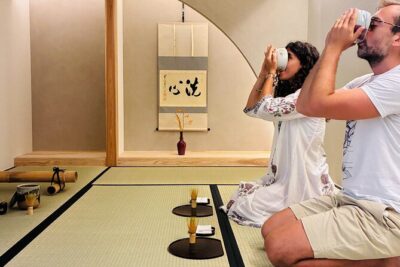
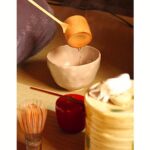
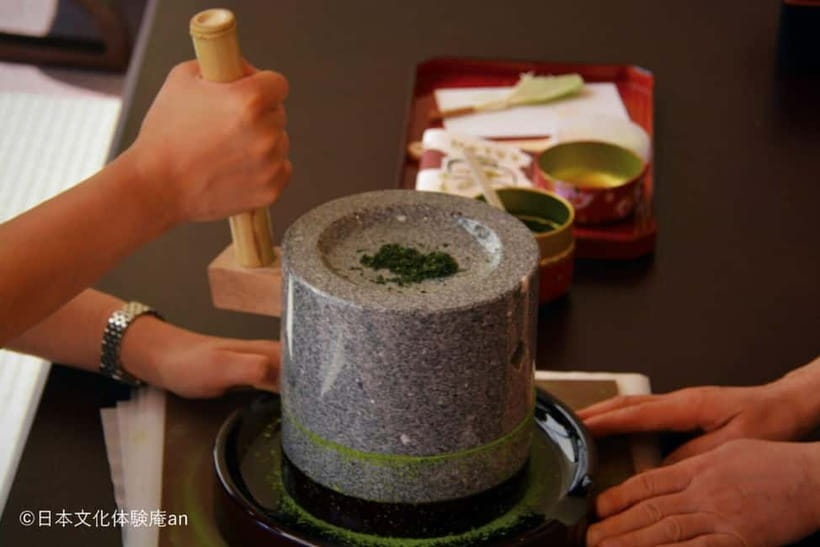
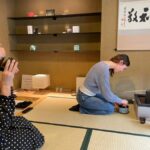
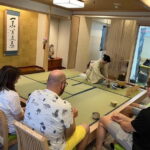
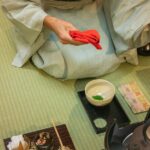
After the sweets, you’ll get the tea portion. There’s an explanation about tea, then you do a matcha grinding demonstration. This is where you stop treating matcha like a flavor and start treating it like a process.
The class uses single-origin special matcha. You should care about that if you’re even slightly matcha-curious. Single-origin matcha often brings a clearer character, because you’re not tasting a generic blend. Grinding and serving it yourself is the fastest way to notice how texture changes too, not just taste.
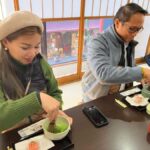
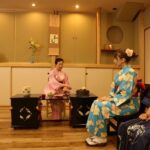
The tea ceremony part is described as casual and easy. You’re shown how to perform the tea steps, including the matcha preparation. One small practical reassurance from the experience: making the tea frothy or properly mixed is taught in a way that feels straightforward once you’re doing it, not just watching it.
Then there’s picture time near the end. In other words: you’re not rushed out right after you finish. You get to enjoy the moment, share the photos, and then settle into eating and drinking.
If you want a personal strategy, do this: take one sip early, before you let yourself overthink it. Matcha tastes change with temperature and foam, and you’ll get a better feel for the whole experience if you experience the tea in the same order you learn it.
What You’ll Eat and Drink, Plus How to Think About Texture
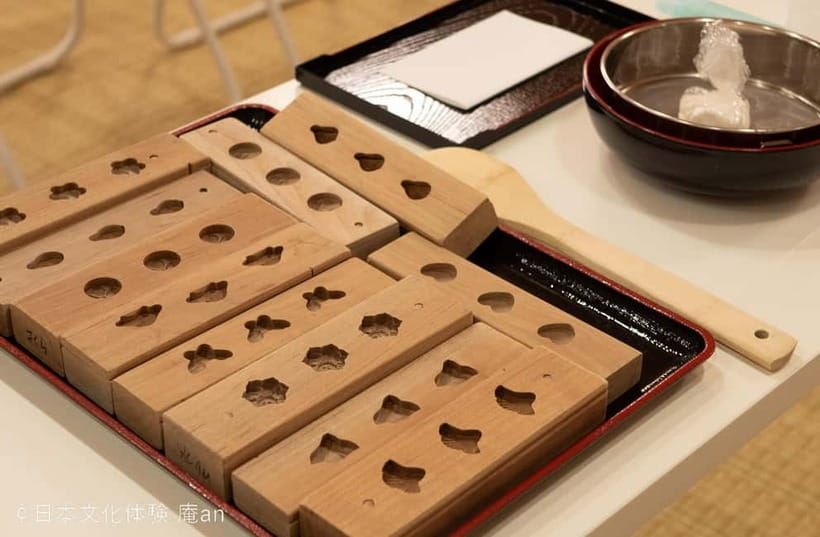
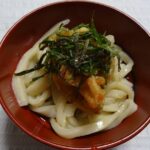
This class is built around you eating what you create. That’s a big part of the value. You can read about Wasanbon or nerikiri all day, but nothing replaces the “oh, that’s what dried sweetness tastes like” moment.
Here’s how to think about the textures as you go:
- Ohigashi is your dried-sweet contrast. Expect a firmer, more structural feel than the paste-based sweets.
- Nerikiri is the shaped bean-paste experience. The key joy is in how it holds form and how the paste tastes and melts.
- Matcha gives you the tea side of the balance. Matcha isn’t just a drink here. It’s part of the sweetness reset.
You’ll have time for eating and drinking around the end of the session, and room departure happens after that. Also keep in mind there’s an optional take-out box cost (100 JPY). If you want to bring sweets back, plan for that extra expense rather than assuming it’s included.
If you’re the type who gets overwhelmed by too many steps, simplify your approach: focus on one part at a time. Make the sweet, eat the sweet, then move on. You’ll retain more and enjoy more.
Price and Value: Why $28 Can Be a Good Deal
At $28 per person for about 125 minutes, this class is priced like a focused workshop. The value comes from what’s actually included, not just the headline.
You’re paying for:
- Making two types of Japanese sweets (Ohigashi plus two Nerikiri)
- A matcha grinding experience and tea ceremony
- Direct instruction and a full, timed program that leads you from sweets into tea
That’s a lot of “hands-on time” for one ticket. Where you should adjust your expectations is take-home extras. There are extra charges listed for:
- A sweets take-out box (100 JPY)
- Adding color (200 JPY)
- An experience completion certificate (300 JPY)
In plain terms: your base price covers the learning and the food/tea experience. Extras are optional, and the workshop won’t pretend they’re included.
If you like cooking classes where you can control the outcome and then eat it, this is good value. If you only want a quick tasting without making anything, you might feel like it’s too hands-on.
Who This Workshop Suits Best (and Who Might Struggle)
I’d recommend this class if you fall into any of these buckets:
- You want a seasonal sweets experience, not a one-size-fits-all lesson.
- You like tea culture but don’t want to feel lost in a strict formality.
- You enjoy practical classes where you get to make two items, not just one.
- You care about quality ingredients like Kyoto bean paste and single-origin matcha.
It may be less ideal if:
- You hate fine-detail crafts. Nerikiri shaping can be tricky.
- You’re expecting a full English-taught class. English support is provided as much as possible, but the instructor primarily speaks Japanese.
- You’re looking for something like a museum-style overview. This is skill-based and hands-on.
One more small note: children who sit on their parents’ laps are free of charge if they’re under 2 years old. If you’re traveling with a child, that’s useful to know as you plan your seating and timing.
Quick Practical Tips Before You Go
These are small, but they help you enjoy the experience instead of just surviving it.
- Wear sleeves you don’t mind getting a little sticky during sweets work.
- Expect Nerikiri to require patience. If the shape isn’t perfect at first, treat it like a normal learning curve.
- If you care about taking sweets home, remember the take-out box is an extra 100 JPY.
- If you want photos, keep your phone ready. Picture time happens near the end, around the 115-minute mark.
Also, the workshop is not designed to wait if you’re delayed. The event can’t be held to accommodate delays. That means you should build buffer time into your travel plans.
Should You Book This Tokyo Sweets and Matcha Workshop?
If you want one food-focused activity in Tokyo that teaches you something you can taste and remember, I’d book it. The mix of Ohigashi, two seasonal Nerikiri, and a hands-on matcha tea ceremony is a clean, complete arc. You’ll leave knowing what each technique is trying to do, not just what it tastes like.
I’d hesitate only if you strongly prefer non-hands-on activities, or if you’re traveling when you can’t reliably make a scheduled start time. Because it’s structured, being on time matters.
For most visitors, though, this hits a sweet spot: authentic techniques, quality ingredients like Kyoto bean paste and single-origin matcha, and a tea ceremony that feels accessible.
FAQ
How long is the experience?
The experience lasts 125 minutes.
What sweets will I make?
You’ll make Ohigashi (a dried-type Japanese sweet using Wasanbon sugar) and two seasonal Nerikiri sweets made with white/red bean paste.
Do I make matcha myself?
Yes. You’ll do a matcha grinding demonstration and then enjoy the tea-ceremony experience.
What ingredients are used?
The bean paste is produced by Kyoto’s long-established shops, and the matcha is described as single-origin special matcha. Ohigashi uses Wasanbon sugar.
Is the class taught in English?
The instructor speaks Japanese, and English translation is provided as much as possible.
Where do I meet?
You meet at AN TOKYO Japanese Culture Experience.
Are there extra charges during the class?
Yes. A sweets take-out box is 100 JPY, adding color is 200 JPY, and an experience completion certificate costs 300 JPY.
FAQ
Is there free cancellation?
Yes. You can cancel up to 24 hours in advance for a full refund.
Can I reserve and pay later?
Yes. The listing offers reserve now & pay later so you can book without paying today.