REVIEW · TOKYO
Kimono and Tea Ceremony in Asakusa Private Food Tour With Guide
Book on Viator →Operated by japan local and fun experiences · Bookable on Viator
A kimono makes Asakusa feel like a movie set. This half-day private-style tour blends tea ceremony tradition with a food stop circuit, all while you’re dressed in a real kimono set with obi and wooden sandals.
I like that it keeps things intimate, with a group capped at just eight people. I also love the way you get both culture and comfort food in one smooth run, including the tea ceremony plus treats like ice cream and local desserts.
One consideration: wooden sandals and a fitted kimono aren’t made for long, fast walking. If you’re used to sneakers all day, plan for slower steps and take the fitting and moving time seriously.
In This Review
- Key Highlights That Make This Asakusa Tour Worth It
- Kimono First, Then Asakusa: Why This Order Works
- The Dressing Room Is Part of the Experience (Not Just a Pre-Show)
- Tea Ceremony in a Real Setting: What You Get Beyond the Photos
- Senso-ji Temple: Tokyo’s Old Spine and Your First Big Photo Moment
- Nakamise Shopping Street: Snacks as Culture (Not Just Souvenirs)
- Kaminarimon Gate: The Walk-Through Moment You’ll Remember
- Food Value: A5 Wagyu, Ice Cream, and the Stuff That Makes It a Meal
- Your Guide Matters: The Adam Factor
- Timing and Flow: A 4-Hour Half-Day That Leaves Room to Roam
- What to Wear and Bring: Simple Rules That Save You Stress
- Price, Group Size, and Booking Reality
- Should You Book This Asakusa Kimono and Tea Ceremony Food Tour?
- FAQ
- FAQ
- How long is the Kimono and Tea Ceremony in Asakusa tour?
- What time does the tour start?
- What is the group size?
- What’s included in the price?
- Is hotel pickup or drop-off included?
- Is alcohol included?
Key Highlights That Make This Asakusa Tour Worth It
- Small group size (max 8) keeps the vibe personal and questions easy
- Kimono styling with obi + wooden sandals helps you look right for the tea ceremony
- Tea ceremony experience plus multiple snack breaks, not just one moment
- Food inclusions include soft drinks, A5 wagyu beef, ice cream, and local desserts
- Flexibility from the guide means the pace can adjust to your preferences
Kimono First, Then Asakusa: Why This Order Works
Asakusa is one of Tokyo’s best places to do the kimono thing, because the streets around Senso-ji are built for wandering. What makes this tour smart is the order: you get dressed first, so you step out already in the right look for the whole day’s walking and photos.
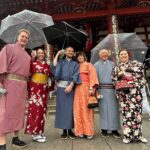
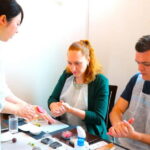
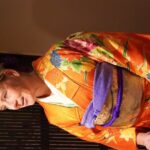
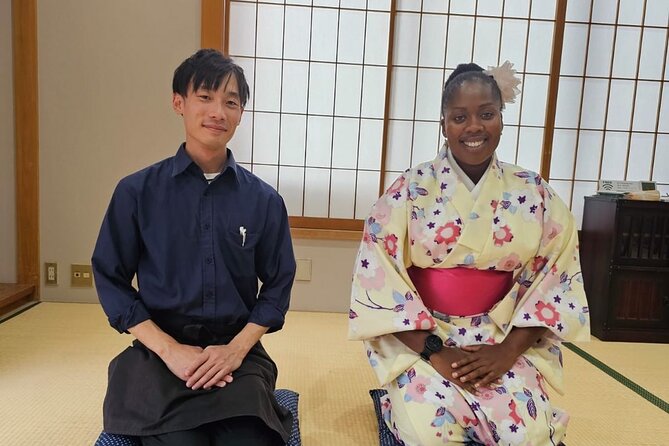
You start at the Asakusa Culture Tourist Information Center near Kaminarimon. Then you’re guided through dressing in a choice of traditional or modern kimono, complete with the sash belt (obi). You’ll also get wooden sandals, which are part of the look and part of the challenge, because they feel different underfoot compared with modern shoes.
This is also the moment where the tour’s tone becomes clear: it’s not just about shopping and sightseeing. It’s about participating. In a Japanese tea ceremony, showing up properly dressed is half the respect, and this tour nudges you into that mindset right away.
You can also read our reviews of more tours and experiences in Tokyo.
The Dressing Room Is Part of the Experience (Not Just a Pre-Show)
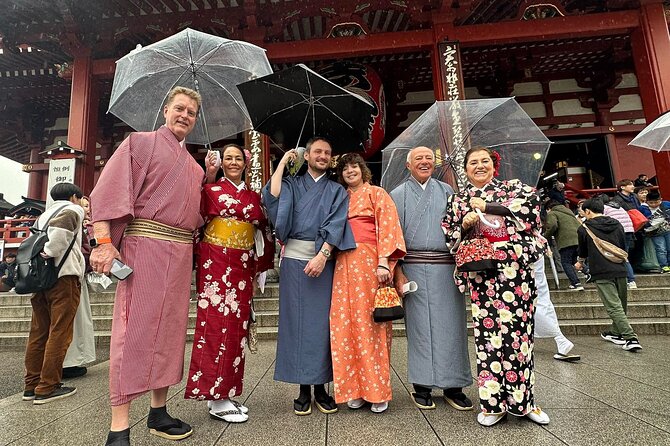
I like that the kimono portion isn’t treated like a quick costume change. You get help getting dressed correctly, and that matters because an obi that’s too loose (or too tight) turns your entire afternoon into an uncomfortable puzzle.
You should also know there are upgrades if you want them. Hairstyling or overnight kimono rental are available for an extra cost, so you can decide how polished you want your look to be beyond the standard dressing. If you’re taking photos for family or socials, this is the kind of add-on that can make a difference.
Practical tip: if you’re the type who hates tight clothing, tell your guide during the dressing phase. A good fit makes the difference between an enjoyable walk and you spending your whole time thinking about your waistband.
Tea Ceremony in a Real Setting: What You Get Beyond the Photos
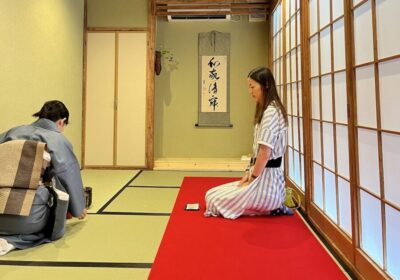
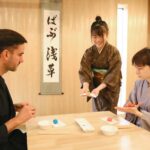
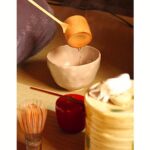
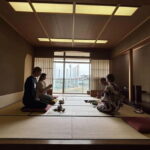
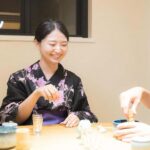
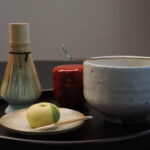
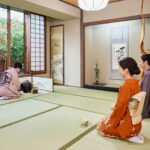
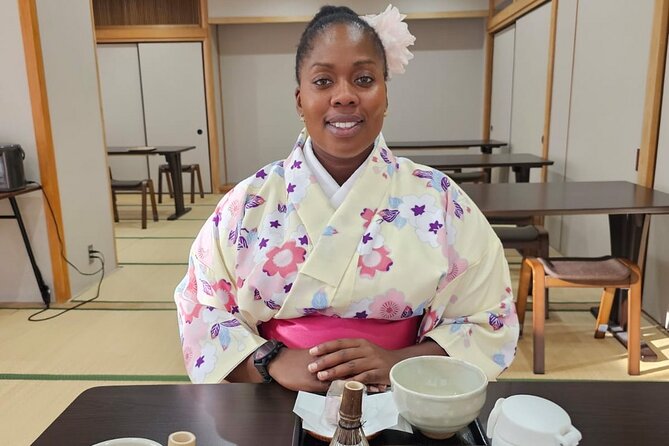
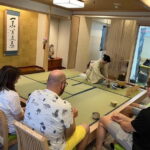
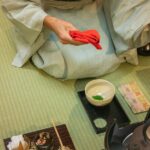
The main cultural moment is the tea ceremony, and you’re doing it as a part of the flow, not as a sudden random stop. You’ll already be dressed for it, so you’re not arriving feeling underdressed or self-conscious.
Also, the tour includes more than just tea. You get soft drinks and water, plus other Japanese treats. That matters because a tea ceremony can be relaxing, but it can also be a bit slow. Snack support keeps the afternoon feeling balanced, so you don’t end up hungry before the next food stop.
From the guide-style side, I love that your questions and curiosity have room to breathe. One of the biggest repeat praises here is the guide’s storytelling and small details, including what everyday life is like in Japan. That turns the tea ceremony from a scripted performance into something you can actually understand.
Senso-ji Temple: Tokyo’s Old Spine and Your First Big Photo Moment
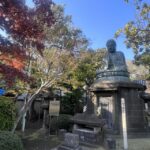
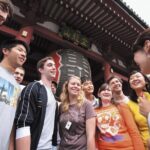
Your day connects to Senso-ji, Tokyo’s oldest temple, with a stop built around the main approach area. This is where you’ll feel the “Tokyo + tradition” blend instantly, because Asakusa is busy even when it’s historic.
In practical terms, an hour gives you time to orient yourself, take photos, and read the space without rushing. You’re not stuck doing a 20-minute stamp-and-go. Instead, you can slow down and notice things: how people move through the area, how the crowd flows toward the temple grounds, and how the streets around you feel more like a neighborhood than a single monument.
Potential drawback: it’s still a temple area in the middle of a major city. So if you hate crowds, go in with patience. The kimono can make you stand out in a good way, but it also means you’ll often be moving with more people close by.
Nakamise Shopping Street: Snacks as Culture (Not Just Souvenirs)
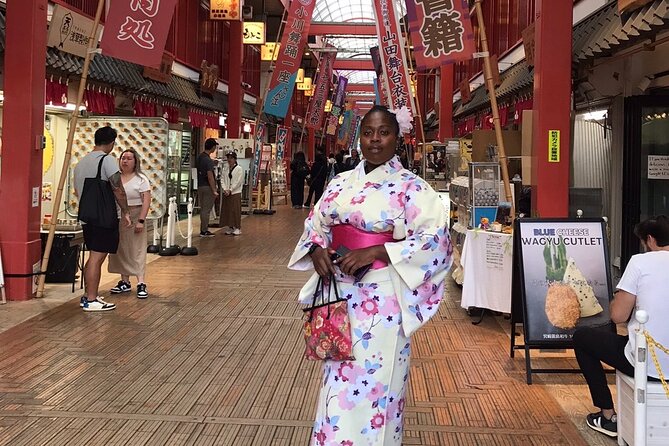
Next comes Nakamise Shopping Street, the famous 250-meter approach lined with shops selling souvenirs plus snacks and sweets. This stop is long enough—about two hours—that you can actually do it properly: browse, taste, and compare without feeling like you’re constantly backtracking.
Here’s why Nakamise works well for this particular tour: it’s not only visual. It’s food-forward. The experience includes ice cream and local desserts, and that pairs nicely with Nakamise’s natural strengths. You’re walking in an area designed for stopping, nibbling, and checking things off your cravings list.
If you’re picky about sweetness, you can still have fun here. Choose one or two items you truly want, and treat the rest as browsing. And if you’re wearing a kimono, you may notice some shops feel more comfortable with your “costume-as-culture” vibe, since you’re dressed for the moment.
Kaminarimon Gate: The Walk-Through Moment You’ll Remember
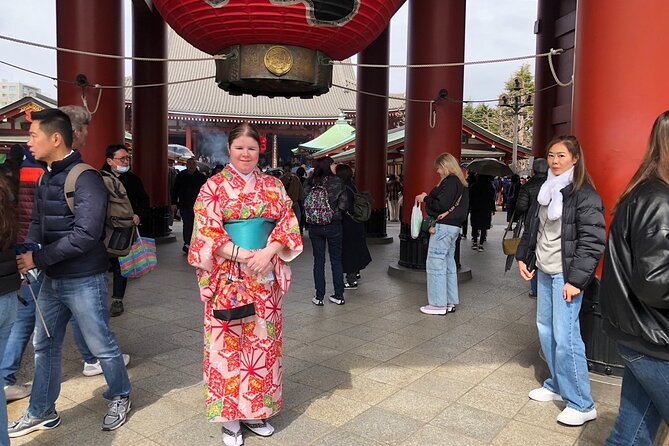
You’ll also spend time around Kaminarimon, the outer of the two large entrance gates to Sensō-ji. It’s the kind of landmark that looks like a postcard the second you see it, and it’s also the kind of place where your kimono makes the photos feel more grounded.
This is where the tour’s photo logic pays off. By the time you reach Kaminarimon, you’ve already done the dressing and the first temple viewing. So you’re not trying to find a great angle while also adjusting your obi. Your outfit is already set, and your hands are free for pictures.
One small consideration: with wooden sandals, you’ll want to keep your footing in mind around uneven pavement and crowded edges. Not dangerous, just something you’ll notice. If you can walk carefully in sandals at home, you’ll be fine here.
Food Value: A5 Wagyu, Ice Cream, and the Stuff That Makes It a Meal
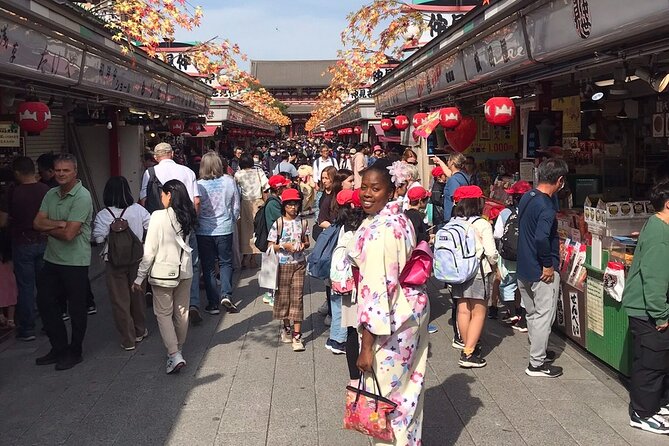
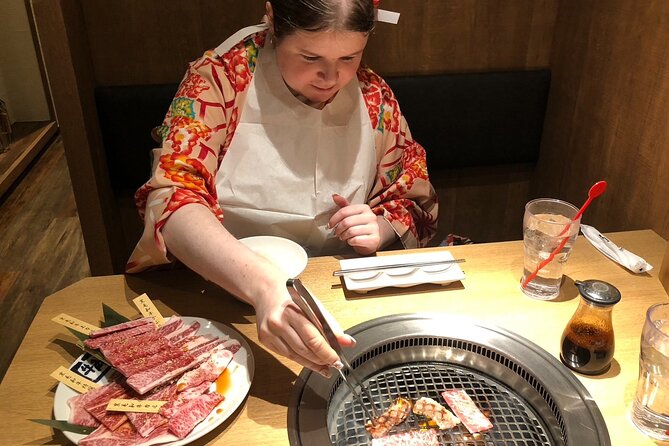
Many “culture tours” include a snack or two. This one leans into meals as part of the story. The included food list is a big part of the pricing logic: A5 wagyu beef experience, plus ice cream, local desserts, and drinks (including soft drinks and water).
Let’s talk value for a second. At $290 per person for about four hours, you’re paying for three things at once:
1) a guided walk in a tight area,
2) the kimono experience and styling support,
3) multiple included eats, not just one tasting.
The A5 wagyu piece is especially important. Even if you already like Japanese food, getting that type of beef experience folded into a guided cultural day can feel like more than the sum of its parts—because it reduces guesswork about where to go and what to order.
Also, this tour makes space for the sweet side of Asakusa. Ice cream and local desserts aren’t filler. They’re part of how you experience the shopping street at human speed, rather than treating it like a museum hallway.
Your Guide Matters: The Adam Factor
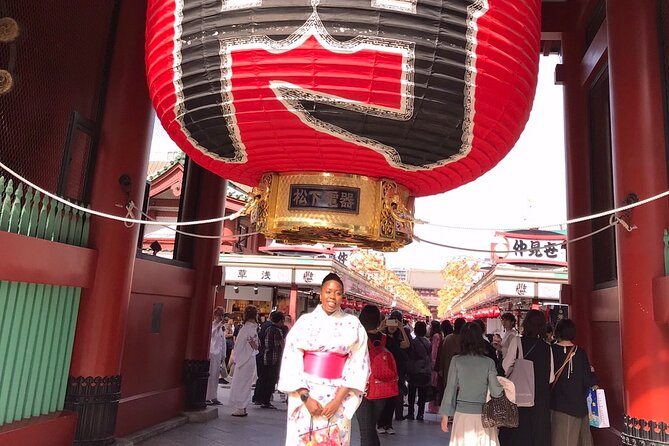
A big reason this tour earns top marks is the guide energy. One guide name that shows up strongly is Adam, praised for being both fun and informative, with lots of small facts and background about living in Japan.
That style matters because Asakusa can feel like a blur if you’re only following your camera. A guide who explains the why behind the what helps you connect the dots: why certain items are sold where they are, how traditional rituals fit into modern Tokyo life, and what to notice while you walk.
Flexibility is another plus. In at least one case, the guide adjusted plans so more time could go toward other interests (like skipping something such as an onsen stop). That’s a good sign for you if your brain works in preferences rather than checklists.
Timing and Flow: A 4-Hour Half-Day That Leaves Room to Roam
This is a half-day tour, about 4 hours starting at 11:00am. The payoff is that you’re not locked into the whole day. You’ll finish back at the meeting point, and you’ll have the rest of the afternoon to keep exploring Tokyo on your own terms.
That matters because Asakusa is only part of the Tokyo picture. After you get your culture fix, you might want to pivot to something else—more wandering nearby, a different neighborhood, or just a long sit-down meal. With this tour, you’re not paying for a full-day schedule that might fight your plans.
Also, since it ends at the meeting point, you’re free to continue from there without needing hotel drop-off.
What to Wear and Bring: Simple Rules That Save You Stress
If you’ve ever seen someone in Asakusa wearing jeans and sneakers, you know the vibe mismatch. This tour specifically calls out that you should dress the part—because the tea ceremony and kimono experience go together, and you’ll feel it in how you’re treated and how comfortable you are.
Here’s what to plan around:
- You’ll be in kimono and wooden sandals for the core experience.
- You’ll want clothing that’s easy to change in and out of for the dressing step.
- Expect slower walking while you adjust to the sandals.
If you wear glasses, bring them and keep a small care routine. If you’re thinking about hair, decide whether you want the optional hairstyling add-on; it can reduce your need to manage your look during the walk.
Price, Group Size, and Booking Reality
Let’s be honest: $290 per person isn’t cheap for a half-day. But you’re not just buying a guided stroll. You’re buying kimono dressing help, tea ceremony participation, and a set of included foods and drinks.
The tour is also capped at eight people, and that’s one of the best quality signals you can ask for. With a smaller group, you don’t get pushed through. You get time for pictures and for the guide to explain things without shouting.
Demand can be high. It’s often booked about 67 days in advance on average, so if you’re traveling in a busy season, earlier planning helps.
Should You Book This Asakusa Kimono and Tea Ceremony Food Tour?
Book it if you want:
- a cultural experience that actually feeds you,
- a kimono day that doesn’t leave you struggling with fit and etiquette,
- a guide-led walk that helps you understand what you’re seeing, not just pass it by,
- and a small-group format that feels relaxed.
Skip it or rethink it if:
- you hate anything tight or uncomfortable on purpose,
- you want zero crowd interaction (Asakusa can be busy),
- or you’re only interested in shopping and don’t care about the tea ceremony or included food.
FAQ
FAQ
How long is the Kimono and Tea Ceremony in Asakusa tour?
The tour is about 4 hours.
What time does the tour start?
It starts at 11:00am.
What is the group size?
The tour has a maximum of 8 travelers.
What’s included in the price?
It includes the kimono experience, a tea ceremony experience, a culture walking tour, 2 soft drinks and water, an A5 wagyu beef experience, ice cream, and local desserts.
Is hotel pickup or drop-off included?
No, hotel pickup and drop-off are not included.
Is alcohol included?
Alcoholic drinks are not included, but alcohol may be available to purchase for guests who are 18 years old and above.