REVIEW · DHARAMSALA
Guided Day Tour to Bir – Monasteries,Temple & Tea Garden Visit
Book on Viator →Operated by Himachal Bylocals · Bookable on Viator
Bir is quieter than you expect.
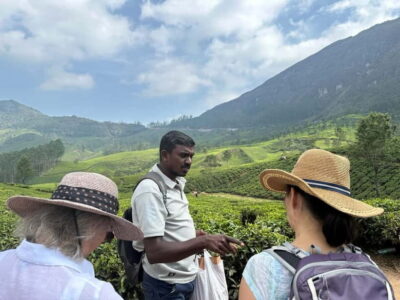
This guided day trip turns a trip to Bir into a full story of Tibetan Buddhism plus Hindu heritage, with mountain air and cultural stops packed into about six hours. I like that it’s practical: pickup from Dharamshala or McLeodganj, door-to-door hotel transfers, and a local English-speaking guide who explains what you’re seeing. I also love the way the day includes both calm places to sit and reflect and lively Bir scenes near the paragliding landing area. One drawback to plan for: it depends on good weather, and lunch isn’t included, so you’ll want to eat before you start or budget for a simple meal on your own.
You’ll feel the rhythm of Bir fast: monastery quiet in pine forests, a Shiva shrine that’s been standing for centuries, then a nunnery community that adds a real human dimension to the day. If you’re the type who likes meaning behind the photos, this route makes it easier.
In This Review
- Quick hits: what’s special about this Bir day trip
- Why Bir feels different from typical sightseeing days
- Getting to the start: pickup, drive time, and what “6 hours” really means
- Palpung Sherabling Monastery: pine forests, prayers, and a big spiritual complex
- Passing Bir’s paragliding landing site: the view shift that changes the tone
- Deer Park Institute: meditation and Buddhist learning, not just a scenic stop
- Baijnath Temple: an old Shiva shrine with Nagara-style architecture
- DGL Nunnery: ending with a community you can actually feel
- Guides and drivers matter more than you think
- Price and value: what $74 gets you (and what it doesn’t)
- What the day feels like: a good mix of sacred, quiet, and scenic
- Weather and timing: the one thing you can’t ignore
- Who should book this tour (and who might skip it)
- Practical tips to make your day smoother
- Should you book this Bir day tour?
- FAQ
- How long is the Bir monasteries, temple, and tea garden day tour?
- Where does pickup happen for this tour?
- What are the main stops on the tour?
- Is lunch included in the tour price?
- Are admission fees included?
- What happens if the weather is poor?
Quick hits: what’s special about this Bir day trip
- Palpung Sherabling Monastery in pine-forest surroundings, with a guide who brings the spiritual setting into focus
- Deer Park Institute as a Buddhist learning and meditation stop, not just a quick photo stop
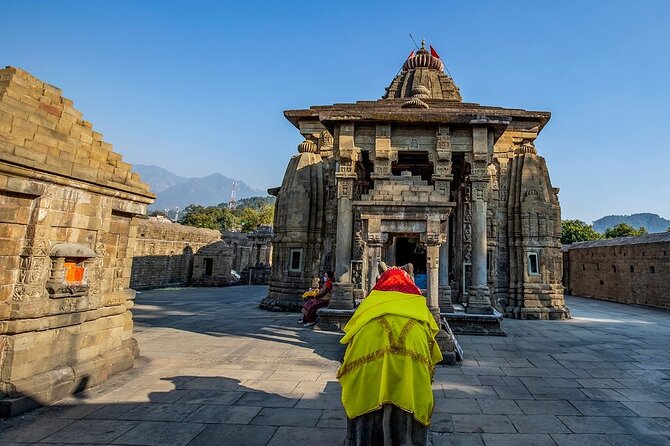
- Baijnath Temple and its Nagara-style architecture dedicated to Lord Shiva
- A pass by Bir’s paragliding landing site, with Dhauladhar mountain views in the background
- DGL Nunnery (Buddhist nuns) for a more personal, community-centered finish
Why Bir feels different from typical sightseeing days
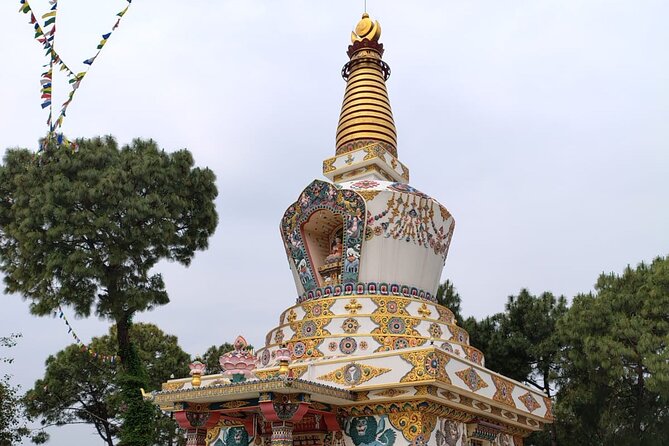
Bir in Himachal Pradesh has a different pace than many hill-town visits. Yes, you’ll see religious sites and scenic views, but what makes Bir work as a day trip is the mix. You get Tibetan Buddhist culture, an ancient Hindu shrine, and everyday Himalayan geography—pine forests, mountain backdrops, and the paragliding scene that puts Bir on the map.
This tour is designed for people who want more than check-the-box sightseeing. The key is the guide. A good local guide helps you understand why a monastery sits where it sits, what daily practice might look like, and how the sites connect across traditions. If you’ve ever stared at temple details wondering what they mean, you’ll get your bearings fast here.
The day is also timed well for a short visit. With pickup from your hotel and a full loop of stops, you’re not spending the whole day figuring out routes, entrances, or timing. That matters in this part of India, where roads can be twisty and schedules can shift.
You can also read our reviews of more tours and experiences in Dharamsala.
Getting to the start: pickup, drive time, and what “6 hours” really means
The tour runs about six hours (approx.), starting with pickup from a city hotel in Dharamshala or McLeodganj. That door-to-door start is a big value point. You avoid the stress of finding the right vehicle and the right departure point. You also travel in private transportation, which usually feels calmer than cramming into a shared van.
The route includes countryside driving, and the feeling from the day is that it’s about the journey as much as the stops. One reviewer noted the drive up through apple orchards and praised how the driver handled twisting roads. Even if you don’t spot orchards everywhere, expect road curves and plan to stay relaxed during the ride.
Practical tip: bring water and plan for sun and wind. Hill weather can shift quickly, and you’ll be walking in and out of places across the day.
Palpung Sherabling Monastery: pine forests, prayers, and a big spiritual complex
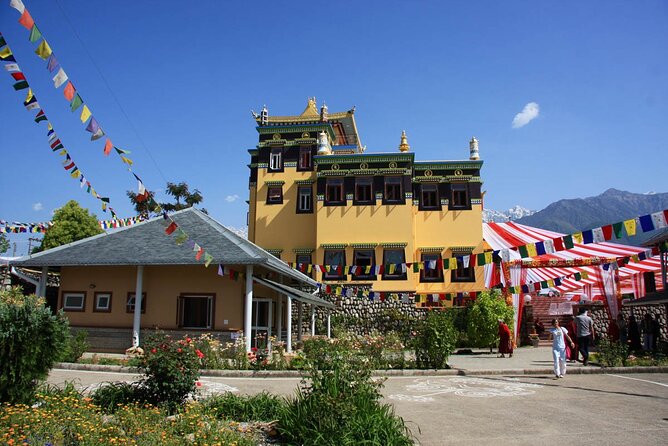
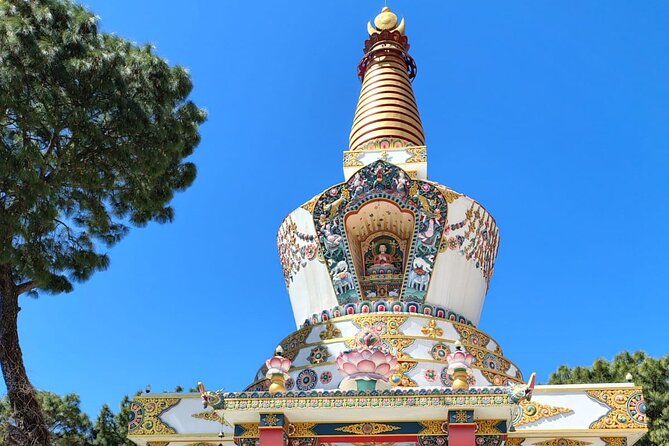
Your day begins at Palpung Sherabling Monastery, a major Tibetan Buddhist spiritual complex surrounded by pine forests. This is the kind of place where you can feel your mind slow down as soon as you arrive. The guide’s role here is important because monasteries like this aren’t just buildings. They’re living religious spaces shaped by practice, lineage, and local community life.
What I’d watch for during your visit:
- How the monastery grounds feel set apart from the road traffic and town noise
- The overall layout of a larger complex rather than a single shrine
- Any ritual or quiet moments you might notice as you walk through
Potential drawback: it can be a lot of walking across grounds. If you’re sensitive to uneven surfaces or steep paths, go slow and give yourself time to stop and look rather than rushing.
Passing Bir’s paragliding landing site: the view shift that changes the tone
Bir’s paragliding landing site is famous, and this tour doesn’t ignore it. You’ll pass by the landing area where you may see paragliders in the sky with the Dhauladhar mountains as the backdrop.
This is a great contrast to the monastery stops. Monastery time asks for stillness. The paragliding area brings energy and movement. Even if you’re not a paragliding person, it’s worth seeing how Bir turns the mountain into a living activity zone.
What to consider:
- If weather is cloudy or windy, the paragliding scene can be quieter
- It’s an open area, so wind chill can surprise you in the hills
If you’re a photo person, this is where you’ll likely want to take a few extra minutes. The mountain view framing can be excellent, and your timing depends on conditions.
Deer Park Institute: meditation and Buddhist learning, not just a scenic stop
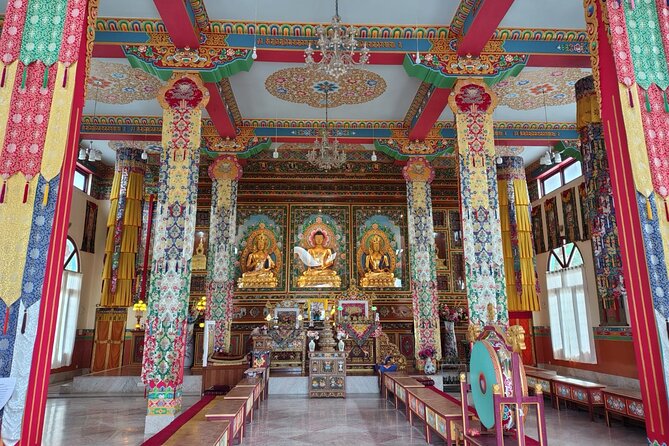
Next up is Deer Park Institute. It’s described as a center for Buddhist learning and meditation. That distinction matters. This isn’t only about walking around and snapping pictures. It’s about understanding a place that supports study and practice.
In a day like this, I like this stop because it balances the larger monastery complex earlier. Deer Park tends to feel more focused: calmer, more practice-oriented, and easier to mentally “land” after the drive and the paragliding-area excitement.
How to get the most out of it:
- Take a quiet moment and don’t treat it as a fast checkpoint
- Listen for what the guide explains about meditation and learning there
Potential drawback: if you’re someone who wants temples over teaching centers, you might feel it’s more contemplative and less visually dramatic. Still, the setting is the point.
Baijnath Temple: an old Shiva shrine with Nagara-style architecture
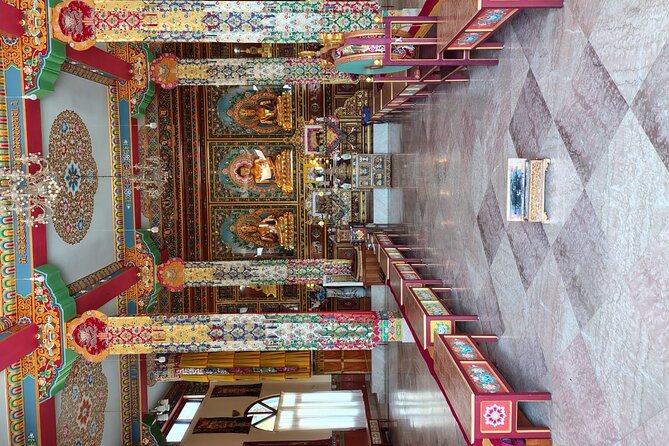
Then comes Baijnath Temple, an ancient shrine dedicated to Lord Shiva. The architecture is described as Nagara-style, and that’s the kind of detail your guide can translate into something understandable.
This is where you’ll see the Hindu heritage side of Bir’s story take center stage. Even if you’re familiar with Shiva worship in general, this temple’s age and architectural style help you see how older traditions live on in specific regional forms.
What to appreciate here:
- The temple as a long-lived religious site, not a modern attraction
- The Nagara-style design features (your guide can help you notice what to look for)
- The atmosphere around a working shrine rather than a purely tourist site
Potential drawback: temples can get busy around key times, and you may want to dress respectfully and keep your movement steady to avoid awkward crowd pressure.
DGL Nunnery: ending with a community you can actually feel
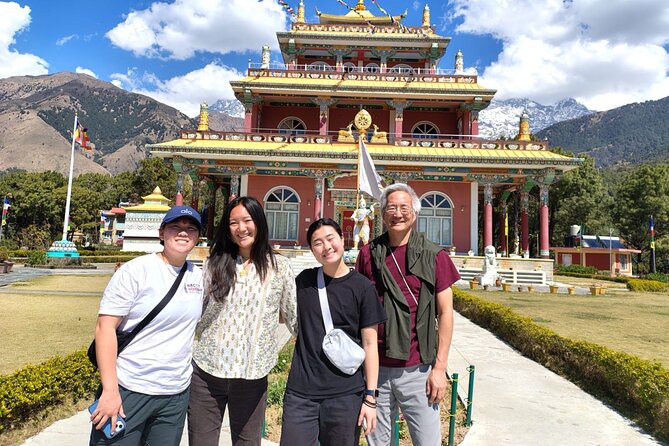
The day finishes at DGL Nunnery, home to a community of Buddhist nuns. This stop changes the mood again. Instead of focusing on architecture or open mountain views, it puts faces and daily community life into the story.
A nunnery visit often becomes more meaningful than people expect, because you’re not only looking at symbols. You’re seeing a living community shaped by devotion, discipline, and education.
What to be mindful of:
- Keep your voice low and movement respectful
- Follow any guidance from your guide on where to stand or how to observe
This is also a good place to ask your guide questions, because the day already gave you context from monasteries and learning centers. The nunnery ties those themes together in a more personal way.
Guides and drivers matter more than you think
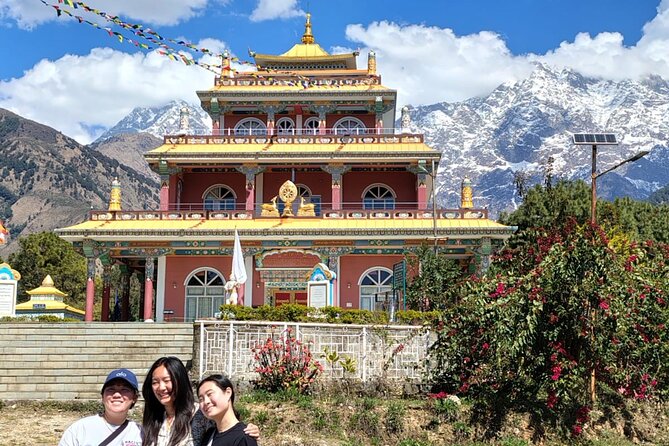
This tour includes a local English-speaking guide and private transportation. The quality of that guide can be the difference between seeing a site and understanding it.
From the experiences shared with this tour, I’d say the strongest compliments went to story telling and historical context. One guide named Onkar was praised for deep knowledge and passionate explanations. Another highlight involved Sanjay, the driver, with praise for his driving and handling of the roads.
You can’t control who you get, but you can choose this tour because it’s built around the guide value. The sites are impressive, but the explanations help you notice the details that make them click.
Price and value: what $74 gets you (and what it doesn’t)
At $74 per person for about six hours, the big value is what’s included. You get:
- Pickup and drop-off from your city hotel
- A local English-speaking guide
- Admission/monument fees as per the itinerary
- Private transportation
- All taxes
That’s a solid bundle for a day that otherwise could become expensive once you add taxis, guide time, and entry fees.
What’s not included:
- Lunch and dinner
- Guide tips and any personal expenses
So the real cost depends on how you handle meals. If you’re trying to keep your day budget tight, plan for snacks or a light lunch before you’re picked up, then eat later in Dharamshala or McLeodganj.
Also consider your own travel style. If you like structure and want someone else to manage timing, this price makes sense. If you prefer wandering solo with minimal guidance, you could do it cheaper. But you might lose the meaning that the guide brings to each stop.
What the day feels like: a good mix of sacred, quiet, and scenic
This route isn’t just a line of stops. It’s a rhythm:
1) A large monastery setting for spiritual grounding
2) A paragliding landing-area view change into energetic mountain life
3) A meditation and learning center for calm focus
4) A centuries-old Shiva shrine for Hindu heritage
5) A nunnery for community, devotion, and humanity
That mix is why the day works for different kinds of travelers. Culture-focused people get monasteries and temple architecture. Nature and views people get Dhauladhar backdrops near Bir. People who care about spirituality get practice-centered sites rather than only exterior sightseeing.
Weather and timing: the one thing you can’t ignore
This experience requires good weather. The day tour can be canceled due to poor conditions, and in that case you’ll be offered a different date or a full refund. That matters because Bir’s mountain views and open areas can look very different when the weather turns.
Also note: the experience is listed as non-refundable and cannot be changed for any reason. In real life, that’s the big decision point. You’ll want to book when your schedule has some flexibility—or at least when your weather window looks decent.
Who should book this tour (and who might skip it)
I think this tour is a good fit if:
- You want a structured cultural day without the hassle of planning routes
- You like religious sites with explanations, not just photo stops
- You’re curious about Tibetan Buddhism and Hindu heritage in the same day
- You want mountain scenery and paragliding-area views along with temples
You might consider skipping if:
- You strongly dislike walking on uneven temple/monastery grounds
- You want only one type of site (for example, only temples or only monasteries)
- You can’t handle weather uncertainty
Practical tips to make your day smoother
You’ll enjoy this day more if you plan for comfort and respect:
- Dress modestly for temples and religious spaces
- Bring a light layer for wind, especially around open areas
- Carry small cash for personal snacks since lunch and dinner aren’t included
- Wear shoes you trust on uneven paths
If you’re picky about meal timing, decide in advance whether you’ll snack mid-day or eat after returning to Dharamshala.
Should you book this Bir day tour?
If your goal is a meaningful, well-paced introduction to Bir’s spiritual and cultural side, I’d book it. The included guide, hotel pickup/drop-off, private transportation, and entry fees make it easier than DIY, and the route has real variety—monastery complex, Deer Park learning and meditation, Baijnath Temple for Lord Shiva, and the DGL Nunnery for community life.
I’d only hesitate if your plans are rigid or your weather window is uncertain. If you can handle a day trip that’s dependent on good conditions and you’re ready to walk a bit across religious sites, this is one of the better ways to experience Bir without turning your day into logistics.
FAQ
How long is the Bir monasteries, temple, and tea garden day tour?
It runs for about 6 hours (approx.).
Where does pickup happen for this tour?
Pickup is offered from your city hotel in Dharamshala or McLeodganj.
What are the main stops on the tour?
The tour includes Palpung Sherabling Monastery, Deer Park Institute, Baijnath Temple, and DGL Nunnery, with a pass by Bir’s paragliding landing site.
Is lunch included in the tour price?
No. Lunch and dinner are not included.
Are admission fees included?
Yes. Admission fees/monument fees as per the itinerary are included.
What happens if the weather is poor?
The experience requires good weather. If it’s canceled due to poor weather, you’ll be offered a different date or a full refund.