REVIEW · DHARAMSALA
Guided Tour to Palampur-Monasteries, Temple & Tea Gardens visit
Book on Viator →Operated by Himachal Bylocals · Bookable on Viator
Tea, temples, and quiet mountain stops. This Dharamsala-guided loop puts you in Palampur’s tea country fast, then mixes in Tibetan monastic visits and tea tastings without making you navigate steep roads on your own. The whole point is simple: you get a guided path through a few standout spiritual sites, a tea estate visit, and time to unwind at McLeodganj Market.
What I like most is how the day feels balanced. You’re not stuck only in temples, and you’re not only shopping. You also get a proper tea factory introduction with a tasting session, plus stops like Dorzong Monastic Institute that help you slow down and look beyond the view.
The main drawback to consider is timing. Each stop is relatively short, so if you want long worship time or you’re hoping for a deep, spend-the-day-in-one-place experience, you’ll feel the schedule.
In This Review
- Key things to know before you go
- From Dharamsala: why this route feels low-stress
- Palampur tea factory: the stop that makes the day worth it
- Chamunda Devi Temple: the spiritual Kangra stop in plain view
- Dorzong Monastic Institute: Buddha Dharma learning, not just a view
- Dongyu Gatsal Ling Nunnery: a quieter, focused stop
- The rest of the day: viewpoints, lakes, waterfall, then McLeodganj Market
- Price and value: what $46 really covers
- Who should book this (and who might not love it)
- Final verdict: should you book this Palampur tour?
- FAQ
- How long is the tour?
- Is hotel pickup and drop-off included?
- What’s included in the tea factory visit?
- Is Dongyu Gatsal Ling Nunnery entrance fee included?
- Are meals included in the price?
- What group size should I expect?
- Is the booking refundable if plans change?
Key things to know before you go
- Tea factory walk + tasting that can include around 20 types of tea
- Dharamsala pickup and drop-off with a private vehicle so you avoid mountain route stress
- Free entry at several key stops, including Chamunda Devi Temple and Dorzong Monastic Institute
- A mix of Hindu and Tibetan sites, from Chamunda Devi to the Drukpa Kagyu nunnery
- Small groups (up to 8 per booking, with a total cap of 15)
- McLeodganj Market time for Tibetan handcrafts and locally made souvenirs
From Dharamsala: why this route feels low-stress
This is built for travelers who have a limited window in Dharamsala. The total time runs about 5 to 6 hours, and it’s designed so you’re not wandering around unfamiliar mountain roads hoping you’re headed the right way. You meet your driver and guide at your hotel, then the car takes you toward Palampur, which is known as the tea capital of North India.
Group size also helps the vibe. You may be part of a small group (maximum 8 people per booking, and up to 15 overall). In practice, that means you’re less likely to feel like you’re herded from one photo spot to the next. You still move along a schedule, but there’s room to ask questions and step back for a better look.
One more smart touch: bottled water is included, and the tour runs in all weather conditions. That matters in the hills, where conditions can change quickly. I’d plan on wearing grippy shoes and bringing a light layer so you don’t feel miserable if temperatures dip.
You can also read our reviews of more tours and experiences in Dharamsala.

Palampur tea factory: the stop that makes the day worth it
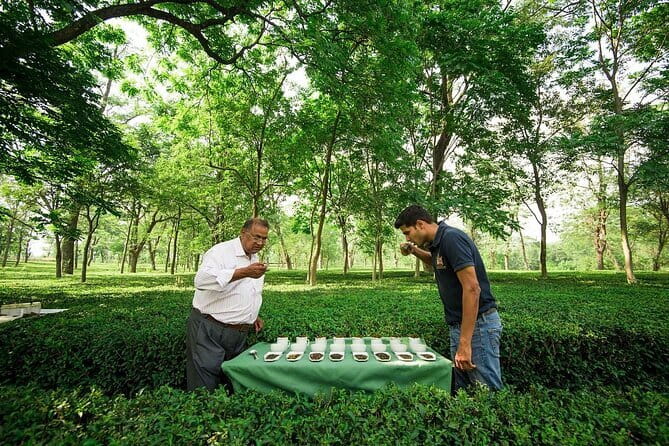
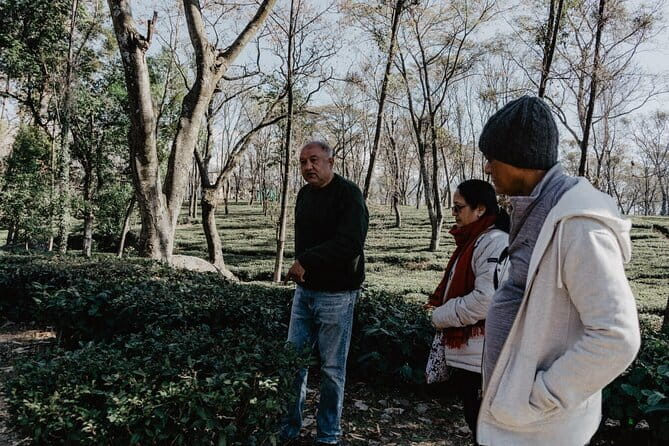
If you care about tea beyond the cup, this is your highlight. The Palampur Co-operative Tea Factory visit is guided, and it starts with a presentation on how the tea estate works. You learn about how tea is grown, then how it’s manufactured, sorted, and tasted—so your tasting isn’t just random sipping.
After the talk, you walk around the plantation area. This part is short, but it gives you a sense of what’s behind the finished product. You’re basically getting the story and the setting in one go, which makes the tasting far more interesting.
Then comes the best part: tea tasting. You’ll sample multiple teas (I’d expect around 20 types, based on what people consistently mention). You’ll also notice that teas can taste very different depending on processing and variety. This is the kind of stop where you might even end up craving a specific flavor later, like a particular tea you’ll want to buy or recreate at home.
Value check: admission is included for this tea factory segment, and the pricing also covers private transport and taxes. If you’re already thinking about tea souvenirs anyway, you’re getting more than a quick photo moment—you’re getting knowledge plus samples.
Chamunda Devi Temple: the spiritual Kangra stop in plain view
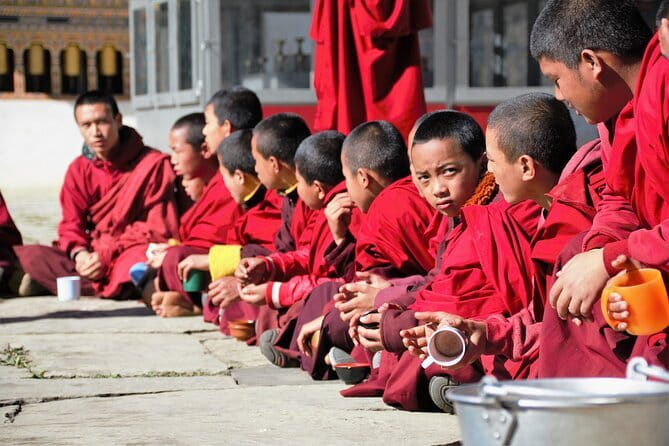
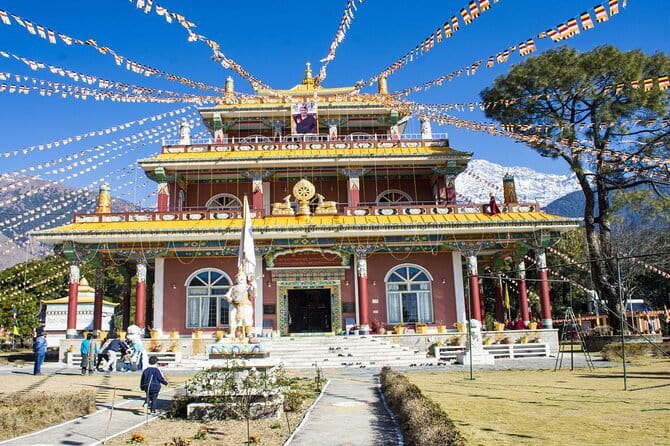
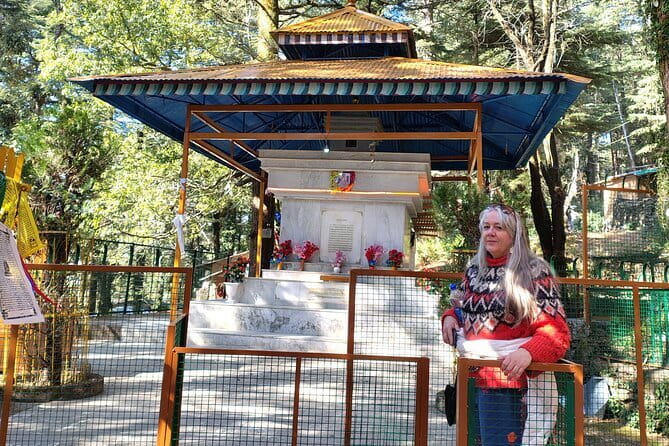
Next you visit the Shakti Peeth Shri Chamunda Devi Temple, also known as Chamunda Nandikeshwar Dham. It’s dedicated to Shri Chamunda Devi, a form of Goddess Durga, and the site is associated with a tradition that dates back around 400 years.
This stop is brief, about 15 minutes, and admission is free. That short timing is the trade-off of the overall itinerary. You won’t be spending an hour in deep contemplation, but you will get the feeling of how local worship fits into daily life and hill culture.
What you should do with a stop like this is simple: keep your eyes open. Notice the flow of visitors, how the space feels, and how the temple sits in the region’s wider religious map. If you’re only coming to Dharamsala for Tibetan sites, this gives you an important contrast—Himachal’s spiritual life isn’t only Buddhist.
A practical consideration: temples mean people. Keep your phone usage respectful, move with the crowd, and dress appropriately.
Dorzong Monastic Institute: Buddha Dharma learning, not just a view
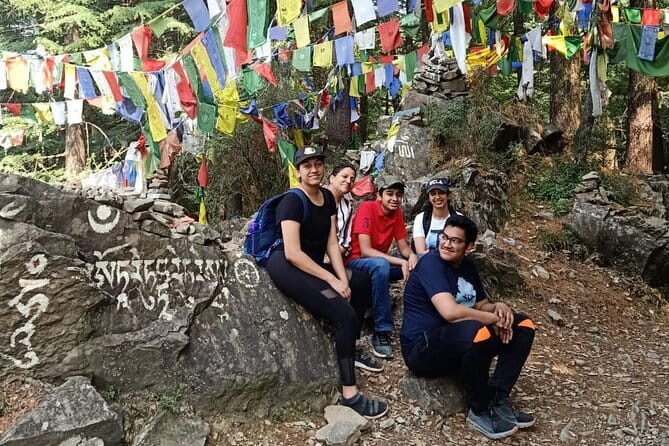
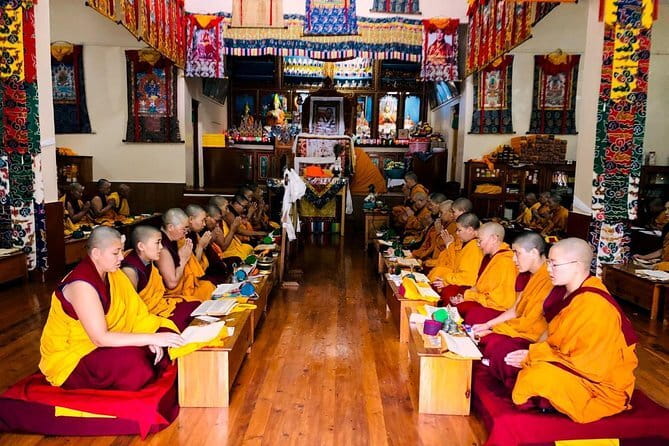
At Dorzong Monastic Institute, you’re stepping into a place centered on study and practice of Buddha Dharma. The institute is based at the foot of the Dhauladhar Mountain Range, so the setting is part of the story. Even on a short visit, that mountain backdrop adds calm weight to the experience.
This stop is also about 15 minutes and free to enter. The quick duration means you’ll likely focus on orientation: understanding what the monastery is for, observing daily routine, and catching the mood of the site. You won’t have time for a long tour of every nook, but you will get a real sense that this isn’t just a tourist stop. It’s a living center.
For me, the value here is contrast. You get Tibetan monastic energy, but you also get context—something about learning and practice, not only scenic buildings.
Dongyu Gatsal Ling Nunnery: a quieter, focused stop
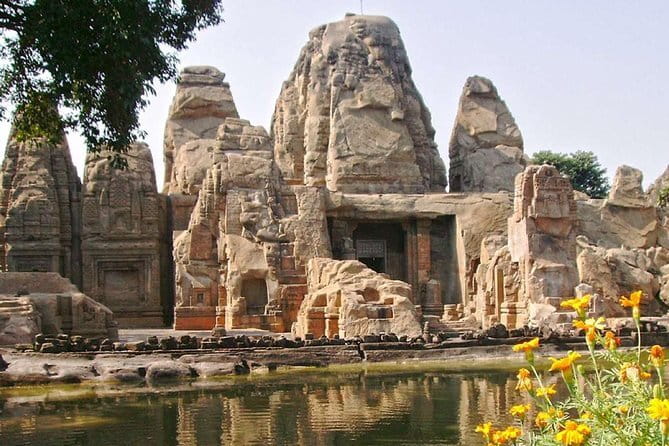
This segment goes to Dongyu Gatsal Ling Nunnery, described as a space for Himalayan women in the Drukpa Kagyu tradition of Tibetan Buddhism. It’s about 30 minutes, and here’s the important budgeting detail: the admission fee for this stop is not included.
Why does that matter? Because you should plan a little cash or card buffer for entrance where needed, especially if you want to avoid the awkward moment of hunting for the payment process mid-day. For the rest of the itinerary, several entries are free, so this stands out.
This nunnery visit tends to feel more intimate than a bigger, busier site. You’re stepping into a smaller slice of Tibetan monastic life, and that changes the pacing of your day. Rather than just moving on, you’ll likely find yourself slowing down—quiet observation is part of how you get value from a stop like this.
Also, because it’s a women’s nunnery in a specific tradition, be ready for a more formal sense of space. Dress appropriately and keep your movements calm.
The rest of the day: viewpoints, lakes, waterfall, then McLeodganj Market
Between the temple and monastery stops, the plan typically includes scenic breaks and a few natural highlights—panoramic viewpoints, mountain lakes, and a waterfall. The exact timing can shift with the day’s road conditions, but the overall idea is to keep you from feeling like you’re in a car the whole time.
If you like your travel days to alternate effort and ease, this works well. You’ll get the spiritual and cultural elements early, then later you’ll have a more relaxed end to the trip.
The day also finishes with McLeodganj Market time. This is where the tour’s shopping energy makes sense, because you’re pairing it with cultural context. You’re more likely to enjoy the handcrafts and souvenirs—Tibetan items and locally made goods—when you’ve already visited monastic sites that explain the region’s aesthetic and values.
Think of the market as your decompression window. Walk, browse, and pick up a few things you actually want to use, not random clutter. If you’re the type who likes gifts, this is a strong place to choose thoughtfully.
Price and value: what $46 really covers
The tour costs $46.00 per person, and it’s commonly booked about 50 days in advance. It also offers group discounts, and your group size is capped (8 per booking, with a maximum of 15 travelers per activity).
Here’s how the value stacks up:
- Hotel/airport pickup and drop-off are included, plus transport by private vehicle.
- A local guide is included.
- Bottled water is included.
- Tea tour with tea tasting is included (and the tea factory admission is included).
- All taxes are covered.
What’s not included:
- Meals.
- One specific entrance fee you should plan for: Gopalpur Zoo + Saurabh Van Vihar is listed separately with a foreign tourist fee. If your itinerary includes those, you’ll need to pay. (If not, ignore this.)
- Dongyu Gatsal Ling Nunnery admission.
So the real value question is: do you want tea knowledge plus a tasting session, plus multiple guided cultural stops, without spending your whole day on transport logistics? If yes, this price is reasonable for the convenience and guided content you get.
One more practical note: the experience is non-refundable and cannot be changed. That’s not unique, but it’s serious. If your plans might shift, decide with care.
Who should book this (and who might not love it)
This tour suits you if:
- You’re short on time in Dharamsala but want a tea and monastery day.
- You like a structured itinerary with a guide so you can focus on sites rather than navigation.
- You want a mix of Hindu temple energy and Tibetan Buddhist stops in the same outing.
- You care about tea enough to want the tasting and the basic process talk.
You might want a different plan if:
- You hate schedules and want long stays at each place.
- You’re hoping for a major hiking day or an all-day tea estate experience (this is more of a highlight tour than a slow wander).
- You’re only interested in one religion’s sites. The itinerary intentionally mixes them.
Final verdict: should you book this Palampur tour?
I’d book it if you want one day that hits a lot of meaningful points without exhausting you. The tea factory visit is the anchor, and it’s stronger than a typical tourist tea stop because it includes guidance plus tasting. The monastery and temple sequence also makes sense, especially if you like seeing how different spiritual traditions shape the region.
If you’re the type who likes to linger, you can still enjoy this day, but you’ll need to accept that the stops are short. Think of it as a guided sampler: a few focused chapters of Himachal Pradesh, ending with market time so you can turn memories into gifts.
If your schedule is tight and you want an easy way to do Palampur’s tea country and nearby spiritual highlights, this is a solid call.
FAQ
How long is the tour?
The duration is about 5 to 6 hours, with transfer times depending on the time of day and traffic.
Is hotel pickup and drop-off included?
Yes. Pickup and drop-off from your area hotel are included, along with transport by a private vehicle.
What’s included in the tea factory visit?
The tea tour includes a presentation about tea growing and processing, a walk around the plantation, and tea tasting. Tea factory admission is included.
Is Dongyu Gatsal Ling Nunnery entrance fee included?
No. The admission ticket for Dongyu Gatsal Ling Nunnery is not included.
Are meals included in the price?
No. Meals are not included.
What group size should I expect?
The maximum is 8 people per booking, and the activity has a maximum of 15 travelers.
Is the booking refundable if plans change?
No. The experience is non-refundable and cannot be changed for any reason.