REVIEW · ESSAOUIRA
Visit the Oasis & Tea at the basket maker.
Book on Viator →Operated by Ecotourisme et Randonnées · Bookable on Viator
Ain el Hajar turns a stroll into a real morning. You’ll walk under argan trees toward Saint Sidi Bourahmoune, then end at a basket maker’s family tea in a way that feels local, not staged. One thing to watch: the tour depends on good weather, and bottled water isn’t included.
I like that this is a small-group outing (up to 12) with private transportation, so the day stays focused on the route and the people you meet. The pace is built around walking between key spots—fields, gardens, a mausoleum, and a viewpoint over the spring area—so it’s more than just a quick look at trees. If you’re sensitive to heat or sun, plan for mornings to be pleasant but still bring basic hiking comfort (and yes, pack water).
In This Review
- Key highlights you’ll actually care about
- Ain el Hajar Oasis: where water makes the whole region work
- Argan trees to Saint Sidi Bourahmoune: the walking route in plain terms
- The viewpoint by the oasis and spring: where the photos make sense
- Basket maker stop and traditional tea: the best kind of ending
- Transportation, timing, and why the group stays manageable
- Price and value: what $47.12 covers (and what it doesn’t)
- What this experience is really like (and who it fits best)
- Should you book Oasis & Tea at the basket maker?
- FAQ
- How long is the Oasis & Tea experience?
- Where does the tour start, and what time?
- What’s included in the price?
- Is bottled water included?
- What places will I visit during the walk?
- How big is the group?
- What’s the walking like?
- Do I need good weather?
- What’s the cancellation window?
Key highlights you’ll actually care about
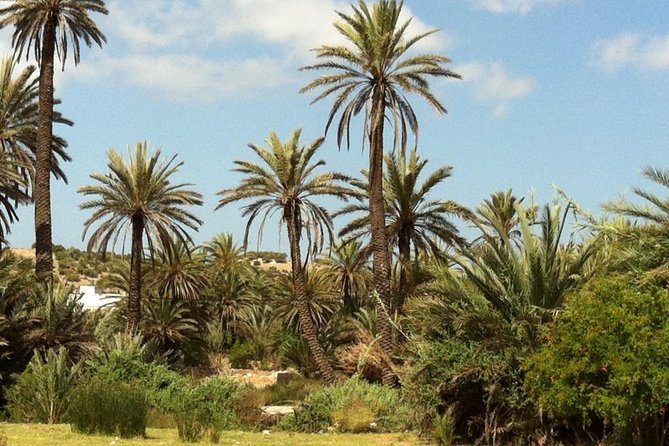
- Start at a famous argan tree and ease into the oasis on foot
- A real walking route across fields and gardens, not just a short photo stop
- Saint Sidi Bourahmoune mausoleum stop adds a spiritual, cultural layer
- Viewpoint over the oasis and spring for wide-open sightlines
- Basket maker demo with rush weaving, finished with traditional tea
- Max 12 people plus private transport helps keep it personal
Ain el Hajar Oasis: where water makes the whole region work
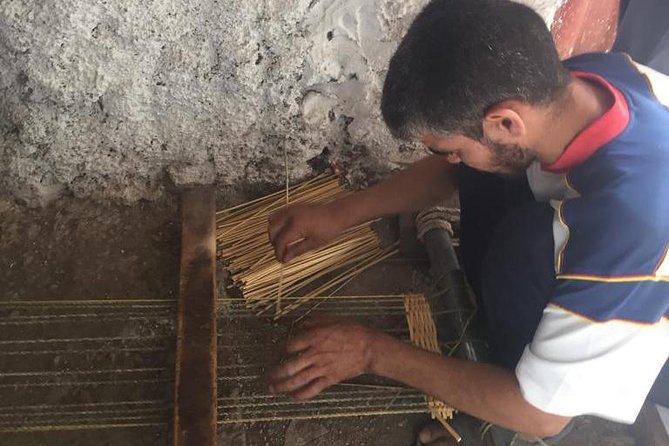
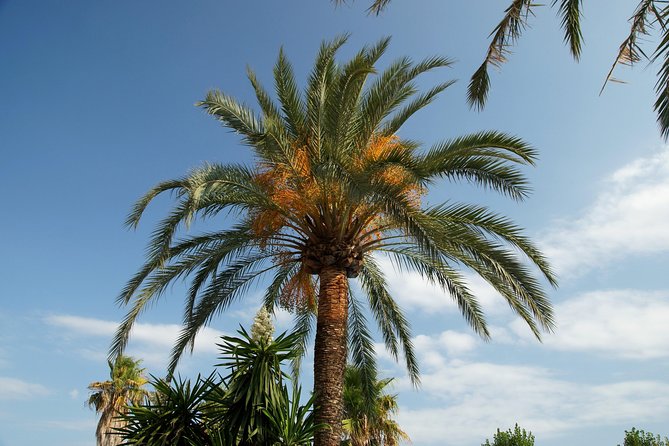
Ain el Hajar is an oasis built around a spring that supplies water to the surrounding area. That matters because you can see the logic of the landscape at a human scale: water feeds forestry and supports agriculture here, not just tourism signage. The area also reflects change over time—palm trees that once dominated have been gradually replaced by olive trees, with irrigation systems added to support market gardening.
What I like about this setting for a visitor is that it explains why the place looks the way it does. You’re not just walking through “pretty greenery.” You’re walking through a living system: water, trees, cultivation, and local work all tied together. And because the walk moves from argan areas into cultivated gardens, you get a feel for how agriculture transitions across the oasis.
If you’re the type who likes to understand what you’re seeing, this one delivers. You’ll come away with a clearer mental map of how an oasis survives and adapts—especially the switch from palms to olives and the role of irrigation.
You can also read our reviews of more tours and experiences in Essaouira.

Argan trees to Saint Sidi Bourahmoune: the walking route in plain terms
The tour begins with a walk that starts at the reportedly biggest argan tree in the region. Even if you’re not trying to “collect” argan facts, it’s a nice way to orient your morning: you meet the anchor tree first, then move outward through the working oasis.
From there, you’ll cross fields and gardens toward the mausoleum of Saint Sidi Bourahmoune. This part is often where the experience shifts from sightseeing to place-feeling. The route isn’t described as a strenuous trek. It’s a guided walk that connects spots, so you’re able to look around while still keeping the day on schedule.
One detail I’m glad is included: you might come across a stone mason carving stones used as millstones for olive oil extraction. That’s a small moment, but it connects you directly to the oasis economy. You’re not only seeing trees; you’re seeing the tools and materials behind olive processing.
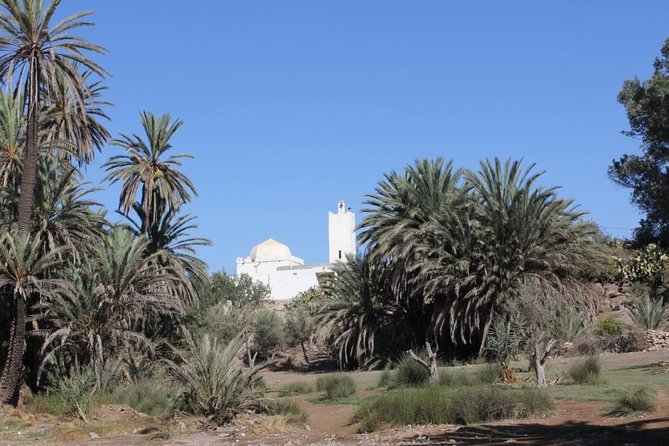
Then you reach the mausoleum. Even if religious architecture isn’t your main interest, the stop is worth it because it adds context. It’s a reminder that oases aren’t only farms—they’re also communities with spiritual landmarks.
Practical tip: dress for shade and dust. Morning air can be cool, but walking across fields and garden edges still brings sun glare and grit. Closed-toe shoes help more than you think, especially on uneven ground.
The viewpoint by the oasis and spring: where the photos make sense
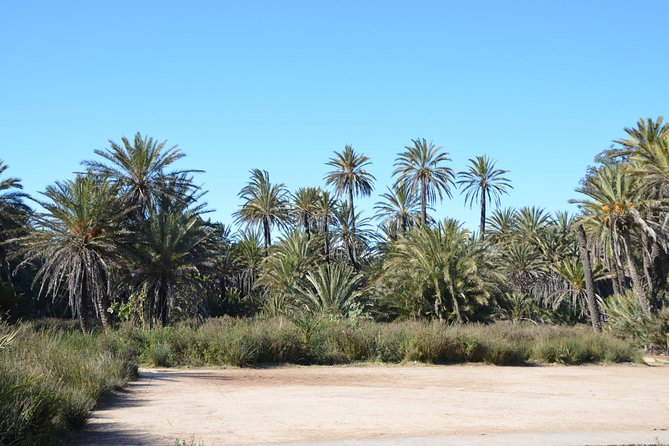
After the mausoleum, the route continues to a vantage point with a stunning view of the oasis, extending all the way to the spring. This is the “pause and look” segment of the tour, and it’s designed for the payoff: wide sightlines where you can actually understand the oasis layout.
What’s useful here is that the viewpoint ties the whole story together. Early on you’re walking through argan and cultivated spaces; at the top, you see how those parts relate to the spring source. Even without a lecture, the geography becomes more obvious once you look down and across.
If you’re photo-minded, this is your moment. If you’re not, you’ll still benefit from the stop because it’s an easy way to reset your legs before the final leg of the morning.
Consideration: it’s a morning outing, but weather matters. If visibility is poor due to wind or rain, the viewpoint experience can feel less rewarding. That’s one reason the operator flags that the tour needs good weather.
Basket maker stop and traditional tea: the best kind of ending
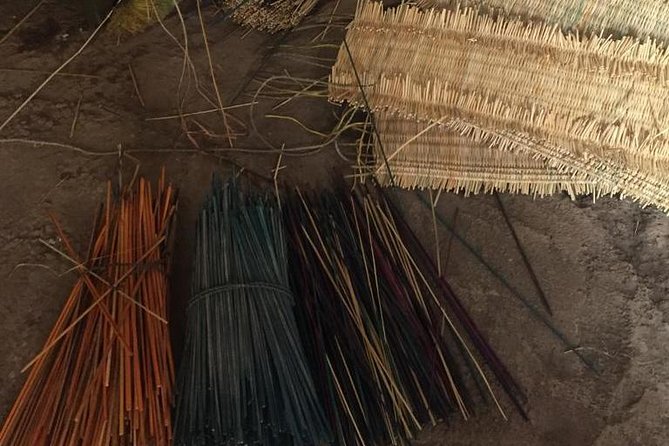
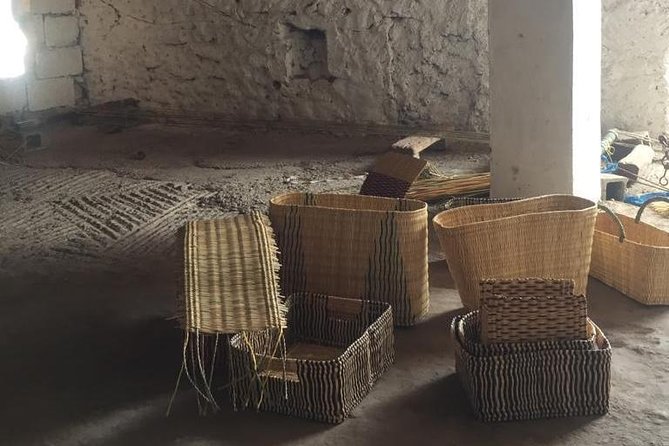
Near the end of the morning, the tour passes by a basket maker and shows how he weaves using rush. This isn’t a distant workshop with a showroom vibe. It’s described as a family business, which means you’re more likely to see the craft in the context of everyday work.
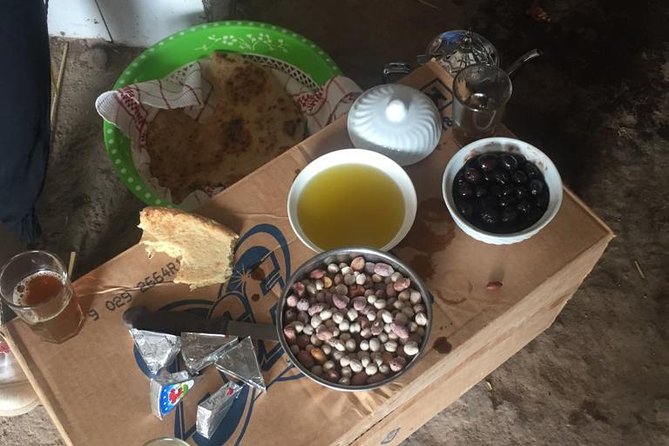
Then comes the part you’ll remember: traditional tea served at the basket maker’s place. Moroccan hospitality is built into these small stops, and tea here functions like a cultural reset. You’re not rushing through a highlight; you’re slowing down, sitting with locals, and letting the morning settle.
What helps you get more from the tea time is simple: ask basic questions. How the weaving works, what rush is used, and how the family fits the craft into their day. Even if your Arabic or Amazigh is limited, a calm smile and a few prepared phrases can go a long way.
One more practical note: bottled water isn’t included, so you’ll rely on your own supply for hydration. Tea helps, but it doesn’t replace water during walking time—especially if the day runs warm.
Transportation, timing, and why the group stays manageable
This is a 4-hour experience (approx.) with private transportation included. The tour starts at 9:00 am and ends back at the meeting point. You’ll be picked up and returned to the same place, so you don’t have to solve local transit logistics while you’re trying to enjoy the walk.
The small group size (maximum 12) matters because it keeps the pace reasonable. You don’t want a situation where you’re constantly waiting for a line of people, and you also don’t want a situation where you’re being rushed through key stops. Here, the structure supports a steady walk and time at the mausoleum and viewpoint.
The meeting point is listed at Labo Abdelkrim Khatabi d’Analyses Médicales on Rue Oued El Makhazine in Essaouira. Double-check the address when you book, and arrive a few minutes early so the morning doesn’t start with stress.
Also, the tour uses a mobile ticket. That’s convenient, but still have your phone charged. Outdoors mornings can drain batteries faster than you expect.
Price and value: what $47.12 covers (and what it doesn’t)
At $47.12 per person, this tour is priced in a midrange band for Essaouira excursions that combine guided walking plus a cultural stop. The key value is what’s included:
- Private transportation
- Tea at the basket maker, plus transport related to the stop
What’s not included is bottled water. That’s not a dealbreaker, but it is a real planning detail. I’d treat this as a “bring your own water” outing, especially since you’ll be walking across fields and spending time outdoors.
You’ll also notice the booking rhythm: it’s typically booked about 26 days in advance on average. That usually hints that the experience is popular enough to sell a chunk of capacity before the last-minute crowd shows up. If you have firm dates, it’s smart to book early rather than hoping.
What this experience is really like (and who it fits best)
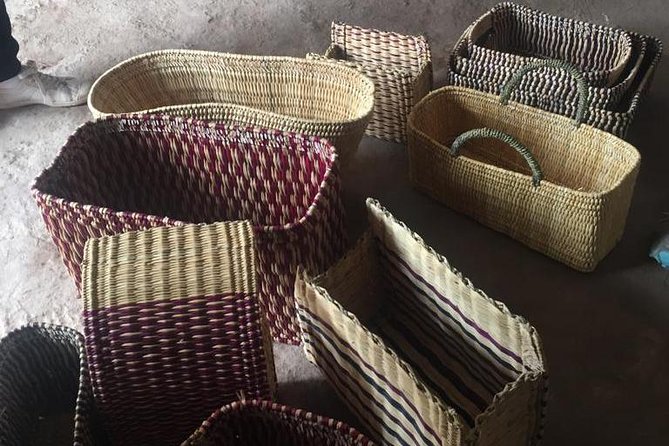
This is best for people who want more than a quick nature look. You’re getting a guided walk through an oasis system, a cultural stop at a mausoleum, a glimpse of olive oil-related stone work, and then a craft-and-tea finale.
I think it’s a strong match if you:
- like walking tours that still feel relaxed
- enjoy meeting local artisans and seeing how everyday crafts happen
- want a mix of nature + culture without a long travel day
- prefer small groups
It’s also built for broad participation: it notes that most travelers can participate and that service animals are allowed. If you or a companion has mobility limits, this is still a walking-based outing, so consider how comfortable you are on uneven ground and uneven edges of gardens/fields.
One name from the experience that stands out is guide Naima. In the story you get from the people running it, her role is about explanation—making the walk make sense and answering questions clearly with a friendly tone.
Should you book Oasis & Tea at the basket maker?
Book it if you want a 4-hour morning that mixes argan trees, oasis farming context, and a human craft stop with tea. The value is in the whole flow: transport + guided walk + cultural stops, wrapped up with a sit-down moment rather than a rushed drop-off.
Skip it or think twice if you dislike walking, hate weather uncertainty, or you’re very water-sensitive. Also, if you’re only after a quick scenic view and nothing cultural, you might find the mausoleum and tea time less relevant.
If your goal is an authentic-feeling Essaouira-area morning—one where the oasis has a reason to exist, and where the craft ending feels like a real family pause—this is a solid choice.
FAQ
How long is the Oasis & Tea experience?
It runs for about 4 hours.
Where does the tour start, and what time?
It starts at 9:00 am at Labo Abdelkrim Khatabi d’Analyses Médicales, Rue Oued El Makhazine, Essaouira 44000, Morocco, and it ends back at the meeting point.
What’s included in the price?
The price includes private transportation and tea at the basket maker (along with transport for that part of the experience).
Is bottled water included?
No. Bottled water is not included, so you’ll want to bring your own.
What places will I visit during the walk?
You’ll see Ain el Hajar oasis, start at the allegedly biggest argan tree in the region, walk across fields and gardens toward the mausoleum of Saint Sidi Bourahmoune, reach a viewpoint over the oasis and spring, and pass by a basket maker for a rush-weaving demonstration and tea.
How big is the group?
The tour has a maximum of 12 travelers.
What’s the walking like?
It’s a walk across fields and gardens, with stops at the mausoleum and viewpoint. It’s described as suitable for most travelers.
Do I need good weather?
Yes. The experience requires good weather, and if it’s canceled due to poor weather, you’ll be offered a different date or a full refund.
What’s the cancellation window?
You can cancel for a full refund up to 24 hours before the experience starts.