REVIEW · TOKYO
Sumi-e Experience in a relaxing green tea shop in Tokyo
Book on GetYourGuide →Operated by H.I.S. Co Ltd(TIC) · Bookable on GetYourGuide
Japanese ink painting feels like magic until you see how simple it is. This sumi-e workshop sits in a relaxing green tea shop setting, and you get to create a real piece of Japanese ink art in just one hour. I like that the class is small, so you can actually get guidance. I also like that you choose a theme and end up with a take-home item you can’t easily buy in a normal souvenir shop.
The main drawback is also the most important one: ink gets everywhere. You’ll want clothes you don’t mind getting splashed or stained, and you should expect the experience to feel hands-on and messy in a controlled way.
In This Review
- Key things to know before you paint
- Entering a Tokyo green tea shop to make sumi-e
- The 60-minute flow: intro, demo, and your turn with the brush
- The first 10 minutes: meeting your instructor and a demo
- The next 40 minutes: create your masterpiece
- The final 10 minutes: finishing touches and instruction
- Choose what you’ll paint: coasters, USB lamp shade, or hanging kakejiku
- Coasters course: washi coasters (9 cm)
- Lamp shade course: a USB lamp shade (A 10 cm square)
- Hanging Stroll course: kakejiku-style hanging piece (75×32 cm)
- You take it home
- What makes the instruction style work for beginners
- Green tea included: why it’s more than a perk
- Price and value: what $105 includes (and why it’s fair)
- Practical matters: what to bring and how not to ruin your outfit
- Who this class suits best
- Who should skip it
- Logistics that won’t slow you down
- Should you book this Tokyo sumi-e class?
- FAQ
- How long is the sumi-e experience?
- What is included in the price?
- What takes-home items can I make?
- Can I take my artwork home?
- Is the instructor available in English?
- How big is the group?
- Where do I meet for the class?
- What should I bring?
- Is it suitable for young children?
- Is the workshop wheelchair accessible?
Key things to know before you paint
- Small group, English instruction with a hands-on instructor (the class is taught in English).
- Pick your subject theme and learn how to translate it into black ink on paper.
- Choose your take-home format: coasters, a USB lamp shade, or a hanging kakejiku-style scroll.
- Green tea is included and the vibe is clearly meant to be slow and comfortable.
- You’ll leave with something unique that you can’t replicate the same way anywhere else.
Entering a Tokyo green tea shop to make sumi-e
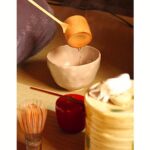
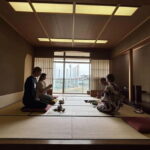
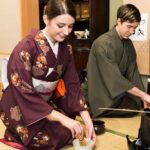
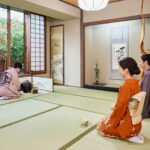
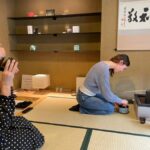
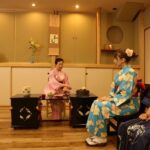
Tokyo has no shortage of artsy stops, but this one is different because it starts with a calm room and a warm drink. You’re not just watching ink art—you’re making it, right there in a relaxing green tea shop atmosphere. That matters, because sumi-e is easiest when you’re not rushing. The whole pace feels built for focus: steady breathing, deliberate brushwork, and a few quiet moments to let your choices land.
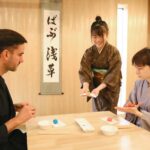
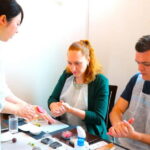
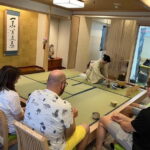
You also have a small-group setting, limited to 8 participants. That’s a big deal. In a class that depends on technique and brush control, you want the instructor to actually be able to correct your grip, your pressure, or the direction of your strokes.
And for the practical-minded: the workshop is wheelchair accessible, and the instructor speaks English.
You can also read our reviews of more tours and experiences in Tokyo.

The 60-minute flow: intro, demo, and your turn with the brush
The class runs for 1 hour, and the timing is structured so you don’t waste time waiting while your brain is still warming up. Here’s what to expect in plain terms:
The first 10 minutes: meeting your instructor and a demo
You’ll start with the instructor introducing themselves and then showing how sumi-e works. This is where you learn what “ink wash” really means in practice. It’s not about filling in lines until they look perfect. It’s about how ink changes as water and brush pressure change, and how to create meaning through contrast and variation.
In at least one past session, the instructor was Master Shigen, and that kind of name you remember is usually a sign the teaching style is personal, not generic.
The next 40 minutes: create your masterpiece
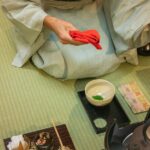
This is the main event: your 40-minute sumi-e experience. You’ll choose one painting theme you want to draw. From there, you work through the process on your selected medium, whether it’s washi paper coasters, a USB lamp shade, or a hanging piece.
Because the class is limited in size, you’ll get instruction as you go. You’ll also get the feel of sumi-e’s basic rule: simplify the subject, then let ink texture and tone do the heavy lifting.
The final 10 minutes: finishing touches and instruction
In the last segment, you’ll wrap up your piece and get final guidance. This is where small adjustments matter—how to handle the piece, what to watch for in terms of finish, and how to treat your final work so you can safely take it home.
You also get that immediate satisfaction of leaving with a completed item, not just practice sheets.


Choose what you’ll paint: coasters, USB lamp shade, or hanging kakejiku
One of the best parts here is that your painting doesn’t end as a flat sheet on a desk. You choose a format, and the format changes how you think about the subject.
You pick one of three plans:
Coasters course: washi coasters (9 cm)
If you choose the coasters course, you’ll draw your design on Japanese paper washi coasters with a diameter of 9 cm. This option is great if you want something small, functional, and easy to pack. It also turns your art into daily life: a place under a mug or glass where your theme becomes part of your routine.
Because the surface is small, you’ll likely focus on bold shapes and confident brush marks rather than tiny details.
Lamp shade course: a USB lamp shade (A 10 cm square)
The lamp shade course is for the artsy experimenters. You’ll paint on a 10 cm square lamp shade piece that lights up via USB connection. This means your ink choices show up differently once light passes through.
It’s also a smart souvenir. You won’t just hang it somewhere and forget it. It becomes a light source you can use, and the ink wash look gets amplified.
Hanging Stroll course: kakejiku-style hanging piece (75×32 cm)
If you want the classic feel, go for the Hanging Stroll course. You paint on a Japanese traditional hanging stroll called Kakejiku, made of washi paper at 75×32 cm. Hanging pieces tend to reward contrast and brush movement, because the artwork is meant to be seen from a distance.
This is the option that feels most like “real Japanese art,” not just a craft project. You’ll also get more room to build your composition, depending on your chosen theme.
You take it home
All three formats are designed so you can take your work as a special souvenir. That’s the part that turns a fun workshop into real value: you’re buying instruction and equipment, but you’re also walking away with an item you’ll actually display or use.
What makes the instruction style work for beginners
Sumi-e looks deceptively simple on social media. Real ink art is more about timing than talent. In class, you’re guided to manage the relationship between ink and water, and to accept that texture and softness are part of the design.
That matters for beginners, because sumi-e isn’t about copying a perfect picture. It’s about translating your theme through controlled spontaneity. When you’re told what to simplify and where to let ink fade, you stop overthinking and start painting.
The class also leans into the Zen-friendly idea that black isn’t only black. Your strokes can feel light, heavy, sharp, or smoky depending on technique. You’re learning a skill that’s less about being “good at art” and more about learning a process you can repeat.
And yes, there’s tea involved, which is a quiet but real part of the learning curve. When you’re relaxed, your brushwork gets steadier.
Green tea included: why it’s more than a perk
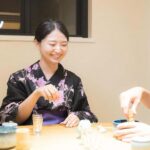
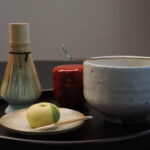
Tea isn’t just a free add-on here. It supports the mood the class is trying to create. One prior group highlighted that they drank a lot of tea, and that matches the setup: this is a relaxing green tea shop, not a classroom with fluorescent lights.
So when you plan your timing, treat the tea as part of the experience. Arrive calmly, stay hydrated, and let the class be an actual pause in your day.
Price and value: what $105 includes (and why it’s fair)
The price is $105 per person for a 1-hour class. That could sound steep if you think of it like a quick souvenir workshop. But when you look at what’s included, it’s easier to see the value.
Included:
- Painting class fees
- Painting equipment
- Tea
Not included:
- Transportation
Here’s the practical translation: you’re not paying extra for tools or for the ink setup. You’re paying for teaching time in a small group, plus a structured experience that produces a take-home art piece on a chosen medium.
Also, you’re getting an instructor who teaches in English, which can reduce the risk of feeling lost. In a skill-based workshop, clarity is part of what you’re paying for.
If you’re comparing to DIY souvenirs, the math is simple: you get an original work, not mass-produced decor. If you’re comparing to longer formal classes, this is short, focused, and easy to fit into Tokyo sightseeing.
Practical matters: what to bring and how not to ruin your outfit
This class makes one demand clearly: wear clothes that you don’t mind getting inked. Ink wash painting can splash. Even when you’re careful, brushwork and ink water can be messy.
So before you go:
- Wear something you can stain.
- Bring a change of clothes only if that helps your comfort. (No storage details are provided, so don’t assume a convenient place to swap.)
- Be ready to focus on your hand and posture, since brush control matters.
One other detail: you may be asked to tell your birth of date. It’s listed as something you should provide, so it’s worth having it handy when you reserve.
Who this class suits best
This experience is ideal if you want a hands-on Tokyo activity that feels calm and meaningful, not rushed. It’s especially good for you if:
- You like crafts where you learn technique, not just decoration.
- You want a take-home souvenir that feels personal and special.
- You prefer small groups and clear guidance in English.
It’s also a smart choice if you’re the type who doesn’t want to spend hours in museums but still wants something authentic and Japan-specific.
Who should skip it
- Children under 5 aren’t suitable.
- If you’re very sensitive to stains or mess, this might not be your best match, since ink can mark clothing.
Logistics that won’t slow you down
You meet at 4F in the building. That’s not a lot of help on its own, so use your confirmation details to locate the exact place, then plan to arrive a few minutes early so you don’t feel rushed before you start painting.
The class is offered in English, and the group stays small at up to 8 people.
Transportation isn’t included, so plan your route like you would for any Tokyo activity.
Should you book this Tokyo sumi-e class?
If you want a short, skill-focused experience with a real keepsake, I’d book it. The combination of small-group instruction, tea in a green tea shop setting, and a take-home art format (coasters, USB lamp shade, or a hanging kakejiku-style piece) gives you strong value for time.
Skip it only if you hate mess or you want a hands-off activity. This is for hands-on people—people who are okay wearing clothes that can get inked and who like the idea of making something simple, black-and-white, and quietly expressive.
FAQ
How long is the sumi-e experience?
The class lasts 1 hour total.
What is included in the price?
Included are the painting class fees, painting equipment, and tea.
What takes-home items can I make?
You can choose one course: washi coasters (9 cm diameter), a USB lamp shade (10 cm square), or a kakejiku-style hanging piece made of washi paper (75×32 cm).
Can I take my artwork home?
Yes. You can take your finished piece home as a special souvenir.
Is the instructor available in English?
Yes, the instructor provides instruction in English.
How big is the group?
The workshop is a small group limited to 8 participants.
Where do I meet for the class?
You meet at 4F in the building.
What should I bring?
Wear clothes you don’t mind getting dirty, since ink can stain clothing.
Is it suitable for young children?
It is not suitable for children under 5 years.
Is the workshop wheelchair accessible?
Yes, the workshop is listed as wheelchair accessible.