REVIEW · NARA
Full Day Nara Deer, Temple, Shrine, Activities & Tea Ceremony
Book on Viator →Operated by Japan Tour Adventure · Bookable on Viator
Deer first, temples after, tea to finish. This full-day walking tour strings together the big Nara highlights—Todaiji and Kasuga Taisha—with some great crafts and hands-on culture like calligraphy and origami. I especially like the mix of famous sights plus the off-the-map stops, like the original shop linked to knifemaker Kikuichi, and the calm matcha tea session with wagashi. One possible drawback: it’s a full 7 hours on foot, and lunch isn’t included, so you’ll want to plan around the free lunch break.
I also appreciate the small-group feel (max 12) and the way the day builds in storytime: you’re not just looking at monuments, you’re getting the “why” behind them as you move from gate to gate. In past small-group runs, guides like Harry and Rémi have been praised for friendly, clear explanations (including German in one experience). If you’re hoping for long, unstructured time inside every site, note that most stops are fairly tight.
In This Review
- Key Things That Make This Nara Day Worth Your Time
- A 7-Hour Walking Day With Real Nara Rhythm
- Starting at Todaiji Namdaimon: A Perfect Visual Warm-Up
- Inside Todaiji: Time for the Biggest Buddha, Plus Breathing Room
- Kasuga Taisha Shrine and the Lantern Path: Shinto Meets Nature
- Deer Park Moment: Cookies, the Deer Challenge, and Common Sense Safety
- Higashimuki Shopping Street Lunch Window: Where to Eat Without Panic
- Kikuichi Knife Maker Stop: Japanese Cutlery for the Curious (Not Just Nerds)
- Nara Visitor Center & Inn: Origami, Calligraphy, and Optional Photo Fun
- Gango-ji Temple: The Oldest Standing Temple and Its Demon Lore
- Shofukutei Tea Ceremony: Matcha, Handmade Wagashi, and a Certified Tea Master
- Price and Value: What You’re Really Paying For at $110.55
- Who Should Book This Nara Tour (and Who Might Skip It)
- Should You Book This Nara Deer, Temples, Knives, and Tea Day?
- FAQ
- How long is the Nara tour?
- Where does the tour start and when?
- Is lunch included?
- What’s included in the price?
- Is there a limit on group size?
- Is the tea ceremony part of the tour?
- Are the temple entrance fees included?
- Do I get tickets digitally?
- Can I cancel for a full refund?
Key Things That Make This Nara Day Worth Your Time
- Todaiji’s Great Southern Gate setup: You start at Namdaimon and its fierce guardians, a strong visual warm-up before the main temple area.
- Offbeat knife culture at Kikuichi: You’ll tour the original shop connected to Japan’s famous knife maker, plus a practical intro to Japanese cutlery.
- Kasuga Taisha’s lantern path vibes: A Shinto shrine stop with an easy-to-follow focus on spirit and nature themes.
- Hands-on culture at Nara Visitor Center & Inn: Deer origami, plus calligraphy where you can write your name in Katakana or Kanji.
- Gango-ji’s demon origin story: A World Heritage temple stop framed by the temple’s “scary” lore.
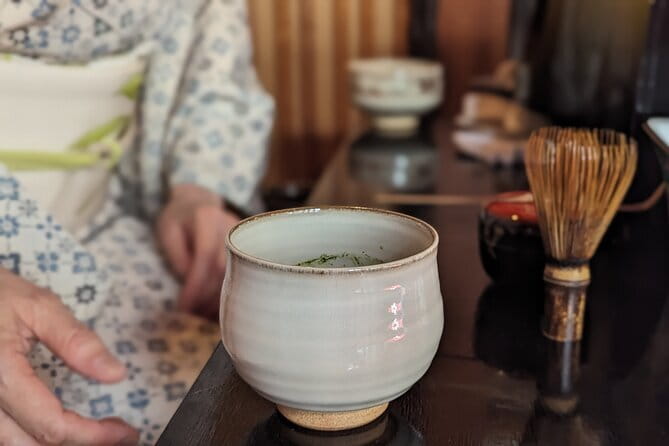
- Shofukutei tea ceremony with matcha and handmade wagashi: A certified tea master leads the session with freshly made matcha right in front of you.
A 7-Hour Walking Day With Real Nara Rhythm
This is built as a walking tour, so the experience feels like moving through Nara in the most natural way: park, temple, shrine, neighborhood street, then more temples and culture, ending with tea. Expect about 7 hours total, with a consistent flow so you’re not wasting half your day figuring out where to go next.
The day also uses smart pacing. You don’t just cram one “must-see” after another—you get variety: a huge Buddha temple, lantern-lined Shinto scenery, deer encounters, a knife-maker shop, then calmer craft time, and finally a seated tea ceremony. It’s a lot, yes, but it doesn’t feel like you’re doing the same thing repeatedly.
Value-wise, the price includes several things that normally cost extra on your own: the Todaiji entrance fee, the Gango-ji entrance fee, and the tea ceremony (matcha and wagashi). It also includes cultural activities and a guide throughout, which matters on days like this when you’ll get more out of the “what you’re looking at” instead of just sightseeing.
You can also read our reviews of more tours and experiences in Nara.


Starting at Todaiji Namdaimon: A Perfect Visual Warm-Up
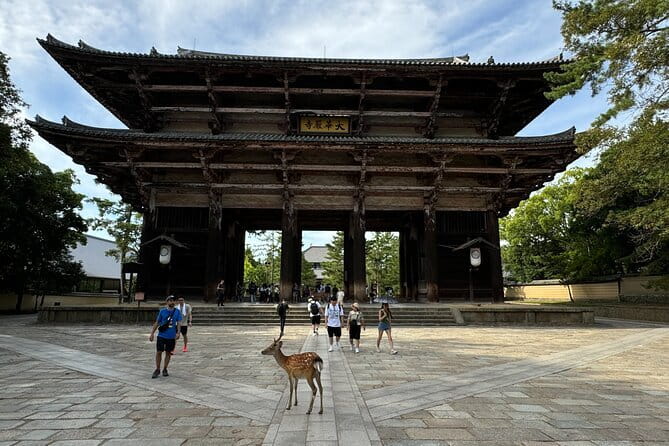
You begin at Todai-ji Namdaimon (Grand South Gate), which is more than just an entry point. The gate is a symbol of the Todaiji temple domain, and the main draw here is how dramatic the architecture feels up close.
Two fierce guardians stand at the gate, and this is one of those moments where your brain clicks: you’re not wandering randomly—you’ve entered a whole world of temple symbolism. This early stop sets the tone, so when you reach the larger temple area later, it feels connected instead of separate.
This is also a low-stress start time segment (about 35 minutes). It’s a good way to get bearings fast without committing to a full “sit and stare” block before your legs start to ask questions.
Inside Todaiji: Time for the Biggest Buddha, Plus Breathing Room
Next comes Todaiji Temple itself. What you’re going for here is the scale and the central statue experience—Todaiji is where you’ll find the biggest bronze Buddha statue in Japan. Since the stop includes about 50 minutes, you can actually look without rushing every single corner.
You get free time inside, which I like. With a guide, it’s easy to learn what matters most; with free time, you can choose how to spend it. Some people will focus on the statue area. Others will walk the edges and catch details. Either way, you’re not locked into only one kind of viewing.
If you’re sensitive to crowds, consider that Todaiji is famous, so the big temple experience can get busy. Your advantage on this tour is that you’re not spending time searching for the right route—you’re using that included time efficiently.
Kasuga Taisha Shrine and the Lantern Path: Shinto Meets Nature
After Todaiji, the day shifts from Buddhism-heavy symbolism to a Shinto shrine stop at Kasuga Taisha. This part of the tour is interesting because it frames what you’re seeing: you’ll learn about the spirit of Kasuga, which the tour describes as connected to nature, plus a general introduction to Shinto.
The visual star is the lantern path, which gives you that “walk-in-history” feeling without needing any extra imagination. Even if you don’t know the religious background, the structure helps you understand the mood: quiet, reverent, and very tied to the landscape around it.
This stop runs about 40 minutes, which is enough to take in the lantern path and hear the basic ideas without feeling stuck. If you like shrines but don’t want a long lecture, this is a good balance.
Deer Park Moment: Cookies, the Deer Challenge, and Common Sense Safety

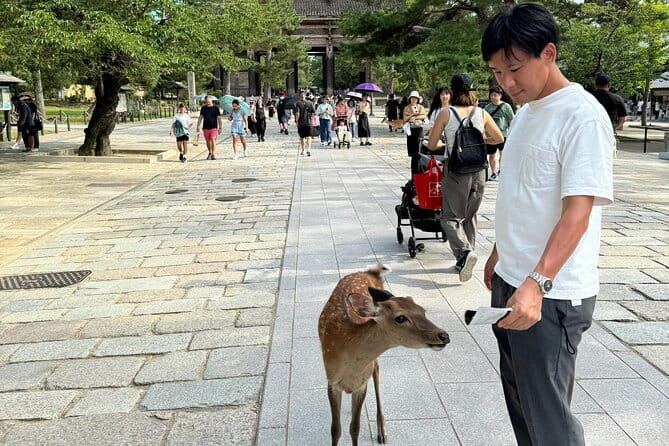
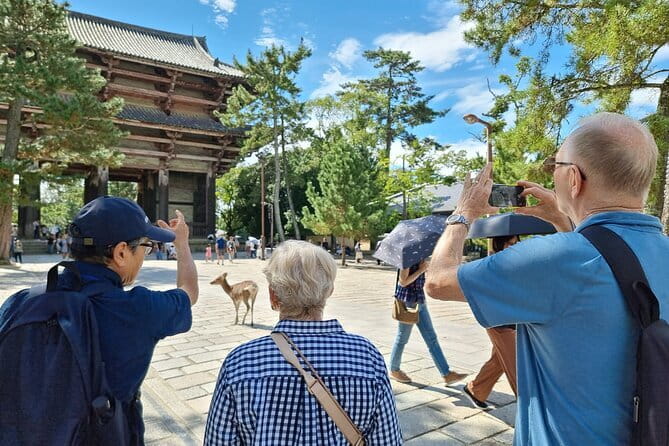
Then comes the famous Nara Park section. This is where the tour’s “Deer Challenge” concept matters. You’ll walk through the park with your local guide, follow the best route, and witness the harmony between the city and the deer.
The tour includes deer cookies for you to share. That’s key because you’re not trying to improvise what to feed or where to buy it mid-walk. But you still need basic common sense: keep your hands controlled, follow your guide’s lead, and treat deer like wildlife, not pets.
One practical point: Nara’s deer are used to people, but that doesn’t mean they’re predictable. Keep your phone secure, avoid waving food around, and don’t step into deer space just to get a better photo. Your guide’s job is to steer you through the park in the best route—so let them do that work.
This is also an area where timing matters. If you’re traveling during peak daytime hours, you’ll feel the crowd energy more strongly. The tour’s structured flow helps you avoid wasting time in the busiest spots.
Higashimuki Shopping Street Lunch Window: Where to Eat Without Panic
Once you’ve had your deer-and-shrine energy, the tour gives you 45 minutes free time around Higashimuki Shopping Street on the park’s west side. Since food and drinks aren’t included, this is your chance to grab a real lunch or a snack before you head back into more temples and activities.
I like having a defined lunch bubble instead of “you’ll figure it out.” Forty-five minutes is enough to buy something and sit if you find a spot. It’s also not so long that your day drifts.
Bring cash or a card that works in Japan, since small shops can vary. And remember: you’ll be walking again after, so try not to choose the kind of meal that turns into a full-on sit-down restaurant recovery session.
Kikuichi Knife Maker Stop: Japanese Cutlery for the Curious (Not Just Nerds)
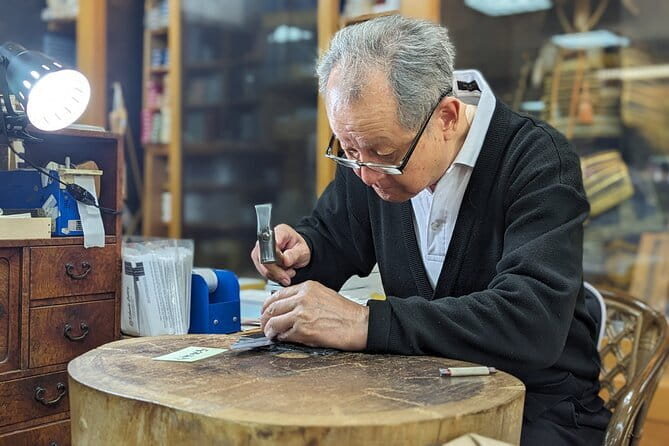
One of the most distinctive parts of the day is the stop at Kikuichi Monju Shiro Kanenaga Main Store. This is tied to the original shop of the prestigious knife maker company Kikuichi, including a former katana maker connection.
What makes this worthwhile isn’t just the name—it’s that you’ll get an introduction to Japanese cutlery history and practical advice on Japanese knives if you want it. In other words, you don’t have to already be a knife expert to enjoy the stop.
This segment is about 35 minutes, so it’s a quick cultural pivot from temples and shrines into craftsmanship and everyday objects. Even if you don’t plan on buying a knife, this kind of stop gives you a new lens. You start thinking about Japanese metalwork, design, and what “quality” looks like in a finished tool.
If you are interested in shopping, keep it realistic: the tour doesn’t claim lunch is included or that you’ll have long shopping hours. But you do get a real look at the craft behind famous Japanese cutlery.
Nara Visitor Center & Inn: Origami, Calligraphy, and Optional Photo Fun
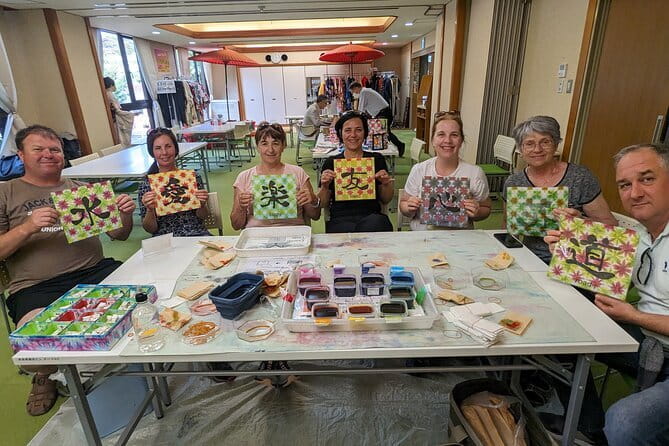
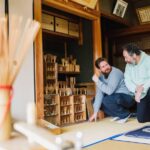
After temples and crafts, you switch gears to do culture yourself. At the Nara Visitor Center & Inn, the included activities are origami and calligraphy, plus a chance for photos.
You can create a deer origami, which fits the theme of the day in a way that feels fun rather than random. Then you’ll write your name in Katakana or Kanji, depending on what you choose. That small “I made this” moment is the kind of memory that sticks longer than another exterior photo of a temple gate.
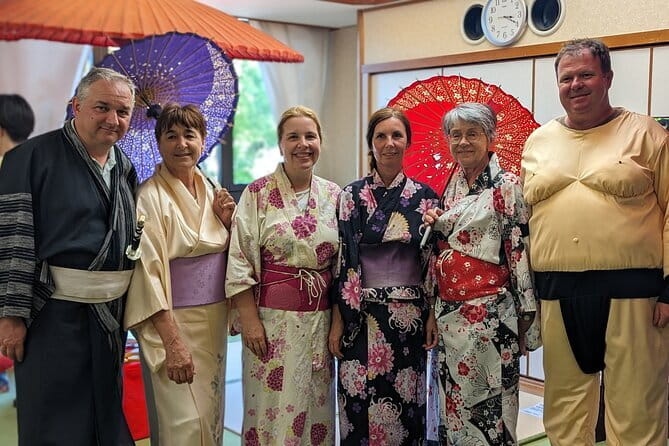
There’s also mention that, if time allows, you can wear a kimono and/or costumes and do a memorable photoshoot. So if you like the idea of dressing up and getting a few well-composed pictures, this is one of your best shots built into the schedule.
This stop runs about 1 hour, and it’s included in the ticket cost. It’s also a nice break for your legs—sitting and making something is a different kind of learning than walking and listening.
Gango-ji Temple: The Oldest Standing Temple and Its Demon Lore
Next is Gango-ji Temple, which the tour frames as one of Nara’s “seven great temples” and a World Heritage site. It’s also described as the oldest temple in Japan still standing, which is the kind of fact that makes the place feel heavier in your mind.
But the hook here isn’t only age. You’ll listen to the scary origin story connected to the demon of Gangoji. That’s a clever approach because it turns history into a story you can remember, not just facts that fade.
You get about 45 minutes, which is enough to take in the temple setting and absorb the story without it turning into a long slog. If you like folklore or spooky legends (the tasteful kind), this stop is one of the most memorable parts of the day.
Shofukutei Tea Ceremony: Matcha, Handmade Wagashi, and a Certified Tea Master
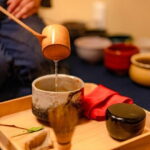
You end with the most relaxing vibe: the Shofukutei traditional cafe and tea ceremony. According to the tour, it’s led by a certified tea master (with her husband). That certification detail matters because it signals you’re not just getting a tea break—you’re getting a real ceremony.
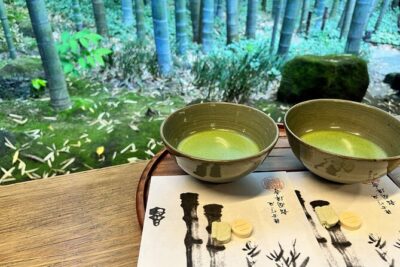
You’ll have freshly made matcha green tea right in front of you, plus a traditional handmade wagashi, the Japanese sweet served with tea. This combination is part of the point: the wagashi is chosen to complement the matcha experience.
The tour also positions this stop as a calmer alternative to crowded, overpriced tourist spots. Even if you’re not thinking about that while you’re walking, you’ll feel it once you sit down.
About 1 hour here gives you time to slow down, taste, and recharge before your next leg of the trip.
Price and Value: What You’re Really Paying For at $110.55
At $110.55 per person, this isn’t a “cheap and cheerful” add-on. But it also isn’t just paying for a checklist of sights. You’re paying for organization, guide time, and specific included costs:
- Todaiji entrance
- Gango-ji entrance
- Tea ceremony fee, including matcha and wagashi
- Cultural activities (origami, calligraphy, and the guided crafting experience)
- Bilingual local guide
- Deer cookies
If you were doing this on your own, you’d still spend money on entrance tickets and you’d pay with time for coordination. Here, the schedule does that work for you—so you can spend mental energy on actually understanding what you’re seeing.
Also, the small group size (max 12) helps. On a long day, you want a group that doesn’t feel like a moving crowd. It’s still a walking day, but it tends to feel more like a shared experience than a mass tour.
The main thing to watch is lunch. Food and drinks aren’t included, so your final “true cost” depends on what you eat in that 45-minute Higashimuki Shopping Street window. Plan for that so it doesn’t surprise you later.
Who Should Book This Nara Tour (and Who Might Skip It)
I think this tour is a strong fit if you want Nara to feel like a real day with variety, not a “temple photo marathon.” It’s especially good for people who like structure but also like doing one or two hands-on activities—like writing your name in Japanese and making deer origami.
It’s also a great choice if you’re curious about Japanese culture beyond monuments: knife-making craft culture at Kikuichi, then tea ceremony formality at Shofukutei. That contrast is a big part of why the day feels complete.
You might consider a different option if:
- You hate walking and prefer slower pacing.
- You want a long lunch or lots of free time at each site.
- You’re only interested in one or two specific attractions and don’t care about craft and ceremony stops.
Should You Book This Nara Deer, Temples, Knives, and Tea Day?
Yes, if you want a well-built introduction to Nara that includes more than the headline temples. The standout strength is the balance: major icons like Todaiji and Kasuga Taisha, plus memorable “learn and do” moments like calligraphy/origami and a matcha ceremony with wagashi.
I’d book it especially if you’re the type who likes context—when someone explains what the space means, you enjoy it more. Also, the tea ceremony is the kind of finish that makes a long day feel worth it.
If you’re worried about crowds, wear comfortable shoes and accept that some places are famous for a reason. The tour’s structure helps you move efficiently through the busiest parts so you can still enjoy the day instead of fighting it.
FAQ
How long is the Nara tour?
It runs for about 7 hours.
Where does the tour start and when?
The start is at 7-Eleven 30-1 Higashimuki Kitamachi, Nara, and the start time is 9:00 am. The tour ends back at the meeting point.
Is lunch included?
No. Food and drinks aren’t included, and you’ll have 45 minutes of free time to eat around Higashimuki Shopping Street.
What’s included in the price?
Included are a bilingual local guide, deer cookies, Todaiji Temple entrance, cultural activities (including origami and calligraphy), Gango-ji entrance, and the tea ceremony fee with matcha and wagashi.
Is there a limit on group size?
Yes. The maximum group size is 12 travelers.
Is the tea ceremony part of the tour?
Yes. You’ll visit Shofukutei for a traditional tea ceremony with freshly made matcha green tea and a handmade wagashi, led by a certified tea master.
Are the temple entrance fees included?
Yes. Todaiji Temple entrance and Gango-ji Temple entrance are both included.
Do I get tickets digitally?
You’ll receive a mobile ticket.
Can I cancel for a full refund?
You can cancel for a full refund up to 24 hours before the experience’s start time. If you cancel less than 24 hours before, the amount paid won’t be refunded.