REVIEW · NARA
Nara:Private Tea Ceremony(Max 5 ppl) -Master Matcha Making-
Book on Viator →Operated by Tea Lounge Navi Cafe · Bookable on Viator
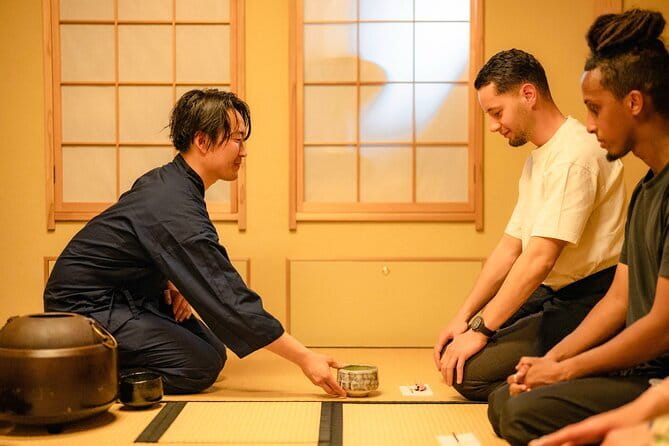
Tea silence can be rare in Japan, but here it’s the point. In Nara, you’ll get a private tea ceremony and matcha workshop in a historic 120-year-old Japanese house, then compare two types of Nara single-origin matcha before you whisk your own cup.
I also like the pace and structure: it’s one-on-one with a tea master, so you can actually ask questions instead of watching from the sidelines. One thing to consider is that this is only about 1 hour, so it’s not a long, all-day culture marathon, and transportation to the meeting area isn’t included.
If you’re trying to slow down on a trip, this is a strong choice. The experience is built for small groups (up to 5), and the focus is simple: learn the basics, taste differences, and find your favorite matcha.
In This Review
- Key highlights you’ll notice right away
- A 120-Year-Old House and a Private Matcha Lesson in Nara
- What You Learn: Etiquette, Utensils, and Tea Ceremony Basics
- Matcha Tasting With Two Nara Single-Origin Types
- Whisking Your Own Cup: The Chasen Hands-On Moment
- Coffee, Brunch, and a Japanese Sweet to Finish the Hour
- Time, Price, and How to Plan Around the 1-Hour Session
- Who This Private Tea Ceremony Fits Best (and Who Might Skip It)
- Should You Book This Nara Matcha Experience?
- FAQ
- Where is the meeting point for the private tea ceremony?
- How long does the experience last?
- Is this a private experience?
- What matcha do you taste during the lesson?
- What is included in the price?
- Is transportation included?
- Is it family-friendly?
- Quick cancellation note
Key highlights you’ll notice right away
- Small-group privacy (max 5) keeps the lesson calm and personal
- One-on-one guidance means you can ask questions as you go
- Two Nara single-origin matchas let you compare flavor and aroma side by side
- Hands-on whisking with a chasen so you’re not just an observer
- A historic 120-year-old house adds real atmosphere to the ritual
- Coffee/tea plus brunch and a Japanese sweet rounds out the hour
A 120-Year-Old House and a Private Matcha Lesson in Nara
This isn’t the kind of tea experience where you sit, smile, and leave. The setting matters here: you’ll be in a traditional Japanese home that’s described as 120 years old, and that age shows in the feeling of the space. It’s the sort of place where the sounds around you naturally soften, which helps the ceremony work the way it’s meant to.
Then there’s the format. This is a private experience for up to 5 people, so you won’t have to wait for a crowd to move through. You’ll also start and end at the same place: Guesthouse Naramachi in Naramachi (30 Kitakyōbatechō, Nara). That makes it easier to plan your day, especially if you’re bouncing between Nara’s sights.
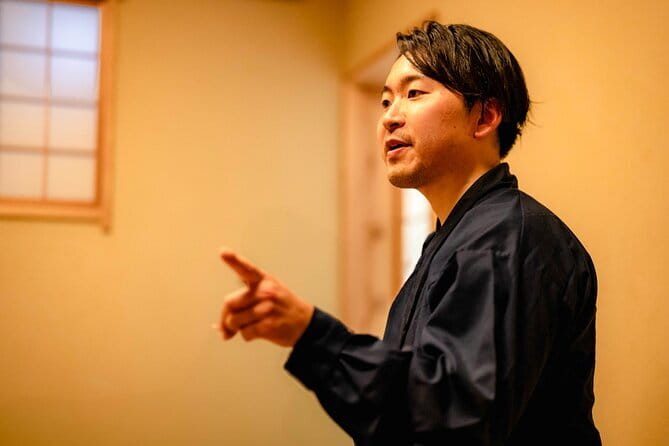
The tea master guidance is also central. In one account, the teacher named Mike came across as especially earnest and generous with explanations, and that lines up with what the experience promises: you’ll learn ceremony basics, watch the demonstration, and then practice yourself.
The tone is part of the product: the experience is designed for that “a few minutes outside real life” feeling—quiet focus, polite movement, and time for your questions.
You can also read our reviews of more tours and experiences in Nara.

What You Learn: Etiquette, Utensils, and Tea Ceremony Basics
If you know nothing going in, you’re still set up to follow. The lesson covers the history of the tea ceremony, basic etiquette, and how to use the tea utensils properly. That last part matters more than people expect. Matcha isn’t just flavor—it’s texture, temperature, and technique, and the utensils guide the whole process.
In practice, a good tea ceremony lesson makes you pay attention to small details:
- How the utensils are handled
- How the movements create calm and respect
- What different steps are trying to achieve (especially when you start whisking)
Because this is one-on-one, you’re not stuck guessing what something means. You can ask questions as many times as you want, which helps you turn the ritual into something you can actually repeat later.
You also get a chance to understand the “why” behind etiquette. It’s easy to treat ceremony rules like performance. But when you’re taught the purpose—why the tea is prepared a certain way, why the timing matters, why the interaction is measured—you start to feel the ceremony as a system, not just a script.
This is a great fit if you like learning through doing. You’ll watch first, then try, and the etiquette and utensil basics will click faster because you can immediately connect them to what’s in your hands.
Matcha Tasting With Two Nara Single-Origin Types
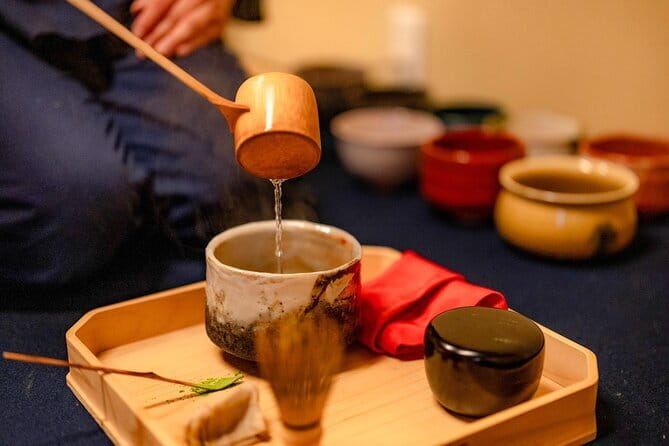
One of the smartest parts of this experience is that you don’t get one matcha and a polite nod. You taste two types of Nara single-origin matcha, then compare flavor and aroma to find what works for you.
That comparison step is the difference between a ceremony as a tourist activity and a ceremony as a real food lesson. Matcha varies a lot depending on source and processing, even when it’s still called matcha. Taste is personal, and “best” depends on what you like—more vegetal notes vs. smoother sweetness, a stronger grassy character vs. a calmer finish.
For your palate, this works like a mini tasting flight:
- You try one single-origin type
- You try the second
- You notice aroma differences
- You decide which one you prefer
Even if you’ve had matcha before, this helps you refine your sense of what you’re actually tasting. And since you’ll be whisking your own cup afterward, you can connect taste differences to technique and preparation.
I also like that this isn’t presented like a hard sell. It’s structured so you can form your own answer: which matcha you’d choose again, and what you want from the next cup you drink.
Whisking Your Own Cup: The Chasen Hands-On Moment
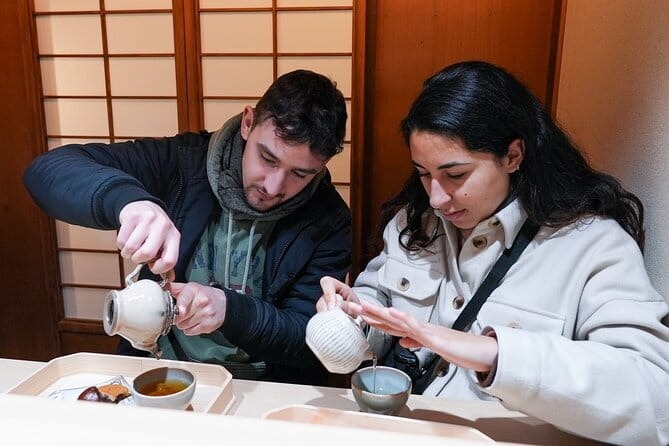
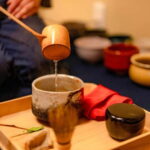
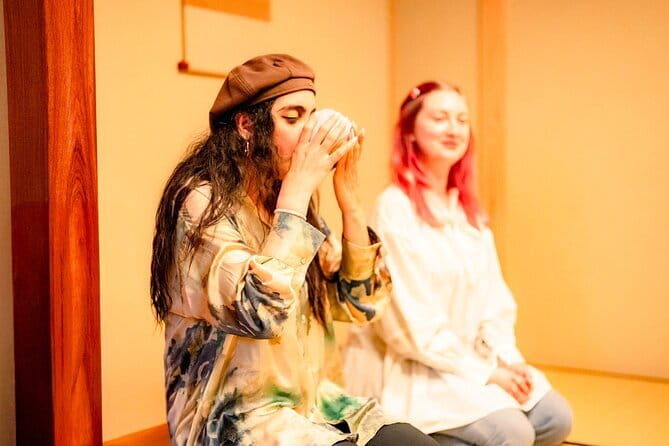
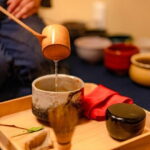
The hands-on part is where you’ll likely remember this most. You’ll get to whisk your own matcha using a bamboo whisk, called a chasen.
A chasen isn’t decorative. It’s a tool that shapes the outcome—how smooth the texture becomes and how well the matcha fully mixes. When someone teaches you how to whisk, you stop thinking of matcha as just a powder you stir. You start thinking of it as something you aerate and blend into a specific texture.
And because you’re in a small private setting, you’re not rushed. You can correct your grip or rhythm, and you can ask for clarification right then. That’s a big deal for beginners, because whisking technique is the kind of skill where feedback works instantly.
Here’s the practical takeaway: you’ll leave knowing how to prepare matcha in a more “correct” way than the average store-bought packet and spoon method. Even if you don’t replicate every step perfectly later, you’ll understand what good whisking is trying to accomplish.
This is also why the ceremony basics instruction doesn’t feel separate. The etiquette and utensil use support the whisking. You’re learning the ritual as one connected sequence, not as a random list of facts.
Coffee, Brunch, and a Japanese Sweet to Finish the Hour
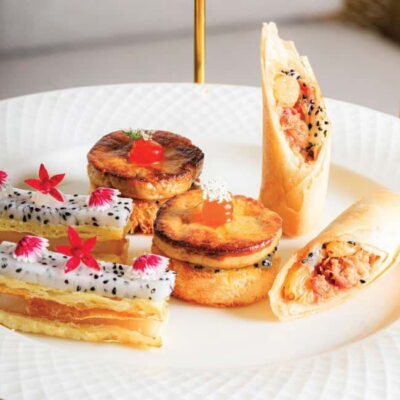
It’s not only tea and silence. The experience includes coffee and/or tea, plus brunch and a Japanese sweet.
That matters because it changes the vibe. Tea ceremonies can feel strict, even a little performance-heavy, especially for people who aren’t sure what to do with their hands. Adding food in a light way helps you relax and stay present through the lesson.
It also means you get a fuller block of value from your time. You’re paying for:
- the teaching and practice
- tasting two matchas
- and then a small meal-style finish
If you’re trying to plan a half-day in Nara, this can slot in nicely. It’s also a gentler option for people who don’t want a long sit-down restaurant meal right after sightseeing.
And if you’re traveling with family, the experience notes that families with young children are welcome. Food and a paced format can make that easier.
Time, Price, and How to Plan Around the 1-Hour Session

Let’s talk money in a real way. The price is $50.85 per person, and the session runs about 1 hour. That sounds short until you consider what’s included: utensil set, a one-on-one guided lesson, tea master demonstration, hands-on whisking practice, tasting two types of Nara single-origin matcha, plus brunch and a Japanese sweet.
So you’re not just paying for matcha. You’re paying for:
- private instruction (up to 5 people)
- a historic setting
- the tasting experience
- and the included meal add-ons
Is it cheap? No. But for a small-group cultural workshop where you actually participate, it can be fair value—especially compared with the cost of paying for separate tastings and a guided lesson.
Two practical notes to plan around:
- Transportation isn’t included, so factor that into your day.
- It’s popular enough that it’s typically booked about 18 days in advance on average. If you’re traveling in a busier season, don’t leave it to the last minute.
Good to know for your schedule: the activity ends back at the meeting point, so you don’t have to plan a second pickup or transfer right after.
Who This Private Tea Ceremony Fits Best (and Who Might Skip It)
This works best for you if you want calm, structure, and hands-on learning. You’ll probably enjoy it most if you fall into one of these groups:
- You like learning food technique, not just watching it
- You’re curious about matcha beyond the generic store version
- You want a slower break from Nara’s more crowded attractions
- You’re traveling with a teen or family and want something that feels meaningful without being too intense
One reason this stands out is that it can actually bring younger people in. In a shared experience, a parent and a 17-year-old son both got into it, largely because the lesson has Q&A and a “do it yourself” component. That’s usually what separates a ceremony from a lecture.
Who might skip it? If you hate quiet routines or you want a high-energy, sightseeing-focused tour, the tone might feel too slow. Also, because the session is about an hour, it’s not built for people who want a very long deep historical lecture.
Should You Book This Nara Matcha Experience?
I’d book this if you want one memorable, hands-on cultural activity that feels grounded and personal. The combination of private group size, a one-on-one teacher, tasting two single-origin matchas, and practicing whisking with a chasen gives you real participation, not just observation.
It’s also a smart choice if you care about value tied to included food and materials (tea utensils, brunch, and a sweet are part of the package). And the historic 120-year-old house setting adds atmosphere that fits the ritual’s goal.
Skip it only if you’re mainly chasing big landmarks or you’re uncomfortable with calm, etiquette-based experiences. Otherwise, this is the kind of Nara moment that makes the city feel human again—quiet, focused, and surprisingly satisfying.
FAQ
Where is the meeting point for the private tea ceremony?
You meet at Guesthouse Naramachi, 30 Kitakyōbatechō, Nara, 630-8322, Japan, and the activity ends back at the same meeting point.
How long does the experience last?
The tea ceremony and matcha making experience lasts about 1 hour.
Is this a private experience?
Yes. It’s a private tour/activity, and only your group participates. The group size is up to 5 people.
What matcha do you taste during the lesson?
You taste two types of Nara single-origin matcha so you can compare flavors and aromas.
What is included in the price?
The experience includes a full set of tea ceremony utensils, coffee and/or tea, two types of matcha, brunch, and a Japanese sweet.
Is transportation included?
No. Transportation fee is not included.
Is it family-friendly?
Yes. Families with young children are welcome.
Quick cancellation note
Free cancellation is available up to 24 hours in advance for a full refund.