REVIEW · BEPPU
Tea Ceremony in a Century-old Japanese Town House
Book on Viator →Operated by Space Beppu · Bookable on Viator
Tea etiquette has a calming rhythm. This English-taught session in Beppu pairs history and etiquette with a live demonstration in a century-old Japanese town house that’s been modernized for a community-style visit.
You’ll follow an instructor step by step through how the tea ceremony works, from why people perform it to the small manners that make it feel respectful and precise.
I especially like the patient, guided approach: you get an interpreter-led walkthrough and then practice along with a professional instructor in traditional kimono. Another big plus is the hands-on part, where you actually make and taste your own matcha, paired with a sweet treat.
The main consideration is the setting: while the building is old, the inside can feel more modern than you might picture from tea-ceremony photos. And for the price, you’ll want to be clear that the tasting centers on one style of tea (matcha), not a wide menu of options.
In This Review
- Key highlights at a glance
- Tea ceremony in Beppu’s town house: what makes it feel real
- Where the experience starts: Space Beppu meeting area
- What you learn: history and etiquette you can actually use
- The kimono demonstration: watch first, then imitate
- Making your own matcha: the part that becomes memorable
- How the sweet snack fits the ceremony
- Duration and pacing: a focused one-hour reset
- Price and value: is $45.61 fair for one hour?
- Who this tea ceremony experience is perfect for
- Things to keep in mind before you go
- Should you book the tea ceremony at Space Beppu?
- FAQ
- What language is the tea ceremony taught in?
- How long does the tea ceremony last?
- Will I get to make matcha myself?
- Is food included?
- Is this a group tour or private?
- Where does the experience start and end?
- Do I need to bring a paper ticket?
- How do cancellations work?
- What if I arrive late?
- When will I receive confirmation after booking?
Key highlights at a glance
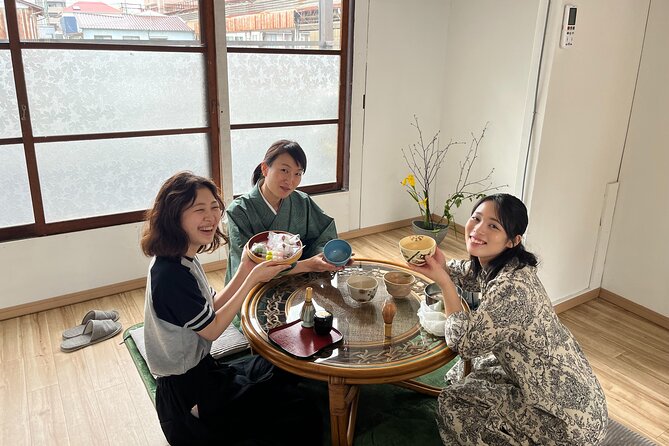
- English support throughout so etiquette makes sense, not just looks pretty
- Kimono instructor demonstration that you can copy, not just watch
- Hands-on matcha making followed by sipping and appreciating it
- A sweet local snack served alongside your tea
- One hour, one location at Space Beppu, so you don’t burn time traveling
Tea ceremony in Beppu’s town house: what makes it feel real
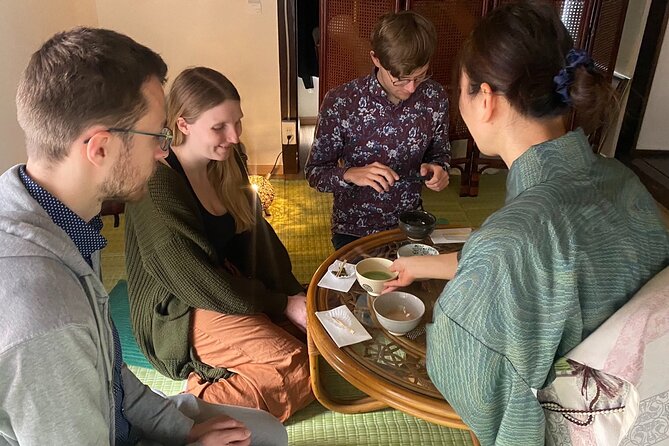
Beppu isn’t usually the first place people think of for tea ceremony experiences, so this already feels like a smart use of time. The big draw here is the setting: a century-old Japanese town house that’s been recently modernized, turned into a space where locals and visitors can share culture in a practical way.
In plain terms, this format helps the lesson land. You’re not squeezed into a show that happens at you. Instead, you’re guided through what the ritual means, then you try the motions yourself. That’s what separates tea ceremony as a spectacle from tea ceremony as a skill you can understand.
Where the experience starts: Space Beppu meeting area
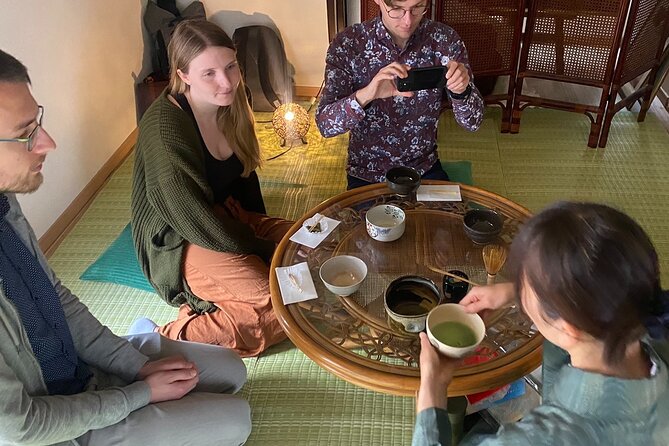
The activity starts and ends at Space Beppu in Chiyomachi, Beppu. That matters more than it sounds. When the whole experience is anchored at one place, you avoid the stress of hopping between stops while your hands are full of etiquette rules.
You’ll also be near public transportation, which is helpful because Beppu can spread out. If you’re combining this with other sightseeing, you’ll find it easier to plan your route when the meeting point stays the same.
And it’s a private format for your group. That’s a quality-of-life detail: fewer interruptions, more chances to ask what you’re doing and why you’re doing it. For something this precise, that small comfort matters.
What you learn: history and etiquette you can actually use
This is an English-speaking tea ceremony experience with an interpreter who takes you through the history, etiquette, and cultural importance of the ceremony. The wording matters: you’re not only learning steps, you’re learning reasons. That’s how the whole thing stops feeling like a staged performance.
Here’s what you’ll typically pick up in a structured class like this:
- How manners show respect in tea service
- What you’re meant to notice before, during, and after sipping
- Why matcha ceremony is slow and careful rather than rushed
Even if you’ve watched videos before, an interpreter-guided explanation changes the experience. You stop thinking, Why are they doing that? and start thinking, Oh, this is the point.
The kimono demonstration: watch first, then imitate
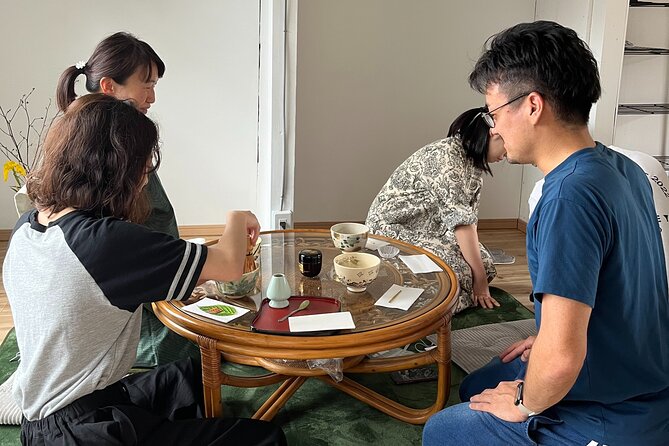
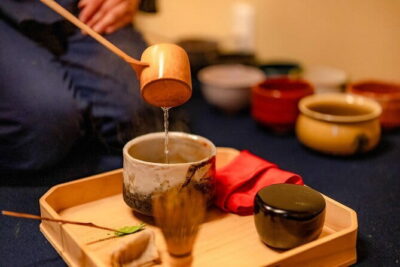
You’ll see a demonstration from a local professional dressed in traditional kimono. This is where your eyes do the heavy lifting at first. Tea ceremony has rhythm, and the motions connect: handling tools, preparing the cup, serving in a respectful way.
A good demonstration teaches three things at once:
- The sequence of actions
- The pacing (not fast, not sloppy)
- The “why” behind the formality
One theme that stands out from feedback about this session is patience. The instructor’s style is step-by-step, and when people make mistakes, the guidance stays calm. That makes it easier to relax and focus on doing it correctly rather than worrying about messing up.
Making your own matcha: the part that becomes memorable
After you watch, you’ll be invited to make your own cup of matcha. This is the practical heart of the experience, because you leave with a sensory memory, not just facts.
In a class like this, the challenge is usually not intelligence—it’s coordination and attention. Matcha preparation asks you to slow down and do things the right way with your hands. If you’ve never whisked before, you might notice how quickly you can get uneven results. That’s normal.
What helps is that you get step-by-step guidance while you practice. With an interpreter present, you can ask clarifying questions in real time rather than guessing. The payoff is real: once you’ve made the cup, you understand what the instructor means when they talk about care and respect.
How the sweet snack fits the ceremony
You’ll also get a Japanese sweet snack served alongside the tea. This pairing is more than a dessert add-on. In many tea traditions, the sweet helps balance the bitterness of matcha and gives a gentle transition between steps.
Think of it as a built-in “reset.” You taste the tea, notice its flavor, then take the sweet and let your palate shift. That makes the whole experience feel complete, not like you just drank something.
Some feedback also points to additional small cultural elements—like calligraphy and noodles—showing up in the broader flow. The exact details can vary by session, but it’s worth keeping your expectations flexible and open to a few extra cultural moments beyond the core matcha lesson.
Duration and pacing: a focused one-hour reset
The session is about 1 hour. That’s a sweet spot. Long enough to cover etiquette, watch a proper demonstration, and still give you hands-on practice. Short enough that you’re not mentally cooked when you sit down to taste.
A one-hour format also helps you enjoy it without rushing afterward. You can finish, sip what you made, and then go right into Beppu sightseeing with your brain still in “calm mode,” not in “I just need to escape” mode.
Price and value: is $45.61 fair for one hour?
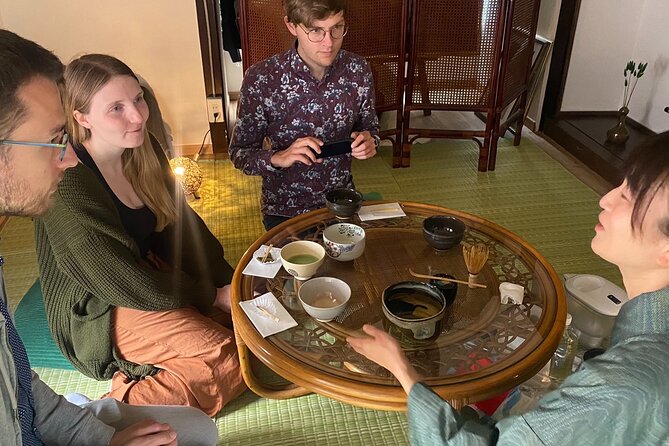
At $45.61 per person, this isn’t a throwaway activity. The value comes from what you actually get for that time:
- English interpretation so etiquette isn’t lost in translation
- A local instructor in kimono providing a guided demonstration
- Hands-on matcha making
- Tea served with a local sweet snack
If you only wanted a quick look at a traditional routine, you’d be right to question the price. But if you want a structured class where you learn manners and then do the tea making yourself, the cost starts to look more reasonable.
The trade-off is also clear in feedback themes. Some people felt the inside of the town house looks more modern than expected, and they wanted more than one tea option or more variety in tasting. So I’d use a simple rule before booking: if you’re excited to learn matcha etiquette and make your own cup, the experience fits. If you’re expecting multiple teas or a fully immersive traditional set that matches your photo in your head, set your expectations accordingly.
Who this tea ceremony experience is perfect for
This one is ideal if you:
- Want a calm, structured cultural activity in Beppu
- Appreciate learning etiquette and context, not just taking photos
- Like hands-on travel experiences where you leave with a skill
- Prefer English guidance instead of a self-guided museum style explanation
It also works well for small groups because the format is private for your group. If you’re traveling with friends and you want something quietly memorable that doesn’t feel like an expensive “ticket to watch,” this is a strong candidate.
Things to keep in mind before you go
Arrive on time. The session has a late arrival policy that can charge up to 50% of the activity fee as a cancellation fee if you arrive late without prior notice. That’s especially important for a lesson where timing affects the flow of tools, steps, and tasting.
Also, because this is a matcha-focused ceremony, don’t assume there will be a tasting flight of multiple teas. The classic tea ceremony style here centers on matcha.
Finally, wear comfortable shoes and be ready to move through careful steps. You’ll be handling tools and cups as part of the practice, so you’ll enjoy it more if you’re not dressed in anything that restricts movement.
Should you book the tea ceremony at Space Beppu?
I’d book it if your goal is to understand tea ceremony etiquette with English support and then make your own matcha in a calm, guided way. The biggest strengths are the step-by-step teaching style, the patient instruction, and the hands-on experience that goes beyond watching.
I would hesitate only if you’re demanding a highly traditional-looking interior the whole time or you’re hunting for lots of different tea flavors to compare. The setting is a century-old home, but it’s been modernized, and the tasting focus is matcha rather than a wide menu.
If you want a respectful cultural hour in Beppu that ends with something you brewed yourself, this one fits.
FAQ
What language is the tea ceremony taught in?
It includes an English-speaking interpreter who guides you step by step through the history, etiquette, and cultural importance of the tea ceremony.
How long does the tea ceremony last?
The experience is about 1 hour.
Will I get to make matcha myself?
Yes. After the demonstration, you’re invited to make your own cup of matcha and then enjoy it.
Is food included?
A Japanese sweet local delicacy is served alongside the tea.
Is this a group tour or private?
It’s private for your group, meaning only your group participates.
Where does the experience start and end?
It starts and ends back at Space Beppu in Beppu.
Do I need to bring a paper ticket?
You’ll use a mobile ticket.
How do cancellations work?
You can cancel for a full refund up to 24 hours before the experience starts.
What if I arrive late?
If you arrive late without prior notice, up to 50% of the activity fee may be charged as a cancellation fee.
When will I receive confirmation after booking?
Confirmation is received within 48 hours of booking, subject to availability.