REVIEW · HIROSHIMA
Hiroshima: Kimono, Koto, and Simple Tea Ceremony Experience
Book on GetYourGuide →Operated by Kazuko Mensing · Bookable on GetYourGuide
Kimono sleeves and quiet music in Hiroshima feel like a movie scene you can touch. This 90-minute session pairs kimono dressing with koto lessons, then slows down for a simple tea ceremony in a real Japanese home. I like that you get hands-on, not just watching, and you also get playful cultural extras like igo or shougi board games and katana-or-umbrella photo props. One thing to plan for: you’ll need to manage stairs, and the setting isn’t set up for wheelchair use.
The host, Kazuko Mensing, is a second-generation bomb survivor from Hiroshima. She’s studied koto for 40 years and speaks English, so you can ask questions and actually understand what you’re doing, not just follow steps. That personal context changes the tone in a good way, keeping the experience respectful and human.
Location matters here. You’re about a 15-minute walk from the Atomic Bomb Dome, so this works naturally as a calmer counterpoint to heavier sights, and it’s LGBTQ-friendly. It’s also a private-group experience, which makes it easier to relax and take your time with the kimono, tea, and games.
In This Review
- Key Things You’ll Remember
- Kimono Fit, Katana-or-Umbrella Photos, and the Confidence Boost
- Koto With Kazuko Mensing: Music That Gets Explained, Not Just Played
- Simple Tea Ceremony: Small Rituals, Big Cultural Meaning
- Igo or Shougi: Strategy Fun That Feels Very Japanese
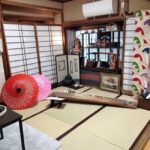
- A Japanese-Style Home With Masks, Statues, and Easy Conversation
- Hiroshima Timing: 15 Minutes From the Atomic Bomb Dome
- Price and Value: What You Get for $76 in 90 Minutes
- Who Should Book This (and Who Should Skip It)
- Meeting Point and How to Find Your Host Fast
- Should You Book This Kimono, Koto, and Tea Ceremony Experience?
- FAQ
- Where is the meeting point?
- How long is the experience?
- How much does it cost?
- What activities are included?
- What languages are supported?
- Is this a private group?
- Is it suitable for wheelchair users?
- What is the cancellation policy?
Key Things You’ll Remember
- Kimono for both men and women with time for getting dressed comfortably and looking your best
- Koto with Kazuko Mensing, a teacher with 40 years of practice and English fluency
- A simple tea ceremony that explains why small gestures matter in Japanese culture
- Try igo or shougi, plus a chance to hold fun photo props like a katana or umbrella
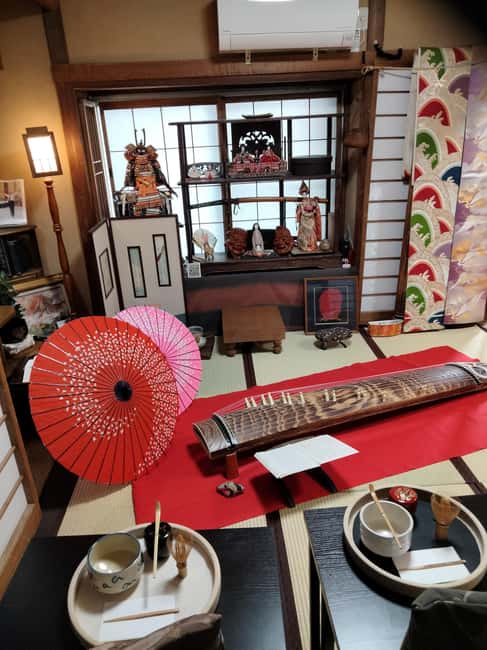
- A Japanese-style home setting with traditional masks, statues, and a laid-back, respectful vibe
Kimono Fit, Katana-or-Umbrella Photos, and the Confidence Boost
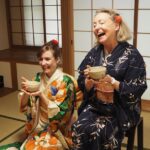
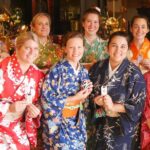
The experience starts with dressing in a kimono, and that’s not a small detail. Getting the fit right affects everything, from how you sit during tea to how relaxed you feel during photos. You’ll have both men’s and women’s kimono options, so it isn’t a one-size-for-everyone situation.
Then comes the part that makes your camera roll earn its keep: holding a katana or an umbrella for pictures. It’s playful, but it’s also practical because it gives you something fun to do while you’re adjusting to wearing traditional clothing. If you like taking photos in a way that feels meaningful rather than rushed, this setup helps.
One more thing I like: the whole environment stays calm. You’re not getting yanked from one station to another. Instead, it feels like being welcomed into a home where cultural items are normal, not costume props.
You can also read our reviews of more tours and experiences in Hiroshima.
Koto With Kazuko Mensing: Music That Gets Explained, Not Just Played
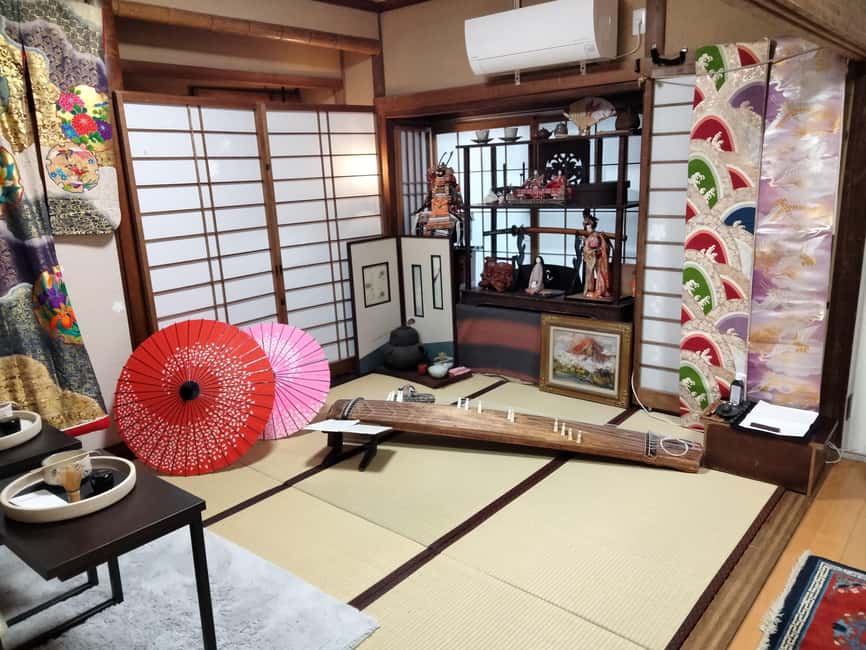
Koto is one of those instruments people see in movies, then assume it’s out of reach. Here, the experience is built so you’re not intimidated. The point isn’t virtuoso performance; it’s learning enough to understand the instrument and feel the rhythm in your hands.
With Kazuko Mensing, the teaching comes from decades of practice. She has studied koto for 40 years and is fluent in English, so she can translate technique and meaning without turning it into a lecture. That matters because you’ll be doing, not just listening.
Also, the koto lesson fits the overall tone of Hiroshima: quiet focus. You’re in a Japanese home, and the music lesson naturally encourages slower attention. Even if you’ve never touched a koto before, you’ll leave with a better sense of why Japanese music has that patient, deliberate feel.
Simple Tea Ceremony: Small Rituals, Big Cultural Meaning
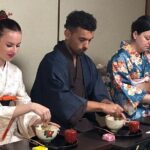
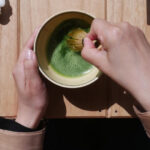
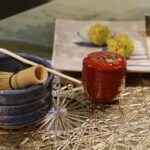
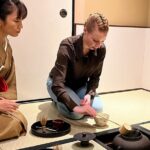
The tea ceremony in this experience is called simple for a reason: it gives you structure without making things feel complicated or performative. You’ll learn the significance of the ritual as you go, not after the fact. That means you can connect the steps to the idea behind them.
What you’ll likely notice is how much the ceremony is about attitude—how you handle the tea, how you move, and how you pause. In Hiroshima, that kind of steadiness lands differently. It’s not just a cultural activity; it’s a way to reset your head after walking through intense history nearby.
If you’re the type who wonders what you’re supposed to do in the moment, this is a good choice. The ceremony is taught in a way that helps you follow along comfortably, while still giving you enough context to understand the symbolism.
Igo or Shougi: Strategy Fun That Feels Very Japanese
After the calm of tea, the energy shifts in a fun direction with igo or shougi. These board games are serious enough to be interesting, but friendly enough that you don’t need years of practice to enjoy yourself. It’s also a nice contrast to the arts: instead of music or ritual, you’re working with strategy.
I like that this choice makes the experience feel interactive for different personality types. If you’re not super into instruments, you still have something active to do. If you’re more arts-and-crafts minded, the games still give you a cultural brain workout without being stressful.
And there’s a built-in cultural bonus: even when you’re playing casually, you’ll get a sense of how much Japanese everyday culture values patience and thinking ahead.
A Japanese-Style Home With Masks, Statues, and Easy Conversation
This isn’t held in a generic workshop space. You’ll be in a Japanese-style home decorated with cultural masks, statues, and traditional touches. That matters more than it sounds because it shapes how you experience the activities. The environment helps you understand that these traditions live in real spaces, not just in museums.
The social side is also part of the value. Kazuko Mensing has lived in Hiroshima her whole life, and her background brings conversation into the room. People often leave remembering not only what they did, but what they learned about cultural differences and daily life.
Some groups also connect more personally—like meeting her husband, who is described as an American historian. If that conversation happens during your visit, it can turn into a bonus cultural exchange that adds context to what you see in the city. And yes, those chats can lead to food ideas too, including suggestions for local okonomiyaki.

Hiroshima Timing: 15 Minutes From the Atomic Bomb Dome
The location is one of the smartest parts of this plan. With the Atomic Bomb Dome around a 15-minute walk away, you can build your day in a way that makes emotional sense.
I like using this kind of experience as a “breather” after major history stops. You’ll go from walking, reading, and processing to sitting, listening, tasting tea, and doing something hands-on and human. That shift can help you feel steady instead of overwhelmed.
Practical tip: if you’re doing this after visiting the Dome, keep your schedule flexible. The kimono and the tea ceremony take time in your body, not just on the clock. Plan for the walk back afterward when you’re done so you’re not rushing while still feeling the effects of the ritual.
Price and Value: What You Get for $76 in 90 Minutes
At $76 per person for 90 minutes, you’re paying for more than a class. You’re paying for a full cultural “mini-world” with guided instruction, clothing, and activities that don’t feel outsourced.
Here’s what that price covers:
- Kimono dressing in a real home setting
- Hands-on time playing koto
- A guided simple tea ceremony
- Cultural photo props (katana and umbrella)
- Traditional board games (igo or shougi)
- Relaxation time in a Japanese environment
From a value perspective, the biggest win is integration. Instead of separate tickets for dressing, music, and tea, you get one guided flow with the same host. That means fewer logistical headaches and a more coherent experience overall.
Also, you’re not just buying a skill. You’re getting teaching from someone with lived Hiroshima experience, plus English support that keeps communication smooth.
Who Should Book This (and Who Should Skip It)
This is a great match if you want cultural depth without feeling like you’re studying for an exam. You’ll enjoy it if you like trying things yourself—wearing kimono, learning koto, participating in tea, and playing igo or shougi.
It’s also a good fit for couples, friends, and families who want a private setting. One review story involved a 9-year-old who found the games and creative parts especially exciting, which tells me this isn’t only for adults.
A key limitation: it’s disability-friendly in the sense that they aim to accommodate, but stairs are required. It’s also not suitable for wheelchair users, based on what’s stated. If mobility is a concern, it’s worth checking your comfort with stairs before booking.
Meeting Point and How to Find Your Host Fast
You’ll meet outside a Familymart right by Toukaichi Station. Your guide wears a short black kimono jacket, which helps you spot them quickly.
If you’re already in Hiroshima exploring on foot, this meeting point is convenient, and the easy location helps reduce stress—especially when you’re later wearing a kimono that makes you want to move carefully.
Bring your camera, but also bring your patience. When you’re getting dressed and learning cultural steps, the best experience comes when you let the pace be slower.
Should You Book This Kimono, Koto, and Tea Ceremony Experience?
If you’re aiming for something more personal than a standard sightseeing add-on, I’d say yes. For $76, you get a full cultural package: kimono dressing, koto instruction, tea ceremony guidance, traditional games, and a home environment that feels authentic.
Book it when you want a respectful, hands-on day in Hiroshima that connects to local life rather than staying surface-level. Skip it only if stairs and mobility limits would make the visit uncomfortable for your group, since the experience isn’t suitable for wheelchair users.
FAQ
Where is the meeting point?
You meet outside a Familymart right by Toukaichi Station. Your guide will be wearing a short black kimono jacket.
How long is the experience?
It lasts 90 minutes.
How much does it cost?
The price is $76 per person.
What activities are included?
It includes kimono dressing, koto playing, a simple tea ceremony, holding a katana or an umbrella for photos, and relaxing in a Japanese-style environment. You can also try igo or shougi.
What languages are supported?
The instructor speaks English and Japanese.
Is this a private group?
Yes, it’s listed as a private group.
Is it suitable for wheelchair users?
It is disability-friendly, but stairs are required, and it is not suitable for wheelchair users based on the provided information.
What is the cancellation policy?
Free cancellation is available up to 24 hours in advance for a full refund.