REVIEW · SHANGHAI
Unlock Chinese Tea: Culture, Science, Tasting & Hands-on Brewing
Book on Viator →Operated by Max&Mini Shanghai · Bookable on Viator
Tea can be fun.
This hands-on Shanghai workshop pairs small-group attention with real brewing practice, so it’s not just watching someone pour tea. I like that Max keeps it practical and explain-the-why, from how tea became a daily drink to how processing changes flavor. The one drawback to consider: it’s a focused session rather than a full sightseeing tour, so plan it for a time when you’re happy to slow down.
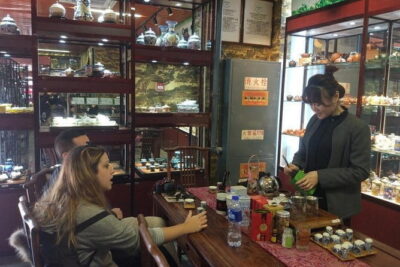
Inside a private cozy tea room in Old Town, you’ll taste and compare multiple Chinese teas, learn how to read tea by look and aroma, and practice traditional brewing using different tea ware like a gaiwan and clay pots. It’s led only by Max, an English-speaking certified guide (and previously a PayPal ESG Lead/Sr. trainer), which shows up in the structure and pace. If you’re expecting a wide range of stops around the city, this is more of a concentrated tea lesson than a route with big photo moments.
In This Review
- Key highlights you’ll actually use
- Meet Max&Mini Shanghai’s tea guide, Max
- Old Town tea house time: cozy, private, and practical
- What you learn: tea’s story, from herb to daily ritual
- The tasting flight: compare teas by the six major categories
- Hands-on brewing: gaiwan and clay pots, plus etiquette
- Tea snacks matter: what you eat and what it teaches
- How long it takes, and how the timing feels
- Price in real terms: $72 buys skills, not just sips
- Who should book this tea workshop in Shanghai
- Practical tips to get the most from your session
- Should you book Unlock Chinese Tea with Max&Mini Shanghai?
- FAQ
- FAQ
- What is the duration of the experience?
- How much does it cost?
- Where do I meet for the tour?
- What’s the maximum group size?
- What’s included in the workshop?
- Are tips included?
- Will I taste different types of Chinese tea?
- Will I practice brewing tea, or is it just tasting?
- What payment or ticket format is used?
- Is the experience near public transportation, and are service animals allowed?
- Is there free cancellation?
Key highlights you’ll actually use
- Max teaches culture and science together, so tasting feels logical instead of random
- You practice brewing (not just drink) using tools like gaiwan and clay pots
- A full comparison approach with teas grouped by the six major Chinese tea categories
- Tea snacks plus snack logic, so you understand what pairs well and why
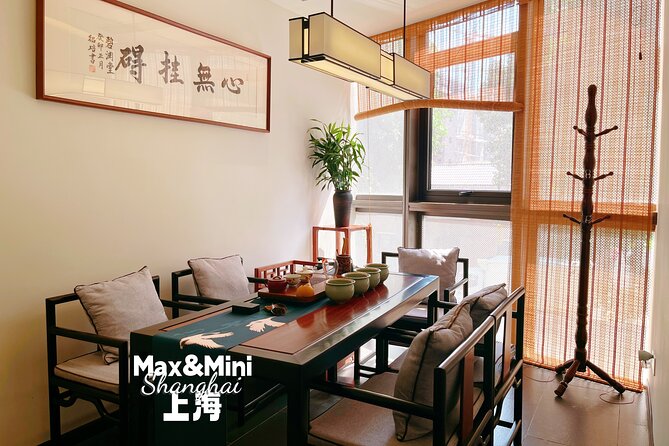
- Cozy private tea room with practice ware and air conditioning for comfort
Meet Max&Mini Shanghai’s tea guide, Max
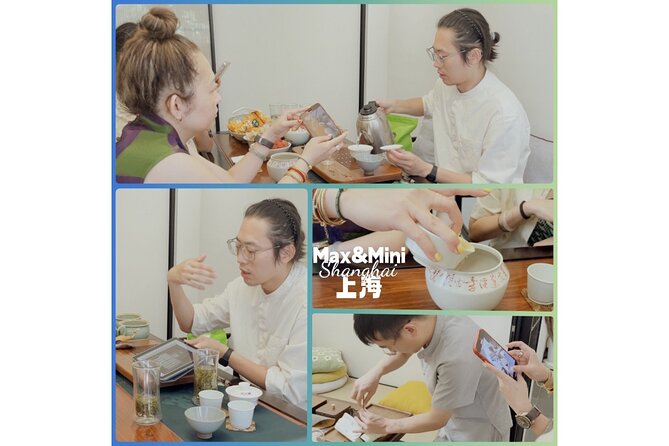
This experience runs with one guide: Max. The format matters. With only Max leading you, you get smoother explanations and more chances to ask the questions that pop up during tasting, not after the session ends.
Max is described as a certified English guide specializing in cultural deep-dive experiences, with a serious focus on tea and Chinese culture. That blend is what you want in a workshop: some guides only talk history, others only talk technique. Here, you get both, and it stays connected to what you’re tasting in the cup.
You can also read our reviews of more tours and experiences in Shanghai.
Old Town tea house time: cozy, private, and practical
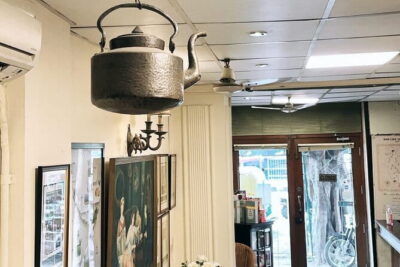
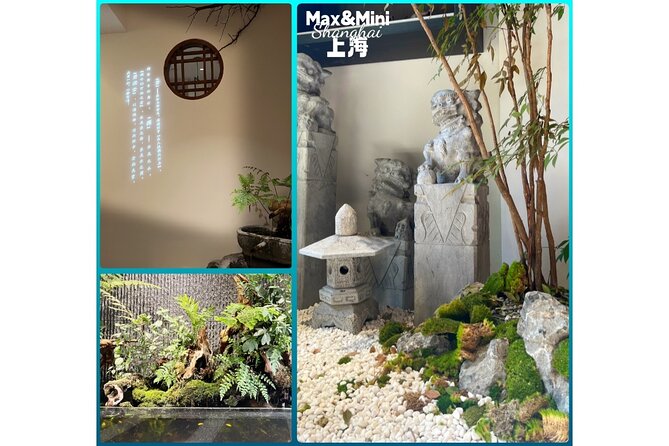
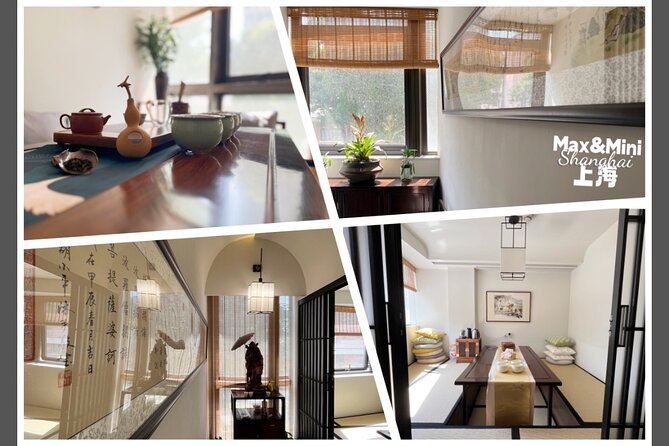
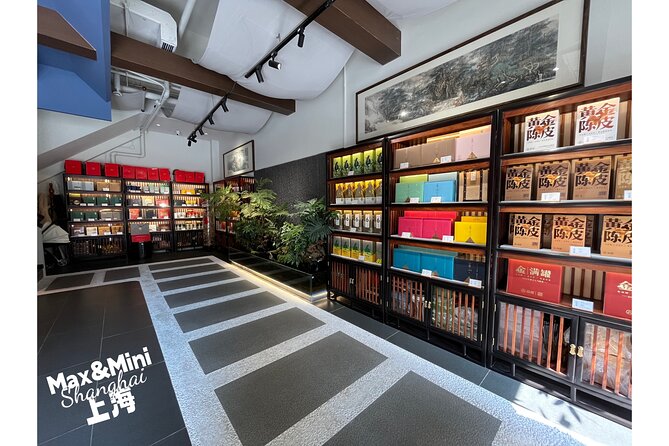
You start at 宁海招待所 (149弄100号 南车站路, 黄浦区, 上海 200011) and the activity ends back there. The main action happens in a private cozy tea house room, with air conditioning and practice tea ware set up for you.
That setup is more important than it sounds. A comfortable room means you can focus on the details of brewing—temperature, steep time, and the way tea releases flavor. You’re not rushing between steps or sharing space in a chaotic setting where it’s hard to notice what changed.
Also, the group size is capped at 7 travelers. That keeps the session from feeling like a classroom where you never get a turn.
What you learn: tea’s story, from herb to daily ritual
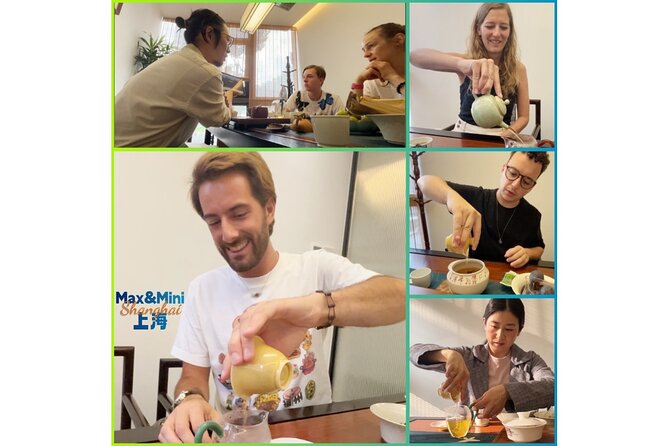
One reason this workshop gets strong praise is the way it teaches the story of tea as something that evolved. You’ll hear how tea began as an herb and how it became part of daily life across Chinese dynasties.
That background helps your tasting. If you know tea’s role in culture—when it was valued, how it spread, and why different styles emerged—you taste differences with more context. You stop treating tea like a single product and start treating it like a set of crafted choices.
The workshop also uses visual aids about tea types and crafting. Even if you already know a bit, visuals can help you connect the dots between leaf processing and the cup you’re holding.
The tasting flight: compare teas by the six major categories
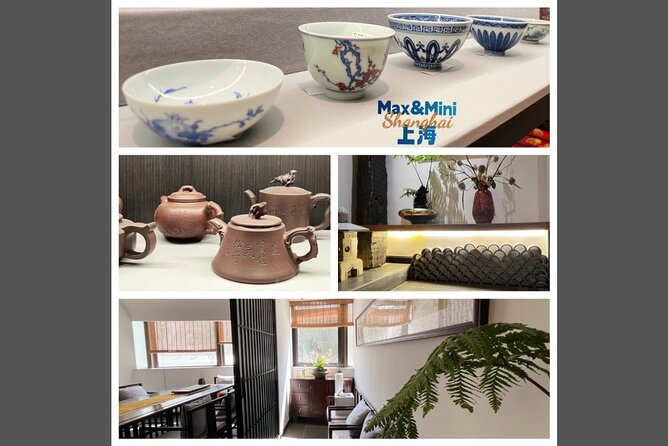
You’ll taste and compare diverse Chinese teas and build basic tasting skills. The goal isn’t fancy vocabulary. It’s learning how to notice what changes when the tea changes: aroma intensity, bitterness, sweetness, and how the aftertaste settles.
The workshop specifically focuses on China’s six major tea categories—including examples like green, black, and oolong. Even though the categories are a simple framework, they reflect real differences in processing, and processing is the part that directly shapes flavor.
A practical perk: tasting is paired with explanation. You’re not just told what to like. You’re guided to connect what you perceive to the type of tea and the way it’s made.
Hands-on brewing: gaiwan and clay pots, plus etiquette
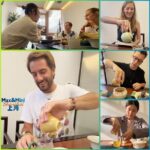
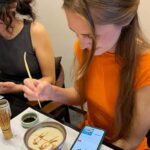
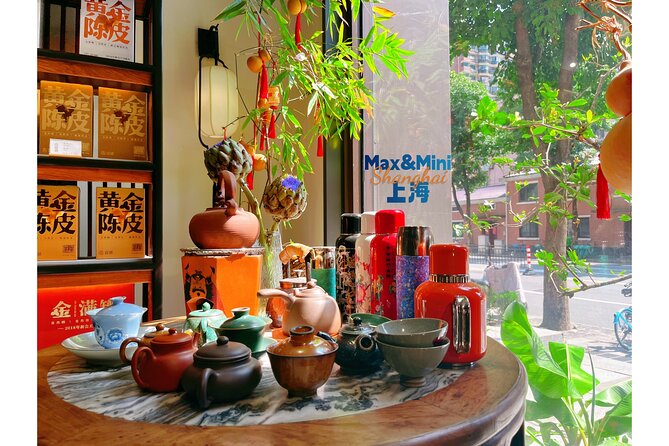
This is where the experience turns from interesting to useful. You don’t just sip; you practice traditional brewing methods using different tea ware—such as gaiwan and clay pots.
You also learn tea etiquette. That sounds formal, but in practice it means how to handle the tools, how to observe the first steep, and how to keep your brewing consistent enough to compare teas. Consistency is the difference between guessing and actually learning.
Because the room includes practice tea ware, you can follow the steps without playing catch-up. The session duration is long enough (about 2 hours 30 minutes) that you get multiple opportunities to taste and adjust your brewing.


Tea snacks matter: what you eat and what it teaches
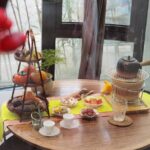
Snacks are included, and you’ll learn what people eat alongside tea. The workshop notes that you’ll get snacks and that seasonal fruit like pomelo may be part of the pairing.
This is more than a food add-on. Tea changes how your palate resets, and snacks can either soften the edges of a tea or highlight aroma and texture. When someone explains the pairing logic, you leave with a sense of how to build your own tea moments later.
How long it takes, and how the timing feels
The workshop runs about 2 hours 30 minutes. That’s a sweet spot: long enough to learn a few core tasting skills and still have time to brew, taste, and ask questions.
Because it’s a small group (max 7), the pace is steady rather than rushed. You can expect a structured flow—listening and visuals, then tasting, then hands-on brewing. The session ends back at the meeting point.
If you’re building a day in Shanghai, treat this like a planned pause. Pair it with lighter activities before or after, since tea sessions tend to leave you ready to sit, chat, and focus on details.
Price in real terms: $72 buys skills, not just sips
At $72 per person, this isn’t the cheapest tea event in town. But it’s also not only a tasting flight you complete in one pass.
You’re paying for:
- An English-speaking guide who leads the entire experience
- Tasting of multiple teas
- Snacks (including tea snacks, with seasonal fruit possible)
- A private cozy tea room with practice tea ware and comfort like air conditioning
- Hands-on brewing using different tea tools
In other words, you’re buying the “how to do it” part. That’s why the value feels strong: you leave with repeatable technique, not just memories of flavors.
If you love tea already, this helps you level up quickly. If you’re a beginner, it gives structure so you don’t feel lost.
Who should book this tea workshop in Shanghai
This fits best if you:
- Want a calm, culture-focused activity in Shanghai
- Enjoy learning through doing, not just listening
- Like tea enough to care about categories and brewing method
- Prefer a small group setting with lots of questions
It may not fit if you want a big itinerary with lots of neighborhoods and photo stops. This is about tea culture as the main event.
Practical tips to get the most from your session
Bring a curious mindset. Ask questions as you taste, not after you’re done brewing. If you’re new to tea, focus on three things: aroma, first taste impression, and how it finishes in your mouth.
Also, pay attention to timing when you steep. The session teaches brewing methods, and the fastest way to learn is to compare what you taste when you slightly change your steps.
Finally, since snacks are included, don’t arrive starving or you’ll rush through the tasting moments. Light hunger is fine; full hunger can steal attention from the aroma work.
Should you book Unlock Chinese Tea with Max&Mini Shanghai?
Yes, if you want a structured, hands-on Chinese tea experience with real take-home skills. The standout strength is the combination: small-group attention, a dedicated English guide (Max), tasting plus explanation, and then brewing practice with tools like gaiwan and clay pots.
Book it if you’ll enjoy slowing down in a cozy setting and learning the science and etiquette behind what’s in your cup. Skip it only if you’re chasing a fast sightseeing day or you expect a purely casual drink-with-friends format.
FAQ
FAQ
What is the duration of the experience?
It runs for approximately 2 hours 30 minutes.
How much does it cost?
The price is $72.00 per person.
Where do I meet for the tour?
You meet at 宁海招待所, China, Shang Hai Shi, Huang Pu Qu, 南车站路149弄100号 邮政编码: 200011.
What’s the maximum group size?
The experience has a maximum of 7 travelers.
What’s included in the workshop?
Coffee and/or tea for tasting, snacks, and a private cozy tea house room with practice tea ware and air conditioning.
Are tips included?
Tips for the host are not included.
Will I taste different types of Chinese tea?
Yes. You’ll taste various Chinese teas, and the session includes learning about China’s six major tea categories.
Will I practice brewing tea, or is it just tasting?
You’ll practice traditional brewing methods using different tea ware, including gaiwan and clay pots, plus tea etiquette.
What payment or ticket format is used?
You get a mobile ticket, and confirmation is received at the time of booking.
Is the experience near public transportation, and are service animals allowed?
Yes, it’s near public transportation, and service animals are allowed.
Is there free cancellation?
Yes. You can cancel for a full refund if you cancel at least 24 hours in advance.