REVIEW · SHANGHAI
Chinese Tea Ceremony Experience
Book on Viator →Operated by Glopen · Bookable on Viator
Tea time can be more than a sip. This one mixes Song Dynasty tea whisking (Dian Cha) with hands-on brewing, in a calm, traditional Chinese setting. I like that you’re not just watching from the sidelines—you learn how tea is made and how different types behave in the cup. Second, you’ll taste and brew a range of traditional teas, from light green styles to stronger pu’er, guided by an experienced tea master.
One watch-out: it’s about 3 hours, so it’s best if you want a slower, structured experience rather than a quick stop-and-go activity. Also, there’s no private transportation included, so you’ll want to plan how you’ll reach Baoqing Road on your own.
If you like cultural details you can actually use—how to whisk, brew, and compare teas—this is a great fit. And if you want the photos, the optional Hanfu adds a fun visual layer to the whole experience.
In This Review
- Key Things I’d Mark on Your Shanghai Tea List
- What You’re Really Buying: A Tea Lesson With History and Hands-On Brewing
- Song Dynasty Dian Cha: The Whisking Technique You Don’t See in Standard Tastings
- Tasting and Brewing Traditional Teas: Green to Pu’er With Real Comparisons
- The Tea Room Ambiance: Traditional Furnishings, Tools, and the Optional Hanfu Moment
- Price and Value in Shanghai: Is $159 Worth It?
- Where and How to Meet: Baoqing Road in Shanghai (Easy to Find, Plan Your Arrival)
- Who This Tea Ceremony Workshop Is Best For
- FAQ
- FAQ
- How long does the Chinese Tea Ceremony experience last?
- What’s included in the ticket price?
- Where do I meet for the experience?
- Is this a shared group tour or private?
- Can I wear Hanfu during the experience?
- Are service animals allowed?
- Should You Book This Chinese Tea Ceremony Experience?
Key Things I’d Mark on Your Shanghai Tea List
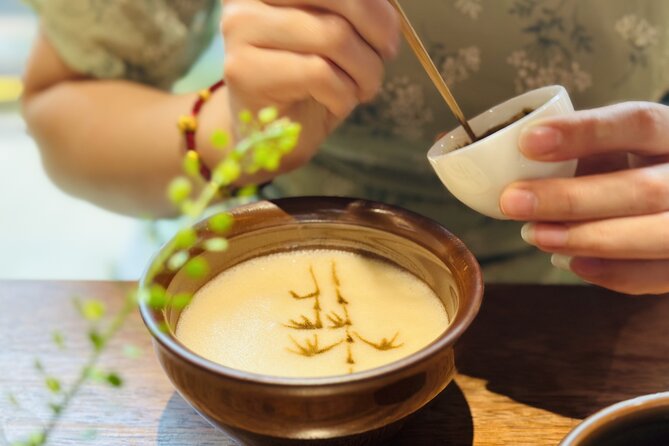
- Hands-on Dian Cha practice: Learn the Song Dynasty tea whisking technique, not just the theory
- Taste-to-brew learning: You sample different traditional teas and then work with the brewing
- Tea range from green to pu’er: You get contrast in flavor style and strength
- Serene traditional tea-room vibe: Authentic furnishings and utensils set the mood
- Optional Hanfu for photos: Easy way to make the experience feel more “event-like”
- Coffee and/or tea included: You start with something warm while you learn
What You’re Really Buying: A Tea Lesson With History and Hands-On Brewing
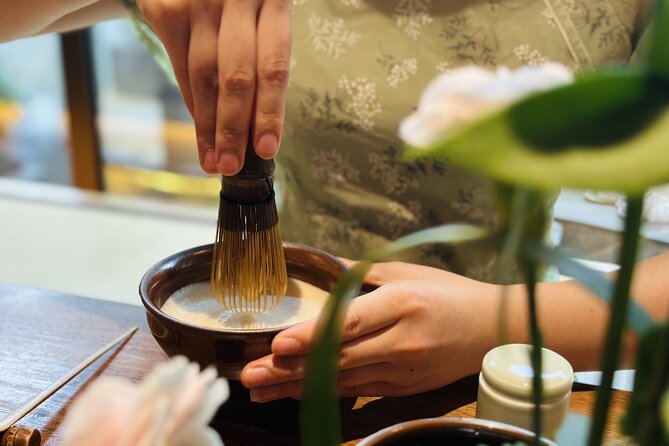
This experience is built around something most casual tea tastings don’t do well: you leave with better instincts, not just a memory. The core is Song Dynasty Tea Whisking, called Dian Cha, plus guided tasting and brewing of several traditional Chinese tea categories. In other words, you’re learning how tea changes when you treat it differently—through the way it’s prepared, not just the flavor notes.
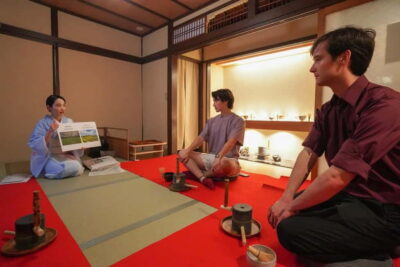
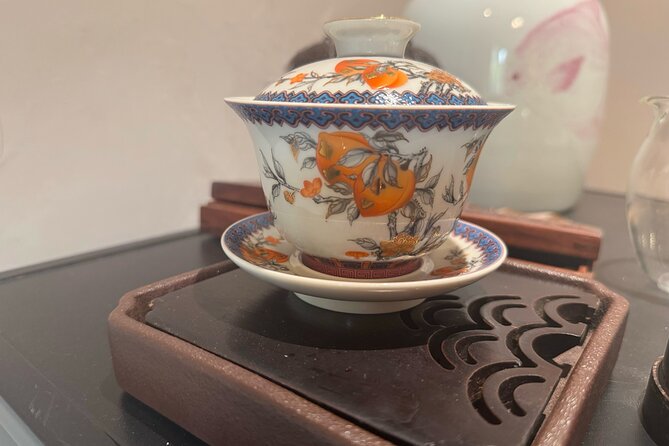
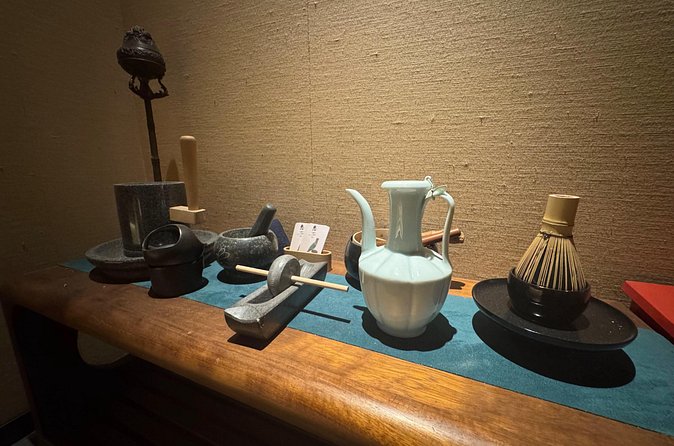
And it’s not in a loud tasting room. The setting is styled with traditional Chinese furnishings and tea utensils, which matters more than people think. When you’re in a calm space, you notice the small stuff: the pacing of the session, the attention to the tools, and the way the tea master explains each step.
Also, you get a tea set as part of the experience. That sounds small, but it usually means they’re set up for you to practice properly rather than just sample from disposable cups.
You can also read our reviews of more tours and experiences in Shanghai.
Song Dynasty Dian Cha: The Whisking Technique You Don’t See in Standard Tastings
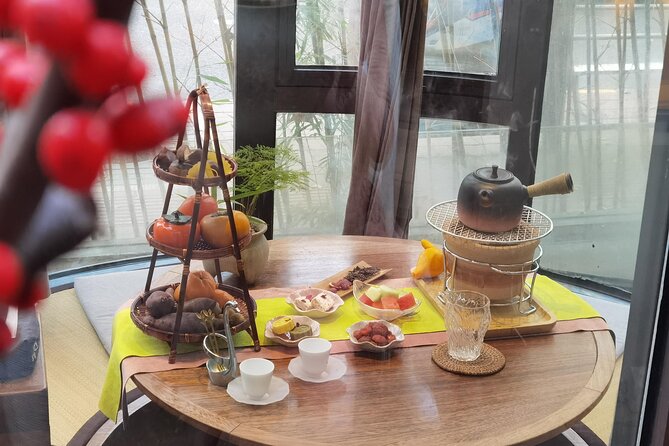
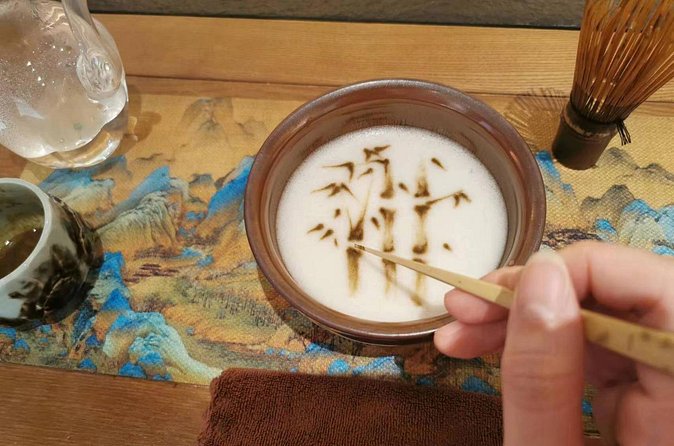
The headline for this tea workshop is the Dian Cha lesson. It’s a method of whisking tea that’s tied to the Song Dynasty, and it’s specifically framed as something that predates modern matcha preparation. That’s helpful context for your brain: you’re not just doing a cute tea craft. You’re learning a historically rooted technique.
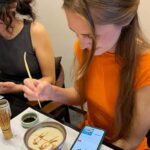
In practice, this means your session starts with learning how to do the whisking step. You’ll be guided by an experienced tea master, so you’re not stuck guessing. And because it’s hands-on, you’ll understand what’s hard about it right away—timing, motion, and consistency are the kinds of details that make this feel like a real skill.
Why I think this part is worth the time: most tea tastings stop at aroma and taste. Dian Cha adds texture and technique. Once you’ve tried whisking, you start noticing how tea presentation affects your experience. Even if you don’t become a whisking expert by the end, you’ll walk away with a better sense of how different Chinese tea traditions show up in the cup.
Tasting and Brewing Traditional Teas: Green to Pu’er With Real Comparisons
After Dian Cha, the session turns into tasting and brewing different categories of traditional Chinese tea. The framing here is useful: you’ll go from delicate green tea styles to bold pu’er. That contrast is the point. Green tea tends to feel lighter and more precise, while pu’er is typically heavier and deeper in character—so comparing them side by side gives you a clear read on how tea culture can shift dramatically.
What I like about this is that it’s not just “try a sample and move on.” The experience guides you to taste and brew the teas, which helps you feel the difference between sipping and actually making the tea. Even if you’re not brewing at home yet, you’re learning what might change when you adjust approach—how you handle the leaves, how the session is paced, and what you should pay attention to during the tasting.
One detail worth noting from the experience feedback: the explanations include not just how to drink tea, but also how the teas are manufactured. That kind of context makes the tasting more meaningful, because you start connecting process to flavor behavior. You’ll likely leave with a stronger sense of why one tea feels more delicate and another feels more robust.
The Tea Room Ambiance: Traditional Furnishings, Tools, and the Optional Hanfu Moment
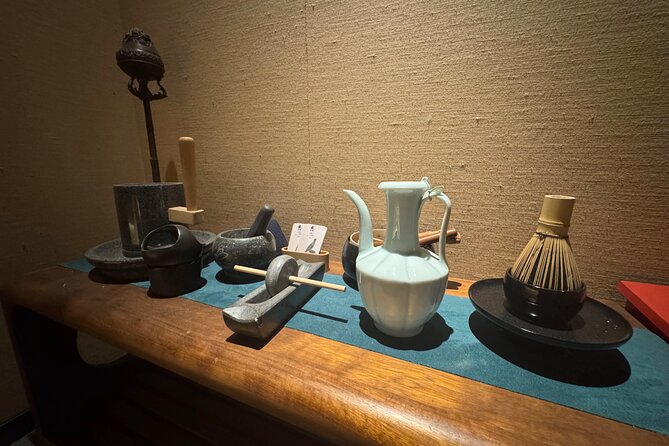
This takes place in a beautifully styled Chinese setting, with traditional furnishings and tea utensils. That kind of environment does two things. First, it keeps you focused on the tea. Second, it helps you understand the ceremony as a cultural ritual, not an Instagram prop.
The optional Hanfu is a nice add-on if you like photos and dress-up experiences. It’s not required for the tea lesson, but it can turn the session into something you’ll remember more vividly. If you’re visiting Shanghai and want one activity that feels distinctly “Chinese” in atmosphere, this does that well.
Small practical note: Hanfu options can mean you should wear something easy to adjust and comfortable enough for sitting. Since you’re there about three hours, comfort matters more than you expect.
Price and Value in Shanghai: Is $159 Worth It?
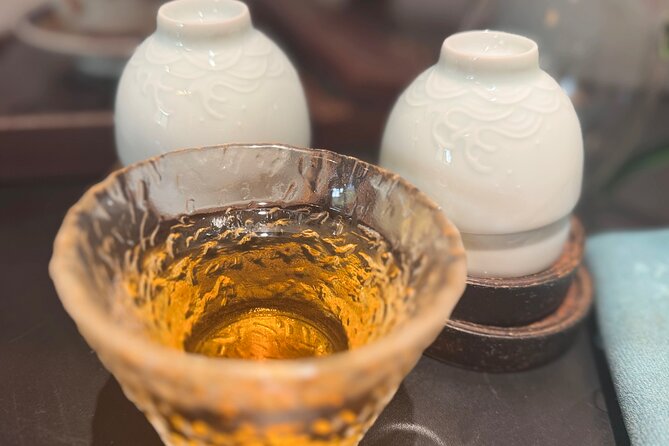
At $159 per person for a roughly 3-hour experience, this isn’t the cheapest thing on the Shanghai menu. But it can still be good value if you want more than a quick tasting.
Here’s how I judge the value:
- You’re getting hands-on instruction (Dian Cha whisking plus brewing practice), not just samples. That added time and coaching usually costs more than self-guided tastings.
- You’re tasting multiple traditional tea categories, including green tea and pu’er. The range is the difference between a basic tasting and a real learning session.
- Included items help: coffee and/or tea is included, and you also receive a tea set.
- The experience mentions group discounts, and it’s commonly booked a few days in advance (about 5 days on average). If you can time it and group up, you usually get a better overall deal.
Two additional value points: it’s private in the sense only your group participates, and there’s a mobile ticket. That reduces hassle once you arrive. The bigger question is your travel style—if you enjoy workshops, this price can feel fair. If you only want a fast taste, you might feel it’s more structured than you need.


Where and How to Meet: Baoqing Road in Shanghai (Easy to Find, Plan Your Arrival)
The meeting point is Baoqing Road (Bao Qing Lu), Xu Hui Qu, Shanghai, 200031, and the activity ends back at the meeting point. That “start and end in the same place” setup is handy when you’re planning a day with multiple stops.
It’s also listed as near public transportation, which is a big deal because private transportation isn’t included. So don’t count on a driver. Build in a little travel buffer, especially if you’re navigating around rush hours or switching subway lines.
Because it’s about three hours long, I’d treat it like a fixed appointment. Arriving a few minutes early is the easiest way to avoid feeling rushed.
Who This Tea Ceremony Workshop Is Best For
This is a strong match if:
- you want a culture-and-skills experience, not just a tasting flight
- you like calm, structured activities where someone teaches you the steps
- you’re curious about Chinese tea traditions beyond common supermarket labels
- you enjoy photo-friendly moments like the optional Hanfu
It’s probably less ideal if:
- you’re looking for a very casual, self-guided break
- you hate sitting through explanations (this experience is built around learning)
- you want a transportation package with pickup (it doesn’t include private transport)
If you’re traveling as a couple, a small group of friends, or with family, the private-group format can be a comfort. It also helps if you want questions answered without feeling like you’re in a crowd.
FAQ
FAQ
How long does the Chinese Tea Ceremony experience last?
It lasts about 3 hours.
What’s included in the ticket price?
Coffee and/or tea are included, and a tea set is included.
Where do I meet for the experience?
You start at Baoqing Road (Bao Qing Lu), Xu Hui Qu, Shanghai, 200031, and it ends back at the same meeting point.
Is this a shared group tour or private?
It’s private in the sense that only your group participates.
Can I wear Hanfu during the experience?
Hanfu is available as an optional add-on for a more immersive experience and photos.
Are service animals allowed?
Yes, service animals are allowed.
Should You Book This Chinese Tea Ceremony Experience?
If you want one Shanghai activity that feels thoughtful, hands-on, and genuinely tied to tradition, I’d lean yes. The Dian Cha whisking lesson gives you a skill component most tea tastings skip, and the green-to-pu’er tasting plus brewing practice helps you make real comparisons instead of collecting a few sips and calling it done.
Book it if you enjoy workshops and you like being guided through steps. Skip it if you’re only after a quick, low-effort tea sample or if you need a full transportation package—since private transportation isn’t included, you’ll want to plan your arrival to Baoqing Road.