REVIEW · ALBERTA
Discover the Lake Agnes Tea House Trail with an Audio Nature Tour
Book on Viator →Operated by Tripvia Tours · Bookable on Viator
A phone that talks your way to Tea House views. This Lake Agnes Tea House Trail audio nature tour turns your smartphone into a guide on the walk from Lake Louise into Banff scenery. You get live GPS, stop-by-stop narration, and a little location game, all designed to keep you moving at your pace without joining a crowded group.
What I really like is how private it feels: it is just your party, so you are not stuck pacing with strangers or listening to someone else’s pace call. I also love that once you download the app on Wi-Fi, the tour works without signal, so you can focus on the trail instead of hunting for bars.
One thing to consider up front: this hike is all uphill, and toward the end the path can feel rocky. If you are not comfortable with steady climbs, shorten your goals or bring a slower plan so you do not rush the last stairs to Lake Agnes Tea House.
In This Review
- Key points to know before you walk
- Lake Agnes Tea House Trail: audio guide for a calmer Lake Louise day
- Price and timing: what you get for about $8.22
- The private part: why going alone with a guide still feels guided
- Stop-by-stop: your walk from Fairmont to Lake Agnes Tea House
- Stop 1: Fairmont Chateau Lake Louise (your launch point)
- Stop 2: Lake Louise and the name behind it
- Stop 3: Victoria Glacier in plain language
- Stop 4: Banff National Park—big history, short and usable
- Stop 5: Banff’s boreal biome and what changes as you climb
- Stop 6: Wildlife crossing design (the underpass story)
- Stop 7: Switchbacks and the first turquoise glimpse
- Stop 8: Castleguard Cave (mentioned, not necessarily seen)
- Stop 9: Wildlife facts that make you look up
- Stop 10: Mirror Lake and Big Beehive Peak
- Stop 11: Lake Agnes Tea House and the final stairs
- Stop 12: Lake Agnes summit views at about 7,005 feet
- Stop 13: Castle Mountain reference on the way back
- Stops 14–17: finish with peaks, Indigenous time, recreation, and glacial melt context
- What the app actually does on your phone (and how to make it reliable)
- A practical tip: plan for phone basics
- Is this hike for you? Fitness and trail expectations
- Should you book the Lake Agnes Tea House Trail audio tour?
Key points to know before you walk
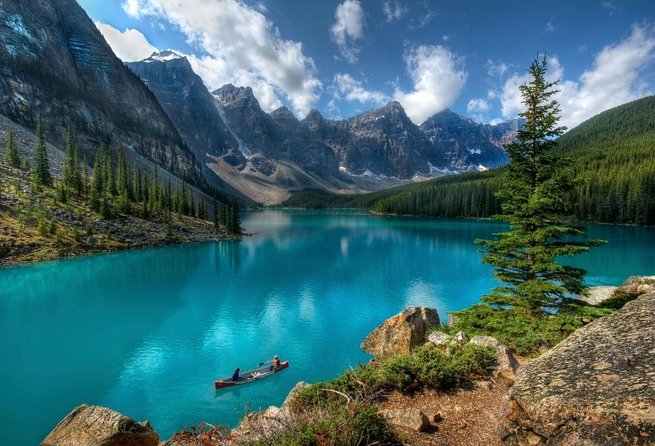
- Offline audio with live GPS after you download on Wi-Fi
- Private experience with only your group, no other travelers joining
- 7 km route to the Tea House with stop-based narration that plays as you approach
- Stop variety from Lake Louise viewpoints to boreal forest and wildlife crossings
- Trivia and a location game at points along the way (optional)
- No headphones provided, so plan on your device speaker or bring your own
Lake Agnes Tea House Trail: audio guide for a calmer Lake Louise day
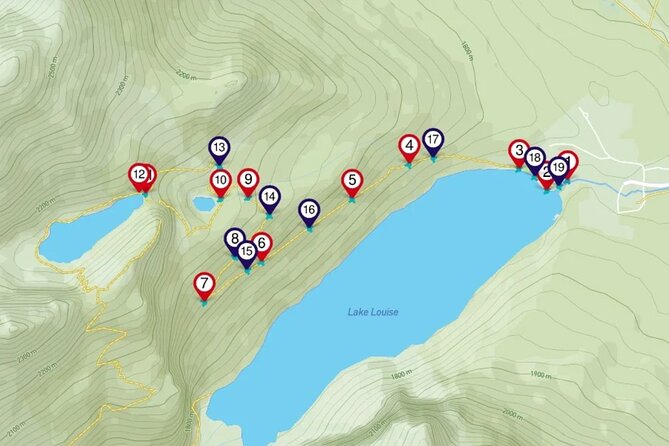
If Lake Louise is on your itinerary, this is one of the easiest ways to make the day feel personal instead of rushed. You start at Fairmont Chateau Lake Louise and follow a trail toward the famous Lake Agnes Tea House area, with a guide voice coming through your phone when you reach key points.
The main idea is simple: you get the storytelling and timing of a tour, but you stay in control of your pauses. That matters here, because the scenery grabs your attention, and the trail rewards a slow look as much as it rewards steps.
You also get guided learning that is not just random facts. The audio points you toward specific things to notice—plants and animals, glacier context, wildlife crossing design, and Indigenous place-name meaning—so you do not just pass by views. You understand what you are looking at while you look.
Price and timing: what you get for about $8.22
At $8.22 per person, this is one of those deals that feels almost too practical. You are paying for a smartphone-guided experience: GPS routing, automated commentary, and a playable location game, not for someone physically leading you step-by-step.
The duration is listed around 2 to 3 hours, and that feels right for a moderate pace with a couple stops for audio and photos. You are also walking a 7 km trail, and the narration has multiple short segments across the route, so your time stretches naturally.
The booking pace—an average of 57 days in advance—suggests it stays popular, especially in the busier seasons. If you are aiming for a specific day, it is smart to lock it in earlier so you are not improvising.
The private part: why going alone with a guide still feels guided
This tour is a private tour/activity, meaning only your group participates. There is no mixing, no group herd, and no need to keep up with someone who treats the trail like a treadmill. If you like quiet hiking, this is a big plus.
At the same time, you still get structure. The narration is built around a set sequence of points, and the audio is supposed to auto-play when you get close. So you are never fully on your own, even though you are not with other visitors.
One more detail I appreciate: you can take your time. The tour is yours to keep and enjoy anytime in the Tripvia Tours app, which means you are not stuck trying to memorize everything in the moment.
Stop-by-stop: your walk from Fairmont to Lake Agnes Tea House
Think of this route as three phases: start with orientation, climb with growing views, then crest into Tea House territory. The audio stops are designed to match those stages.
Stop 1: Fairmont Chateau Lake Louise (your launch point)
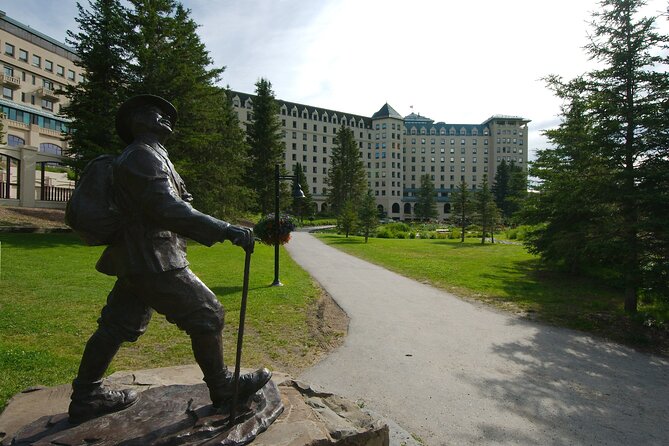
You begin at 111 Lake Louise Dr by Fairmont Chateau Lake Louise and the audio guide starts as you explore the Lake Agnes Tea House Trail. This first phase frames the walk, including what to look for in the plants and animals around you and some of the history of the area.
You will also get early mentions of key scenery themes—Victoria Glacier, Lake Louise, Mirror Lake, and more—so your brain starts connecting distant views to the trail you are actually on.
There is also a location game idea here. After the commentary plays, you look at your device and tap your guess at the answer. It is optional, but it adds a fun edge if you are hiking with teens or just want your attention to stay up.
Stop 2: Lake Louise and the name behind it
As you wind further down the trail, the audio shifts to the lake itself. You get a poetic moment: Lake Louise is described as the Lake of Little Fishes, and the tour notes the meaning in the Nakoda (Nah-koh-dah) language.
Even if names are not usually your thing, this kind of place-name context changes how you look at the water. Instead of seeing scenery only, you start noticing how people described the place.
Stop 3: Victoria Glacier in plain language
The narration then anchors the iconic view backdrop: Victoria Glacier is the glacier behind the Lake Louise vista. This helps because when you stand in front of Lake Louise, it is easy to notice the turquoise and forget that the color and drama are tied to glacial conditions.
Stop 4: Banff National Park—big history, short and usable
Next up, you get a quick history primer: Banff National Park is Canada’s oldest national park, established in 1885, and it is noted as the third oldest in the world.
This is useful when you are on a trail like this, because it explains why the region is so protected and why the park experience carries weight.
Stop 5: Banff’s boreal biome and what changes as you climb
As the trail inclines, the forest thickens, and the audio points out the boreal forest context. This is one of those narration stops that makes the walk feel more like a guided observation walk.
You are not just “going uphill.” You are moving through a biome, and the vegetation patterns can tell you that story if you pay attention.
Stop 6: Wildlife crossing design (the underpass story)
Here you get the kind of detail you usually miss on the drive in. The audio explains wildlife crossings—underpasses with trees and grass on top—and describes how they can look like a pair of large spectacles.
It is a clever checkpoint because you can literally match the idea to what you may have noticed on the road: wildlife needs safe routes, and the park has engineering solutions.
Stop 7: Switchbacks and the first turquoise glimpse
The narration shifts to trail mechanics. You get a note about the switchbacks reducing the incline on mountainous trails like this, plus the “through the trees” timing for the first turquoise glimpse of Lake Louise.
This is one of the most helpful stops because it gives you permission to move slower. Switchbacks can feel like you are not making progress, but that design is there to keep the climb sustainable.
Stop 8: Castleguard Cave (mentioned, not necessarily seen)
You also get a note about caves in Banff National Park, specifically Castleguard Cave. The tour text implies you will not see it on this particular trail, but it is a useful example of what else the broader park has to offer.
That can spark ideas for a future day trip, even if you do not have time to chase caves on this hike.
Stop 9: Wildlife facts that make you look up
You are told about the wildlife richness here: up to 310 species of birds and 840 species of plants. The stop is basically a reminder to stay alert for small signs, not just for big animals.
In a place like this, that matters. You can go hours noticing only views and miss the actual living world around you—so the audio nudges you toward the right mindset.
Stop 10: Mirror Lake and Big Beehive Peak
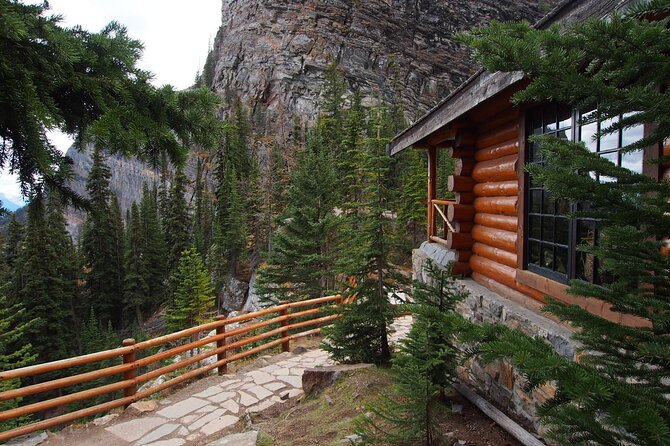
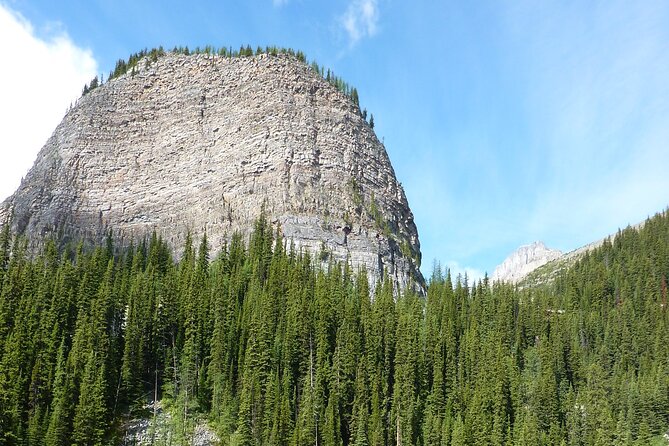
Next, you reach Mirror Lake, described as small but picturesque and one of the only stops along the trail to the Tea House. Across the water, you can see Big Beehive Peak.
This stop is great because it gives you a reflective moment before the final climb. Also, Mirror Lake is a place where your “look twice” habit pays off: reflections can shift fast with wind.
Stop 11: Lake Agnes Tea House and the final stairs
Then comes the payoff. The audio describes waterfall views as you crest wooden stairs for the final ascent. This is the part that separates this hike from a simple walk: it ends in a destination with classic scenery.
Stop 12: Lake Agnes summit views at about 7,005 feet
You crest into the Lake Agnes area for the main viewpoint. The tour gives an elevation of 7,005 feet and frames the view accordingly.
If you look to the right, you are pointed toward Mount St. Piran. The audio also mentions that if you are feeling energetic, you can do more—but the exact detail is not spelled out in what you receive here, so treat that as a “might want to explore more” prompt rather than a guarantee.
There are also nearby moments mentioned that are not strict points in the tour, including an impressive formation you will see in the Lake Agnes area and a chance to look across the water.
Stop 13: Castle Mountain reference on the way back
As you head back down, the audio adds more mountain context. You get Castle Mountain described as a unique mountain you might notice from the Trans-Canada Highway exit to Lake Louise.
Stops 14–17: finish with peaks, Indigenous time, recreation, and glacial melt context
As the descent continues, the narration keeps changing angles and ideas:
- Stop 14: mountain peaks and differences you can spot as you move down.
- Stop 15: Indigenous presence, with evidence noted going back about 10,000 years in Banff National Park.
- Stop 16: recreation in Banff National Park, with hiking referenced as an obvious example of what people do here.
- Stop 17: Lake Louise and the idea of glacial melting, plus a winter context about subzero temperatures shaping what happens with the lake.
This “wrap-up” section is nice because it links the hike to the bigger picture: how glaciers, ecosystems, and human history connect in this region.
What the app actually does on your phone (and how to make it reliable)
This is an audio tour, so the app is the main event. The tour is designed to work like this:
- You download the tour on Wi-Fi before you go
- During the hike, the audio uses live GPS and is supposed to auto-play when you approach each point
- It can be used on any smartphone without signal, once downloaded
A key note: you need to select the number of travelers you want, because that determines how many devices you can download the tour onto.
Also, headphones are not provided. The audio can play from your phone’s device speaker, but if you want better sound—or you want to keep your own hiking soundtrack more controlled—bring your own earbuds.
A practical tip: plan for phone basics
Since your phone is your guide, treat it like one.
- Charge fully before you start
- Set volume before you begin the climb
- Keep the screen from timing out too quickly so you can see the prompts and the location game answers
If you notice audio that cuts in and out, you can usually rely on manual playback. The system is GPS-driven, so behavior may vary by phone model and signal conditions, but the tour is built to keep you moving even when the timing is imperfect.
Is this hike for you? Fitness and trail expectations
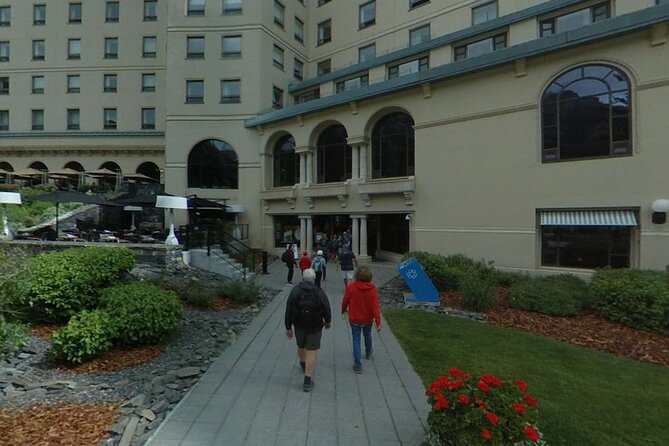
The tour lists moderate physical fitness. But moderate here still means uphill. The walking is described as a relatively smooth trail for much of the route, yet toward the end it can get rocky, and the climb never truly stops.
So I would match it to:
- You like self-paced hikes
- You want the narration without a loud group around you
- You are comfortable walking 7 km with a steady grade
- You are okay using your phone as your guide system
I would think twice if:
- You have limited ability for uphill walking
- You do not want to rely on a phone for navigation and audio cues
One more honest detail: because there are many short audio segments, you may find yourself stopping more than you expect—so bring water and give yourself time to enjoy Lake Agnes Tea House instead of rushing the finish.
Should you book the Lake Agnes Tea House Trail audio tour?
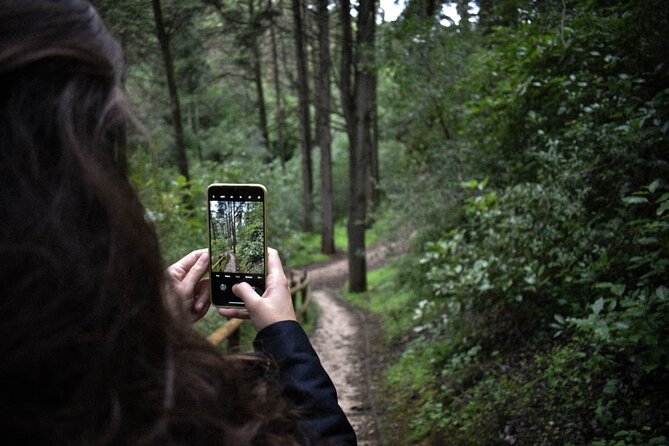
Book it if you want a value-priced, private, audio-guided hike that helps you learn while you walk. At about $8.22, the combination of offline use, live GPS mapping, and autoplay narration is exactly the kind of “pay once, enjoy anytime” outdoor experience that works well in Banff.
Skip it if you know you dislike phone-guided experiences or you want a traditional live guide walking right beside you. Also, be honest about the uphill demand—this is more than a casual stroll.
If you are aiming for Lake Agnes Tea House with fewer crowds and more control over your pace, this is a strong choice. Download on Wi-Fi, bring your phone power, and let the trail points do the work.