REVIEW · NAGASAKI
Nagasaki: Explore Japanese Teas on a Tea Tour
Book on GetYourGuide →Operated by Nagasaki Ikedoki Tea · Bookable on GetYourGuide
Tea tastes different when the view is this good. In Nagasaki, I love how this Sonogi tea fields and Omura Bay setting turns tea tasting into something you can see, not just sip.
You’ll also get real participation. I especially liked the hands-on part with guide Marjolein—brewing Tamaryokucha and whisking matcha yourself, after tasting several local styles.
One possible downside: this is a tea-first outing and it’s about four hours, so if your goal is mainly city sightseeing, plan for more quiet countryside time.
In This Review
- Key things that make this tour worth your time
- Nagasaki tea in a way you’ll actually remember
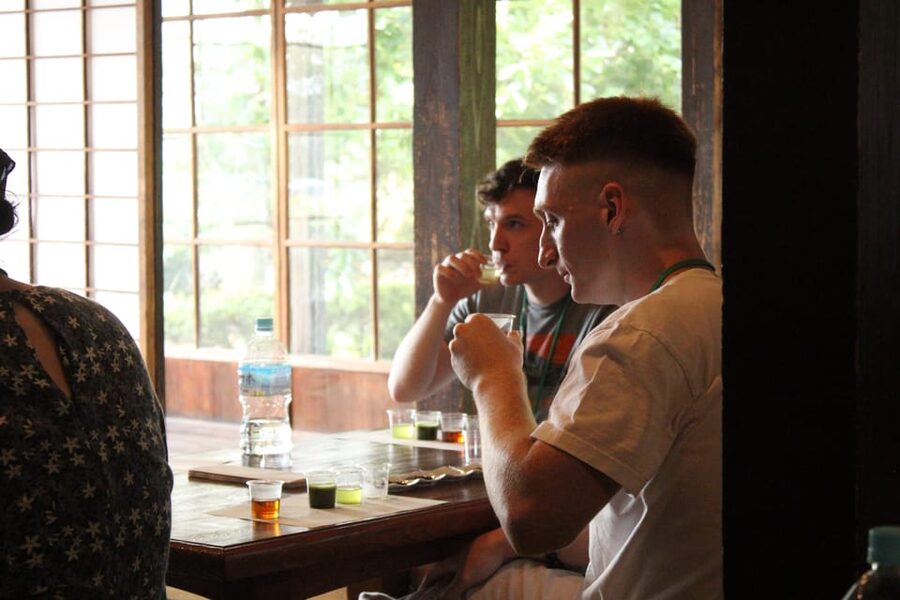
- Your tasting lineup: more than one kind of green tea
- Sonogi tea fields: why the view isn’t just scenery
- The tea factory stop and why Tamaryokucha is the main character
- Hands-on brewing and matcha whisking (the part you’ll remember)
- Lunch and seasonal sweets: the smart fuel for tea tasting
- Price and value: what $132 buys you in real terms
- Who should book this tea tour (and who might not)
- Should you book Nagasaki Ikedoki Tea?
- FAQ
- How long is the tea tour?
- What teas are included in the tasting?
- Do I get hands-on experience, or only tasting?
- Is lunch included?
- Will I visit the Sonogi tea fields and see Omura Bay?
- How big is the group?
- Is the guide available in English?
- Can I buy tea during the tour?
- Is there free cancellation and a pay-later option?
Key things that make this tour worth your time
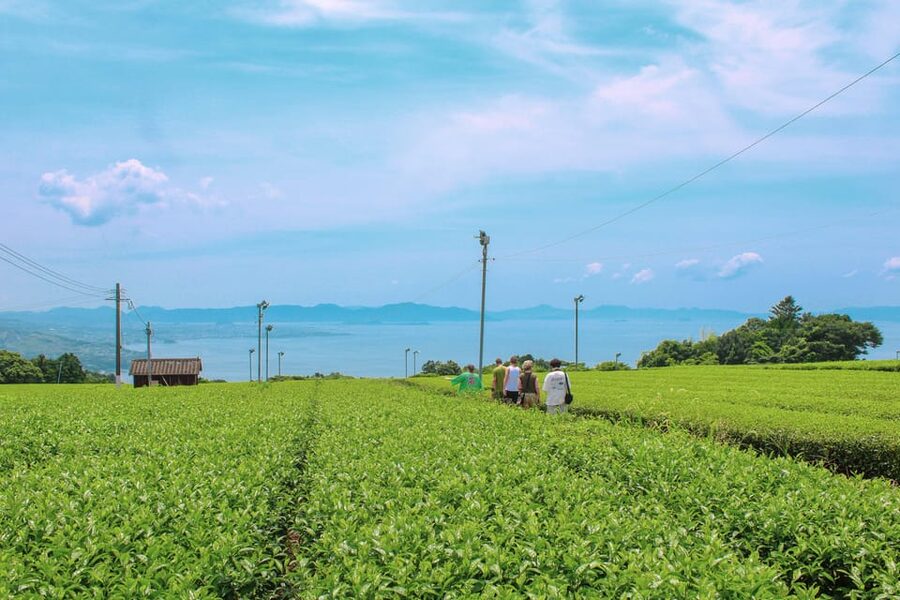
- Sonogi tea fields with Omura Bay views: You’re not stuck indoors while learning tea culture.
- A Tamaryokucha production stop: You see how Nagasaki’s specialty tea gets made at a local factory.
- A lineup of local teas: Tamaryokucha, Shiraore, Houjicha, Wakoucha, Matcha, and more.
- Hands-on brewing and whisking: You don’t just watch—you try it.
- Lunch plus traditional seasonal sweets: Tea time comes with food, not just cups.
- Small group capped at 4: You can ask questions without shouting.
Nagasaki tea in a way you’ll actually remember
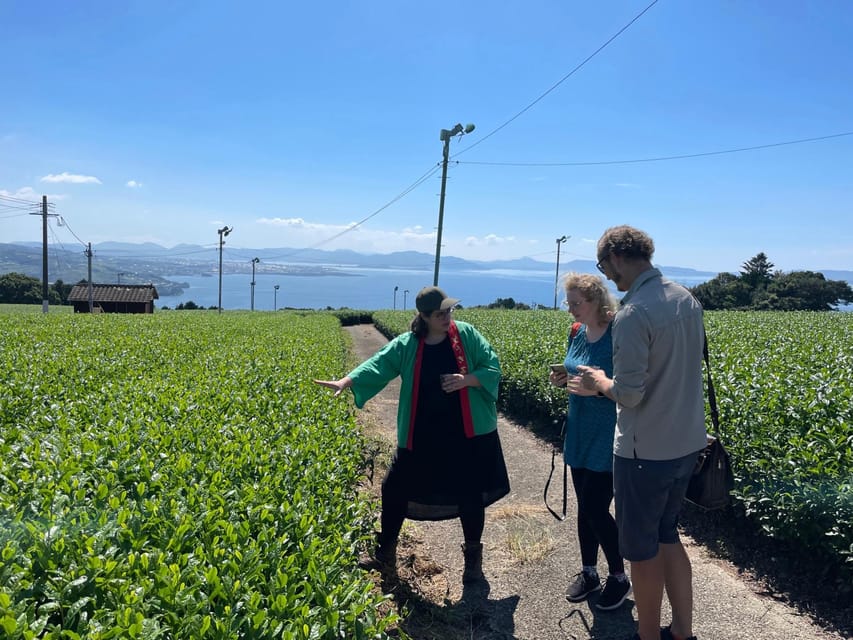
Nagasaki isn’t just a stop on the Kyushu map. It’s tied to Japan’s tea story in a way you can feel once you’re standing in the Sonogi tea growing area, with Omura Bay out in front. This tour uses that setting on purpose: it connects the taste of tea to where it’s grown and how it’s handled afterward.
I like that the focus stays practical. You’re not buried in lectures. Instead, you taste, learn, and then put your hands to the process—so the learning sticks after you’ve left the farm and factory.
And because the group is small (up to four), you’re more likely to get personal answers about what you’re tasting. That matters because Japanese teas can feel similar at first—until someone points out what to pay attention to.
You can also read our reviews of more tours and experiences in Nagasaki.
Your tasting lineup: more than one kind of green tea
A big reason this tour scores so well is the variety. You’ll sample local tea specialties including Tamaryokucha, Shiraore, Houjicha, Wakoucha, Matcha, and more. That lineup is smart because it shows how wide the world of Japanese tea is, even within one region.
Here’s how you can think about what you’ll meet:
- Tamaryokucha (steamed curly green tea): The signature Nagasaki-style you’ll brew later.
- Shiraore (mild twig tea): A lighter, twig-based tea that helps you notice texture and subtle differences.
- Houjicha (roasted green tea): Roasting changes the character, so it’s a good contrast against the greener styles.
- Wakoucha (Japanese black tea): Useful if you want variety beyond green tea-only tasting.
- Matcha (finely ground green tea): Different format, different approach, and the tour gives you a chance to whisk it yourself.
If you’re the type who usually orders one tea and calls it a day, this kind of tasting is your shortcut to getting better at tea. You’ll start building a sense for how tea styles change based on how they’re processed—and you’ll learn it with your taste buds, not just a poster.
Sonogi tea fields: why the view isn’t just scenery
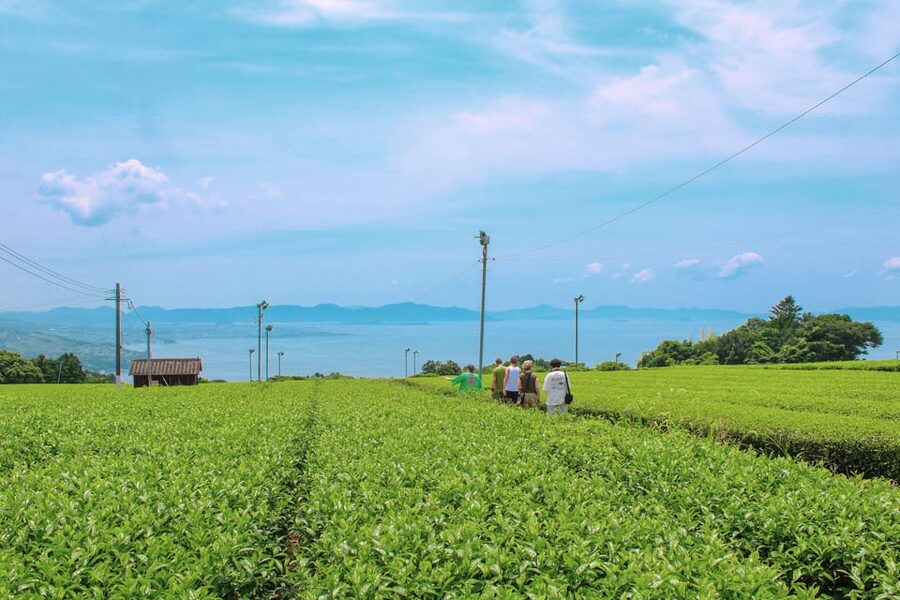
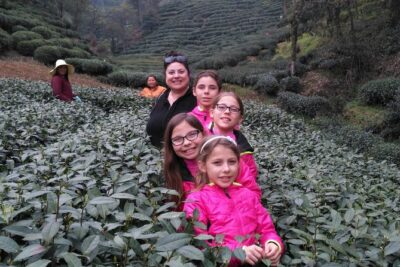
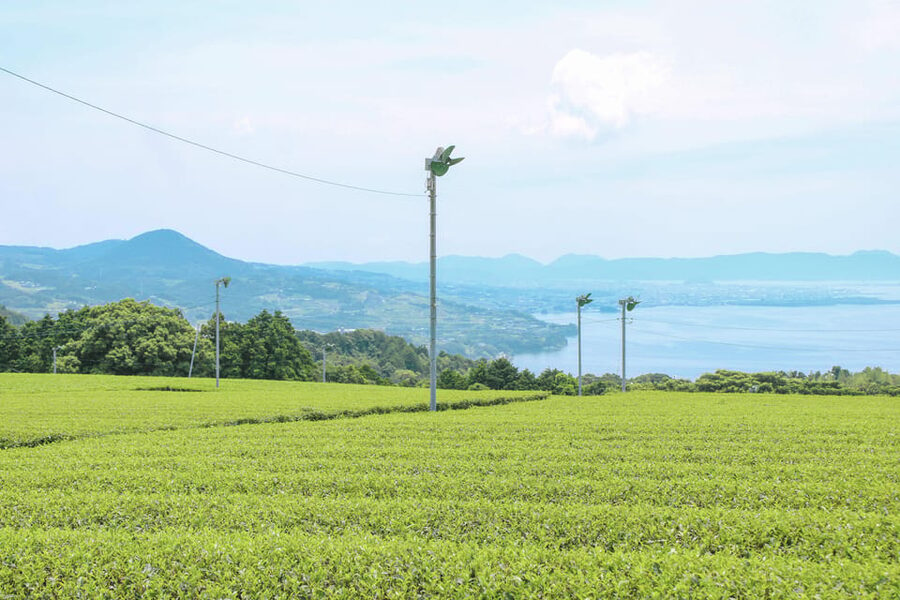
The star setting here is the Sonogi tea fields, with Omura Bay watching from the background. You’ll spend time in that landscape, and that matters more than it sounds. Tea growing regions have a rhythm, and seeing the hills and rows helps you understand why tea production isn’t a factory-only story.
This is also where the tour feels relaxed. You’re outdoors, the pace isn’t rushed, and you get time to look before you taste. That order—see first, sip second—makes the learning easier to follow.
Practical tip: dress for comfortable outdoor time. Even if it doesn’t get cold, you’ll be standing and walking through the area long enough that you’ll want shoes you can trust and a layer you’re okay with.
The tea factory stop and why Tamaryokucha is the main character
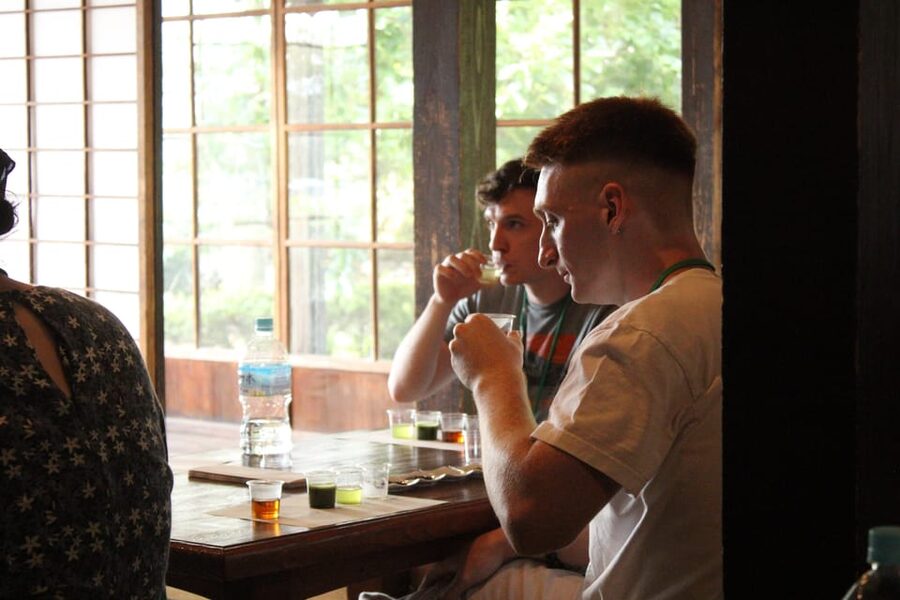
A highlight is the visit to a tea factory where Tamaryokucha is produced. This stop is valuable because it takes you from “tea as a drink” to tea as “a local product with a specific specialty.”
You’ll learn about the production at the factory producing Tamaryokucha, and that’s the point: the tour stays centered on one tea identity, not a random slideshow of everything Japanese. When you focus, the details become clearer. You taste Tamaryokucha, see it being made, and then you brew it later—so the story loops back on itself.
One consideration: factory visits are often tighter and more structured than outdoor stops. If you hate being in a small space with a crowd, you might find the indoor portion less comfortable than the field portion. Still, the small-group size helps keep that from feeling hectic.
Hands-on brewing and matcha whisking (the part you’ll remember)
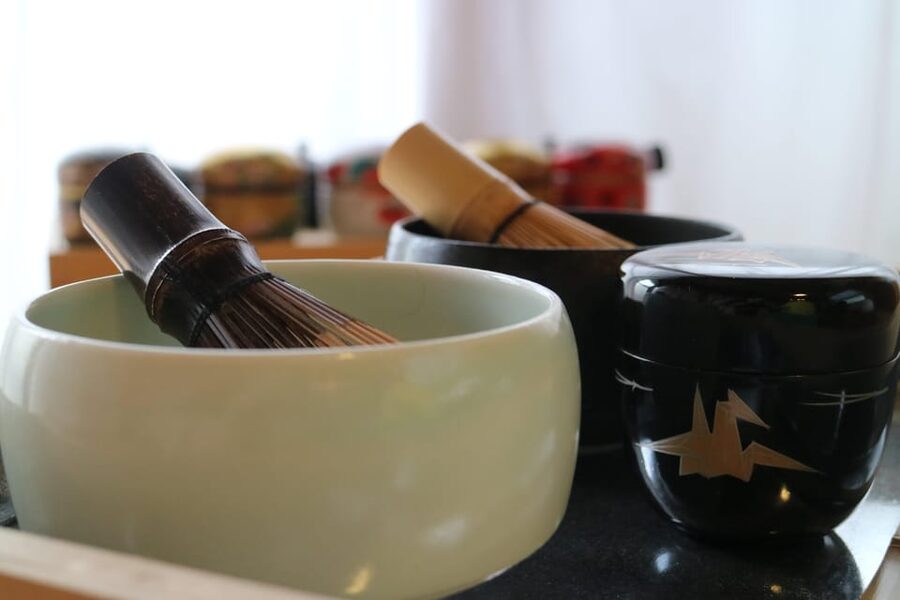
If there’s one section people talk about again and again, it’s the participation. You get hands-on experience brewing Tamaryokucha and whisking Matcha yourself. That kind of practice is the fastest way to understand what makes tea preparation feel different from one style to another.
Why this works:
- It turns tasting into a skill. You’re not only asking what tastes good—you’re learning how preparation affects the cup.
- You get to compare what you do versus what you notice others doing in the same moment.
- It gives you something to take home mentally, so you can repeat the basics later.
Also, because the guide is English-speaking, you’re not left guessing. One of the best parts of a tea tour is being able to ask questions right away—about how to handle the tea, what to notice, and what you’re experiencing as you brew and whisk.
If you want a souvenir, skip buying just a bag and go for the understanding first. The tour makes that easy: practice, then decide what you want to bring back.
Lunch and seasonal sweets: the smart fuel for tea tasting
Tea tours can turn into constant sipping with no real meal. Here, lunch is provided at a nearby restaurant, and you’ll also get traditional seasonal Japanese sweets.
That combo matters because tea tasting can make you forget timing. When the tour includes food, you can taste with better focus instead of pushing through hunger. It also helps you enjoy the flavors as a full experience, not just a snack break.
Dietary note: if you have allergies or dietary restrictions, you should inform the organizer in advance. Lunch is included, so it’s worth getting it right ahead of time.
If you’re trying to decide when to eat before a tea tour, think like this: eat normally, don’t come starving, and keep your palate clean. You’ll enjoy the tasting more when you’re not fighting your stomach.
Price and value: what $132 buys you in real terms
At $132 per person for a 4-hour small-group tour, you’re paying for more than just tea samples. You’re getting:
- an English live guide,
- a structured experience built around tasting multiple tea types,
- time in the Sonogi tea fields with Omura Bay views,
- a tea factory visit focused on Tamaryokucha,
- hands-on brewing and matcha whisking, and
- included lunch plus traditional seasonal sweets.
For tea lovers, this is a fairly efficient package: you’re paying for education you can practice, and you’re not stuck piecing together farm visits, tastings, and meals on your own.
Is it a bargain? Only you can judge your travel style. But for what’s included—especially the hands-on parts and the small group cap—it feels like a solid value rather than an expensive tasting-for-tasting’s-sake.
Who should book this tea tour (and who might not)
This is a great fit if you:
- like hands-on learning, not just photos,
- want a tea-focused outing with a strong local anchor in Nagasaki and Sonogi,
- enjoy tasting multiple tea styles in one day,
- want an English-speaking guide to explain what you’re experiencing as you go.
It may be less ideal if you:
- want mostly urban sightseeing and monuments,
- dislike tea as a theme (the whole day is built around it),
- prefer long, slow, open-ended tours with lots of free time—this one is intentionally structured around tastings and specific stops.
Still, even if you’re a casual tea drinker, the lineup and the practice usually help most people find at least one tea they’ll seek out again.
Should you book Nagasaki Ikedoki Tea?
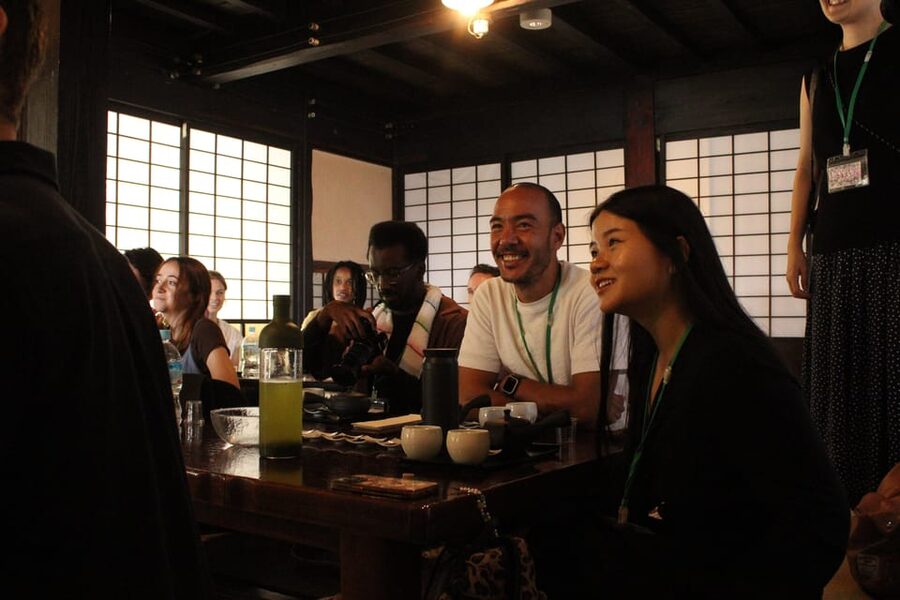
I think you should book if you want a short day that feels meaningful: tea fields with Omura Bay views, a Tamaryokucha-centered factory visit, and the chance to brew and whisk yourself with help from Marjolein. The small group size (max four) makes it easier to ask questions and actually learn what you’re tasting.
If you’re unsure, use this rule: if you’d spend extra time in a tea shop to understand what you’re buying, this tour will feel worth the price. If you’d rather be out chasing city sights all day, you might feel more satisfied with a different kind of excursion.
FAQ
How long is the tea tour?
The tour lasts 4 hours.
What teas are included in the tasting?
You’ll taste several local tea specialties, including Tamaryokucha (steamed curly green tea), Shiraore (mild twig tea), Houjicha (roasted green tea), Wakoucha (Japanese black tea), Matcha (finely ground green tea), and more.
Do I get hands-on experience, or only tasting?
You’ll get hands-on experience brewing Tamaryokucha and whisking Matcha.
Is lunch included?
Yes. Lunch is provided, and you should inform the organizer in advance about any allergies or dietary restrictions.
Will I visit the Sonogi tea fields and see Omura Bay?
Yes. The tour includes time in the Sonogi tea fields with Omura Bay as a backdrop.
How big is the group?
It’s a small group limited to 4 participants.
Is the guide available in English?
Yes. The live tour guide speaks English.
Can I buy tea during the tour?
Yes. Teas are available for purchase (optional).
Is there free cancellation and a pay-later option?
You can cancel up to 24 hours in advance for a full refund. You can also reserve now and pay later.