REVIEW · KYOTO
Kyoto Gion Tea ceremony & Wabi-sabi Walking Tour
Book on GetYourGuide →Operated by MagicalTrip · Bookable on GetYourGuide
Kyoto’s tea culture can feel like a whole philosophy. This Kyoto Gion Tea ceremony & Wabi-sabi Walking Tour turns it into a walk through Gion and Higashiyama, with temple visits and hands-on explanations of what wabi-sabi really means in Japanese art and everyday objects. The guide approach is built around feeling the ideas, not just hearing facts.
I especially like the way this tour connects the big words—matcha, tea ceremony, and wabi-sabi—to real places and real tools you can see and touch. You also get a structured flow: historical stops first, then the calm payoff of a tea ceremony with seasonal sweets and matcha.
One thing to consider: timing matters. The tour starts on time, and if you’re late and miss the group, you won’t be able to join, reschedule, or get a refund—so build in buffer time around Gion Shijo.
In This Review
- Key highlights that make this tour worth your time
- Wabi-sabi in Kyoto’s Gion: what you’re actually paying for
- Meeting at Gion Shijo and getting the right rhythm
- Gion stroll: temples, a matcha shop, and the start of the tea story
- Kenninji Temple: Zen calm that changes how you see tea
- Higashiyama walking breaks: paintings, gardens, and tea-bowl thinking
- Entoku-in: a quieter temple stop that gives the pace a reset
- Tea ceremony under a tea master: matcha, sweets, and choosing the bowl
- Price and value: is $92 fair for what you get?
- Who should book this Kyoto Gion tea walk (and who should skip it)
- Practical tips: timing, heat/cold, and dressing for walking
- Should you book this tour?
- FAQ
- How long is the Kyoto Gion tea ceremony and wabi-sabi walking tour?
- What does the tour cost?
- What’s included in the experience?
- Where do we meet the guide?
- Is the tea ceremony experience suitable for children?
- Is it wheelchair accessible?
Key highlights that make this tour worth your time
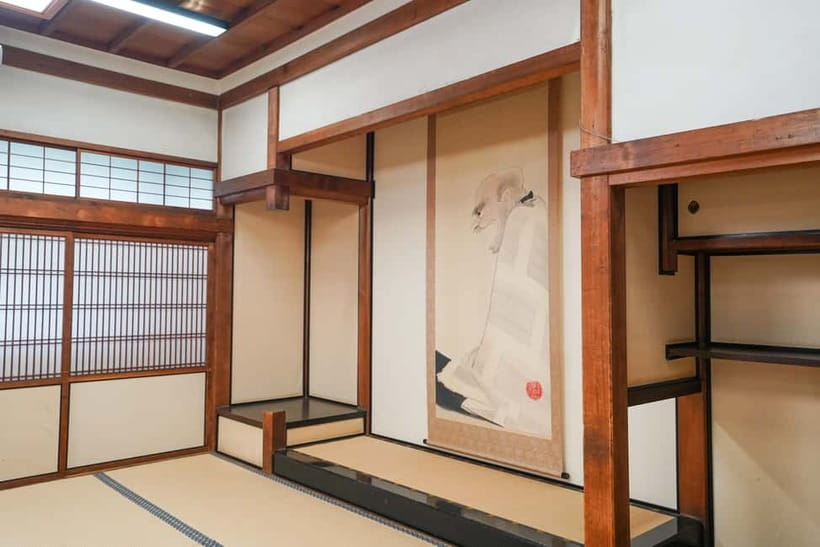
- Wabi-sabi taught with objects and setting, not just definitions
- Gion + Higashiyama walking route, pairing streets with quiet temple corners
- Historic Zen stops including Kenninji Temple and Entoku-in
- Tea bowls you choose by season and taste, then matcha served with seasonal snacks
- Small group size (up to 7) for a calmer, more personal pace
- English-speaking guide and photos during the tour to help you capture the memories
Wabi-sabi in Kyoto’s Gion: what you’re actually paying for
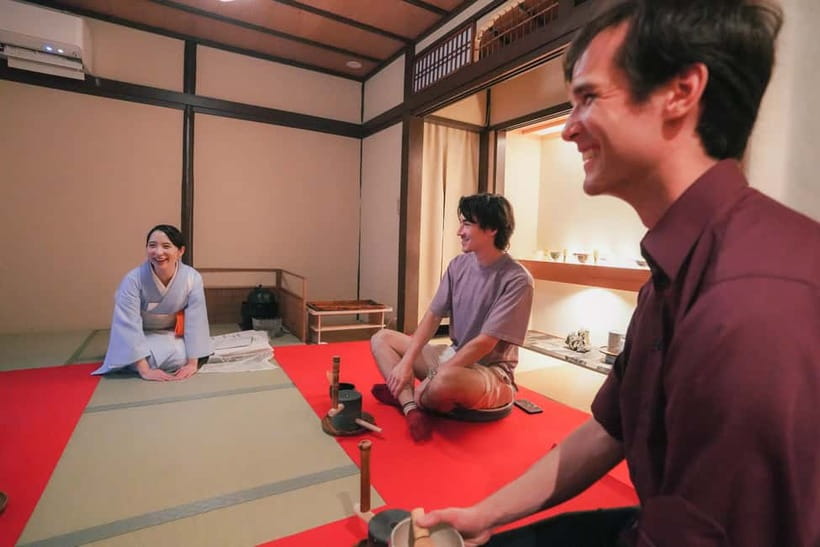
This isn’t a tea ceremony show where you sit, watch, sip, and forget. The point here is to give you a wabi-sabi lens before you ever get the cup in your hands. Wabi-sabi is often described as beauty in imperfection—things like a worn surface, a simple form, or a quiet atmosphere. On this tour, you don’t just hear that. You see it in bowls, temple details, and the way the spaces are arranged.
And yes, you also get the practical payoff: an authentic tea ceremony experience with matcha and a small seasonal snack. But what makes the tour memorable is the build-up—your understanding shifts while you walk.
If you love Kyoto for its small things—craft, stillness, texture—this style fits perfectly.
You can also read our reviews of more tours and experiences in Kyoto.
Meeting at Gion Shijo and getting the right rhythm
The meet-up is right outside Exit 5 of Gion Shijo Station (Keihan Line), in front of the statue of 出雲の阿国 (Izumo no Okuni), with the guide holding an orange signboard that says Magical Trip Tour.
From there, you’ll walk through Gion and into Higashiyama at a pace that’s built for explanations. The tour runs about 210 minutes, so it’s not a quick stop-and-go activity. Plan to treat it like a half-day plan that includes both walking and quiet temple time.
Group size is capped at 7 people, which matters. In Kyoto, crowds can flatten the experience. A small group makes it easier to pause, listen, and move without feeling constantly rushed.
Gion stroll: temples, a matcha shop, and the start of the tea story
Your first segment focuses on Gion—historic streets, atmosphere, and context for why tea culture is such a big deal in Kyoto. You’ll get guided time in the area (about 30 minutes), including a visit to a famous matcha shop along the way.
This isn’t just for a photo stop. The matcha stop helps you connect what you’ll drink later to what you’re learning now. You’re also setting expectations for how the tea ceremony treats taste, presentation, and seasonal thinking as part of the experience.
Then you’ll head toward one of the big anchor stops: Kenninji Temple.
Kenninji Temple: Zen calm that changes how you see tea
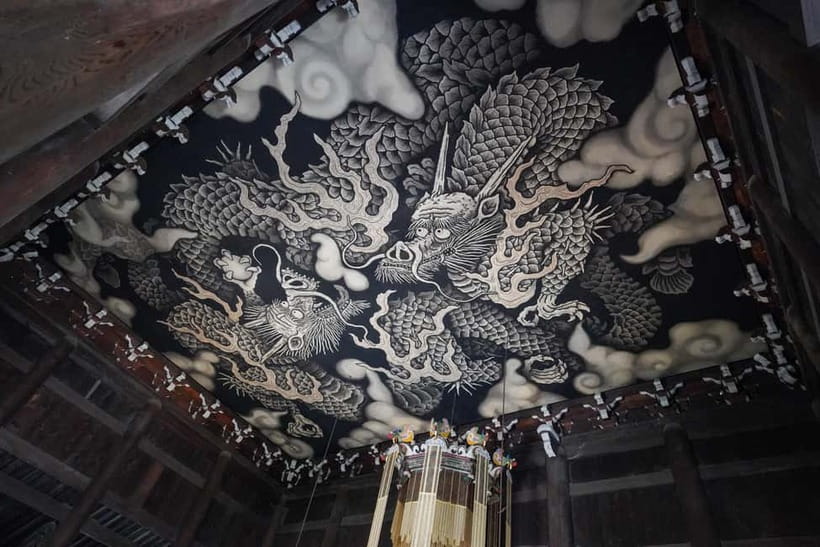
Kenninji Temple is a major highlight because it connects the tea ceremony to Zen culture and the rhythms of practice. You’ll spend about 30 minutes here, guided.
What you’re looking for in this kind of visit isn’t only architecture. It’s how the space makes you slow down: quieter sightlines, intentional placement, and the idea that beauty can be understated. That shift in attention is exactly what sets you up for wabi-sabi later.
If you’re the type who gets impatient with temples, this part can still work because it’s woven into the tea theme. You’re not touring random sights—you’re building a mental framework.
Higashiyama walking breaks: paintings, gardens, and tea-bowl thinking
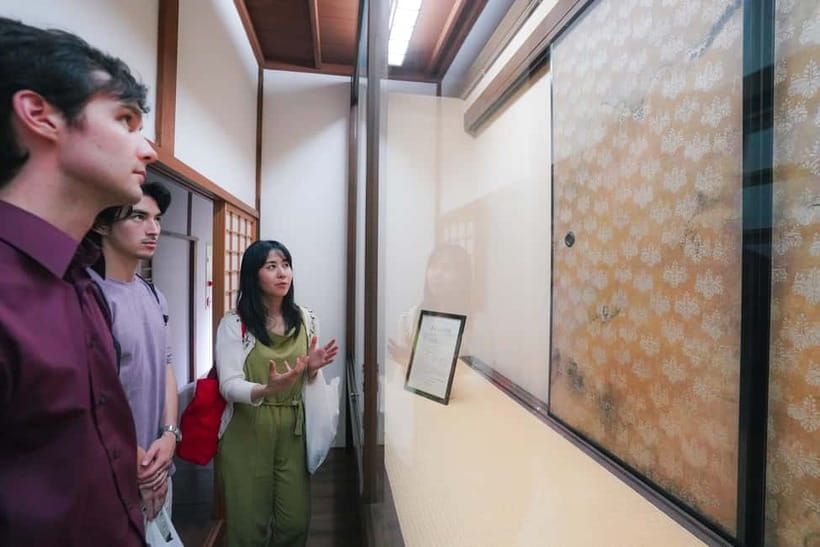
Between the temple anchors, the route includes several short guided segments in Higashiyama (each around 10 minutes). These are the moments that keep the tour from feeling like a straight line.
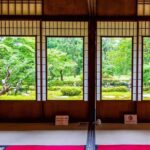
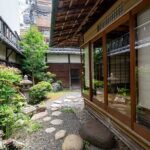
Along the way, you’ll also view Japanese painting elements and karesansui (dry landscape Zen garden). These spots matter for wabi-sabi because they train your eye to notice simplicity, texture, and restraint. Dry gardens are a great example of the philosophy: little can suggest a lot, and the viewer completes the picture.
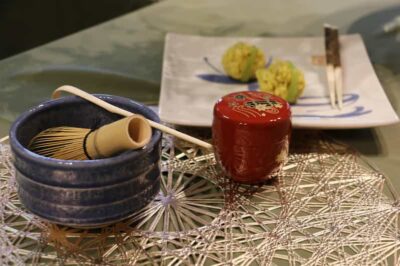
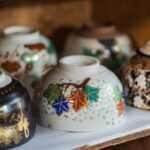
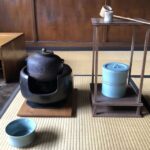
You’ll also visit a traditional pottery shop to look closely at tea bowls. That’s not incidental. In tea culture, the bowl isn’t just a container. It’s part of the seasonal and aesthetic message of the ceremony.
Even if you’ve heard the term wabi-sabi before, seeing it applied to everyday craft makes the idea stick.
Entoku-in: a quieter temple stop that gives the pace a reset
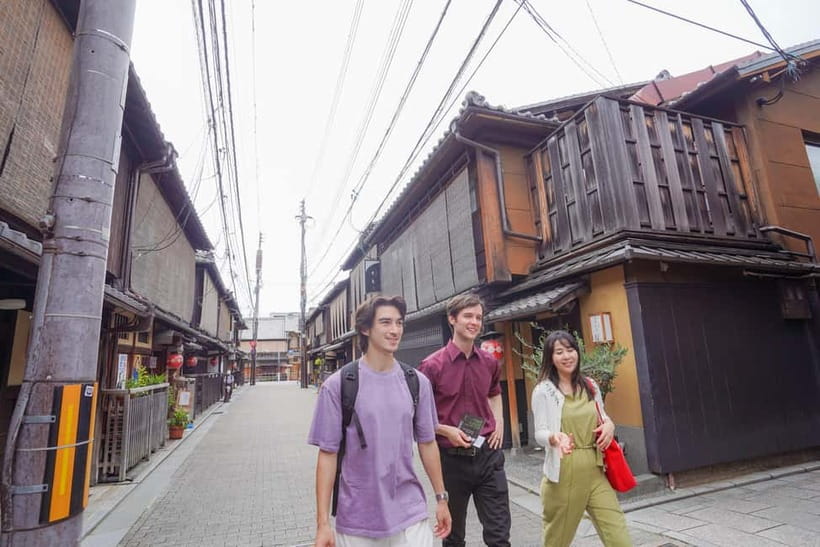
Later, you’ll visit Entoku-in and spend about 30 minutes with a guide. This is another calmer, quieter temple setting, and it serves a specific function in the tour: it gives you time to absorb everything you’ve been learning so far.
By the time you reach Entoku-in, you’re no longer just walking through Kyoto. You’re actively looking for subtle design cues—how objects show age, how surfaces and forms communicate humility, and how calm spaces support mindful attention.
This stop is also a practical reset. The tour has plenty of movement. A quieter temple moment helps you avoid the end-of-tour fatigue that ruins the final tea ceremony part.
Tea ceremony under a tea master: matcha, sweets, and choosing the bowl
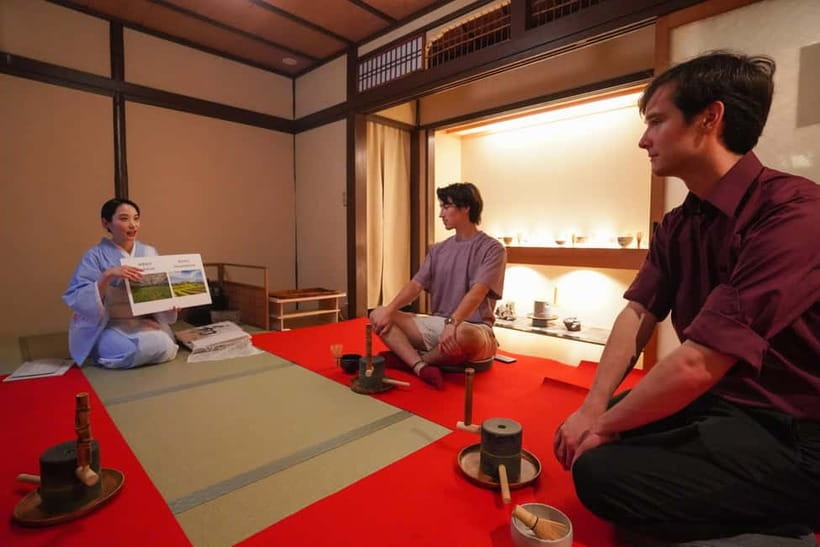
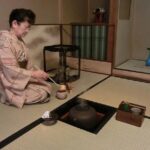
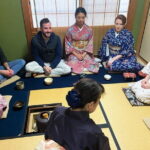
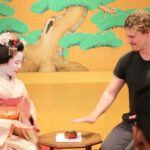
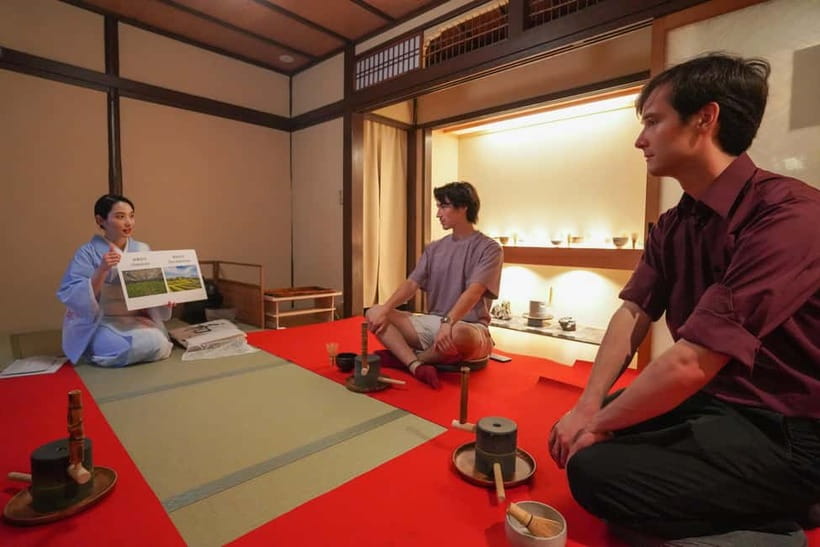
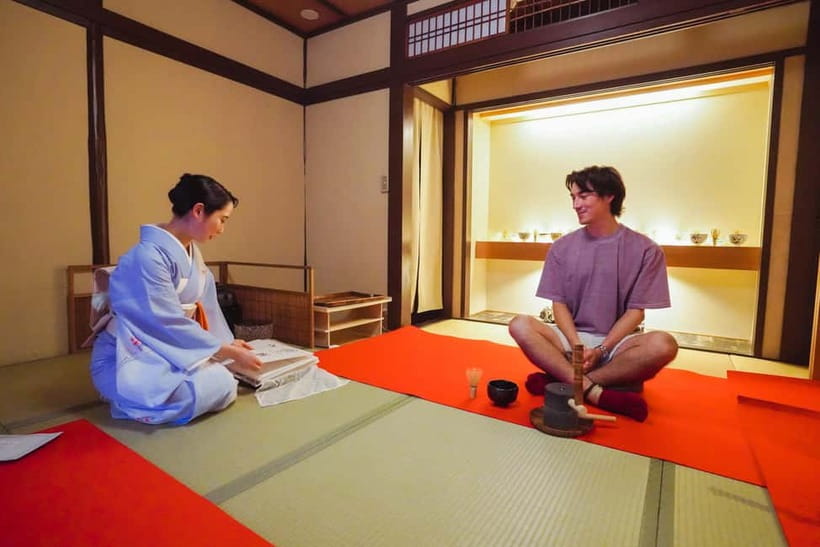
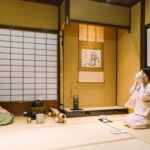
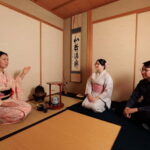
The climax is the tea ceremony itself (about 45 minutes) under a tea master. This is where you stop decoding and start experiencing.
You’ll choose a tea bowl based on season and taste. That detail is big. It’s one of the most wabi-sabi-relevant parts of the ceremony: the idea that what you use and how you use it should match the moment, not fight against it. The guide can help frame what to look for, so you’re not just picking randomly.
Then you’ll enjoy matcha along with Japanese sweets and a small seasonal snack. Matcha isn’t meant to be rushed. The tea ceremony gives you the chance to slow down and notice flavor, aroma, and texture—especially after walking around Kyoto’s busy streets.
Also, since the tour includes time for photos during the walk, you’re likely to have plenty of chances to capture the tea tools and the places you visited, not only the ceremony itself.
Price and value: is $92 fair for what you get?
At $92 per person for about 210 minutes, this tour sits in the mid-range for Kyoto guided experiences. What makes it feel fair is that you’re not only paying for a tea ceremony ticket. You’re paying for:
- An English-speaking guide
- Entrance fees for two temples
- A structured walking route with guided stops
- A full tea ceremony experience with matcha and sweets
- Time built around wabi-sabi concepts through places, craft, and objects
If you’ve ever done Kyoto activities where the guide’s role feels light and the “real value” is just a single ticket, this is different. The guiding is the point. The tea ceremony becomes more meaningful because you’ve been shown how Japanese aesthetics work in real life.
Who should book this Kyoto Gion tea walk (and who should skip it)
This tour is a strong match if you:
- Want tea culture to feel like part of Kyoto, not a standalone souvenir activity
- Like quiet, guided temple visits rather than big-city sightseeing sprints
- Care about craft details like tea bowls and seasonal thinking
It’s less ideal if you need wheelchair-friendly routes. The tour isn’t suitable for wheelchair users, and some stops aren’t accessible by stroller either. Expect uneven walking conditions and temple steps.
Also, tea ceremony experience is for children age 6 and older. Kids younger than that can be brought along, but an adult must accompany them outside the facility during the tea ceremony.
Practical tips: timing, heat/cold, and dressing for walking
A few things will make your experience smoother:
- Arrive early. The tour must start on time, and being late can mean missing the group with no refund or reschedule.
- Dress for weather extremes. Kyoto conditions can swing hard, with summer highs around 40°C (110°F) and winter lows down near -5°C (20°F). Bring what helps you stay comfortable on foot.
- Wear shoes for temple walking. Even when the stops are scenic and calm, you’ll still be walking between them.
If weather looks rough, the tour might be canceled for safety. You’ll want a plan B day in Kyoto, especially if you’re traveling in seasons with heavy rain or unusual wind.
Should you book this tour?
I think it’s a great booking if you want something calmer and more meaningful than a standard tea ceremony. You get both sides: Kyoto street-level context in Gion and Higashiyama, plus the payoff of a ceremony with matcha, sweets, and a bowl chosen for season and taste.
Skip it only if you’re short on time, dislike guided walking, or need wheelchair access. Otherwise, this is one of those Kyoto experiences where the philosophy is explained in real places, and your final cup feels earned.
FAQ
How long is the Kyoto Gion tea ceremony and wabi-sabi walking tour?
It lasts about 210 minutes.
What does the tour cost?
The price is $92 per person.
What’s included in the experience?
You get an English-speaking guide, tea ceremony experience with matcha and a small seasonal snack, entrance fees for two temples, and photos during the tour.
Where do we meet the guide?
Meet in front of the Izumo no Okuni statue, right outside Exit 5 of Gion Shijo Station (Keihan Line). The guide holds an orange signboard saying Magical Trip Tour.
Is the tea ceremony experience suitable for children?
The tea ceremony experience can only accommodate children age 6 and older. Younger children may join the tour, but an adult must accompany them outside the facility during the ceremony.
Is it wheelchair accessible?
No. The tour isn’t suitable for wheelchair users.