REVIEW · TOKYO
Practicing Zen through Japanese Tea Ceremony
Book on Viator →Operated by True Japan Tour · Bookable on Viator
A quiet ritual can reset your Tokyo pace fast. This Japanese tea ceremony class is built around matcha preparation using classical methods, plus guided mindfulness tied to Zen practice. I also love that you get hands-on time, not just watching from the side.
One thing to keep in mind: the session is short, so you’ll get more ceremony practice than long Zen theory. If you’re expecting a full meditation retreat, this is more like a well-led cultural “pause” than a deep spiritual training program.
In This Review
- Key Points to Know Before You Go
- A Calm Tea Break in Shibakōen
- Meet Your Tea Master and Learn the Zen Thread
- Matcha Prep: The Movements That Matter
- Wagashi Sweets Paired for Matcha Balance
- Try It Yourself: A Second Mini-Ceremony
- Where This Ceremony Happens and How to Prepare
- Price and Value for a 1-Hour Ritual
- Who Should Book This Zen + Tea Ceremony?
- Quick FAQ on This Matcha and Zen Ceremony
- FAQ
- How long is the tea ceremony experience?
- Where do I meet for the tour?
- Is pickup and drop-off included?
- What’s included in the experience?
- Do I get to make matcha myself?
- Are explanations offered in English?
- How big is the group?
- Is there extra food or drinks included?
- How close is it to public transportation?
- What is the cancellation policy?
- Should You Book It?
Key Points to Know Before You Go
- Bilingual licensed tea master guides you in English, step by step
- Matcha + wagashi pairing is part of the lesson, not an afterthought
- You make tea yourself during a second mini-ceremony
- Zen is explained through action, with a calm, respectful pace
- Group size capped at 28, which helps keep it intimate
- Indoor, serene setting (sometimes in a lower-level room), so plan for the right entrance
A Calm Tea Break in Shibakōen
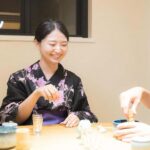
This experience is designed for that specific kind of Tokyo downtime: you step out of the city’s speed and into a slower rhythm with a Japanese tea ceremony that treats attention like a skill. The setting is meant to recreate the traditional atmosphere, where hospitality, aesthetics, and mindful presence all show up in the details.
Location-wise, you’ll meet at Kikai Shinkō Kaikan in Minato City, in the Shibakōen area (address: 3-chōme-5-8 Shibakōen, Minato City, Tokyo 105-0011). The big practical win is that it’s near public transportation, so you’re not committing half your day to getting there and back.
The format is also traveler-friendly: the session runs about 1 hour 15 minutes, so you can fit it into a travel day without wrecking the rest of your plans. And with a group cap of 28 people, it should feel like a small class rather than a lecture hall.
You can also read our reviews of more tours and experiences in Tokyo.
Meet Your Tea Master and Learn the Zen Thread
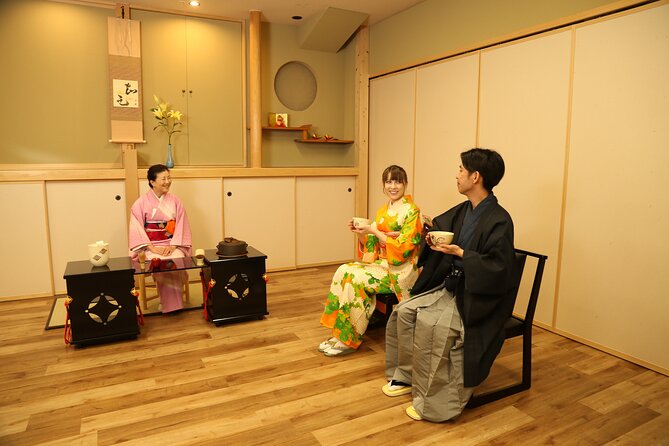
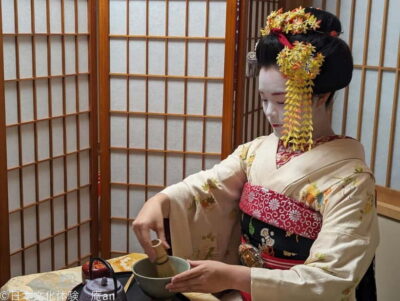
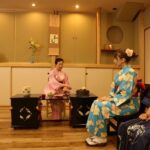
You’ll be welcomed by a bilingual licensed tea master who leads the ritual in English. Past sessions have been guided by teachers such as Miyuki and Yuuko san, and the vibe comes across as warm and organized—exactly what you want when you’re trying something precise for the first time.
What makes this lesson more than matcha-tasting is the stated focus on Zen practice. Instead of treating Zen as a philosophy you read about, the class connects Zen to what you do with your hands, your posture, and your attention during the ceremony. In other words, it’s not Zen-as-lecture time.
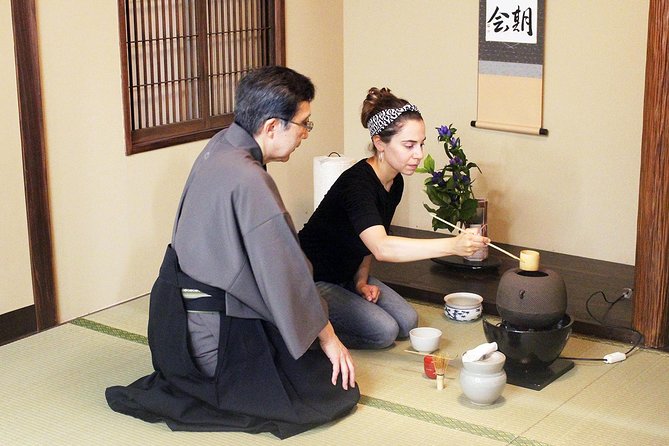
You can also expect the teacher to explain key context, including Japanese hanging scrolls and tea utensils. That matters because the ceremony is full of objects and symbolism. Even if you don’t memorize every term, you’ll start understanding what you’re looking at and why it’s arranged that way.
One review-style caution you should take seriously: this experience can feel more hands-on than theory-heavy. You may get a brief meditation moment, but it’s not positioned as a long contemplative program. Plan to come for the ritual practice first.
Matcha Prep: The Movements That Matter
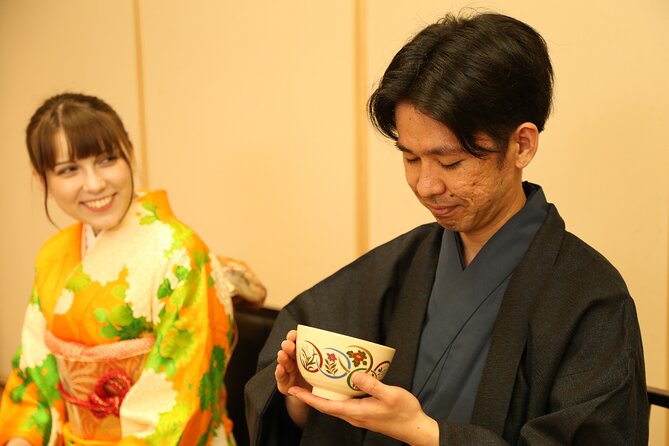
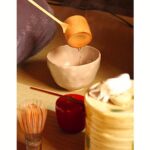
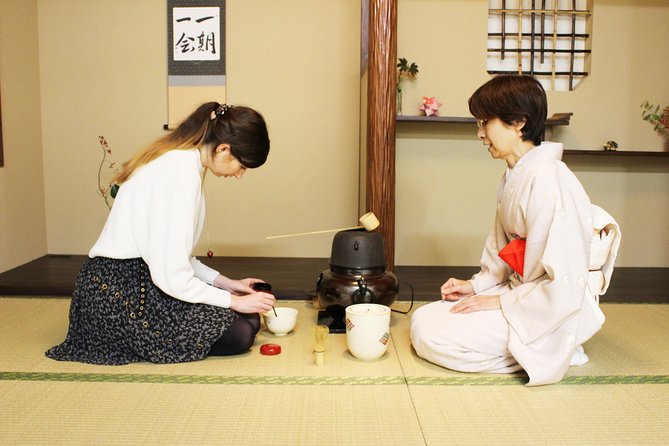
The core of the class is learning how to prepare matcha green tea using classical ceremonial methods. The teacher doesn’t just tell you that matcha is ground green tea. You learn the process as a sequence—timing, motion, and care—so the tea-making itself becomes the lesson.
Here’s the practical value: most people in Tokyo have had matcha before, but few have learned the steps that produce the creamy texture people associate with ceremonial-style matcha. Watching once isn’t enough; you need guided repetition. That’s why the structure includes both demonstration and instruction, then a chance to try again later.
Also, this class is designed to recreate the ceremony atmosphere, so you aren’t rushing through a “tourist version” of tea making. You’ll get the sense that the ritual is built around precision and calm.
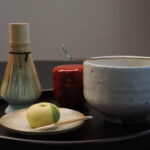
And yes, matcha is a flavor profile all on its own—slightly grassy, sometimes bold, sometimes sweetened depending on how it’s prepared. In this session, you’ll pair that matcha experience with sweets chosen to work with it, so the flavors land with more intention than a typical cafe order.
Wagashi Sweets Paired for Matcha Balance
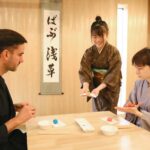
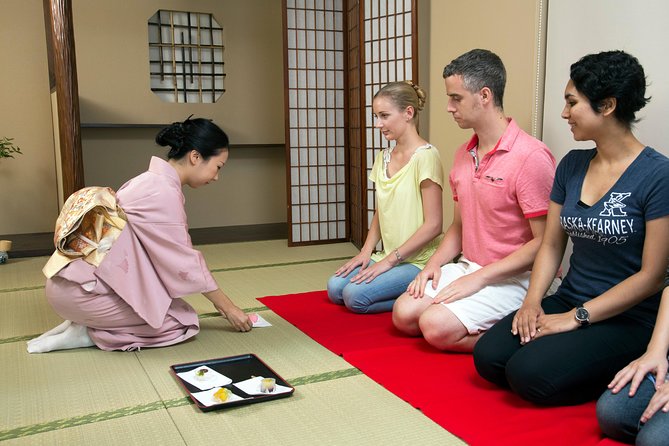
You’ll taste traditional Japanese sweets (wagashi) during the ceremony, and the pairing is part of the teaching. The idea isn’t just to offer dessert. It’s to show how the ceremony treats taste like a conversation between bitter, vegetal matcha and a sweet accompaniment designed to match its character.
This matters because it changes how you experience matcha. If you’ve only had matcha in modern drinks (lattes, ice blends), you might not realize how different ceremonial matcha can feel—more concentrated, less diluted, and often more focused on texture. Pairing it with wagashi helps you notice what matcha is doing on your palate instead of treating it like an extra shot of green.
It’s also a good way to learn an aesthetic truth about Japan: sweets aren’t just sugar delivery. They’re part of the presentation and timing of the meal. In this class, you get that pacing and pairing as part of the full ritual sequence.
Try It Yourself: A Second Mini-Ceremony
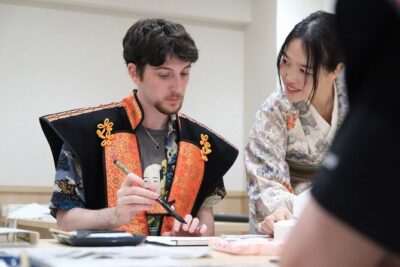
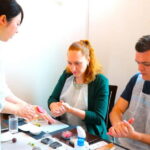
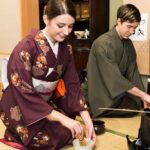
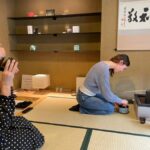
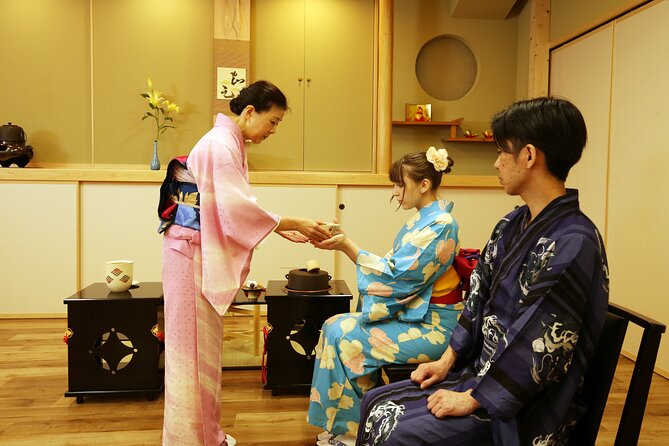
One of the biggest value points is that you don’t just sit and watch. After the teacher demonstrates the ceremony steps, you’ll participate in a second tea ceremony performed by yourself, with instruction.
That second round is where learning turns into memory. You’ll be able to compare your first attempt (likely wobbly, normal, and totally forgivable) with the guidance you receive. And you’ll leave with at least a basic sense of what each motion is for—so next time you see a matcha ceremony, you’ll recognize what’s happening.
This is also where the Zen connection becomes real. Making tea forces you to slow down. You can’t multitask through it. Even if you only think about one step at a time—measure, whisk, serve—you’re practicing attention through action.
If you enjoy workshops, cooking classes, or any activity where your hands learn the details, you’ll probably find this part the most satisfying. And if you tend to get nervous trying new cultural rituals, having a teacher right there makes a huge difference.
Where This Ceremony Happens and How to Prepare
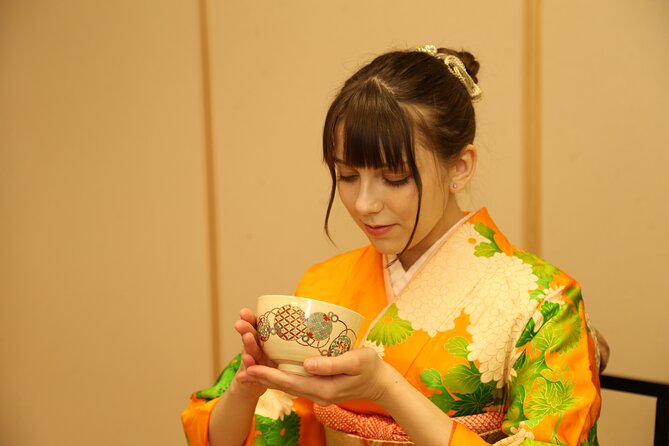
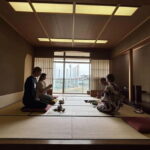
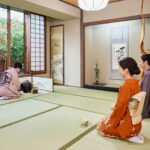
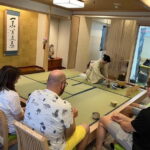
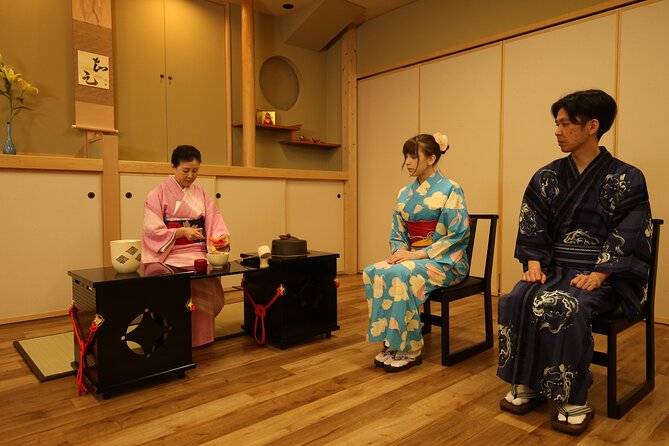
The ceremony takes place in a quiet indoor setting meant to recreate traditional conditions. One of the practical realities: the room can be in a lower-level space in a nearby building, so don’t be surprised if you find the entrance isn’t the biggest street-level shopfront.
So how should you prepare?
- Show up a little early so you can find the meeting point without stress.
- Dress comfortably for sitting and standing movements.
- Expect a calm, quiet tone, with you following the teacher’s pace.
You won’t be asked to bring anything special, but I’d still suggest arriving with a clear head. This class is meant to be a break, so give it the same respect you’d give a quiet museum or a temple visit.
Also note what’s not included: extra food or beverages. That’s normal for a class like this, but it affects your planning. If you’re coming straight from sightseeing, you may want to have a light meal before you go, since you’ll spend your time on tea and sweets rather than a full meal.
Price and Value for a 1-Hour Ritual
At $64.50 per person, you’re paying for more than tea. You’re paying for a licensed, bilingual tea master, access to matcha and traditional sweets, and structured instruction that includes you making tea yourself.
Is that cheap? No. But it’s also not overpriced for what you get in Tokyo. A class that teaches ceremonial-style preparation and includes a guided explanation of objects like hanging scrolls and tea utensils is hard to replicate on your own. You also get a calm setting and a group format that keeps it efficient within about 75 minutes.
If you’re already a matcha fan, this can feel like “leveling up” rather than paying for one drink. If you’re new to matcha, it’s a smart way to avoid the common mistake of buying matcha without learning how it’s meant to be prepared and tasted.
And because the group size is limited to 28, you’re more likely to get the kind of attention that makes the experience worth it.
Who Should Book This Zen + Tea Ceremony?
This is a strong fit if you want:
- A hands-on cultural activity in Tokyo, not just sightseeing photos
- A deeper understanding of matcha beyond cafes and desserts
- A calm reset between busy neighborhoods
- English explanations that still respect the ritual’s seriousness
It’s especially good for couples and solo travelers because the class rhythm is quiet and focused. It also works well for anyone who enjoys learning through doing—whisking, tasting, and repeating.
The main mismatch is if you’re seeking an extended Zen retreat. This is still a short class. You’ll connect Zen to the tea ceremony, but you won’t get hours of meditation or a long spiritual immersion session.
Quick FAQ on This Matcha and Zen Ceremony
FAQ
How long is the tea ceremony experience?
It runs for about 1 hour 15 minutes (approximately).
Where do I meet for the tour?
You meet at Kikai Shinkō Kaikan, 3-chōme-5-8 Shibakōen, Minato City, Tokyo 105-0011, Japan.
Is pickup and drop-off included?
No. Pick-up & drop-off services are not included.
What’s included in the experience?
The included items are a bilingual licensed tea master, authentic matcha green tea, traditional Japanese sweets, a tea ceremony performance led by the tea master, a second ceremony where you make tea yourself with instruction, and explanations in English.
Do I get to make matcha myself?
Yes. After the initial guided ceremony, you’ll do a second ceremony yourself with instruction.
Are explanations offered in English?
Yes. The tea master provides explanations in English, including context about Zen practices, Japanese hanging scrolls, and tea utensils.
How big is the group?
The maximum group size is 28 travelers.
Is there extra food or drinks included?
No extra food or beverages are included beyond the matcha and traditional sweets provided for the ceremony.
How close is it to public transportation?
It’s described as being near public transportation.
What is the cancellation policy?
You can cancel for a full refund up to 24 hours before the experience starts. Confirmation is received within 48 hours of booking, subject to availability.
Should You Book It?
I’d book this if you want a meaningful Tokyo experience that feels calm, structured, and practical. The best part is the combo of ceremony instruction + hands-on matcha practice + wagashi pairing, led by a bilingual licensed tea master. For $64.50 and roughly 75 minutes, it’s a focused cultural activity that doesn’t eat your whole day.
Skip it only if you’re chasing a long Zen retreat vibe. This is more about learning the tea ceremony as a mindful practice in a short, well-guided window.
If that sounds like your kind of travel—quiet, hands-on, and a little bit elegant—this is a strong choice for your itinerary.