REVIEW · XIAN
Xi’an Noodle Making and Tea Tasting Experience
Book on Viator →Operated by Trip in Xi'an · Bookable on Viator
Making noodles by hand in Xi’an feels like getting invited into a family kitchen. You’ll learn biangbiang noodles from a local chef, then try calligraphy with the famous 56-stroke Biang character in a courtyard setting. The afternoon also includes tea tasting and an optional Mahjong moment, with hosts who make it easy to ask questions.
What I like most is the hands-on focus and the chance to talk with hosts about daily life, not just food. I also love that it ends with you eating what you made, plus regional dishes and traditional music. One possible drawback: there’s a calligraphy element, so if you only want cooking and nothing artistic, this workshop may feel a bit mixed.
You meet at Tiedan Chicken Soup Sliced Noodles, then the group heads to the workshop spot for a tight, satisfying half-day that runs about 4 hours. It’s also a private format, so you won’t be squeezed into a huge crowd.
In This Review
- Key Highlights You’ll Actually Care About
- Why Xi’an Biangbiang Noodles Make Such a Great Workshop
- Meeting at Tiedan Chicken Soup Sliced Noodles and Getting Oriented Fast
- Learning the Dough: How Biangbiang Noodles Become Chewy and Wide
- Calligraphy Time: Mastering the 56-Stroke Biang Character
- Tea Tasting and Optional Mahjong: More Than a Pause
- The Courtyard Meal: Handmade Noodles, Regional Dishes, and Music
- Price and Value: What $69.90 Buys You in Xi’an
- Who Should Book This Workshop (and Who Might Skip It)
- Should You Book This Xi’an Noodle and Tea Workshop?
- FAQ
- Where is the meeting point for this Xi’an noodle and tea experience?
- How long does the experience last?
- How much does the experience cost?
- Is this a private tour?
- Will I receive confirmation after booking?
- Is a mobile ticket used?
- Is it near public transportation?
- What is the cancellation policy?
Key Highlights You’ll Actually Care About
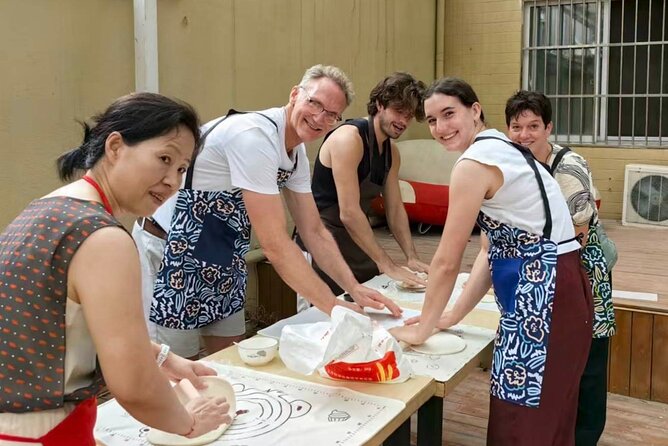
- Biangbiang noodles from scratch: You’ll work the dough and practice the technique that makes them chewy.
- The 56-stroke Biang character: A fun challenge, even if your handwriting is usually a mess.
- Tea tasting with conversation: Expect fragrant teas and real talk with the hosts.
- Mahjong is optional: You can join in if you’re curious, or watch without pressure.
- You eat your handiwork: The meal is the payoff, not just a side dish.
- Private group setup: Only your group participates, which keeps the pace comfortable.
Why Xi’an Biangbiang Noodles Make Such a Great Workshop
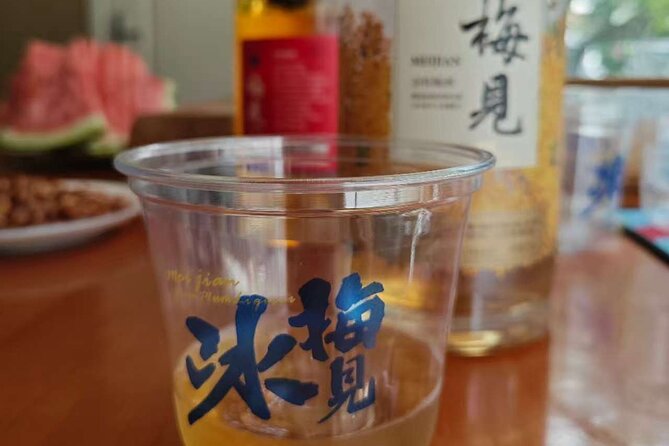
Xi’an is famous for noodles, and biangbiang noodles have a specific kind of personality. They’re wide, chewy, and made to be stretched and handled, not just dropped into a bowl. So this kind of class isn’t “watch and snack.” It’s more like training your hands to understand the dough.
The Biang character adds another layer that’s easy to love. The famous part isn’t just that it’s written with many strokes. It’s that you’re learning a small cultural puzzle tied directly to the noodle name. You’re doing something playful with language, while also building muscle memory for food.
And yes, the tea tasting matters. In workshops like this, tea isn’t just a drink. It’s part of the rhythm: you pause, you taste, you chat, then you go back to the next step. It helps the afternoon feel more like a lived-in local routine than a staged demo.
You can also read our reviews of more tours and experiences in Xian.
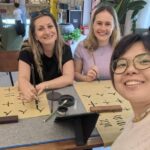
Meeting at Tiedan Chicken Soup Sliced Noodles and Getting Oriented Fast
Your start point is Tiedan Chicken Soup Sliced Noodles (Chang An Xi Lu, Yan Ta Qu, Xi’an, Shanxi). The activity ends back at the meeting point, so you’re not stuck navigating a long way after you’re full.
This matters because the workshop location is described as a courtyard setting, which can be tricky if you arrive and wander without a plan. A smooth approach is to treat the first meeting spot as your anchor. If you can, arrive a few minutes early so you can settle in, meet your hosts, and avoid the “where are we going?” scramble.
Also, the tour is near public transportation, so you can keep your day flexible. And because it’s a private activity for only your group, you’re less likely to get lost in a stream of people.
Learning the Dough: How Biangbiang Noodles Become Chewy and Wide
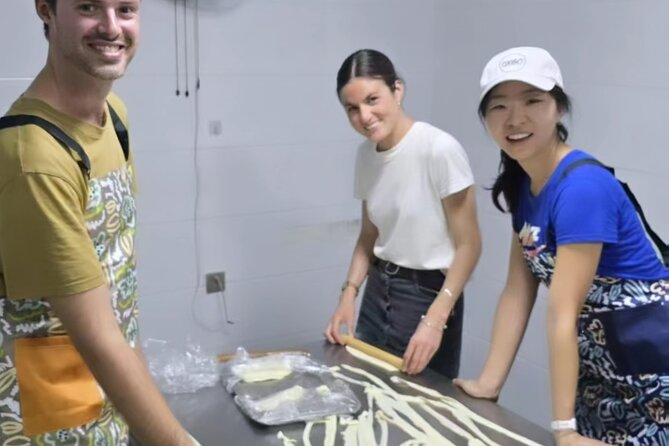
This is a true make-it-yourself class. You’ll craft biangbiang noodles from scratch with guidance from a local chef, and you’ll learn the steps that turn dough into that chewy, satisfying noodle texture.
Here’s what you should expect from the process: you’ll likely work with dough more than once—stretching, shaping, and handling it so it stays pliable and doesn’t turn rubbery or dry. The chef’s role is key here because noodle-making is one of those skills where tiny adjustments matter. Temperature, moisture, and pressure all affect the final chew.
I like that the workshop is built around doing, not just listening. Even if you’re not a “food person,” you’ll understand the craft in real time. And the payoff comes later when you eat the noodles you worked on—there’s a big difference between watching noodles being pulled and then putting your own effort on your plate.
Practical tip: wear something you can move in. Hands-on food work can get messy, even when the instructors are careful. If you’ve got sensitive skin, consider bringing a towel or wipes. Not because you’ll be smothered in flour, but because you’ll probably want to reset once you sit down to tea and calligraphy.
Calligraphy Time: Mastering the 56-Stroke Biang Character
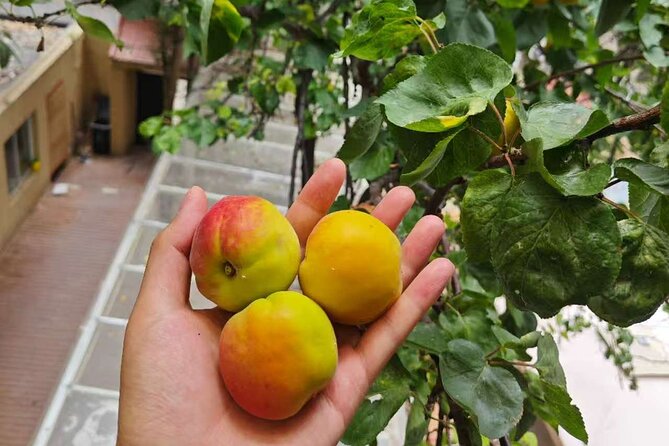
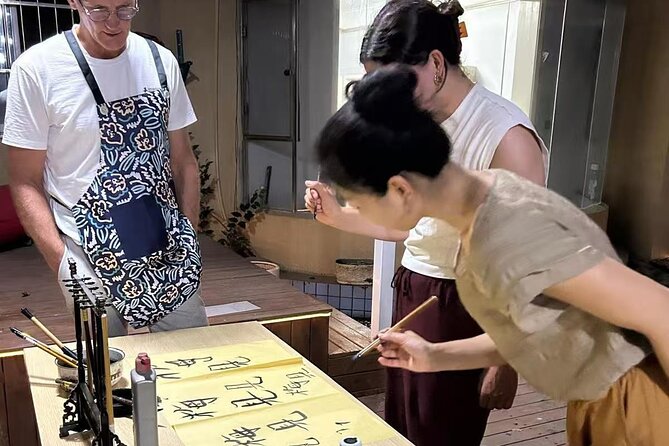
This is the part that makes the experience feel distinctively Xi’an. You don’t just learn about the noodle. You learn to write the Biang character—the one with 56 strokes.
Don’t stress about perfection. The point is practice and understanding. Calligraphy in this setting works like a guided lesson: you follow the structure, learn stroke order, and gradually get a feel for how the character is built. It’s also a great mental break from dough work. Your hands get a different kind of task.
Why this matters for you as a traveler: it connects the noodle name to a real piece of language and visual culture. If you’ve ever tried to read Chinese characters and felt like it was impossible, this is a more friendly entry point. It’s one character, taught step by step. You’ll walk away with at least one tangible item that feels like Xi’an, not just a photo.
And it gives you something to do during the slower moments of the workshop. When the group is waiting for the next food step, you’ll be busy learning instead of standing around.
Tea Tasting and Optional Mahjong: More Than a Pause
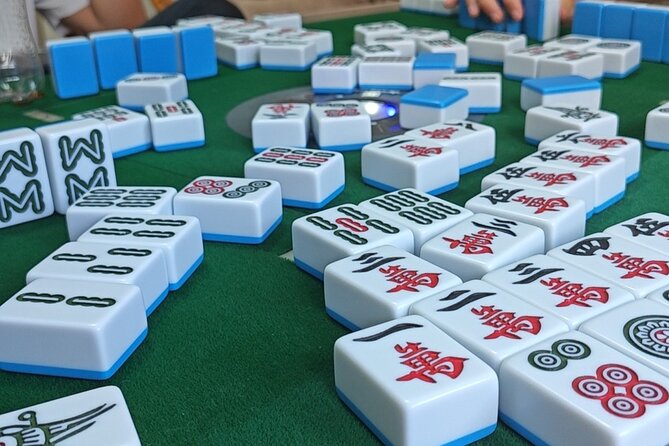
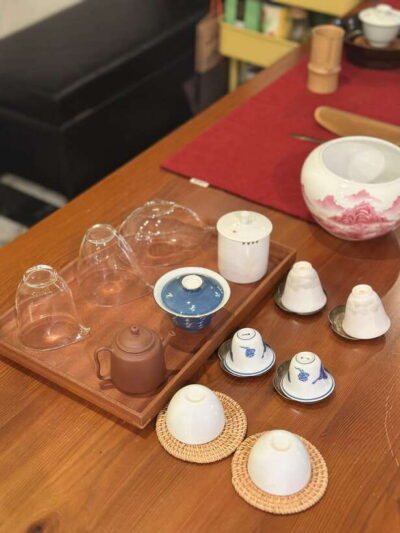
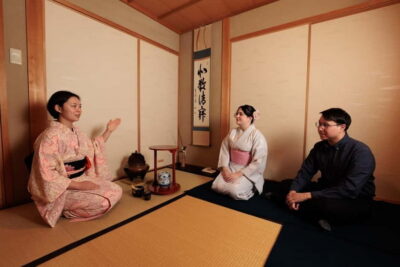
A good workshop doesn’t just fill time. This one uses tea tasting to create a conversation bridge. You’ll sip fragrant Chinese teas, then talk with the hosts about local life.
I find this style of hosting really valuable because tea culture is sensory. You can’t fake enthusiasm for tea. You notice aroma, warmth, and taste. And while you’re tasting, it’s easier to ask simple questions: What does this tea pair well with? What do people usually drink at home? How does this food fit into the day?
Then there’s Mahjong, optional. You can play if you’re curious, or just watch without feeling awkward. That flexibility is a smart design choice for foreigners who want cultural flavor but don’t want a high-stakes game.
If you do join in, take it as a social experience rather than a competition. Mahjong here is more about learning how people pass time and build community than about winning a match.
The Courtyard Meal: Handmade Noodles, Regional Dishes, and Music

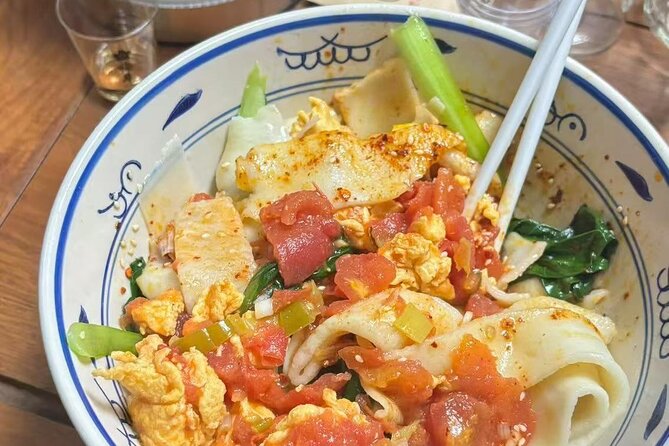
The workshop ends with a meal built around your handiwork: handmade noodles and regional dishes, accompanied by traditional music. This is where the whole class clicks into place.
When the meal is included, you get two benefits. First, you don’t have to plan dinner afterward. Second, the noodles taste different because you made them. It’s not that your noodles suddenly become restaurant-perfect. It’s that you understand the process, so every texture detail feels meaningful.
Traditional music in the background also helps the experience feel like a real evening routine, even though this is a half-day activity. It slows the moment down. You eat, you listen, you talk, and you leave with memories tied to sound and smell, not just technique.
A small caution: you’ll be working with dough earlier, so you may arrive a little hungry. That’s good. Just pace yourself during the meal so you can enjoy the regional dishes too, not only the noodles you made.
Price and Value: What $69.90 Buys You in Xi’an
At $69.90 per person for about 4 hours, this workshop sits in the “worth it if you want hands-on” category. It’s not just a show. You’re getting instruction for noodle-making, time for calligraphy, tea tasting, and a full end-of-class meal with regional dishes and traditional music.
Here’s what you’re really paying for:
- Skilled guidance (local chef + structured lessons)
- Multiple cultural components in one afternoon (food, calligraphy, tea, optional Mahjong)
- The included dinner payoff (you eat what you made)
- A private group format, which usually means a more comfortable pace
The fact that it includes group discounts helps if you’re traveling with friends or family. And the mobile ticket makes it easy to manage without printed paperwork.
Also note the booking lead time is often around 41 days on average. That suggests this isn’t a “walk in any day” style activity. If your Xi’an schedule is tight, booking early is a good move.
Who Should Book This Workshop (and Who Might Skip It)
This experience is a great fit if you want something practical and cultural at the same time. I’d especially recommend it for:
- Food lovers who want real technique, not just a tasting tour
- Travelers who like workshops where you make and eat your own food
- People curious about Chinese characters and calligraphy, even at an introductory level
- Families who want a structured, friendly activity for a half day
It may be less ideal if your goal is purely sightseeing with zero “class” energy. You’ll spend time learning the Biang character and doing hands-on noodle steps. It’s fun, but it’s still a workshop.
Also consider your comfort with short lessons. This is about guided practice, not open-ended exploration. If you prefer wandering, museums, or long market time, you might want to pair this with a lighter evening plan.
Should You Book This Xi’an Noodle and Tea Workshop?
If you like the idea of leaving Xi’an with more than photos, book it. The mix of biangbiang noodle-making, 56-stroke calligraphy practice, tea tasting, and a meal you helped create gives you a strong “I did this” souvenir factor.
I’d especially say yes if you want a private, structured afternoon that feels local rather than crowded. The courtyard setting and traditional music add atmosphere, but the real value is that you learn something you can picture later when you think about Xi’an noodles.
Quick checklist before you commit:
- You’re willing to try both noodle work and calligraphy.
- You want an included dinner so you don’t scramble after.
- You’re traveling with a group where private time feels worth it.
FAQ
Where is the meeting point for this Xi’an noodle and tea experience?
The start point is Tiedan Chicken Soup Sliced Noodles (Chang An Xi Lu, Yan Ta Qu, Xi’an, Shanxi, China, 710063). The activity ends back at the same meeting point.
How long does the experience last?
It runs about 4 hours.
How much does the experience cost?
The price is $69.90 per person.
Is this a private tour?
Yes. It’s listed as a private tour/activity, so only your group participates.
Will I receive confirmation after booking?
Yes. Confirmation is received at the time of booking.
Is a mobile ticket used?
Yes, the experience includes a mobile ticket.
Is it near public transportation?
Yes, it is near public transportation.
What is the cancellation policy?
You can cancel for free up to 24 hours in advance for a full refund. If you cancel less than 24 hours before the start time, the paid amount is not refunded. The experience also requires a minimum number of travelers, and if it’s canceled due to not meeting that minimum, you’ll be offered a different date/experience or a full refund.
If you want, tell me your travel dates and group size, and I’ll suggest how to slot this 4-hour workshop into a realistic Xi’an day plan.