REVIEW · SOUTH KOREA
Korean Green Tea Tour – from Boseong to Gangjin (Private)
Book on Viator →Operated by Tasty Trails Korea · Bookable on Viator
Matcha hills and quiet tea villages. This private day in Boseong and Gangjin mixes tea tastings with real scenery and hands-on culture, starting with rolling tea farms and ending at a historic tea-world garden. I like that you don’t just sample tea at one stop, you get a sequence that teaches leaf tea, powdered tea, and rice cake tea—so the flavors make sense, not just taste good. I also like the practical flow: pickup from Gwangju, private transport, and scheduled time for both viewpoints and a museum.
There is one thing to consider: this experience is weather-dependent, so if conditions are poor, the tour may move dates or be refunded. If you’re traveling in Korea during monsoon season or heavy fog periods, build in some flexibility.
In This Review
- Key takeaways before you go
- Boseong and Gangjin: why this tea route feels different
- From Gwangju pickup to a 9–10 hour tea day
- Daehan Dawon in Boseong: tea farms with a why behind the view
- Boseong-eup lunch break: real local food, but you decide
- Korea Tea Museum: the six types lesson that makes tastings click
- Nokcha-ro viewpoint: the quick tea-house stop that pays off
- Gangjin Dawon: calmer tea culture near Mt. Wolchulsan
- Baegundong Hermitage Garden: Joseon-era calm
- Seongjeon-myeon and the Baegun Tea brand legacy
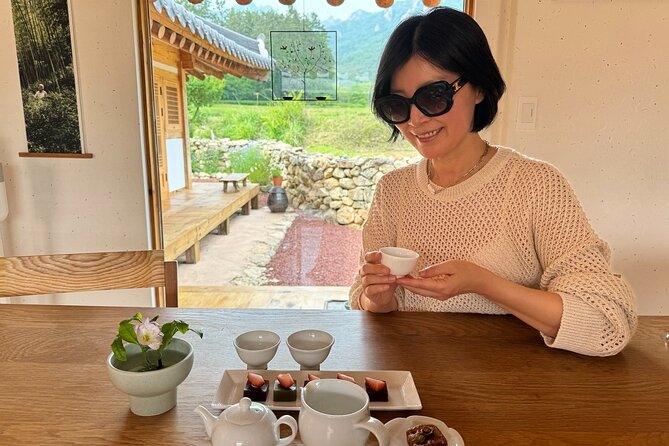
- Tea ceremony in Boseong, matcha affogato, and rice-cake tasting
- Price and value: is $195 per person worth a private day?
- Practical tips that make the day smoother
- Should you book this Boseong to Gangjin private tea tour?
- FAQ
- What is the tour duration?
- What time does the tour start?
- Is pickup included?
- What’s included in the price?
- Is lunch included?
- Is this tour private?
- What if the weather is bad?
- Can I cancel for a full refund?
- Is the tour suitable for people who can use public transportation?
Key takeaways before you go
- Three styles of Korean green tea in one day, including leaf, powdered, and rice cake tea
- Boseong + Gangjin gives you both the famous tea hills and a quieter, older tea culture
- Tea ceremony experience in Boseong plus tasting along the way, not just a demo
- Gangjin’s garden time at Baegundong Hermitage Garden, built in the Joseon Dynasty
- Korea Tea Museum teaches how one tea plant leads to different tea types
Boseong and Gangjin: why this tea route feels different
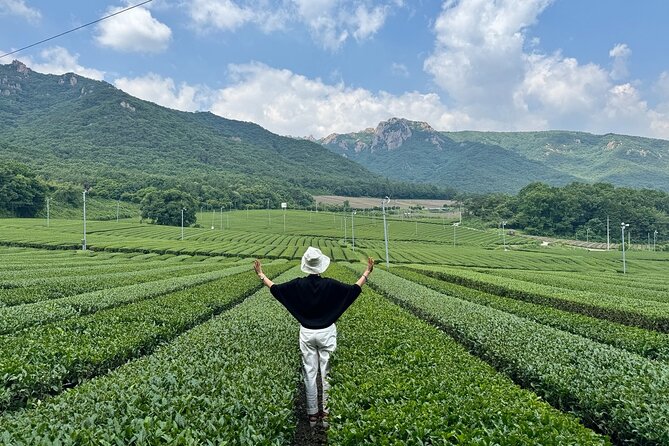
If your only goal is to drink matcha, you can do that anywhere in Korea. This tour is better because it connects tea to places. You start in Boseong, known for wide green hills and strong tea-growing traditions, then you shift to Gangjin, where the tea story stretches back more than 1,000 years and links to Korea’s first tea brand.
The pairing matters. Boseong shows you how tea looks and tastes when it’s grown at scale in the right climate. Gangjin adds context: tea here is tied to heritage sites, private gardens, and the kind of local storytelling you can’t recreate from a café menu.
You can also read our reviews of more tours and experiences in South Korea.
From Gwangju pickup to a 9–10 hour tea day
This runs about 9 to 10 hours, starting at 9:30 am. You’ll be picked up from the Gwangju Metropolitan City area, then the schedule guides you from Boseong to Gangjin and back with private transportation.
The driving times are reasonable for a full day: roughly 70 minutes from Gwangju to Boseong, about 50 minutes to Gangjin, and around 70 minutes back. That pacing matters because you’re not wasting hours trying to connect buses across tea country. It also keeps the day calmer—tea fields, museum time, garden time—without the frantic, “just get there” feeling.
Daehan Dawon in Boseong: tea farms with a why behind the view
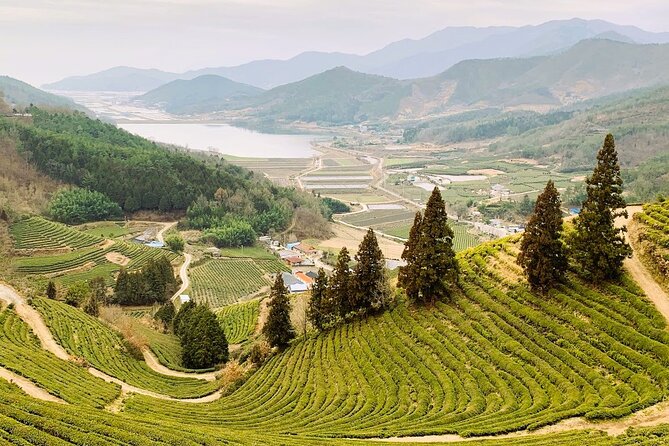
Your Boseong start is at Daehan Dawon, a major green tea field site. Boseong’s reputation isn’t just marketing; it’s tied to the region’s climate and soil, which is why tea farms thrive here. The tour also highlights that the tea grown in Boseong is organic, aiming for higher quality.
What I like for you here is the timing and purpose. A tea farm early in the day makes the hills feel bigger and the air feel more peaceful. Plus, when the guide explains what you’re seeing—how the tea is grown and why the growing conditions matter—you’re tasting later with more brain engaged and less guessing.
A practical note: tea fields are outdoors. Wear comfortable shoes you don’t mind getting dusty, and consider a light layer even if the forecast seems warm.
Boseong-eup lunch break: real local food, but you decide
Between tea stops you get a lunch window in Boseong-eup, the town area. Lunch isn’t included, but you’ll have choices like stir-fried nakji (octopus) and other local dishes, and you pay at the restaurant.
I see this as a good compromise. You get time to eat without losing the day to planning, and you’re not locked into one menu that might not fit your taste. If you’re picky about seafood, point that out before the meal time so you land somewhere you’ll enjoy.
If you want to maximize the day, keep lunch from turning into a long sit-down. You’ll feel better walking around the next stops if you eat and move.
Korea Tea Museum: the six types lesson that makes tastings click
Next comes the Korea Tea Museum, which focuses on both the plant and Korean tea culture. You can expect explanations of the tea plant and how it can lead to six types of tea. The museum also covers the history of Korean tea and green tea production.
This is one of those stops that helps you understand why powdered tea tastes different from leaf tea. Instead of treating tastings like a flight of flavors, you start seeing the logic: processing choices, how tea is produced, and how that changes your cup.
What to watch for: the museum can be a bit informational. If you learn best by asking questions, this is a perfect time to ask your guide to connect what you’re seeing to the tea you’ll taste later that day.
Nokcha-ro viewpoint: the quick tea-house stop that pays off
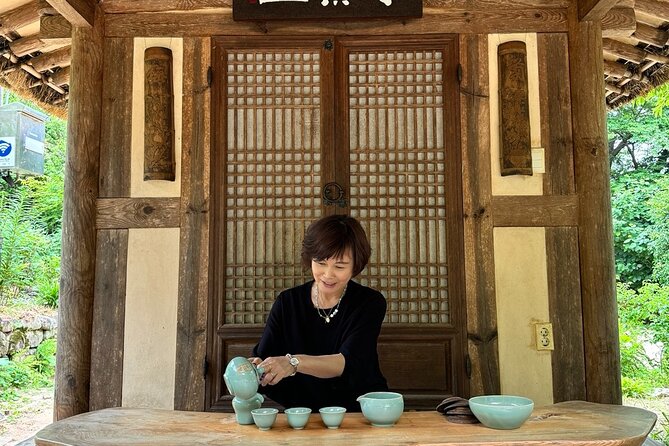
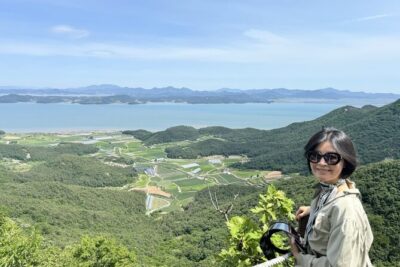
You then visit Nokcha-ro, with a famous tea farm viewpoint associated with Choroknip. The best part is the perspective: from a terrace at a tea house, you look down at rolling tea fields.
This stop is short, and that’s actually a plus. You get a strong payoff for your time budget—photos, calm views, and a visual reset between tea-related sites. It’s a good moment to slow down, breathe, and let the day’s earlier learning settle in.
If you’re photographing, bring a phone that handles low light well. Viewpoints can shift with cloud cover, and you’ll want consistent exposure.
Gangjin Dawon: calmer tea culture near Mt. Wolchulsan
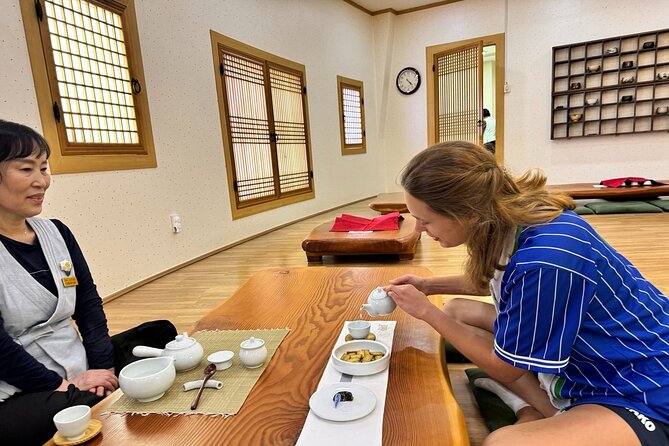
After Boseong, you head to Gangjin Dawon at the foot of Mt. Wolchulsan. Here, green tea production has been cultivated since 1980 by Osulloc, one of Korea’s leading tea producers. That said, the bigger story is older: Gangjin’s tea culture goes back more than a thousand years, and it’s tied to the origin of Korea’s first tea brand.
I like this stop for you because it changes the tone of the day. Boseong can feel like the global “tea hills” destination. Gangjin feels more local and rooted, with heritage sites and tea-world references that make the tastings feel earned.
The tour also includes time to take in the tea setting without rushing. That matters when you’re moving between regions, because your eyes and legs need a break before the garden and tea-house stops.
Baegundong Hermitage Garden: Joseon-era calm
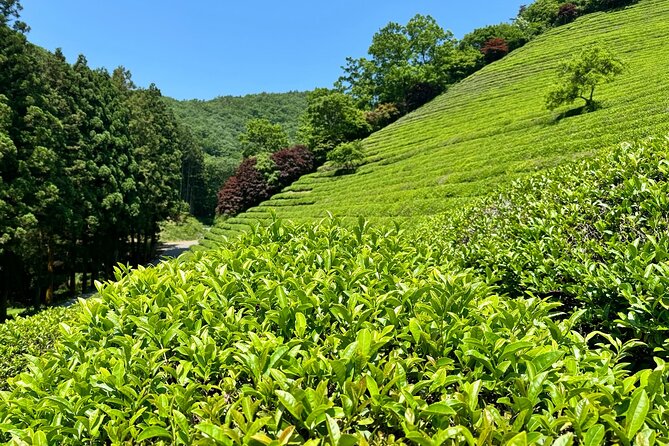
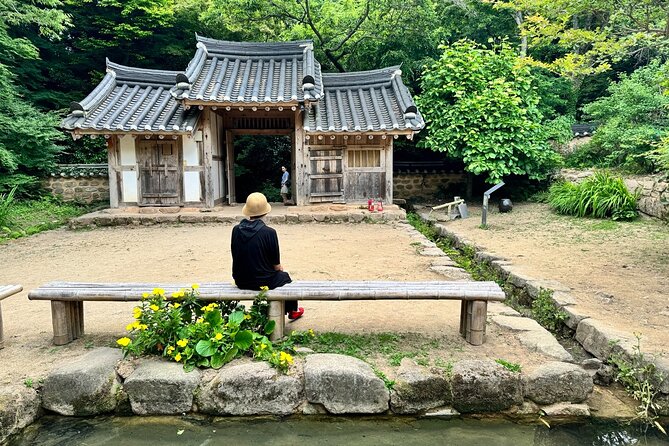
One of the most peaceful segments is Baegundong Hermitage Garden. The garden is tied to the late 17th century and the Joseon Dynasty. It’s known as one of Korea’s beautiful private gardens, designed with care to balance the site with nature.
This isn’t a “tea facts” stop, and that’s the point. After several tea-related experiences, the garden gives you quiet time to enjoy the surroundings. For many people, this is where the day stops being a schedule and starts feeling like a real break.
For comfort: gardens usually involve paths on uneven ground. If you’ve got good walking shoes, you’ll enjoy this more.
Seongjeon-myeon and the Baegun Tea brand legacy
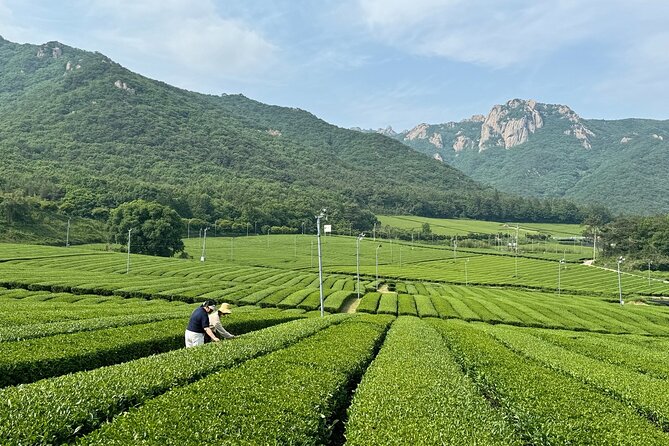
In Seongjeon-myeon, the tour shifts into brand and heritage. Baeg-un Tea House honors the legacy of Korea’s first tea brand, Baegun Okpan Tea, created in the 1920s by Lee Han-young. The details continue: Lee Han-young was a descendant of one of Jeong Yak-yong’s disciples, tying the tea story into Korea’s broader intellectual and historical roots.
This stop is more than a museum-style lecture. It’s the bridge between what tea is and what it means to people here—especially when the tour ends with a tasting tied to tradition.
If you like history that connects to food, you’ll probably enjoy how the tour frames this brand as part of a longer cultural thread, not a random business story.
Tea ceremony in Boseong, matcha affogato, and rice-cake tasting
One of the best value parts is that you get multiple tastings with different formats. Included are:
- Korean Tea Ceremony Experience in Boseong
- Matcha Affogato, powdered green tea with green tea ice-cream
- Historical rice cake tea in Gangjin
The smart way to think about these: tea isn’t one taste. Leaf tea usually feels lighter and more natural in bitterness and aroma, while powdered tea leans creamier and more concentrated in feel. Rice cake tea adds another layer by linking tea to traditional serving styles and local preferences.
I also like that one of the tastings is built into a real Korean dessert format. The matcha affogato helps you try powdered tea in a way that’s friendly if you’re not used to intense green flavors.
Price and value: is $195 per person worth a private day?
At $195 per person, this isn’t a “cheap tour,” but it’s also not priced like a luxury driver-and-limo day. You’re paying for private transportation, included tea experiences, and admission where specified.
Here’s the value logic I use for you: if you tried to do Boseong and Gangjin on your own, you’d still need entry fees, some guided explanation to make tastings meaningful, and time to coordinate transport between rural areas. This tour packages those pieces so you can spend the day learning and tasting instead of working out routes.
Also, this is often booked around 65 days in advance, so it’s not always easy to grab last-minute slots. Booking earlier tends to give you better selection of dates and smoother planning.
Practical tips that make the day smoother
A few things I’d plan for if you book this:
- Bring a light layer. Outdoor tea areas and terraces can feel cool in wind or shade.
- Keep your lunch flexible. Since lunch isn’t included, decide your priorities (seafood, vegetarian options if available, or something familiar) before you sit down.
- Wear comfortable shoes. Tea farms, terraces, and garden paths all add up to real walking.
- Use the mobile ticket. This helps you move through admissions without extra back-and-forth.
One more practical mindset: this tour works best if you go in expecting to learn as you taste. The museum and brand story aren’t “extra.” They’re there to help your brain map flavors to culture.
Should you book this Boseong to Gangjin private tea tour?
If you want a tea day that mixes views, hands-on culture, and tastings with context, I’d say book it. This is a strong choice for food lovers who don’t just want matcha, but want to understand why Korean green tea can taste so different depending on how it’s made and served.
You might skip it if your schedule is too tight for a full 9 to 10 hours, or if you’re traveling during a period where weather is consistently unreliable and you hate having plans change. Otherwise, the private format, the included tasting experiences, and the mix of Boseong and Gangjin tea culture make it a satisfying use of one whole day.
FAQ
What is the tour duration?
The tour lasts about 9 to 10 hours.
What time does the tour start?
The start time is 9:30 am.
Is pickup included?
Yes. Pickup is offered from Gwangju Metropolitan City.
What’s included in the price?
Included are the matcha affogato, a Korean tea ceremony experience in Boseong, historical rice cake tea in Gangjin, all fees and taxes, and private transportation.
Is lunch included?
No. Lunch is not included, but you’ll have a lunch break in Boseong-eup where you can choose and pay at a restaurant.
Is this tour private?
Yes. It’s a private tour, so only your group participates.
What if the weather is bad?
This experience requires good weather. If it’s canceled due to poor weather, you’ll be offered a different date or a full refund.
Can I cancel for a full refund?
Yes. Free cancellation is available up to 24 hours in advance for a full refund.
Is the tour suitable for people who can use public transportation?
It’s near public transportation, and service animals are allowed.