Tea tastes different when nature runs the show. In Madeira, this 1.5-hour mindful tea ceremony turns a quiet outdoor setting into a full sensory lesson, with teas that go from farmers to your cup. I love the focus on flavor plus emotions and states, and I love that each tea comes with an honest story about leaf character, terroir, and production techniques. One possible drawback: it’s intentionally alcohol-free and there’s no included snack, so plan for water and consider eating beforehand if you need it.
You meet at the parking lot near Miradouro Pico da Murta viewpoint, then your guide leads the group to the local, nature-first spot for your practice. It’s a private group, run in English (with Ukrainian also available), so you’re not stuck listening to a big crowd’s pace.
The price is $35 per person for a guided experience built around tasting and reflection, plus the option to buy a tea package after you try what’s on offer. If you want a strict, choreographed tea ritual, this isn’t trying to be that. It’s more practical and modern: the goal is simple—taste closely, notice what changes, and let the setting do some work on your mind.
In This Review
- Key things I’d circle on your Madeira plan
- Why This Madeira tea practice starts with farmers, not rituals
- The Pico da Murta meeting point: where the calm starts
- How the 1.5-hour session flows: private attention, flavor focus
- Farm-to-cup tasting: what you’ll notice in the cup
- The hidden-nature setting does more than look good
- Tea you can bring home: the practical souvenir
- Price and value: $35 for 1.5 hours with real tea education
- Who should book this mindful tea ceremony in Madeira
- A realistic way to get the most from your visit
- Should you book Mindful Tea Ceremony in Hidden Nature of Madeira?
- FAQ
- How long is the tea ceremony experience?
- Where do we meet for the Mindful Tea Ceremony?
- What does it cost?
- Is transportation included to and from the start point?
- What should I bring?
- Are snacks provided?
- What languages are offered by the guide?
- Is alcohol allowed?
Key things I’d circle on your Madeira plan
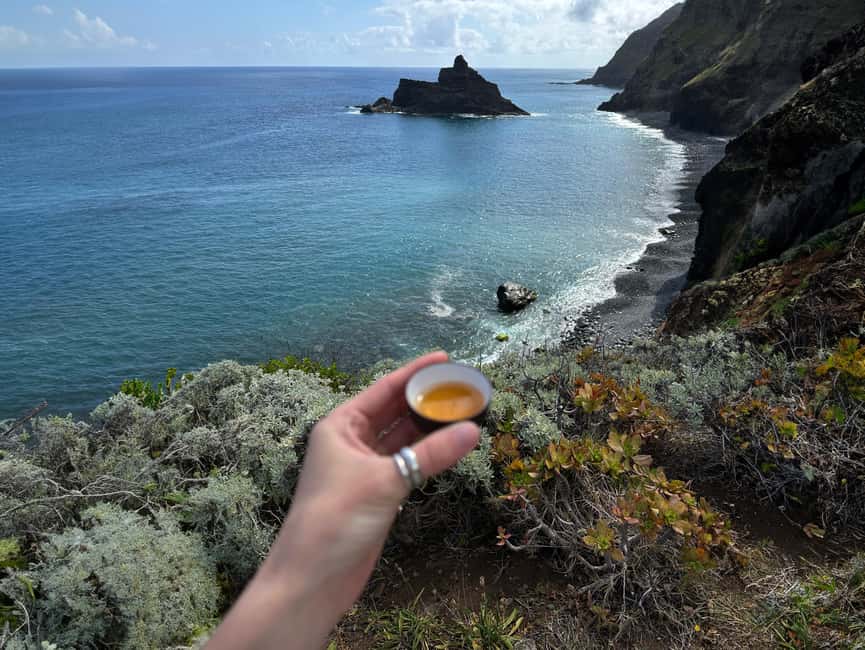
- Farm-to-cup specialty teas with a clear story behind each leaf
- Modern brewing and tasting that focuses on sensations, not showmanship
- A quiet local nature setting away from city noise
- Private, guided attention in English or Ukrainian
- Tea plus mindset: flavors and feelings are part of the lesson
- You can buy teas after tasting if you find a match
Why This Madeira tea practice starts with farmers, not rituals
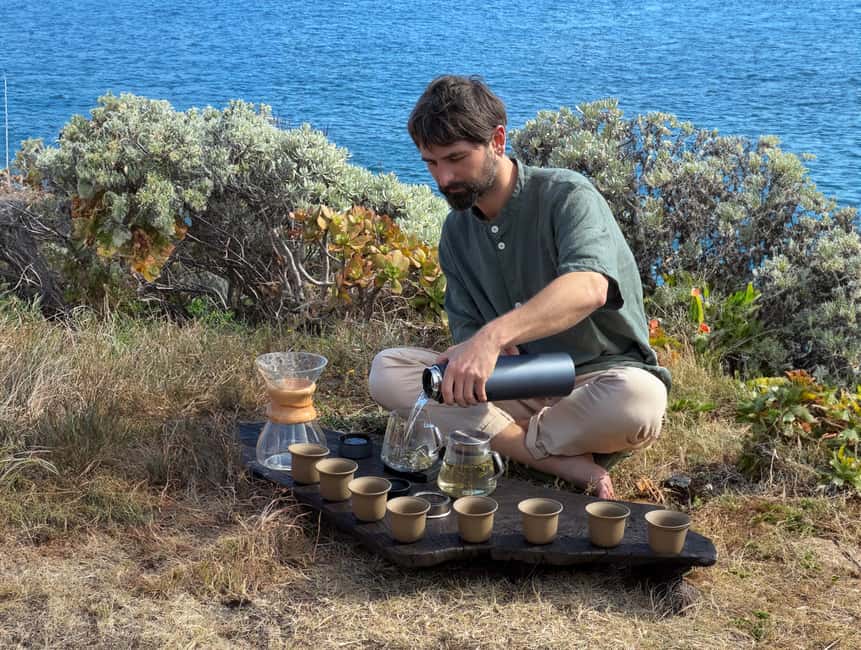
This experience is built around a simple idea: the tea tastes better—and you understand it faster—when you’re connected to where it came from. Instead of treating tea like a fancy performance, the guide frames it as a living product: leaf type, growing place, and production methods shape what you’ll smell and taste.
You’ll get specialty teas that come straight from farmers to your cup. That matters because it changes what you’re paying attention to. You aren’t just sipping something warm; you’re training your senses to recognize the differences that location and processing create. Expect the session to connect terroir to actual flavor, in plain terms you can use right away.
Another big piece is the tone. The guide uses what they consider a modern approach to brewing and tasting, stepping away from ritual-heavy ceremonial tea. You’ll still be guided through tasting properly, but the emphasis stays on your own experience: tastes, emotions, and states that tea and nature bring up while you’re sitting and paying attention.
The Pico da Murta meeting point: where the calm starts
Your starting point is practical and easy to find: the parking lot near Miradouro Pico da Murta viewpoint. That’s a good sign if you like your tours grounded in reality—no mysterious back-alley meet-up, no “stand by the fountain” guessing game.
Because this happens outdoors in Madeira nature, come ready for sun and walking comfort. The experience asks you to bring:
- Hat
- Sunscreen
- Water
- Biodegradable sunscreen
- Closed-toe shoes
Those items aren’t just “nice to have.” They directly affect how relaxed you’ll feel during a 1.5-hour focus session. If you’re uncomfortable, your senses won’t listen as well. I’d treat this as a little mindfulness workout, not a quick photo stop.
How the 1.5-hour session flows: private attention, flavor focus
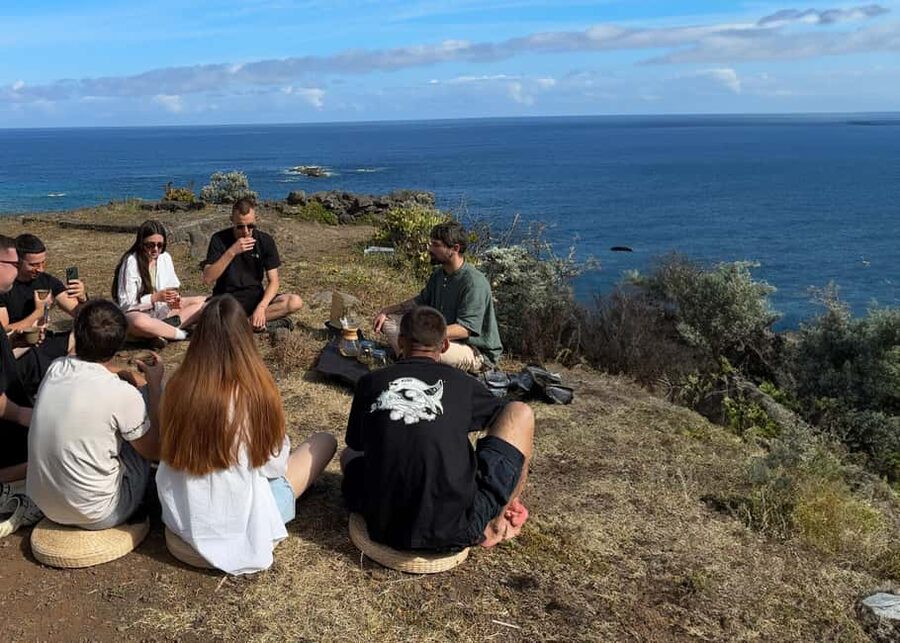
This is an individual tea practice experience in the sense that your attention is the main character. Since it’s a private group, you’ll get a calmer pace than typical group tours, and it’s easier to ask questions without feeling rushed.
Here’s what the time is clearly designed to do:
- You’ll taste specialty teas in a guided way.
- You’ll learn to pay attention to flavor details through modern brewing and tasting techniques.
- You’ll hear the story behind the tea leaf—its characteristics, the terroir, and production technology—so your tasting has context.
- You’ll be encouraged to connect the sensory side to emotions and states that show up during the session.
In a lot of “tea experiences,” people remember the cups and the setting. Here, you’re meant to remember what your mind noticed: how one tea feels lighter or heavier, how it shifts your mood, how nature changes the whole experience even when the tea is the same temperature and strength.
The guide’s philosophy is worth keeping in mind: they’re not trying to have you copy a traditional script. They’re helping you slow down enough to notice your own reactions—taste, emotion, and state—without turning it into a performance.
Farm-to-cup tasting: what you’ll notice in the cup
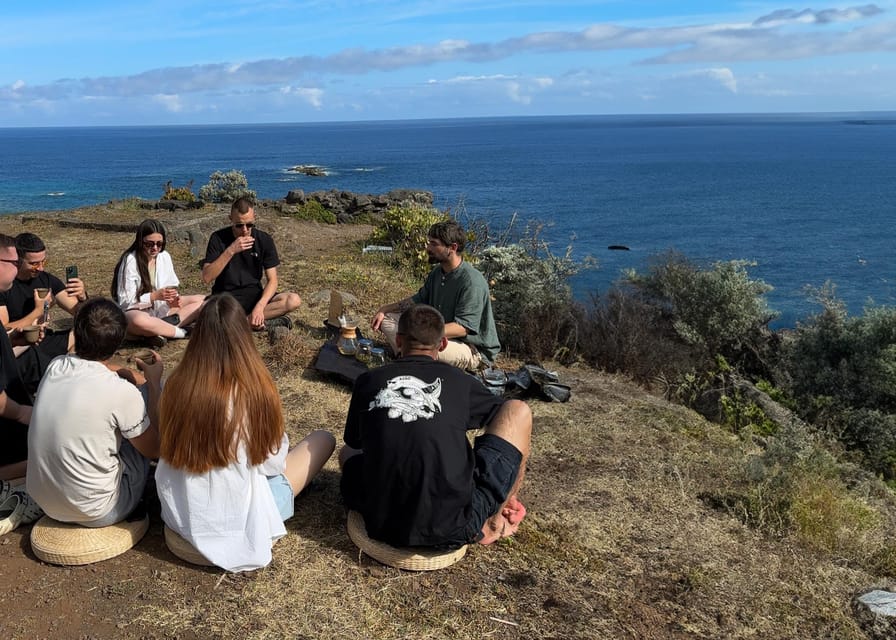
The standout promise is that the teas you try come directly from farmers to your cup. That usually translates into two things you can actually feel while tasting:
- The teas are treated like specific products with identity, not a generic “tea experience.”
- The guide has enough detail to connect what you taste to how and where it was made.
During the tasting, expect the guide to tell the story of each tea leaf. That includes characteristics of the tea, the terroir, and production technologies. Even if you aren’t a tea nerd, this helps you build a mental map fast. You stop asking only if a tea is strong or mild, and you start asking better questions like:
- What part of this flavor seems to come from growing conditions?
- How does production method change aroma or aftertaste?
- Which tea feels different to your body, not just your tongue?
Because the approach is modern and focused, you’ll also likely get practical tips on how to taste. That means you’re not just being told what to like—you’re being taught how to notice. If you’ve ever tried teas at home and couldn’t explain why one felt more satisfying than another, this kind of guided tasting can fix that.
The hidden-nature setting does more than look good
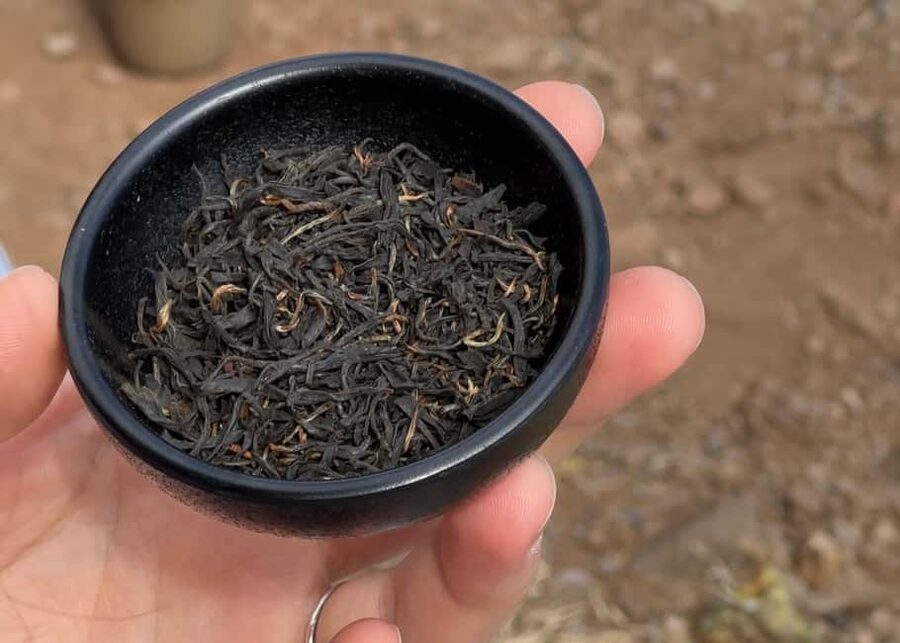
You’re promised tea practice in places known only to locals, far from the noise and bustle of cities. In practice, that’s where the value sits. A tea session in a crowded scenic spot becomes a “stop and snap photos” experience. A tea session in quiet nature becomes something else: you can actually hear yourself think.
The goal is connection—between yourself and nature, and between your senses and the tea. The guide doesn’t frame it as vague wellness talk. They frame it as a shift in attention: focus on flavors, emotions, and states the combination of tea and environment evokes.
Even with a short duration of 1.5 hours, that kind of focus can feel like more than the clock says. One guest highlighted the special feeling of the morning atmosphere—soft, relaxing, and slowed down. You’re not going to leave with a stack of museum facts. You’ll leave with your nervous system having had a break, and your palate having learned something.
Also, your guide is the kind who doesn’t only talk tea. Roman is known for sharing interesting spots locals enjoy—so if you’re craving a few real off-the-beaten-track ideas right after the ceremony, ask. Just keep it respectful of the tone of the experience: this is meant to be calm while you’re there.
Tea you can bring home: the practical souvenir
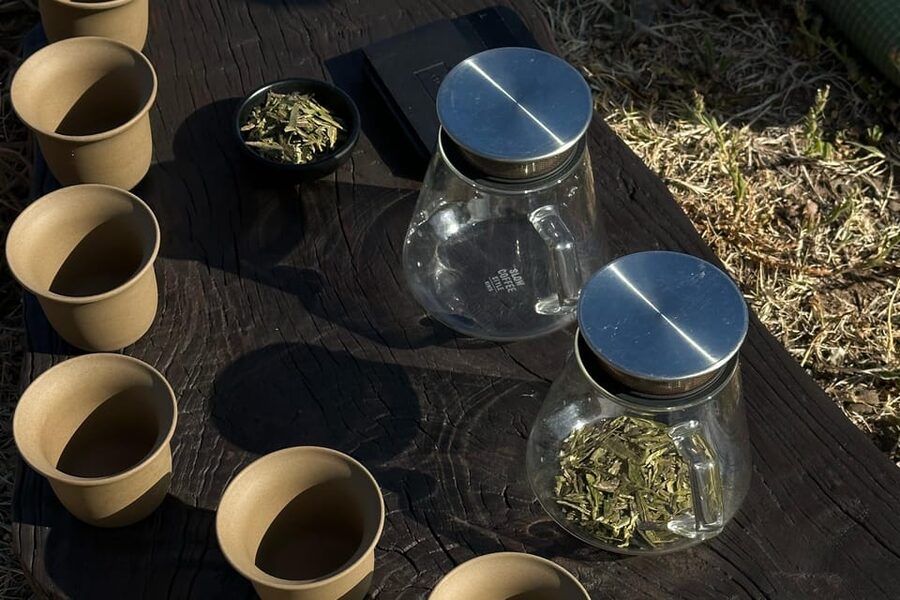
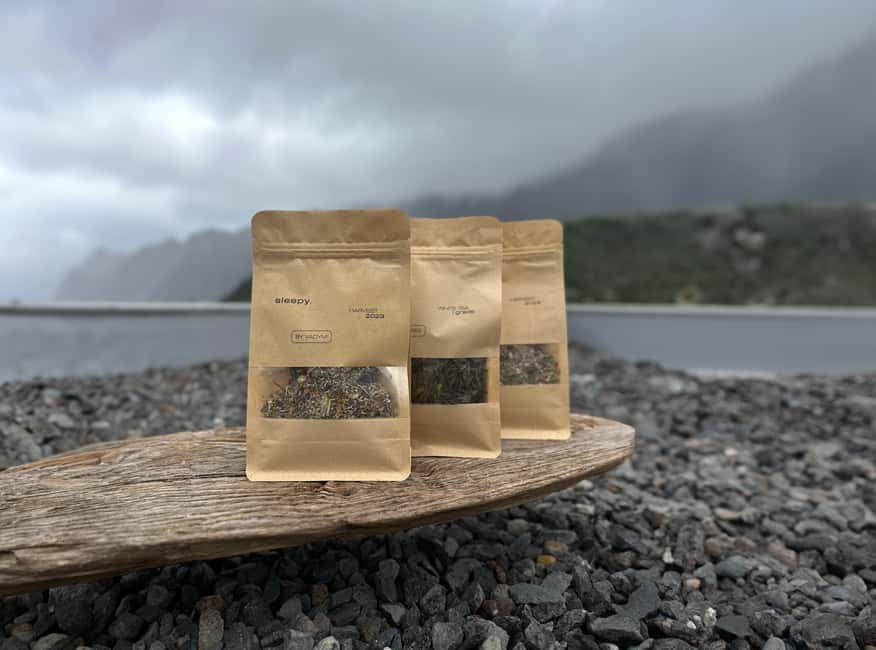
After tasting, you have the option to purchase a package of tea. That’s an underrated part of this kind of experience. If you buy nothing, the trip can still be worth it for the practice and the attention-training. But the buying option helps you extend the effect.
It’s also a smart way to avoid the common “I liked it in the moment, now I can’t repeat it” problem. If a tea felt right for your tastes, you can take that exact flavor profile home and test your memory while your senses are still fresh.
Just remember: this is about tea quality and selection. If you’re a casual drinker, you can still enjoy the tasting. But if you’re planning to stock your pantry, come prepared to spend a little extra based on what matches you.
Price and value: $35 for 1.5 hours with real tea education
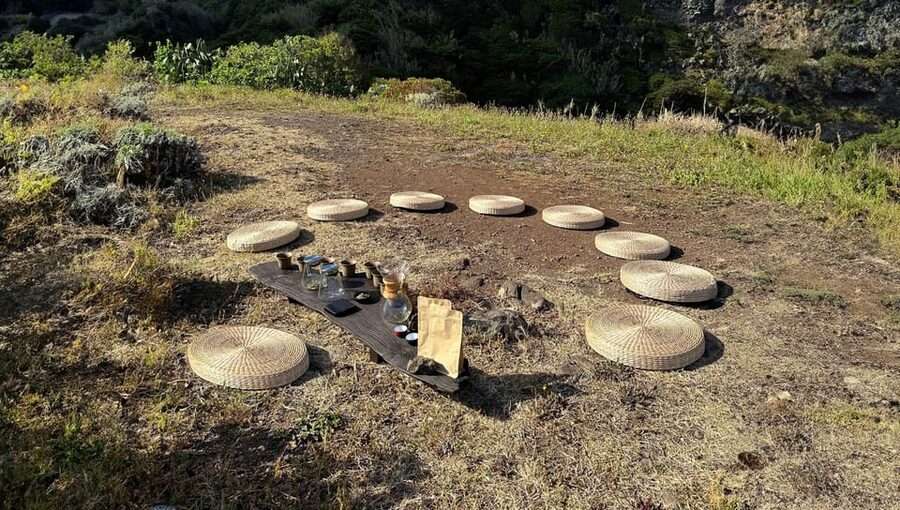
At $35 per person for 1.5 hours, the cost is less about “view + cup” and more about guidance. You’re paying for:
- A private guided tea practice
- Specialty teas (including teas that come straight from farmers)
- Modern brewing and tasting instruction
- Explanations tying leaf character to terroir and production technology
- Time set aside to focus on emotions and states, not sightseeing pressure
Is it cheap? Not really. But it’s also not a long, multi-day tour with transportation costs bundled in. And that leads to the key trade-off.
Not included:
- Transfer to the start of the route and back
- A light snack if you need one
That means you should think about how you’re getting there and back. If your Madeira base is far from the Miradouro Pico da Murta area, factor that into your planning. And if you’re prone to getting hungry or thirsty, treat this as a session where you should show up ready—water is required, and an extra snack is a personal decision.
Who should book this mindful tea ceremony in Madeira
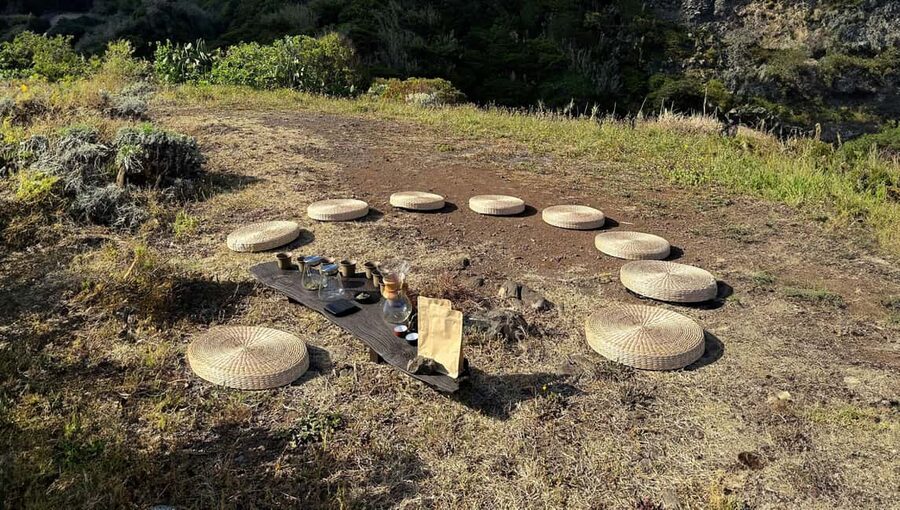
Book it if you want a tour that slows you down and teaches you how to taste. You’ll be happiest here if:
- You like nature that feels quiet and local
- You enjoy sensory experiences and guided tasting
- You want a private setting where you can ask questions and go at a calmer pace
- You appreciate explanations that connect terroir and production to what’s in your cup
It also suits couples and solo travelers who want something meaningful without turning it into a big production. The English/Ukrainian guide option helps too, especially if you’d feel more comfortable asking questions in those languages.
Skip it (or at least think carefully) if you’re expecting lots of food, alcohol pairing, or a high-energy itinerary. The experience explicitly doesn’t allow alcohol and drugs, and it doesn’t include a light snack. This is a focused practice, so it’s not designed to be your main meal plan.
A realistic way to get the most from your visit
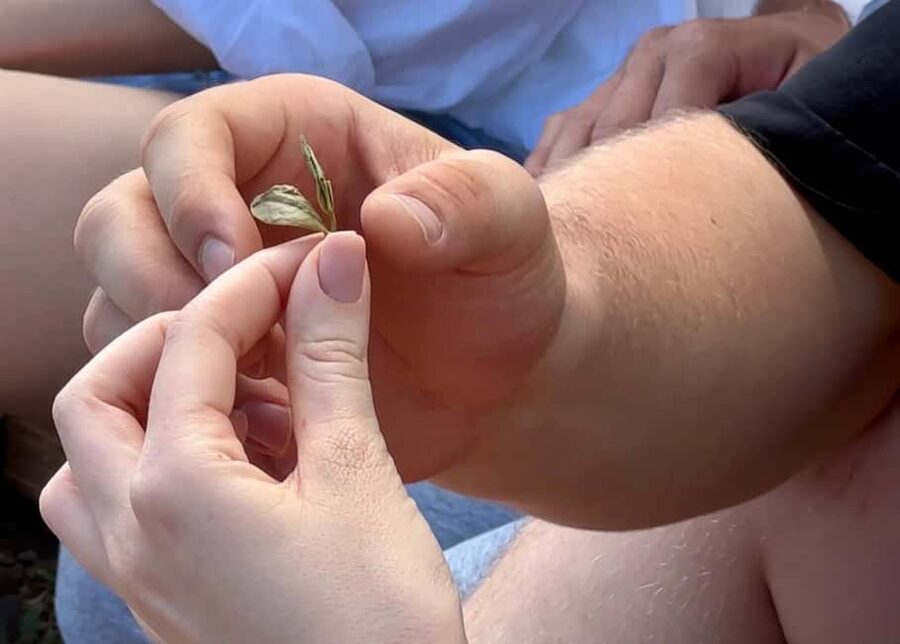
To make the most of a tea practice experience, show up in a way that protects your attention:
- Drink water before you start, and keep a bottle with you since water is on the required list.
- Wear closed-toe shoes. You’ll be in nature, and comfort makes the whole session easier.
- Use sunscreen the way you normally would, but bring biodegradable sunscreen since it’s requested.
- Keep your expectations on point: you’re not collecting quick sightseeing stamps. You’re training your senses.
And here’s a small mindset tip: don’t try to label everything. Let the tasting happen in layers. Notice aroma first. Then sip. Then wait a moment before judging. That pause is often when the tea’s character shows up.
Should you book Mindful Tea Ceremony in Hidden Nature of Madeira?
If you’re the type of traveler who values calm, sensory learning, and farm-to-cup authenticity, I’d say yes. This is one of those experiences where the time feels “useful,” not just scenic: tea education, nature quiet, and a modern approach that keeps you grounded in what you actually taste and feel.
I’d think twice if you need included transportation or expect snacks and a more energetic tour format. Also, if you’re only interested in a traditional ceremonial performance, the modern, non-ritual focus may not match your idea of tea culture.
If your Madeira trip has room for one reset-style activity, this is a strong candidate—especially since it starts right by Miradouro Pico da Murta, then shifts you into a local nature setting for a guided, private 1.5-hour practice.
FAQ
How long is the tea ceremony experience?
It lasts 1.5 hours.
Where do we meet for the Mindful Tea Ceremony?
You meet at the parking lot near the Miradouro Pico da Murta viewpoint.
What does it cost?
The price is $35 per person.
Is transportation included to and from the start point?
No, transfer to the start of the route and back is not included.
What should I bring?
Bring a hat, sunscreen, water, biodegradable sunscreen, and closed-toe shoes.
Are snacks provided?
A light snack is not included if needed.
What languages are offered by the guide?
The live guide is available in English and Ukrainian.
Is alcohol allowed?
No, alcohol and drugs are not allowed.