
REVIEW · SRINAGAR
Srinagar Old City Heritage Walking Tour with Kahwa Tea
Book on GetYourGuide →Operated by Wildfloc Adventures · Bookable on GetYourGuide
Old Srinagar gets personal on foot. This 3-hour walk links Pather Masjid to Jamia Masjid Srinagar, with stories that explain why places look the way they do. Along the way, you’ll move through old shrines, Mughal-era architecture, everyday markets, and quieter courtyards, guided by a local historian.
I especially like the way this tour blends architecture with real-life culture. You’re not just looking at buildings; you’re getting the backstory through local conversations, and you also meet artisans who still work in the traditions of Kashmir. The kahwa stop feels like a proper pause, not a rushed photo break.
One thing to consider: this is a walking-focused experience through winding alleys. It’s not built for low mobility, and it won’t suit everyone (for example, it’s not recommended for wheelchair users, people with low fitness, or children under 10).
In This Review
- Key things to know before you go
- Walking from Pather Masjid into Srinagar’s Old City
- Shrine stops that explain why people built them
- Mughal-era architecture plus everyday markets
- Kahwa tea: your real cultural pause
- Meeting artisans and learning what’s still made by hand
- Shopping time: how to make the 15 minutes count
- Pacing, group size, and languages you can actually use
- Who this Srinagar old city walk suits best
- Price and value for a guided heritage walk at about $32
- Should you book this Srinagar Old City Heritage Walk with Kahwa Tea?
- FAQ
- Where does the tour start and where does it finish?
- How long is the Srinagar Old City Heritage Walking Tour?
- Is kahwa tea included?
- What’s included in the guided experience?
- Is transport included?
- What languages are the live guides available in?
- Is this tour suitable for kids or wheelchair users?
Key things to know before you go
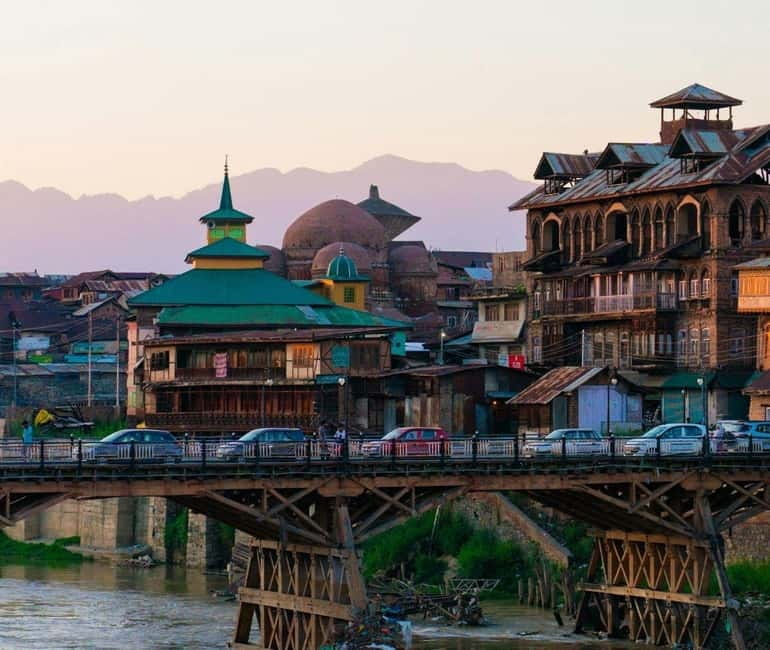
- Small group (max 10): easier questions, less crowd-pressure, more time for real conversation
- Local historian storytelling: you’ll connect shrine legends, architecture, and city life
- Kashmiri kahwa included: a warm, traditional break served at a local spot
- Old city route between two major mosques: you’ll end at Jamia Masjid Srinagar
- Artisans and crafts on the route: you get culture beyond sightseeing
Walking from Pather Masjid into Srinagar’s Old City
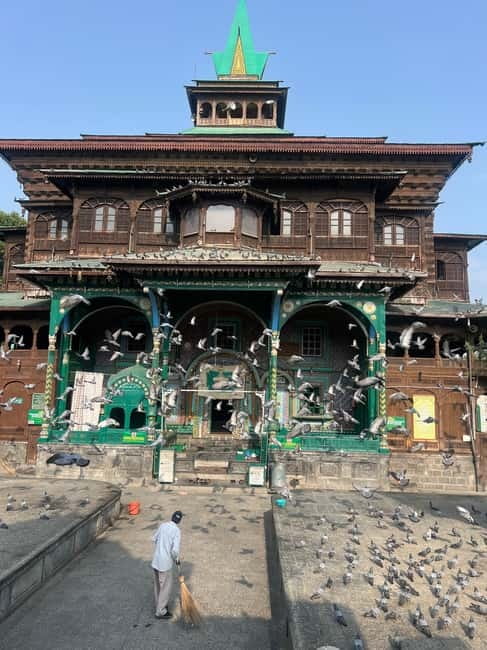
The tour starts at Pather Masjid, and right away you’re placed in the mood of Srinagar’s old quarters. The guide begins with orientation so you understand what you’re about to see, not just where to stand. That early context matters in Srinagar, where streets, courtyards, and religious spaces are tightly connected.
After that setup, you shift into the walking rhythm: short transfers on foot, then stops for explanation. Expect your route to include both busy streets and calmer side areas. That mix is part of the value. The busy bits show you how people actually live and trade, while the quieter courtyards help you notice details you’d miss if you only rushed from monument to monument.
Also, plan for practical walking time. This is a heritage walk, not a hop-on/hop-off route. Comfortable shoes are non-negotiable, and you’ll feel it more on hot, bright days—Srinagar can still sun-burn you if you’re careless.
Shrine stops that explain why people built them
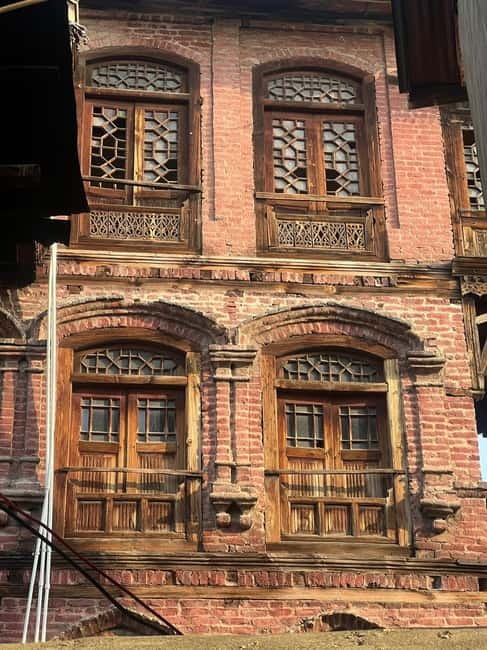
A big part of what makes this tour work is how the guide connects sacred sites to the people who used them across centuries. You’ll visit ancient shrines and even forgotten temples, with the history told in a way that helps you understand the city’s layered identity. In Kashmir, that layering isn’t just academic—it shows up in the way communities have lived side by side over time.
You’ll also get special attention to key stops such as Khanqah-e-Budshah’s tomb (often tied in stories to Khanqah Moala). Even if you’ve seen big mosque interiors before, this kind of shrine stop changes the angle. Instead of focusing only on design, the guide focuses on meaning: why certain layouts exist, how legends attach to particular areas, and how the stories shaped what people remembered.
This is one of the most praised parts of the experience. Guides like Syed (Wildfloc Adventures) and Mr. Furqan are repeatedly noted for bringing architecture and shrine legends to life, including details that make you look at the same stone in a totally different way.
Mughal-era architecture plus everyday markets
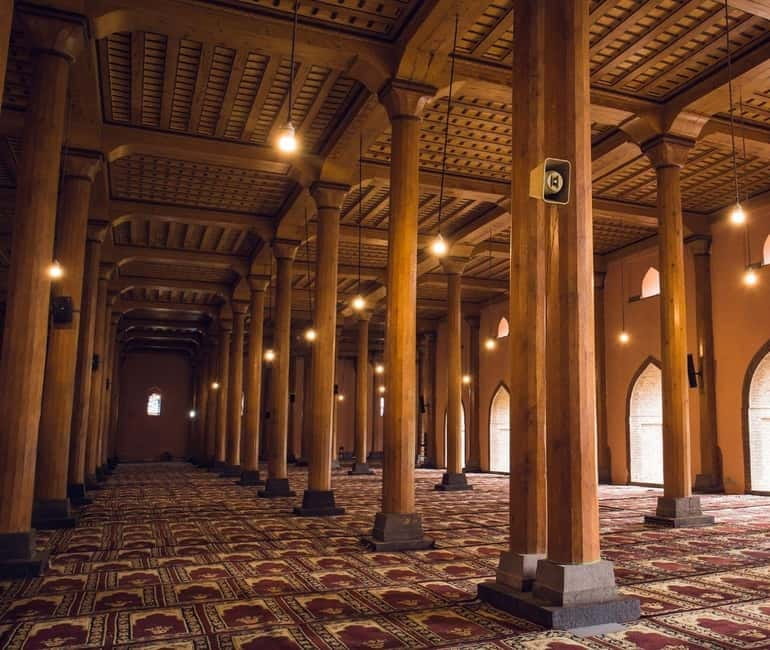
Srinagar’s old city has a habit of mixing grand design with daily life. This tour keeps that balance. As you move through the route, you’ll get guided time at Mughal-era architecture stops, then you’ll transition into busy markets where the city’s energy hits you more directly.
That matters because Mughal-era buildings can feel distant if you only view them like museum pieces. Here, you connect the style to the real streets around it. You start noticing things like how entrances, courtyards, and street patterns shape movement—where people naturally pause, where they gather, and what routes keep repeating through generations.
The market time is also useful for a different reason. You’ll see what people sell and how shops operate today, which helps you understand why “heritage” isn’t frozen. It’s still functioning. If you enjoy travel that doesn’t just photograph old walls, this section is a solid match.
Kahwa tea: your real cultural pause
Kashmiri kahwa is included, served at a local spot. This is not just a warm beverage stop; it’s a chance to slow down and talk with the people around you. Kahwa is also one of those experiences where the details are part of the point: aroma, warmth, and the calm pace that comes with drinking it.
What I like about this setup is that you get the break at a natural moment in the route—after enough walking that you’ll genuinely appreciate the rest. And because there’s a conversation element built in, kahwa becomes a language bridge rather than a stamp on a checklist.
Practical note: bring sunscreen and sunglasses, because even with tea breaks, you’ll still be outside during parts of the walk. If you’re prone to headaches in bright sun, plan your hat early.
Meeting artisans and learning what’s still made by hand
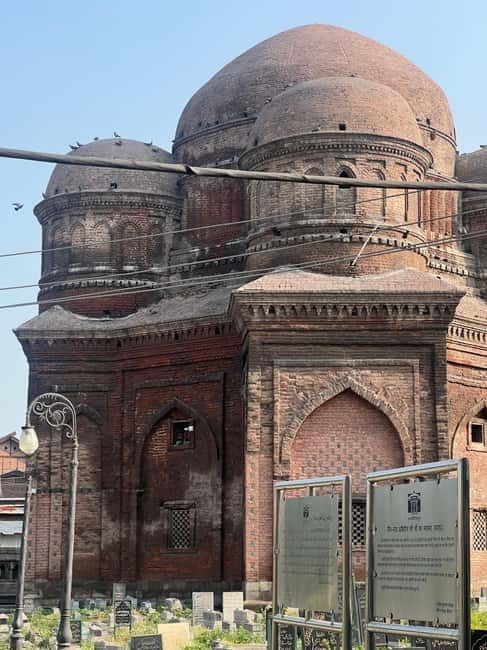
One of the tour’s strongest cultural angles is the stop to meet local artisans and learn about age-old crafts. The emphasis is on tradition that continues, not just a display of finished products.
This matters because craft culture is hard to “get” from pictures alone. When you meet artisans in the flow of the old city, you learn how their work fits into the neighborhood, how they talk about materials, and what kinds of skills get passed down. Even when you don’t buy anything, you walk away understanding the human side of what you just saw.
If you’re the type who likes buying small, meaningful souvenirs, this is where you’ll pay attention. Just keep your shopping mindset sensible: compare prices calmly, don’t rush, and think about what you can carry and safely pack.
Shopping time: how to make the 15 minutes count
There’s a shopping window built into the walk (about 15 minutes). That’s enough time to browse if you know what you want, but not enough to roam for an hour hunting the best deal.
I’d treat it like a starter lap:
- decide your target before you get there (tea sets, small handicrafts, etc.)
- check what’s returnable or fragile to carry
- ask the guide for practical suggestions on quality, especially if the area sells a mix of handmade and mass-produced items
If you’re the kind of shopper who needs “just one more stall,” this part might feel short. In that case, keep expectations realistic: use it to pick one or two things you truly like, then keep moving.
Pacing, group size, and languages you can actually use
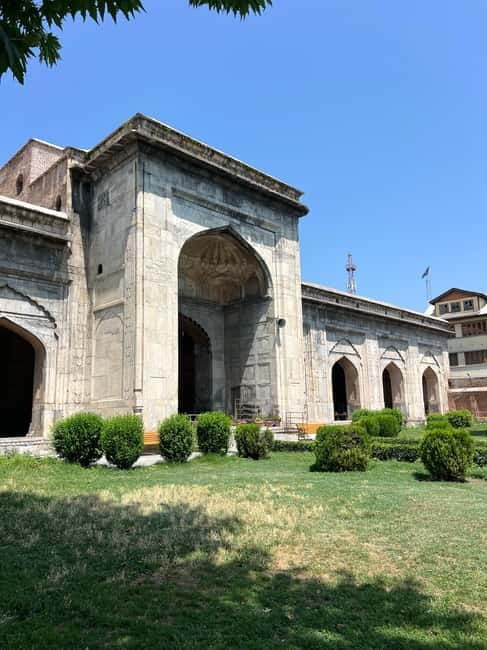
The group is small, limited to 10 participants. That’s a sweet spot for walking tours. You can ask follow-up questions without feeling like you’re talking over each other, and the guide can adjust the pace if the group needs a breather.
The guide works in English, Hindi, Urdu, and Kashmiri, which helps if you’re not comfortable with only one language. Even if you speak English, it’s reassuring to know the guide can meet the group where they are.
The timing also makes sense. The walk is built around guided segments plus short walking transitions, for a total of about 3 hours. It’s long enough to feel like you learned something, not so long that you’re exhausted and foggy at the end.
Who this Srinagar old city walk suits best
This is a good fit if you:
- care about architecture plus stories, not just photos
- enjoy local conversation and learning from people doing real work today
- want an old-city route that ends at a major landmark instead of looping forever
It may not suit you if you:
- need step-free access (wheelchair users are not recommended)
- have low fitness for walking through winding alleys
- travel with small children (it’s not recommended for kids under 10)
- are pregnant or have mobility challenges that make uneven walking hard
One more heads-up: the tour includes walking in places where you’ll want to keep your posture and footing steady. Bring sturdy shoes and keep an eye on uneven ground.
Price and value for a guided heritage walk at about $32
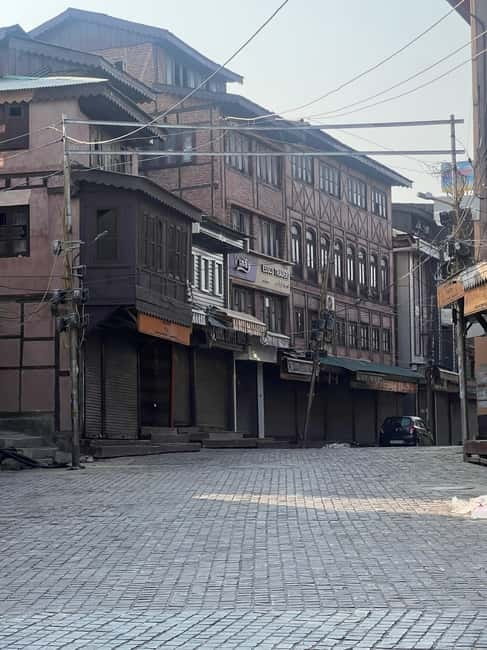
At around $32 per person, you’re paying for a guided cultural route with multiple guided stops, artisan time, market context, and kahwa. You’re also getting a small group size, which usually costs more than big-group tours.
Is it expensive? For a 3-hour heritage walk with history-led guidance and included kahwa, it’s fairly priced for what you get. The bigger value is that you’re not only sightseeing—you’re learning the connections between shrine sites, mosque architecture, and the everyday city around them.
The only real financial “gotcha” is that transport isn’t included. So you’ll want to plan how you’ll reach Pather Masjid and how you’ll handle getting back after finishing at Jamia Masjid Srinagar.
Also, photography and videography permits aren’t included. If you plan serious filming, plan accordingly.
Should you book this Srinagar Old City Heritage Walk with Kahwa Tea?
Book it if you want a guided old city experience with clear storytelling and a cultural pause that feels genuine. The route works especially well for people who like to understand why buildings matter, not just that they exist. The kahwa tea stop and the artisan interaction add texture you won’t get from a quick monument circuit.
Skip it if you have limited mobility, low walking tolerance, or you need accessibility-friendly routing. This is a walking tour through winding alleys, and it’s designed for people who can comfortably manage that pace.
If you’re deciding on the day, I’d go for it when the weather is pleasant for walking, pack sunscreen and a hat, and arrive ready to ask questions. This kind of tour rewards curiosity.
FAQ
Where does the tour start and where does it finish?
The tour starts at Pather Masjid and finishes at Jamia Masjid Srinagar.
How long is the Srinagar Old City Heritage Walking Tour?
The tour lasts 3 hours total.
Is kahwa tea included?
Yes. Kahwa (traditional Kashmiri tea) is included at a local spot during the walk.
What’s included in the guided experience?
You get a guided heritage walk with stops that include ancient shrines, forgotten temples, Mughal-era architecture, bustling (busy) markets, and quiet courtyards, plus a meeting with local artisans and conversations with locals.
Is transport included?
No. Transport is not included.
What languages are the live guides available in?
The guide offers live commentary in English, Hindi, Urdu, and Kashmiri.
Is this tour suitable for kids or wheelchair users?
It’s not suitable for children under 10 and it’s also not recommended for wheelchair users. The tour also notes it may not suit people with low fitness or visual impairment.