REVIEW · HANOI
Vietnam Tea Tasting – Giang Egg Coffee & Train Street Visit
Book on GetYourGuide →Operated by Go Asia Travel · Bookable on GetYourGuide
Tea lessons pair well with passing trains.
This Vietnam tea tasting in northern Hanoi mixes a hands-on tea class with a very Hanoi kind of payoff: the view of Train Street as a train slips by. I like that it’s small-group (2–5 people) and guided in English, so you get actual attention and time to practice, not just watch.
What I like most is the focus on real tea culture: you taste green tea and red tea from tea trees said to be 200 years old, then you practice a 4-step brewing routine on your own. I also enjoy the drink contrast with the Giang Coffee stop, where you order classic egg coffee (or egg coffee with almond) from the famous Giang Coffee since 1946.
One consideration: the timing is tight and you’ll be on your feet outside a lot. Train Street viewing is from the street area (you don’t go inside things like the Ho Chi Minh complex), and the tour isn’t set up for wheelchair access.
In This Review
- Key Highlights You’ll Actually Notice
- A 3-Hour Vietnam Tea Tasting That Feels Like Hanoi, Not a Museum Class
- Picking the Right Option: Train Street Morning vs. Coffee and Tea Later
- Option 1: Morning tea + Train Street + optional Bun Cha
- Option 2: Morning tea + Giang egg coffee + optional Bun Cha
- Option 3: Afternoon Bun Cha (optional) + Giang egg coffee + tea lesson
- Tea House Lesson: 200-Year Tea Trees, Classification, and Brewing You Can Repeat
- From Ho Chi Minh Viewpoints to Train Street: How to Enjoy the Moment Without Stress
- Giang Coffee Egg Coffee: Why the Name Matters
- Optional Bun Cha Lunch: A Simple Add-On, Not a Guaranteed Meal
- Price and Value: Why $36 Can Make Sense for Tea + Egg Coffee + a Train Street Moment
- Group Size and the Guide: Small Class Energy, Not a Big Tour Shuffle
- What to Bring and How to Make the Day Comfortable
- Who This Tour Is For (and Who Might Skip It)
- You should book this if…
- You might skip it if…
- Should You Book? My Honest Take
- FAQ
- What does the $36 price include?
- How long is the tour?
- What time options are available?
- Do I have to pay for lunch?
- Where is the meeting point, and is pickup included?
- Is this tour wheelchair accessible?
Key Highlights You’ll Actually Notice
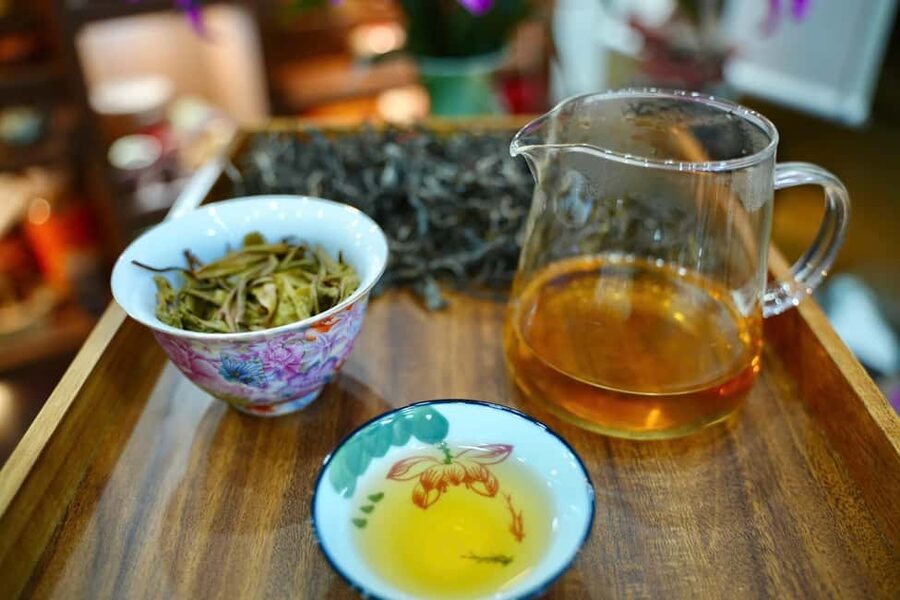
- Hands-on brewing practice: you learn a 4-step method and then make one tea yourself
- Two tea styles to compare: green tea and red tea, with emphasis on classification and flavor differences
- Train Street viewing at the right moment: you head over before 11:30 am (morning option) to catch trains
- Giang Coffee egg coffee stop: an authentic Hanoi classic from a long-running shop (since 1946)
- English-speaking guide in a micro-group: limited to 5 people, so questions aren’t an afterthought
A 3-Hour Vietnam Tea Tasting That Feels Like Hanoi, Not a Museum Class
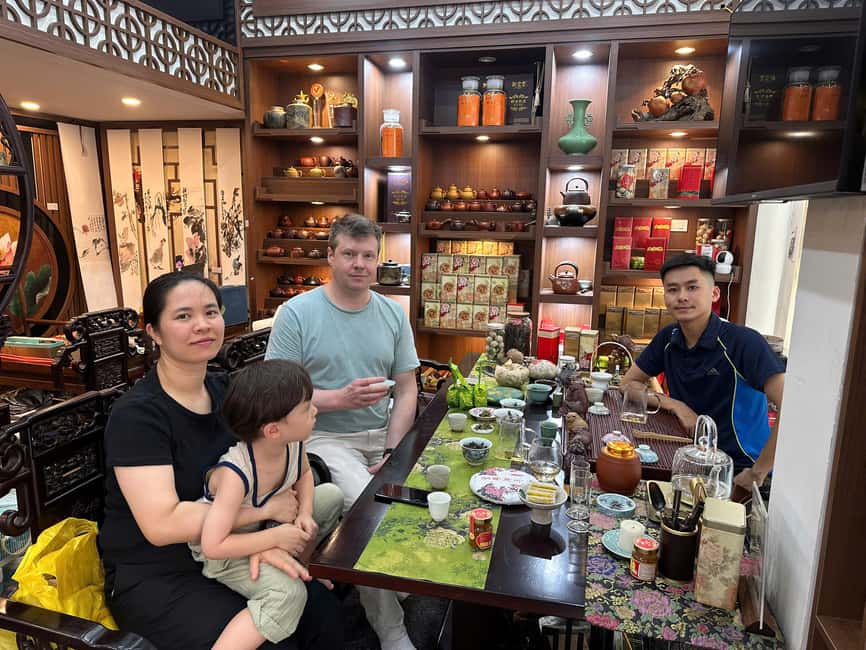
If you’ve ever had the feeling that travel experiences teach the basics but don’t connect them to daily life, this one does better. Tea here is treated like a skill and a ritual, not a lecture. You learn what makes tea different, how to brew it correctly, and how to serve it the right way—then you walk out into one of Hanoi’s most unusual scenes: Train Street.
The best part is the pacing. You start in a tea house setting where everything is about leaves, heat, and timing. Then you shift gears to street-level Hanoi, where the moment is fast and visual—watching the train pass by near the shops and homes. The contrast helps you remember what the tea lesson was actually teaching: control and attention.
You’ll also appreciate that the guide works with a small group. When you’re practicing tea, it helps to have a teacher who can correct your pour, your brewing approach, and your timing without waiting in line behind others.
You can also read our reviews of more tours and experiences in Hanoi.

Picking the Right Option: Train Street Morning vs. Coffee and Tea Later
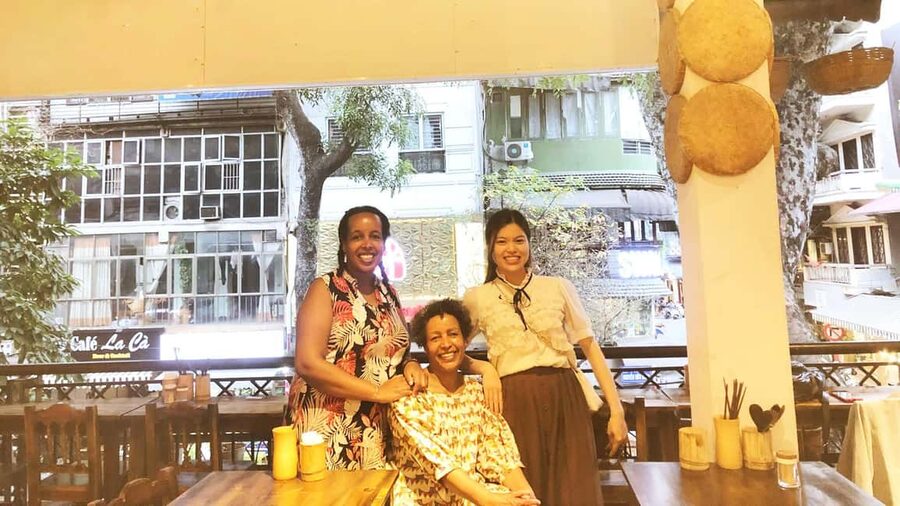
This experience comes in three time formats (each about 3 hours), and the big difference is what you prioritize: Train Street or a different order of tea and coffee.
Option 1: Morning tea + Train Street + optional Bun Cha
You meet at 9:00–9:00-ish (start times listed as 8.50 for the day) and go to the Tea House first. After your tea practice, you leave for Train Street before 11:30 am, then lunch is an optional add-on at that area (Bun Cha). The tour ends around 12:00 at Train Street, and you head back to your hotel on your own.
Why it’s worth it: If you want Train Street to be part of your memories, this morning format is the cleanest way to fit it in.
What to consider: Your morning is structured. If you’re running late, you’ll feel it.
Option 2: Morning tea + Giang egg coffee + optional Bun Cha
Same start with the Tea House lesson. After you finish, you walk to Giang Coffee for egg coffee (or egg coffee with almond). Bun Cha is optional, and the tour ends around 12:00 at the restaurant area.
Why it’s worth it: You get the tea class and the egg coffee without waiting for Train Street.
What to consider: You may miss the Train Street moment that Option 1 is timed for.
Option 3: Afternoon Bun Cha (optional) + Giang egg coffee + tea lesson
In the afternoon format, you start with the optional Bun Cha lunch (then go to Giang Coffee for egg coffee). After that, you head to the Tea House for the tea lesson. The tour wraps around 16:00 at the Tea House.
Why it’s worth it: If Train Street isn’t on your must-do list—or if you prefer a slower midday—you can still get the full tea lesson and the egg coffee.
What to consider: It’s a later start, so plan your day around it. You don’t want to schedule something tight right before.
Tea House Lesson: 200-Year Tea Trees, Classification, and Brewing You Can Repeat
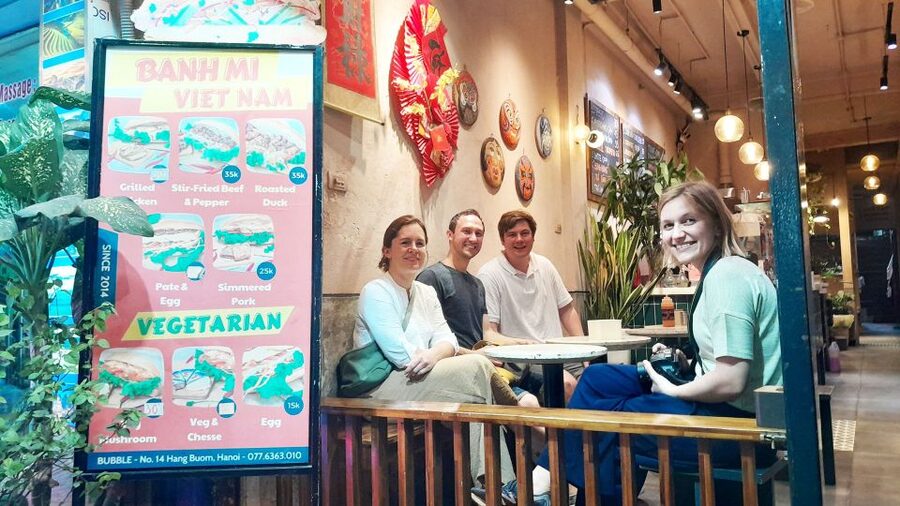
The heart of this experience is your time with the tea expert. You’re brought through how tea is produced and packed, and you learn how to classify different teas. That matters because once you understand classification, you stop thinking all tea tastes the same.
You start by tasting two kinds:
- Green Tea
- Red Tea
You also get taught how to brew and serve tea using a 4 basic steps framework. The important part here isn’t memorizing. It’s practicing the steps so you can actually recreate a good cup later, at home.
You’ll also be taught to make one kind of tea yourself. In other words, you don’t just sip and go. You get hands-on time with the process and the equipment shown around the tea house—enough to understand what you’re looking at even if you don’t buy anything.
One small detail I appreciated (and you’ll likely notice too): this kind of tea instruction gives you language. When you smell something floral or woody, you can connect it back to what you learned about tea types and brewing choices. Even if you’re not a tea fanatic, it makes your tasting smarter.
From Ho Chi Minh Viewpoints to Train Street: How to Enjoy the Moment Without Stress
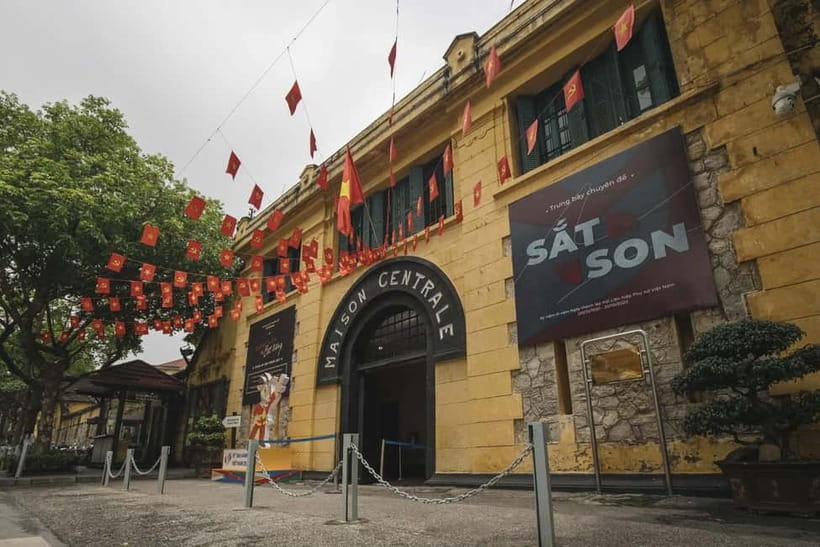
Train Street is one of those places where you either catch the moment… or you miss it and wonder what the big deal is. This tour is built to reduce that risk by timing your visit to when you can see the train passing by.
If you choose Option 1, you leave the Tea House before 11:30 am, and your Train Street time window lines you up for watching the train. You stay outside and watch from street level; that’s part of the deal. There’s no inside access and no long detours.
You also have a quick photo/view situation connected to the Ho Chi Minh complex. You only stand outside for watching and photos—you don’t go inside. That’s good to know, because it keeps expectations realistic. You’re not getting a temple tour, and you’re not waiting for entry lines.
You might also notice your guide chooses the best streets or roadways for safe, controlled movement depending on how you travel between stops. In a busy area, that kind of common-sense planning makes the walk feel smoother.
Practical expectation: You’re not there forever. You’re there to see the train and move on with your day.
Giang Coffee Egg Coffee: Why the Name Matters
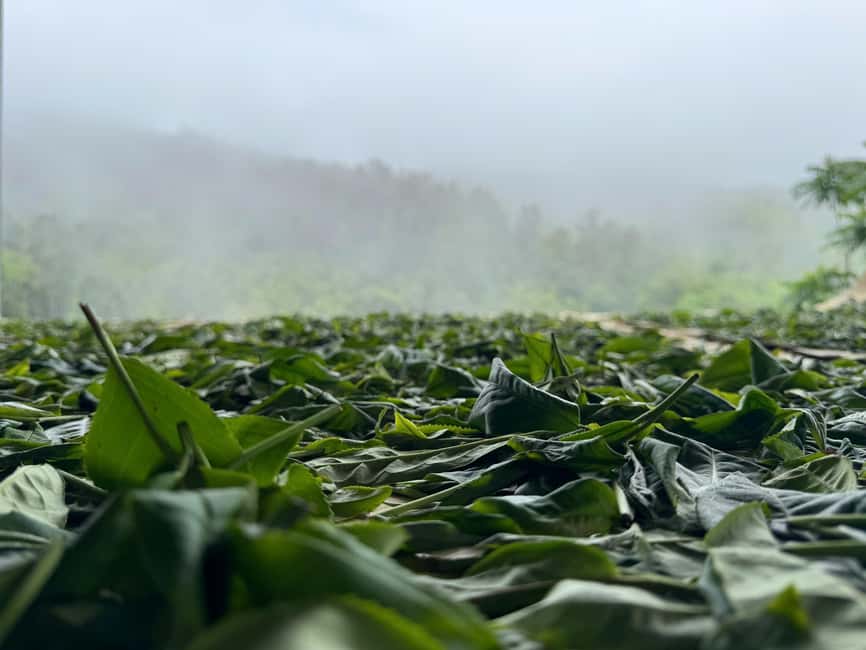
After tea, you switch to a different kind of Vietnam specialty: egg coffee. At Giang Coffee, the experience is tied to a long-running shop—Giang Coffee since 1946—which helps explain why this drink is treated as a must-try.
You can order:
- Egg coffee
- Or egg coffee with almond
This stop works well because it balances the tea lesson. Tea is about leaves, temperature, and controlled brewing. Egg coffee is about a different kind of craft—making a creamy, smooth drink that still feels like Hanoi street culture rather than a generic café beverage.
If you’re a coffee person, you might be surprised by how different the cup feels compared with mainstream espresso drinks. And if you like desserts, the egg coffee vibe makes sense. It’s a comfort drink with a strong local identity.
Optional Bun Cha Lunch: A Simple Add-On, Not a Guaranteed Meal
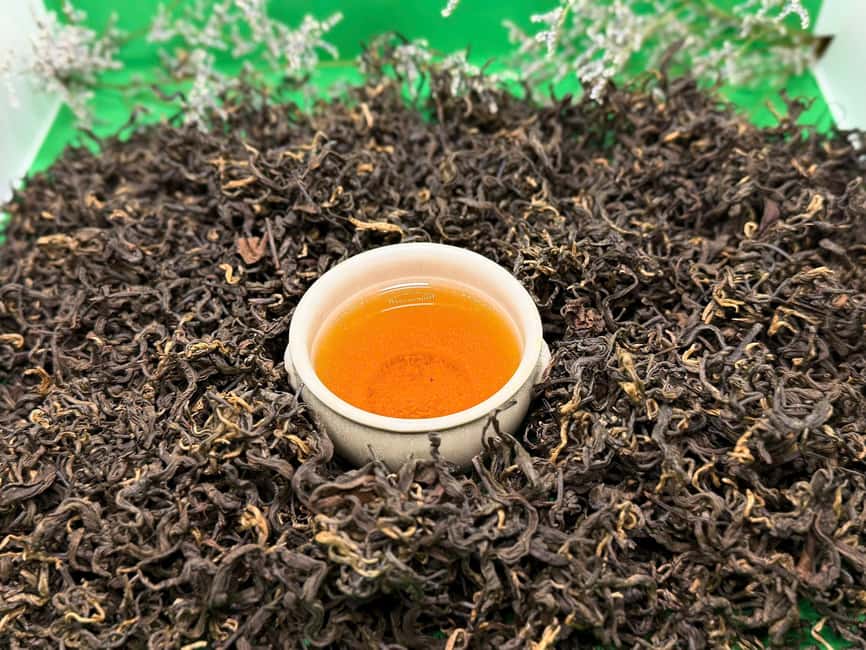
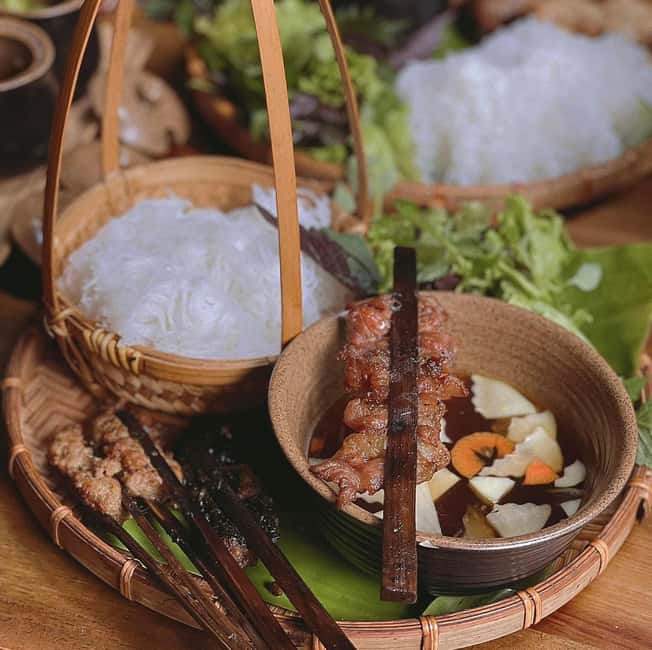
Bun Cha can be included as an optional lunch depending on the option you pick. The key is: lunch isn’t part of your base price for the tea-and-coffee experience, and your guide simply offers the chance to sit down nearby (the lunch itself isn’t listed as included).
That’s actually a good planning setup. It gives you flexibility. If you’re hungry when the tour reaches the lunch slot, you can grab Bun Cha. If you already ate, you can keep moving.
Still, I’d recommend treating lunch as optional but likely practical. You’ll be walking and tasting (and you’ll probably want something filling). Just go in knowing you’ll pay separately.
Price and Value: Why $36 Can Make Sense for Tea + Egg Coffee + a Train Street Moment
At $36 per person for a 3-hour small-group experience, you’re paying for more than a drink and a photo stop. Your included value is:
- An English-speaking guide (2–5 people)
- Tea tasting of two teas (green and red)
- Brewing/serving instruction, including practicing one tea
- Transfer between Tea House and Train Street (for the Train Street option)
- A cup of egg coffee (or egg coffee with almond)
- Government tax (8%)
So what are you really getting?
- Tea isn’t just tasting. You get instruction and practice.
- Egg coffee isn’t just a random café stop. It’s tied to Giang Coffee’s long-running fame (since 1946).
- Train Street is scheduled so you’re more likely to catch the passing train, not just stand near the street and hope.
The drawback is that lunch, additional drinks, and tips aren’t included. If you add Bun Cha and other extras, your total spend will rise. But it’s still a focused, time-efficient way to pack three Hanoi “flavor identities” into one morning or afternoon.
Group Size and the Guide: Small Class Energy, Not a Big Tour Shuffle
This experience runs with a small group, limited to 5 participants. That matters because tea instruction depends on correction and repetition. When someone’s brewing step is off, a small group setup means the guide can notice and fix it while you’re still practicing.
English is covered by the guide, and the tone is instructional rather than just sightseeing commentary. You’ll also find that a lot of the value comes from the guide’s attention to your questions—especially if you’re curious about tea classification, brewing, and why different teas taste the way they do.
There are also hints in past feedback that some guides stand out for being extra helpful, with names like Anna and Thao showing up in positive comments connected to professional, supportive guiding. Even if the guide changes by date, the pattern is clear: you’re meant to feel taken care of, not passed along.
What to Bring and How to Make the Day Comfortable
This tour is a walking and standing kind of experience, so prep for comfort.
Bring:
- Passport or ID card
- Comfortable shoes
- Sunglasses
- Sun hat
A few extra practical thoughts:
- Wear shoes you can stand in. Even if it’s only a short walking loop, the day includes outdoor viewing time.
- If you’re sensitive to heat, sunglasses and a hat are genuinely useful.
Not allowed: pets. And the tour isn’t set up for wheelchair users.
Also note about access and expectations:
- You only stand outside certain major sights (like the Ho Chi Minh complex) for photos and viewing. You’re not touring inside.
Who This Tour Is For (and Who Might Skip It)
You should book this if…
- You want a hands-on tea experience, not just tasting in silence
- You’re curious about how tea gets classified and how brewing changes flavor
- You like Hanoi’s odd, memorable street moments, especially Train Street
- You want egg coffee as part of your local food-drink map
You might skip it if…
- You dislike tea or prefer purely food-focused tours
- You need strong accessibility support, since it’s not suitable for wheelchair users
- You hate outdoor standing and fast transitions between stops
Should You Book? My Honest Take
Yes, you should book if you want one smooth 3-hour block that covers tea culture, an iconic Hanoi coffee drink, and a Train Street viewing moment timed for you. The value isn’t only in what you eat and drink; it’s in the fact that you practice brewing and learn a method you can repeat later.
If you’re short on time in Hanoi and you’d rather avoid complicated planning, this is a tidy way to cover multiple “musts” without losing the thread. Just go in expecting a structured day with walking and standing, optional lunch (not included), and outdoor viewing.
FAQ
What does the $36 price include?
It includes an English-speaking guide, tasting two kinds of tea (green tea and red tea) plus learning to brew and make one kind of tea, an egg coffee (or egg coffee with almond), transfer from the Tea House to Train Street (for the Train Street option), and government tax of 8%.
How long is the tour?
The experience runs for about 3 hours, depending on which option you choose.
What time options are available?
There are three options. Two are morning starts (9.00–12.00), and one is an afternoon option (13.00–16.00). The meeting times are listed as 8.50 in the morning and 12.50 in the afternoon.
Do I have to pay for lunch?
Bun Cha lunch is optional and isn’t included. You’ll pay for lunch separately if you choose to eat.
Where is the meeting point, and is pickup included?
You should meet at the designated meeting point. Hotel pickup is optional for people staying in the Old Quarter; if you stay outside that area, you’re asked to get ready at 22 Hang Muoi street by around 9:00am. Otherwise, you’ll arrive at the meeting point yourself.
Is this tour wheelchair accessible?
No. The tour is not suitable for wheelchair users.