REVIEW · SAITAMA PREFECTURE
Experience Seasonal Green Tea Picking in Sayama and Nostalgic Walk in Kawagoe!
Book on Viator →Operated by Trip Designer Inc. · Bookable on Viator
Pick tea, then time-travel in Kawagoe. This day trip pairs Sayama green tea picking with a walk through Little Edo-style old streets in Kawagoe, with a seasonal schedule from May to November. It’s a close-to-Tokyo way to slow down, get hands-on, and see how countryside farm life connects to the Edo-era look of the town.
I especially like the hands-on tea part at the Miyanoen plantation, including time with the tea master and making your own tea. I also like that Kawagoe isn’t just a quick pass-through: you get to cover key old-town stops like the Ichibangai shopping street, Kitain Temple, the Warehouse District, and Candy Alley (Kashiya Yokochō).
The main thing to consider is that it runs only in good weather, and there’s no hotel pickup. So you’ll want to be ready to start from Iriso Station (10:00 am) and do about a half-day’s worth of walking.
In This Review
- Key things to know
- Why Sayama Tea and Kawagoe Work So Well Together
- Price and Value: What $130.06 Actually Covers
- Iriso Station Start Time: A Smooth Launch (If You’re On Time)
- Miyanoen Tea Picking in Sayama: Hands-On Learning, Not Just Photos
- What to watch for during tea picking
- Kawagoe Ichibangai Shopping Street: The Day Turns Into a Walk
- Kitain Temple Stop: A Real Pause, Not a Token Photo
- Warehouse District and Candy Alley (Kashiya Yokochō): Where Edo Looks Meet Snacks
- Guides Who Keep the Day Comfortable (Kaori, Rie, and Yumi)
- Who This Trip Fits Best
- Practical Tips for a May–November Day Near Tokyo
- Should You Book This Sayama and Kawagoe Tour?
- FAQ
- When is seasonal green tea picking available?
- How long is the tour?
- Where do we meet, and what time does it start?
- What are the main stops during the day?
- Is hotel pickup or drop-off included?
- How do you get between Iriso Station, the farm, and Kawagoe?
- Is the tour private?
- Does the cost include admission fees and taxes?
- What happens if the weather is bad?
- Can I cancel and get a full refund?
Key things to know
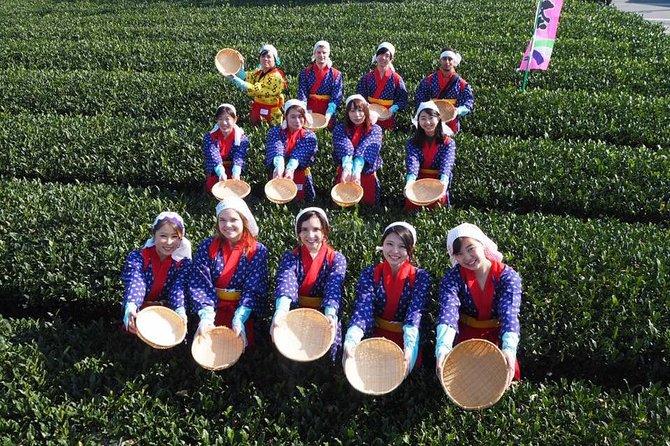
- Miyanoen tea picking with a tea master: you don’t just watch, you learn by doing
- Kawagoe’s “Little Edo” townscape: warehouse-style streets plus a proper temple stop
- A mix of countryside and old-town rhythm: nature in Sayama, then history-walk in Kawagoe
- Private tour setup for your group: only your group participates, with group discounts if you travel with others
- Included transport for the hard parts: mini van between Iriso and the farm, plus a train ticket into Kawagoe
Why Sayama Tea and Kawagoe Work So Well Together
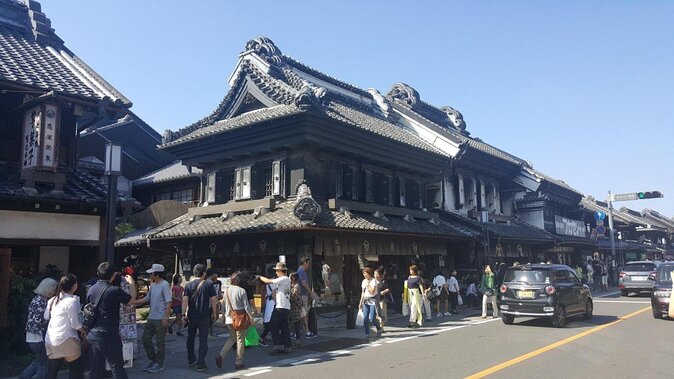
This is the kind of day trip that feels smart, not busy. You start with Sayama’s tea roots in the countryside, where the whole point is seasonal: May to November is when the tea rhythm makes sense. Then you shift to Kawagoe, often called Little Edo, where the streets, buildings, and atmosphere give you that old-town walk without needing a whole second day.
The pairing also helps your brain. Tea picking teaches you how a crop becomes flavor. Then Kawagoe gives you the cultural “why” around food streets, shopping alleys, and the preserved Edo-period streetscape. It’s one of those trips where you keep noticing small details, because your senses are already warmed up.
Price and Value: What $130.06 Actually Covers
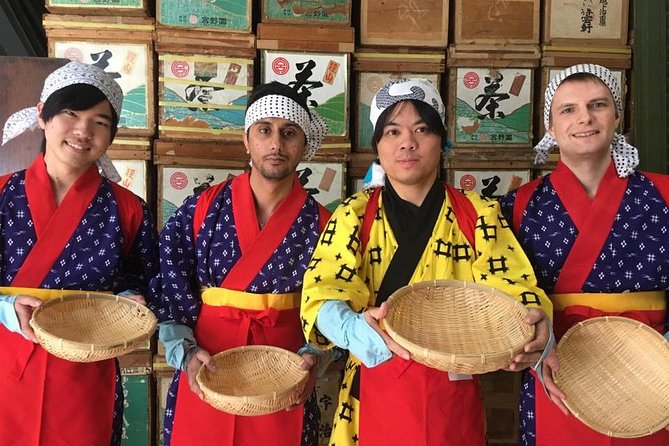
At $130.06 per person, this doesn’t look like a bargain at first glance. But it’s also not just a “walk around town” price. Your ticket includes all fees and taxes, a costume, a one-way train ticket from Iriso Station to Hon-Kawagoe Station, and round-trip mini van service between Iriso Station and the Miyanoen farm.
That matters if you care about avoiding logistics. Here, you’re not piecing together trains, matching schedules, and figuring out the farm leg on your own. The tour is also listed as private (only your group), so you’re paying for a guided format rather than a generic hop-on route.
If you’re traveling with family or friends, the group discounts can improve the value quickly. The trip is about six hours, and it’s built around two distinct experiences: farm work plus an old-town walk. You’re paying for time with guides and for the included transportation that connects the two.
Iriso Station Start Time: A Smooth Launch (If You’re On Time)
Your day starts at Iriso Station at 10:00 am. That’s a good setup if you like mornings. It gives you enough daylight for tea picking and still leaves room to cover multiple Kawagoe neighborhoods before the tour ends back at the meeting point.
The transport plan is practical:
- You’ll use a round-trip mini van between Iriso Station and the Miyanoen farm.
- You’ll also receive a one-way train ticket from Iriso Station to Hon-Kawagoe Station for the Kawagoe portion.
Because the tour doesn’t include hotel pickup or drop-off, you’ll want to plan your trip to Iriso Station first. If you’re staying in Tokyo, that’s usually manageable, but don’t leave it to the last minute.
Miyanoen Tea Picking in Sayama: Hands-On Learning, Not Just Photos
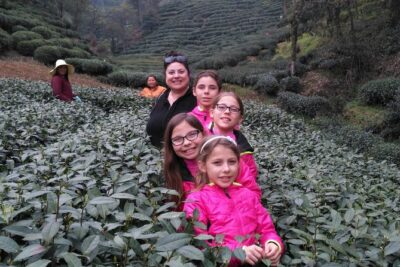
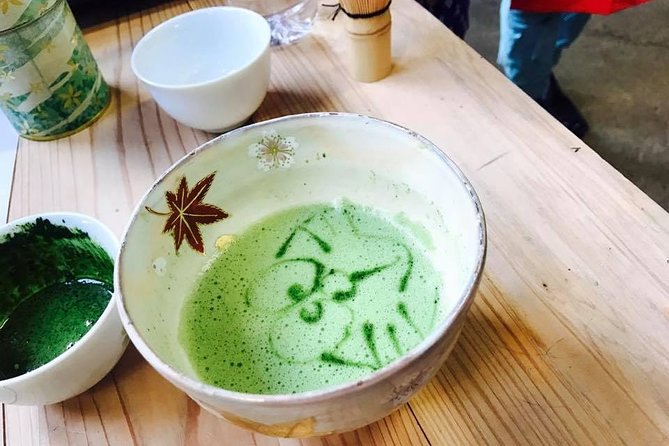
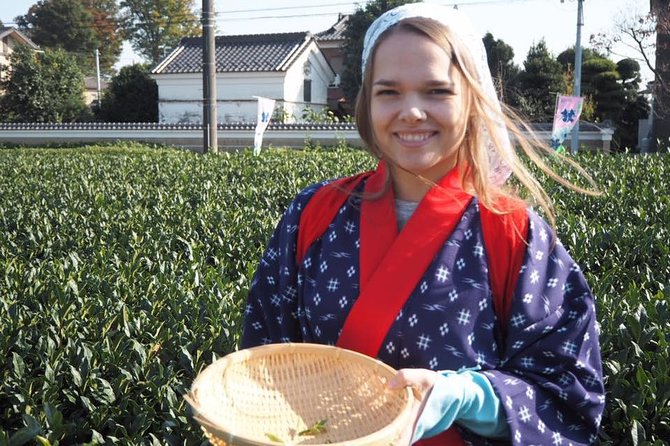
Sayama is famous for its green tea, and this experience is centered on picking at the Miyanoen plantation. The payoff here is simple: you get a season-based feel for what tea harvesting actually involves.
The part I’d prioritize is the tea master interaction. The experience includes time where you make your own tea with guidance, so you learn the steps instead of guessing what makes Sayama tea taste the way it does. In the reviews, guides like Kaori are praised for giving clear explanations about Japanese culture and everyday life, while the tea master patiently guided guests through the tea-making process.
That matters if your Japanese is basic. You don’t need advanced language skills to enjoy the format, because the guide’s job is to translate what you’re doing into meaning. You’ll also likely come away with a better sense of why this region is known as one of Japan’s top tea areas, not just as a scenic stop.
What to watch for during tea picking
- You’ll be working with your hands, so comfortable clothes help.
- This is a seasonal activity (May to November), so you’re doing it for a reason: the crop timing affects the experience.
- Expect a slower pace while you learn, rather than a “quick photo and leave” situation.
Kawagoe Ichibangai Shopping Street: The Day Turns Into a Walk
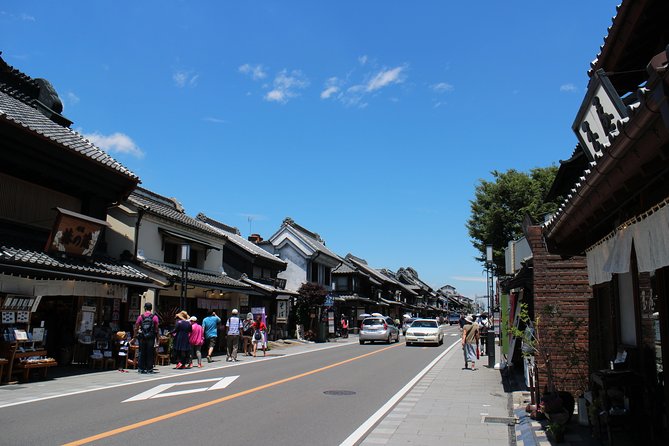
After the tea part, the tour moves into Kawagoe. One scheduled highlight is Kawagoe Ichibangai Shopping Street, where you’ll start your historic-town walking time.
This area is a good warm-up because it sets the tone. You’re stepping into a place that feels different from modern shopping areas: more narrow pedestrian flow, older storefront vibes, and the kind of atmosphere that makes you look up at the buildings, not just at your phone.
Also, starting the walk here is smart from a group-management perspective. It’s easier to keep people together while still giving you room to browse and take breaks if needed. Reviews also highlight that guides like Rie made the exploring feel relaxed, even for people traveling with a 6-month-old and with non-Japanese speakers.
Kitain Temple Stop: A Real Pause, Not a Token Photo
Next comes Kitain Temple. A temple stop is more than scenery; it’s a pacing tool. After you’ve spent time doing a hands-on farm activity, a calm religious site helps reset your senses.
You don’t want to rush temple visits in Japan. Even if you’re not a “temple expert,” the value is in the mood shift. You’ll get a moment to slow down in the middle of the old-town route, and it gives the day more balance than a pure shopping-and-snacks plan.
Because this tour is designed around multiple Kawagoe stops, you’ll appreciate that the temple isn’t treated like an obligatory 60-second checkmark. It’s part of the structure of the walk.
Warehouse District and Candy Alley (Kashiya Yokochō): Where Edo Looks Meet Snacks
Kawagoe’s appeal is often the visual one: preserved Edo-era townscape and those warehouse-style buildings. This tour includes the Warehouse District and Candy Alley (Kashiya Yokochō), so you get both the architecture and the fun.
The Warehouse District is where you’ll notice the older street proportions and the feel of an old commercial zone. It’s the kind of place where even a short detour can be worth it because you’ll see more layers than you expect.
Then you’ll hit Candy Alley (Kashiya Yokochō), a name that pretty much explains what you’ll find. This is where the walk becomes a treat-stop and a photo-stop without needing you to plan anything in advance. It’s also a place where guides can help you navigate what to look for, especially if you’re traveling with kids.
In one review, a family appreciated how the guide (Yumi) prepared in advance so children found the tour interesting and educational. That’s the sort of detail that can turn Candy Alley from just sugar and clutter into a small cultural lesson about local shopping habits.
Guides Who Keep the Day Comfortable (Kaori, Rie, and Yumi)

The biggest quality difference between “a tour” and “a good tour” is how the guide handles real people. This experience gets consistently strong feedback on that front.
- Kaori is praised for being a precious guide and for sharing lots of information about Japanese culture and lifestyle. There’s also mention of making your own tea with help from the tea master, so the guide ties the hands-on part back to culture.
- Rie is praised for making the walk relaxing, including for travelers managing a 6-month-old. That tells you the pace and logistics aren’t rigid.
- Yumi is noted for being open to suggestions and changes to the schedule, and for preparing so the experience worked well for children.
If you care about comfort—especially with kids or a baby—this tour style makes sense. It’s private for your group, so it’s easier to keep things flexible when someone needs a pause.
Who This Trip Fits Best
This is a great match if you want a day that’s active but not exhausting. Six hours is long enough to feel like a full experience, yet short enough to avoid the “where did the day go” regret.
I’d also consider it if you like:
- hands-on food experiences (tea picking plus tea making)
- old-town walking (Ichibangai, warehouses, Candy Alley)
- a guide who explains context, not just directions
If you prefer a self-paced itinerary with no structure at all, you might find this format less appealing. It’s guided, timed, and designed as a sequence of stops.
Practical Tips for a May–November Day Near Tokyo
A few common-sense moves make this kind of trip easier:
- Wear shoes you don’t mind getting a little used outdoors. Tea picking plus walking adds up.
- Bring a light layer. May to November weather can vary across morning and afternoon.
- If you’re traveling with kids or a stroller, plan your day around the guide’s pace and be ready for schedule adjustments.
- Keep an eye on weather. The experience requires good weather, and poor conditions can trigger a date change or a full refund.
The tour includes a costume, so you don’t need to dress up in advance. Still, comfortable everyday clothing helps you enjoy both the farm work and the town walk without fussing.
Should You Book This Sayama and Kawagoe Tour?
If you want one near-Tokyo day that mixes countryside activity with Edo-era streets, this is a strong choice. The value improves once you realize what’s included: transportation legs, taxes, and a guided tea-making component, plus multiple Kawagoe stops.
I’d book it if your ideal day includes:
- learning through doing (tea picking and making tea)
- guided context (Japanese culture explained in plain terms)
- a classic old-town walk with Warehouse District vibes and Candy Alley fun
I’d think twice if you’re sensitive to weather impacts or you’re hoping for a no-walking, no-structure day. But for most people who like food, seasons, and historic streets, this one hits the sweet spot.
FAQ
When is seasonal green tea picking available?
The tour runs from May to November.
How long is the tour?
It’s listed as about 6 hours.
Where do we meet, and what time does it start?
You meet at Iriso Station (Minamiiriso, Sayama, Saitama 350-1316, Japan) at 10:00 am, and the tour ends back at the meeting point.
What are the main stops during the day?
You’ll have tea picking at the Miyanoen plantation in Sayama, visit Kitain Temple in Kawagoe, and explore Kawagoe’s Warehouse District and Candy Alley (Kashiya Yokochō), with Kawagoe Ichibangai Shopping Street also included.
Is hotel pickup or drop-off included?
No. Hotel pickup and drop-off are not included.
How do you get between Iriso Station, the farm, and Kawagoe?
The tour includes a round-trip mini van between Iriso Station and the Miyanoen farm, plus a one-way train ticket from Iriso Station to Hon-Kawagoe Station.
Is the tour private?
Yes. Only your group participates.
Does the cost include admission fees and taxes?
Yes. All fees and taxes are included.
What happens if the weather is bad?
The experience requires good weather. If it’s canceled due to poor weather, you’ll be offered a different date or a full refund.
Can I cancel and get a full refund?
Yes. You can cancel up to 24 hours in advance for a full refund. If you cancel less than 24 hours before the start time, the amount you paid is not refunded.