REVIEW · SAPPORO
Japanese Tea Making Class in Sapporo
Book on Viator →Operated by 日本茶と和菓子 エフ · Bookable on Viator
Japanese tea tastes like a science experiment you can drink. This class in Sapporo shows how water temperature and brew time change flavor and aroma in a way you can actually remember. I especially like the step-by-step structure (you taste, compare, and understand), and the pairing with seasonal wagashi that makes the tea’s bitterness and astringency feel intentional. One thing to consider: private transportation isn’t included, so you’ll want to plan how to get to the meeting point yourself.
You start at 日本茶と和和菓子 エフ near 円山公園, then you spend about 1 hour 30 minutes working through a tasting sequence that turns tea into a hands-on lesson. Health claims like polyphenols and theanine come up in the framing, but the class stays focused on real-world flavor differences you can reproduce. You’re also in a private setup, meaning it’s just your group and you can ask questions without sharing the room with strangers.
In This Review
- Key things you’ll experience
- Tea That Teaches Your Tongue: What This Class Really Shows
- The Three-Cup Brewing Lesson (And Why Each One Matters)
- Cup one: lukewarm water for the original flavor
- Cup two: iced tea in a wine glass for aroma and sweetness
- Cup three: hot water to bring out bitterness and astringency
- Ceramic Cup vs Wine Glass: The Aroma Trick You Can Actually Use
- Wagashi Pairing: Why Bitterness Becomes Enjoyable
- The Brew Notes You’ll Want to Keep
- Price and Duration: Is $78.48 for 1.5 Hours Worth It?
- Where to Meet in Sapporo (And How to Plan Your Timing)
- Who Should Book This Tea Class (And Who Might Skip It)
- Should You Book the Japanese Tea Making Class in Sapporo?
- FAQ
- How long is the Japanese tea making class in Sapporo?
- What time does it start?
- Where does the class meet?
- Is private transportation included?
- Is it a private activity?
- What’s included in the class?
- How does the class teach you to brew tea?
- What kinds of cups are used for the tea?
- Do you get any written material to help you brew at home?
- What is the cancellation policy?
Key things you’ll experience
- Three tastings designed to show how lukewarm, iced, and hot water shift tea flavor and aroma
- Different drink vessels, including a ceramic cup for hot tea and a wine glass for iced tea
- Seasonal wagashi included to match bitterness, astringency, sweetness, and aroma
- A written summary with temperature and brewing time notes so you can practice later
- Beginner-friendly pacing, with clear guidance as you brew and compare
Tea That Teaches Your Tongue: What This Class Really Shows
Japanese tea can feel “simple” until you taste it side by side. In this lesson, the focus is not on memorizing vague traditions. It’s on noticing how the same tea can taste like different teas depending on how you brew it—especially the hot-water temperature and brewing time.
That matters for you because most people only ever drink one style of tea: usually hot, usually one temperature, usually one timing guess. Here, you get a structured way to understand what you’re tasting. The result is practical. After the class, you’re not just thinking, that was nice. You’re thinking, ah, that bitterness came from the hotter pour. That sweetness is showing up when it’s iced.
The class also frames tea through the lens of modern health awareness—Japanese tea is said to contain polyphenols (linked to antioxidant and antibacterial properties, and also claims like cholesterol regulation and body-fat reduction), plus the amino acid theanine (commonly described as promoting relaxation). Even if you treat those as “the story,” it helps explain why more people in Japan and abroad are paying attention to tea right now. And then the class brings you back to the only part that truly matters: flavor, aroma, and how brewing changes both.
The Three-Cup Brewing Lesson (And Why Each One Matters)
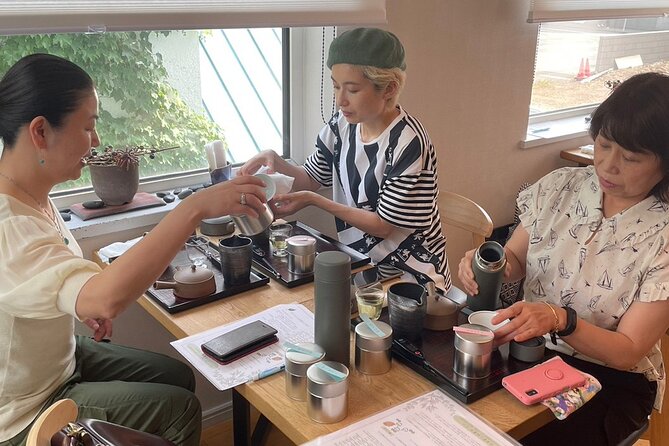
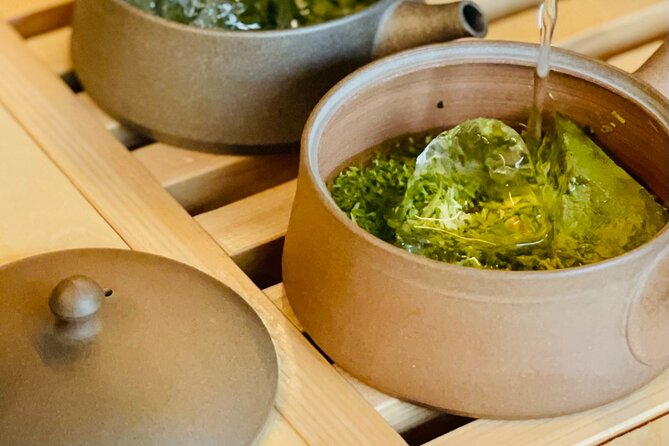
The heart of the experience is a three-step tasting flow. You’ll brew and taste the tea differently each time, and the guide keeps the logic clear: start gentle, go aromatic and sweet, then finish with the harsher notes so you can understand them.
Cup one: lukewarm water for the original flavor
First, you brew with lukewarm water. The goal is to enjoy the tea’s original flavor rather than forcing intense bitterness. If you usually drink tea that tastes a bit harsh or astringent, this first cup gives you a calmer baseline. You can think of it like setting the dial before you start turning it.
Practical tip for your tasting: pay attention to what you notice first—floral notes, grassy notes, or deeper roasted tones. With lukewarm water, those lighter impressions tend to show up more clearly.
Cup two: iced tea in a wine glass for aroma and sweetness
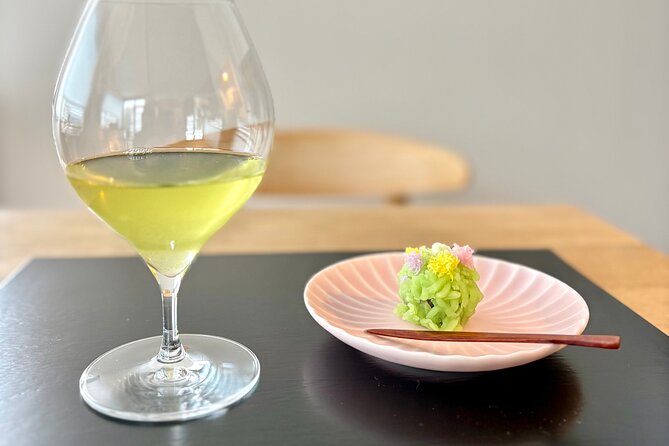
Next comes the fun twist: you brew with ice and water, then taste it in a wine glass. That glass shape matters because it changes how aroma reaches your nose. This second cup is designed to bring out the tea’s aroma and sweetness.
Why you’ll like this part: it’s a real contrast. Hot tea and iced tea often feel like totally separate drinks to people. Here, you’re shown why that happens: temperature affects extraction, and the vessel affects aroma perception.
Cup three: hot water to bring out bitterness and astringency
Finally, you brew with hot water to bring out bitterness and astringency. This is the cup most people avoid when they only like tea that’s smooth. But that’s exactly why it’s included. When you taste bitterness and astringency in a controlled, guided way, you stop fearing it. You learn to recognize it as a feature you can work with.
And this is where wagashi comes in, since the class pairs sweetness and texture from Japanese sweets with the tea’s stronger notes.
Ceramic Cup vs Wine Glass: The Aroma Trick You Can Actually Use
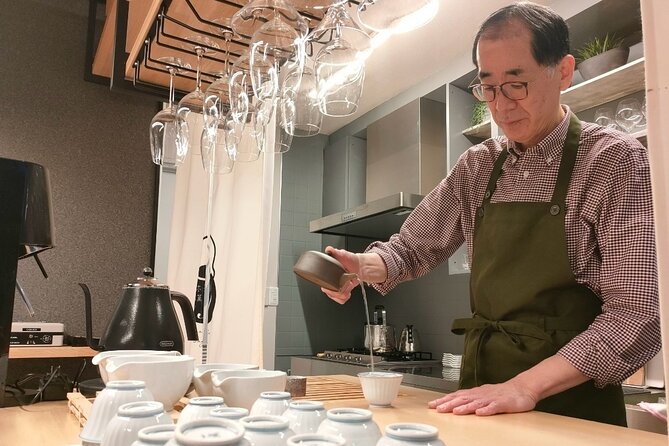
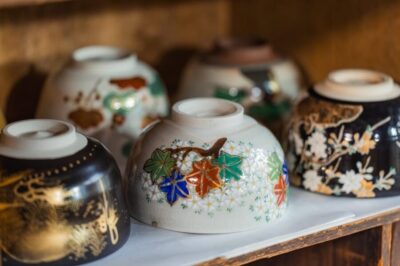
One of the smartest details here is the decision to use different drinking vessels for different tea styles. Hot Japanese tea is served in a ceramic teacup, while the cold tea portion uses a wine glass. That’s not a random aesthetic choice. It changes the way you experience tea.
For you, the key lesson is simple: tea isn’t only flavor on your tongue. A lot of your enjoyment comes from aroma as it rises toward your nose. A wine glass is made for swirling and capturing scent. A ceramic cup feels grounded and “tea-like,” which suits hot infusion aromas.
If you want a takeaway you can use at home, try this the next time you make iced tea. Use a clear glass with a narrower opening, and give yourself a moment to smell before you sip. You’ll probably find it feels sweeter and more aromatic than your usual cup of cold tea.
Wagashi Pairing: Why Bitterness Becomes Enjoyable
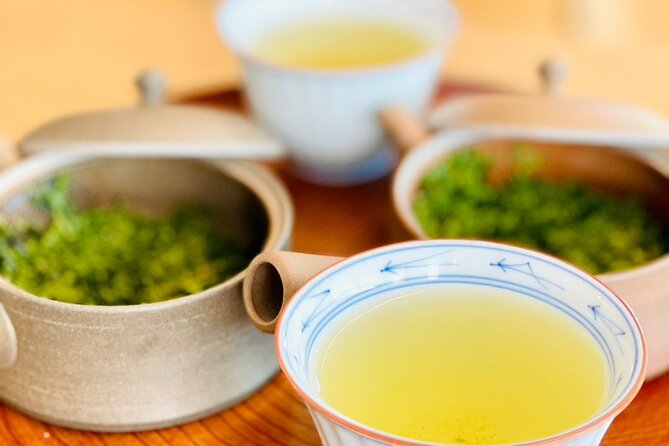
Tea alone can be either comforting or overwhelming, depending on the brew. The class solves that by including snacks—seasonal Japanese sweets (wagashi)—and pairing them with the tea’s changing profile.
What stands out from the way the lesson is described is that the pairing isn’t random. The wagashi is matched to the tea’s bitterness and astringency (especially around the third cup). That means your tasting experience has structure: you don’t just sip bitterness and think, why is this happening? You taste it alongside something designed to balance it.
Also, the sweets feel seasonal in the way they’re described—one review talks about sweets that imitate spring flowers, and another highlights tasting Japanese seasons through tea and sweets. Even if the exact wagashi varies, you’ll be guided to treat the sweets as part of the lesson, not an afterthought.
If you’re someone who likes understanding the “why,” this is a strong point. You’ll leave with a clearer sense of how Japanese sweets can be designed to complement tea rather than simply add sugar.
The Brew Notes You’ll Want to Keep
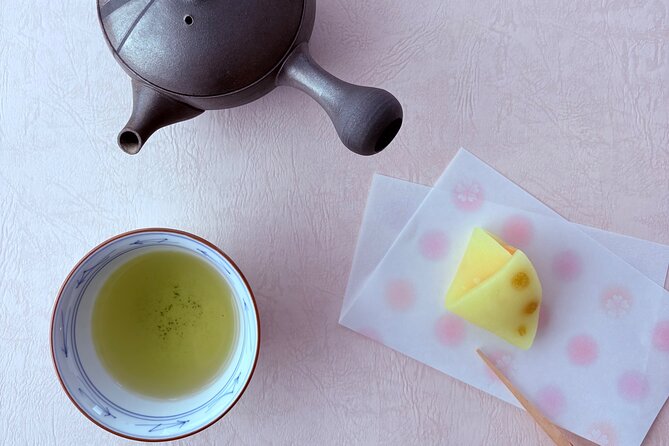
A good class is more than a one-time performance. It gives you tools. In this one, you get a sheet of paper with a summary of the temperature and brewing time for each tea style.
That matters for value because tea gets tricky when you try to recreate it later. Your memory is unreliable. But having written brew guidance helps you keep the results consistent—especially when you’re trying to reproduce the lukewarm baseline, the iced aromatic cup, and the hot bitter cup.
In the reviews, you’ll also see mention that it’s taught step by step and can be done even if you’re new to tea. Another review notes that it uses two kinds of tea, which adds variety and reinforces the idea that different teas respond differently to brewing choices.
Price and Duration: Is $78.48 for 1.5 Hours Worth It?
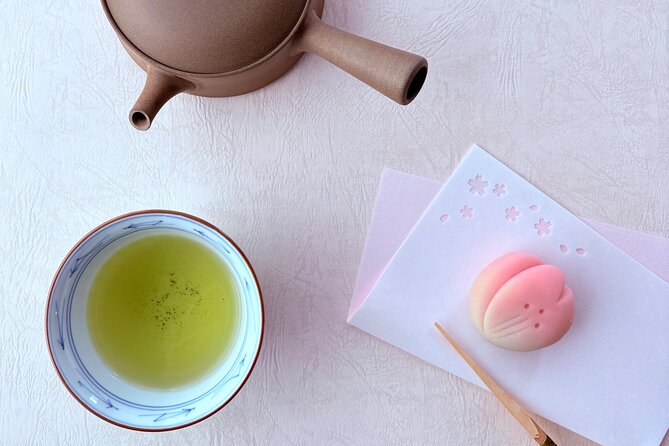
At $78.48 per person for about 1 hour 30 minutes, you’re paying for a guided, tasting-based lesson in Sapporo—not just tea. This isn’t a “sit and watch” experience. You’re actively brewing, tasting, comparing, and learning what to do differently next time.
Here’s how I think about value for a class like this:
- You’re paying for structure. Most people don’t naturally brew tea three different ways and taste in between.
- You’re paying for sensory training: hot vs iced, ceramic vs wine glass, and the way aroma changes.
- You’re paying for included snacks (seasonal wagashi), which makes it more than a drink lesson.
A small caution on value: if you only want to learn one kind of tea, or if you hate paying for experiences where you don’t get much time, then 1 hour 30 minutes might feel short. But for most people who want a practical skill they can repeat, this length is about right. It keeps the focus tight and prevents the lesson from dragging.
Where to Meet in Sapporo (And How to Plan Your Timing)
You’ll start at 日本茶と和和菓子 エフ in the 円山公園 area: 円山公園25-chōme-2-12 Ōdōrinishi, Chuo Ward, Sapporo, Hokkaido 064-0820, Japan. The start time is 10:00 am, and it ends back at the meeting point.
Two practical notes:
- It’s described as near public transportation, so you likely won’t need a car to get there.
- Private transportation isn’t included, so don’t assume a pickup.
Because it begins at 10:00 am, I’d plan to arrive early enough to settle in and use the time to look around. Tea experiences feel better when you’re not racing the clock.
Also, you’ll receive a mobile ticket, which is handy if you’re trying to keep paperwork to a minimum while you’re traveling.
Who Should Book This Tea Class (And Who Might Skip It)
This works best if you’re the type who likes learning through doing. If you enjoy food experiences where you can compare and adjust, you’ll love the three-cup method.
It’s also a good fit if:
- you’re a beginner and want clear guidance while you taste step by step
- you’re a tea person who wants a better framework for brewing temperature and timing
- you like wagashi and want to understand how sweets can be designed to pair with tea’s stronger notes
You might consider skipping if:
- you’re short on time and only want a quick souvenir tea tasting
- you dislike paying for guided instruction when you’d rather follow a DIY recipe
- you don’t want to be in a structured, tasting-based class
Should You Book the Japanese Tea Making Class in Sapporo?
If you want a hands-on tea experience that changes the way you drink tea at home, I think you should book it. The combination of three controlled brews, the smart use of ceramic vs wine glass, and the included seasonal wagashi makes it more than a one-note tasting.
The biggest reason to choose it is the practical follow-through: the lesson gives you a brew summary sheet with temperature and brewing time notes. That turns the class from a pleasant memory into a repeatable skill.
If you’re the kind of traveler who likes food culture that’s easy to understand and easy to recreate, this is a solid pick.
FAQ
How long is the Japanese tea making class in Sapporo?
It’s about 1 hour 30 minutes.
What time does it start?
The start time is 10:00 am.
Where does the class meet?
The meeting point is 日本茶と和和菓子 エフ, 円山公園25-chōme-2-12 Ōdōrinishi, Chuo Ward, Sapporo, Hokkaido 064-0820, Japan.
Is private transportation included?
No. Private transportation is not included, so you’ll need to get there on your own.
Is it a private activity?
Yes. It’s listed as private, meaning only your group will participate.
What’s included in the class?
You’ll have snacks, with seasonal Japanese sweets (wagashi) along with the tea.
How does the class teach you to brew tea?
You’ll brew and taste tea across multiple styles, including using lukewarm water, iced tea in a wine glass, and hot water to bring out stronger notes.
What kinds of cups are used for the tea?
Hot tea is drank in a ceramic teacup, and cold tea is drank in a wine glass.
Do you get any written material to help you brew at home?
Yes. Reviews mention you can get a sheet of paper with a summary of temperature and brewing time for each tea style.
What is the cancellation policy?
You can cancel for a full refund if you cancel at least 24 hours before the experience’s start time. Free cancellation is available, and changes within 24 hours aren’t accepted.