REVIEW · BEIJING
Beijing Culture Event: Tradition Music, Tea Ceremony, Calligraphy
Book on Viator →Operated by ChiNice Travel · Bookable on Viator
Tea, strings, and calligraphy, all in one. This Beijing Culture Event pairs a guided tea ceremony with live guqin music led by a Beijing Guqin Association expert—so you’re not just watching, you’re learning the why behind each tradition.
I especially like how the tea part focuses on philosophy and etiquette, not just sipping. And I like that the guqin experience is practical too, including trying a simple melody from Crouching Tiger, Hidden Dragon. One thing to consider: it’s a short, calm session with no lunch or dinner included, so you’ll want to plan food either before or after.
In This Review
- Quick take
- Where Huagong Road sets the tone for a calm cultural night
- Tea ceremony etiquette: more than tasting cups
- Guqin with Beijing Guqin Association: the sound behind the notes
- Calligraphy practice: writing your own word with a brush
- Why this $15 price feels fair for Beijing
- Who this experience is best for (and who should skip it)
- What to bring and how to prepare for the 2–3 hour session
- Should you book this Beijing tea, guqin, and calligraphy session?
- FAQ
- How long is the Beijing culture event?
- How much does the experience cost?
- What is included in the experience?
- Do I need experience to learn the guqin?
- Is there an English guide?
- How large is the group?
- Where do I meet for the tour?
- When will I receive confirmation after booking?
- Is free cancellation available?
Quick take
- Small group (max 12) keeps the mood quiet and easy to ask questions.
- Tea ceremony + etiquette helps you understand what you’re tasting and doing.
- Beijing Guqin Association expert performs and teaches, using the instrument’s deep tradition.
- Hands-on calligraphy lets you write your own meaningful word or phrase with brush guidance.
- $15 value is hard to beat for an English-guided, multi-part cultural session.
Where Huagong Road sets the tone for a calm cultural night
The experience starts on Huagong Road (Hua Gong Lu), Chaoyang District. That matters because it keeps you anchored to one spot rather than bouncing around Beijing. You’ll meet there, do the full program, then head back to the same place when it ends.
This is a mobile-ticket kind of activity, so once you’re booked you should be ready to show your ticket on your phone. You’ll also get confirmation within 48 hours (if there’s still availability). The session is 2 to 3 hours, which is a sweet length: long enough to learn real basics, short enough that you don’t need to reorganize your whole day.
One more practical point: it’s near public transportation, so you’re not stuck hunting for a complicated route. And the group size is capped at 12, which is a big deal for a hands-on activity. With fewer people, the instructor can slow down, correct your brush grip, and adjust how you hold your attention during the tea ceremony.
You can also read our reviews of more tours and experiences in Beijing.
Tea ceremony etiquette: more than tasting cups
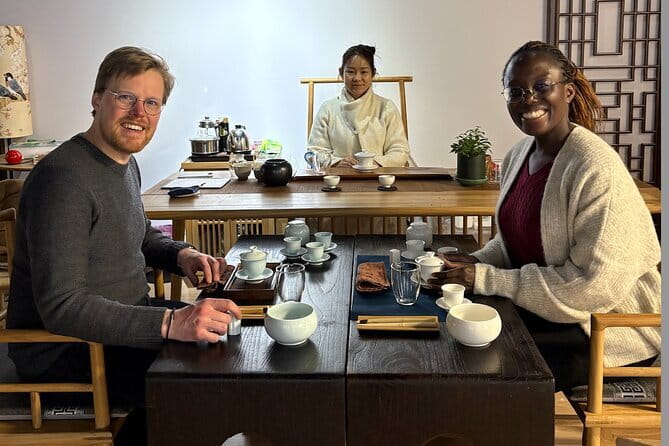
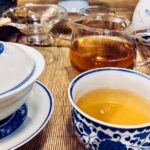
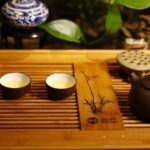
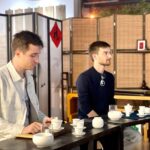
The tea portion is guided step-by-step, with time for tasting. What I like is that it doesn’t treat tea as a prop. You learn the philosophy and etiquette behind it, which changes the whole experience. Instead of drinking quickly and moving on, you start noticing details: how tea is presented, how people should behave, and why patience is part of the ritual.
You can expect to participate in the ceremony, not just watch. That makes it ideal if you want something cultural but don’t want a lecture. Tea ceremonies can feel a little formal in real life, especially if you’re not sure what to do. Here, you get guidance so you’re not guessing.
Also, the listing includes coffee and/or tea, so you’re not walking away empty-handed. The refreshment isn’t the main point. The main point is the calm tempo. This is the kind of activity that turns your pace down on purpose—which is great after a busy sightseeing day in Beijing.
Guqin with Beijing Guqin Association: the sound behind the notes
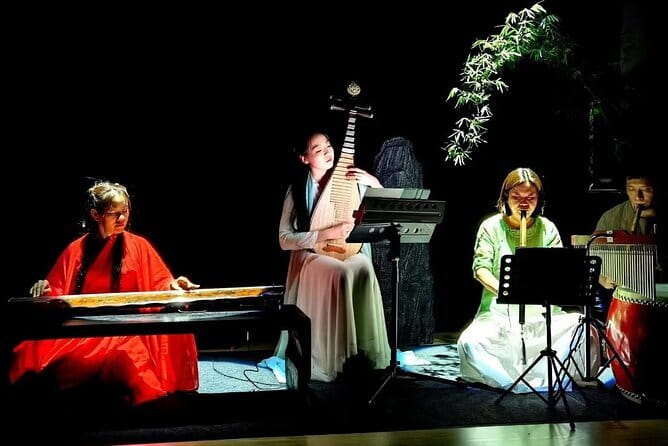
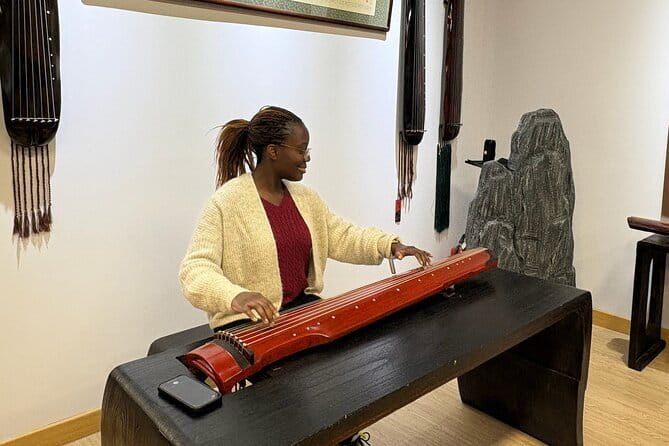
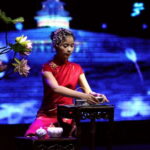
The highlight for many people is the guqin. This isn’t an electric instrument or a “background music” moment. The guqin is described as a 2,000-year-old instrument, and it’s treated as something scholars and dignitaries played for centuries. In other words: it’s a serious instrument with a serious place in Chinese culture.
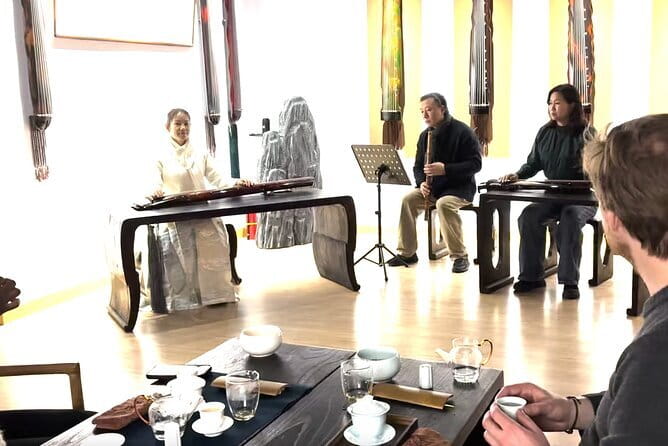
You’ll hear a performance by a master connected to the Beijing Guqin Association. That’s valuable because the guqin isn’t like a casual class where anything goes. When an expert teaches, you pick up how the music is supposed to feel—soft, deliberate, and controlled.
Then you get to try. The session includes learning to play a simple tune from Crouching Tiger, Hidden Dragon, and the good news is you don’t need prior experience. That’s a smart design choice for beginners. You’re building confidence quickly without being overwhelmed by technical demands.
One especially interesting detail you may get from the instruction: ancient music scores are written in Chinese characters. As someone who likes connecting music to language and history, I find that detail turns the whole thing from “pretty sound” into “a way of thinking.” Even if you don’t read Chinese well, the idea that the notation itself lives in characters makes you see the instrument differently.
Calligraphy practice: writing your own word with a brush

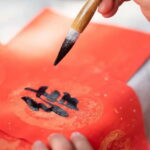
After tea and guqin, you move into calligraphy. This is hands-on and focused on fundamentals: you learn basic brush techniques and then write your own meaningful word or phrase. That last part matters. If you’re just copying random strokes, calligraphy can feel like busywork. But writing something personal nudges the practice into a different zone—attention, intent, and quiet.
Your guide explains how to hold and use the brush and then you put it into action. In a group of up to 12, you’re more likely to get helpful corrections rather than standing at the back hoping someone notices your wrist angle.
Calligraphy is also a nice contrast to the music. Tea and guqin slow your body down. Calligraphy slows your mind down. You get a break from the constant movement of a city day.
You should also plan for the fact that brushwork takes time. Expect to feel a little clumsy at first. That’s normal. The goal isn’t perfect strokes on your first attempt—it’s understanding how control and calm connect in the tradition.
And if you like the visual side of cultural experiences, one note from past participants: you might be offered a chance to wear hanfu during the session. Since it isn’t stated as a guaranteed inclusion, treat it as a possible bonus rather than a promise.
Why this $15 price feels fair for Beijing

At $15 per person, you’re paying for three elements: tea ceremony experience, live guqin performance and learning, and calligraphy instruction. That’s not just “three activities.” It’s three skilled parts that normally cost more when they’re separate.
Several details make the price feel especially reasonable:
- You get an English guide, which is a big one. Translation can be the difference between a meaningful experience and a confusing one.
- You’re in a small group (max 12), which usually drives up cost in many tours. Here, it helps keep the class interactive.
- The program includes use of a guqin, described as an instrument with 50+ years history. You’re not just hearing music—you’re getting access to the real thing.
- The tea component includes coffee and/or tea, so you’re also supported during the session.
In a city like Beijing, where you can easily spend a lot chasing cultural activities, this is the kind of price that makes sense. It’s also the kind of value that works best when you actually want the learning. If you’re looking for a fast photo stop, you might not get your money’s worth. But if you want tea etiquette, music basics, and calligraphy practice in one sitting, the math works.


Who this experience is best for (and who should skip it)

This tour fits best if you like culture you can do with your hands and your attention.
It’s a great match for:
- Introverts or anyone who likes a calmer atmosphere. The small-group size and the slow pace help you feel comfortable.
- Music lovers. If you play piano or you’re simply curious about how music is taught and notated, the guqin detail about sheet music written in Chinese characters is a fun mental hook.
- Date-night planners. Tea + live traditional music + writing calligraphy for each other naturally beats the usual dinner-and-walk routine.
- Families looking for something short and meaningful. The program is structured, beginner-friendly, and not dependent on heavy fitness.
It may not be ideal if you:
- Want a big, high-energy show. This is calm, not loud.
- Need food included. There’s no lunch or dinner, so plan to eat elsewhere.
- Expect a full “history tour” of major landmarks. This is cultural craft time in one location.
What to bring and how to prepare for the 2–3 hour session
Keep your prep simple.
- Bring your mobile ticket and be ready to show it.
- Wear comfortable clothes. You’ll be focused on seated activities like tea, guqin learning, and brush work.
- If you’re sensitive to schedules, plan buffer time. The whole session is 2 to 3 hours, then you’ll return to the meeting point.
If you need extra support, the experience notes that service animals are allowed, and most travelers can participate. That’s a good sign if you’re traveling with a companion who requires assistance.
Also, confirmation timing matters. If you don’t hear back instantly, that’s normal here. You should receive confirmation within 48 hours, depending on availability.
Should you book this Beijing tea, guqin, and calligraphy session?
If you want one activity in Beijing that mixes tea etiquette, live guqin instruction, and hands-on calligraphy—without turning your day into a logistics puzzle—this is an easy yes. The small group size, beginner-friendly learning, and English guide make it feel accessible. And at $15, it’s priced like a practical cultural workshop rather than a luxury performance.
I’d skip it only if you’re chasing big sightseeing or you need a meal included. Otherwise, book it, show up ready to slow down, and treat the brush strokes and tea ritual like the point—not a souvenir.
FAQ
How long is the Beijing culture event?
It runs about 2 to 3 hours.
How much does the experience cost?
The price is $15.00 per person.
What is included in the experience?
You’ll get a tea ceremony performance and experience, a traditional instrument performance with guqin use, English guidance, and coffee and/or tea.
Do I need experience to learn the guqin?
No. You can learn a simple tune from Crouching Tiger, Hidden Dragon and there’s no prior experience needed.
Is there an English guide?
Yes. The experience includes an English Guide.
How large is the group?
There is a maximum of 12 travelers.
Where do I meet for the tour?
The start (and end) is at Huagong Road (Hua Gong Lu, Chaoyang Qu, Beijing).
When will I receive confirmation after booking?
Confirmation is received within 48 hours of booking, subject to availability.
Is free cancellation available?
Yes. You can cancel for a full refund up to 24 hours in advance of the experience start time. If you cancel less than 24 hours before, it isn’t refunded.