REVIEW · BEIJING
Beijing Tai Chi and Tea Ceremony Experience
Book on Viator →Operated by Beijing San Feng Tai Chi Club · Bookable on Viator
Qi isn’t just a word here; it is the theme of the morning, from Tai Chi basics to Taoist tea culture. I like how the session is hands-on and calm, not a lecture you race through, and you also get a structured way to taste and understand Chinese tea.
Two things I especially like: the guidance from Eric is patient and beginner-friendly, and the tea stop is led by Alice with a hands-on tasting and ceremony style. The tone stays relaxing while still being genuinely educational.
One consideration: it is a group experience with an approx. 3-hour length, and there is no included food, so plan to eat after if your morning is usually hungry.
In This Review
- Key highlights you will care about
- Why Tai Chi and Taoist tea fit together so well
- The meet-up at Jixiaolan Former Residence (9:00am): start simple
- The 1-hour Tai Chi with Eric: relaxation, basic forms, and self-massage
- What to do if you are brand new
- A likely drawback for some people
- Transitioning from movement to stillness at the tea house
- Kungfu Tea ceremony with Alice: 4–5 teas, 3–5 snacks, and what to notice
- Snack pacing: helpful, not heavy
- Tea master tip you can use immediately
- What Taoism and Qi talk means in real life (not just theory)
- Price and value: is $95 per person worth it?
- Who this Beijing Tai Chi and Tea ceremony suits
- Group style: private with your group
- Practical tips before you go
- Should you book this Tai Chi and Tea ceremony experience?
- FAQ
- How long is the Beijing Tai Chi and Tea ceremony experience?
- What happens during the Tai Chi portion?
- What happens during the tea ceremony portion?
- Is there an English-speaking instructor?
- What is included in the price?
- Is food included?
- What should I wear?
- Is free cancellation available?
Key highlights you will care about
- English-speaking master Eric teaches Tai Chi Taoism knowledge and beginner-friendly movements
- 1 hour of Tai Chi plus a second stop focused on tea tasting and culture
- 4–5 Chinese teas and 3–5 snacks are included at the tea house
- You learn relaxation skills like basic forms and self-massage methods
- The tea experience includes a Kungfu Tea ceremony style
- It is a private tour/activity, so your group stays together
Why Tai Chi and Taoist tea fit together so well
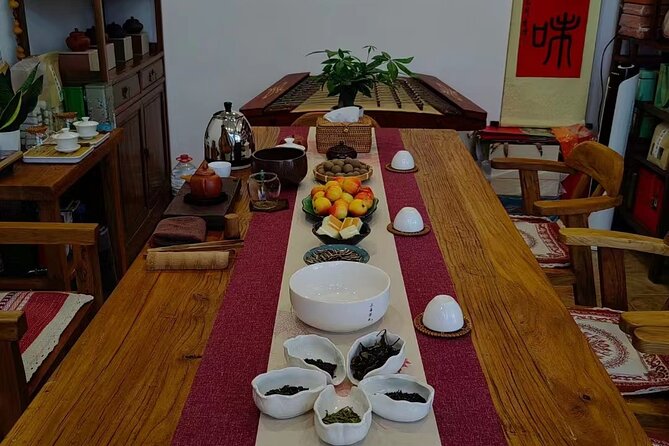
Tai Chi can look like just slow movement from the outside. Here, the morning is built around what it is meant to do inside: support steady energy flow and promote a calmer, more balanced state. The experience frames Tai Chi as part of Taoist thinking, with relaxation work that aims to improve how Qi moves through the body.
Then comes the tea, which the experience connects directly to Taoist practice. The tea discussion focuses on how tea is seen as supporting Shen and steady temperament, plus helping internal cultivation. Even if you are not chasing spiritual depth, you will still get something practical: a simple ritual that slows your breathing, steadies attention, and makes the whole session feel like a reset, not a chore.
You can also read our reviews of more tours and experiences in Beijing.
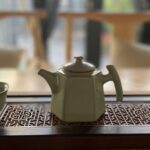
The meet-up at Jixiaolan Former Residence (9:00am): start simple
The tour meets at Jixiaolan Former Residence, Ji Xiao Lan Gu Ju, 前门 Xi Cheng Qu, Bei Jing Shi, China 100052, with a 9:00am start. It ends back at the same meeting point, so you are not juggling a complicated route across town.
This matters because a morning class works best when you are not also solving transportation puzzles. The meeting area is described as near public transportation, and there is a mobile ticket, which makes it easier to show up without extra paperwork stress. If you are planning other sights later, having a clean start and finish point helps you build a simple itinerary.
The 1-hour Tai Chi with Eric: relaxation, basic forms, and self-massage
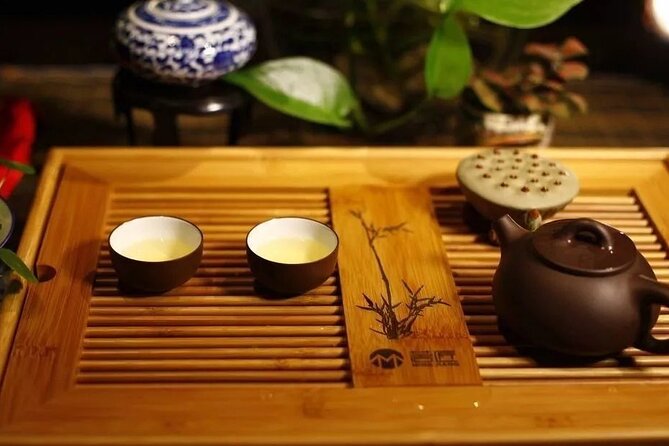
The Tai Chi portion lasts about 1 hour. You will learn Tai Chi Taoism knowledge, basic relaxation forms, typical Tai Chi movements, and self-massage methods. The goal is to give you more than steps—so you understand what you are doing and why it is supposed to help.
Eric is the English-speaking master leading the instruction, and the tone described in the experience feedback is patient and kind. That is a big deal if you are a beginner. Instead of throwing you into complicated sequences, the class checks your experience level and organizes the lesson accordingly. You should expect clear explanations geared toward first-timers, with time to get comfortable with the basics.
One practical skill you can take from a class like this is how to coordinate attention with body movement. The guidance emphasizes presence—mind, eyes, and body working together—so your movement stays smooth and focused rather than rushed and stiff.
What to do if you are brand new
Go in expecting fundamentals. This experience is built around beginners, including the basics of forms. Wear comfortable walking shoes and move in a way that feels stable and safe. If you tend to get tense, this portion is designed to help you soften that tension through relaxation work and simple internal focus.
A likely drawback for some people
This is instruction, not a performance. If you came for long, dramatic choreography, you might wish the session was longer. The upside is that you get a guided start and leave with enough basics to practice later on your own.

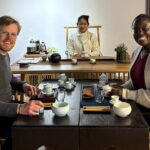

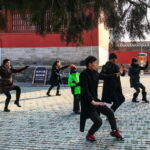
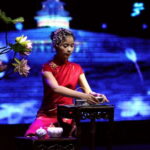
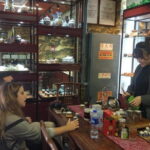
Transitioning from movement to stillness at the tea house
After the Tai Chi practice, you move to the tea house for the ceremony portion. The design of the experience matters here: it does not end when your muscles calm down. It keeps the pace slow and adds a second kind of practice—attention through taste and ritual.
This portion is led by the tea master, and feedback from the experience highlights that Alice’s instruction is sweet, clear, and thorough. You should expect an overview of tea history and tea culture, plus practical guidance on how to actually distinguish tea quality by yourself.
Kungfu Tea ceremony with Alice: 4–5 teas, 3–5 snacks, and what to notice
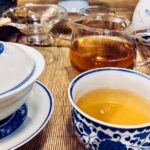
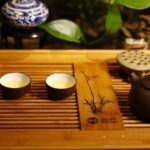
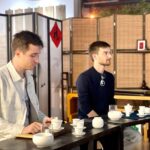
The tea house experience includes tasting 4–5 types of Chinese tea and 3–5 snacks. You also get to enjoy a Kungfu Tea ceremony style, with an explanation of the tea culture in China.
What you are learning here is sensory literacy. Instead of treating tea like a single drink, the session pushes you to notice differences so you can start making sense of what you like. You will be assisted while you distinguish quality, so you are not left guessing.
Kungfu Tea ceremony is also a great match for a Tai Chi morning because it is about pace. The method turns sipping into something you do with intention. If your day usually feels noisy and fast, this part helps you slow down in a structured way.
Snack pacing: helpful, not heavy
Snacks are included, but food is not. That means you will likely feel satisfied for the tea experience itself, but you should still plan for an actual meal afterward if that is your usual routine.
Tea master tip you can use immediately
Use the tasting as a prompt, not a test. Focus on what changes from one tea to the next—aroma, taste shape, and how the drink feels after swallowing. Even if you can’t label every flavor, you will leave with a better sense of what to order later in Beijing.
What Taoism and Qi talk means in real life (not just theory)
The experience frames Tai Chi and tea through Taoism: Taoist relaxation work, Qi flow, harmony between man and nature, and the idea that tea supports Shen and stable temperament. Even though some of that can sound abstract, the structure of the session translates it into something you can feel.
Tai Chi teaches the body to relax and move with less strain. Tea teaches patience and attention. Together, they create a practical pairing: movement downshifts your nervous system, and tea keeps that calm state going long enough for your mind to catch up.
If you are curious about Chinese culture, this approach is valuable because it ties practices to a worldview. You are not just collecting facts. You are seeing how daily ritual, health ideas, and meditation-style calm can fit together in a single morning.
Price and value: is $95 per person worth it?
At $95.00 per person for an approx. 3-hour experience, the value comes from what is included and how it is taught. You get a full Tai Chi instruction block (about 1 hour), plus tea tasting and a ceremony segment (with multiple teas and snacks). Coffee and/or tea are included, and all fees and taxes are covered.
Here is the real math for your decision-making:
- You are paying for two guided experiences, not just one class.
- Instruction is led by an English-speaking master for Tai Chi and a tea master for the ceremony.
- Tea tasting includes multiple types of tea, which you would typically pay for separately elsewhere.
The one cost to remember is what is not included. Food is not included, and private transportation is not included. If you plan to eat after and use public transit, this pricing typically holds up as a solid “one morning, two skills” value rather than a pricey single activity.
Also note that the average booking lead time is about 22 days. That is often a sign these mornings fill up, especially for groups that want a peaceful start. If you have fixed dates, booking earlier can save you from last-minute availability issues.
Who this Beijing Tai Chi and Tea ceremony suits
This is a strong choice if you want a calm cultural experience that still feels hands-on. It is especially good for:
- Beginners who want guidance without feeling lost
- People who like slow, ritual-style learning
- Visitors planning a sightseeing day that starts later, where a morning reset helps
It may be less ideal if you want a long, athletic workout. This is relaxation-focused Tai Chi and ceremony-style tea, not a high-intensity class.
Group style: private with your group
The experience is described as a private tour/activity, meaning only your group participates. That can make it feel more comfortable than large public classes, especially when the instructor is checking your experience level and adjusting explanations.
Practical tips before you go
- Wear comfortable walking shoes since you will be participating in movement and likely standing for instruction.
- Plan to eat after. Tea snacks are included, but food is not.
- Use public transportation if possible since private transportation is not included.
- Arrive with enough time to settle before the 9:00am start.
Should you book this Tai Chi and Tea ceremony experience?
I recommend booking if you want a morning that blends gentle movement with meaningful cultural practice. The strongest reasons are the teaching style—patient, beginner-friendly instruction from Eric—and the hands-on tea tasting led by Alice, with multiple teas and a Kungfu Tea ceremony format.
Skip it only if you want a longer, more physically intense Tai Chi workout, or if you hate tea tasting that asks you to pay attention to differences. Otherwise, this is an easy-to-love Beijing experience: calm, structured, and genuinely practical for understanding how these traditions connect.
FAQ
How long is the Beijing Tai Chi and Tea ceremony experience?
It runs for approximately 3 hours total.
What happens during the Tai Chi portion?
You learn Tai Chi Taoism knowledge, basic relaxation forms, typical Tai Chi movements, and self-massage methods.
What happens during the tea ceremony portion?
You taste 4–5 types of Chinese tea and 3–5 snacks, enjoy a Kungfu Tea ceremony, and learn tea culture with help from the tea master.
Is there an English-speaking instructor?
Yes. The Tai Chi instructor is described as an English-speaking master.
What is included in the price?
Coffee and/or tea, plus all fees and taxes are included.
Is food included?
No. Food is not included (snacks are included as part of the tea tasting).
What should I wear?
Wear comfortable walking shoes.
Is free cancellation available?
Yes, you can cancel for a full refund up to 24 hours in advance of the experience start time.