REVIEW · BEIJING
Beijing Culture Event: Tea Ceremony, Music Show, Calligraphy
Book on GetYourGuide →Operated by Cultural Tours China · Bookable on GetYourGuide
Chinese music, tea, and ink in one room. I like how this Beijing experience combines a six-step tea ceremony with a Guqin performance in a way that feels hands-on, not just watched. You’re also working with heritage-level arts teachers at certified venues that aren’t normally open to casual walk-ins.
My second favorite part is the balance: you get instruction (tea method, Guqin learning, calligraphy practice) plus performance moments (Guqin music) all wrapped into one tidy 2.5 hours. One thing to consider is logistics: transportation isn’t included, and you’ll meet at Hua Gong Station, Line 7, Exit C—so have your metro directions ready.
In This Review
- Key things to know before you go
- Beijing tea ceremony, Guqin, and calligraphy: how this works in the real world
- Meeting at Hua Gong Station (Line 7, Exit C) and the 2.5-hour rhythm
- The six-step tea ceremony: what you’re actually learning (and tasting)
- Guqin performance: hearing a national treasure up close
- Guqin learning: trying a simple melody yourself
- Calligraphy: turning Chinese characters into a personal souvenir
- Hanfu rental and ritual: the cultural “stage dressing” that adds meaning
- The guide experience: how academic history and sociology show up in your lesson
- Value check: is $79 per person a good deal?
- Who this Beijing cultural event suits best
- Practical tips: make it easier on yourself
- Should you book this Beijing Culture Event
- FAQ
- How long is the Beijing Culture Event: Tea Ceremony, Music Show, Calligraphy?
- Where do I meet, and where does it end?
- What languages are used during the experience?
- What’s included in the $79 per person price?
- Is the experience wheelchair accessible, and how big is the group?
- What should I wear or bring?
- What happens if my plans change?
Key things to know before you go
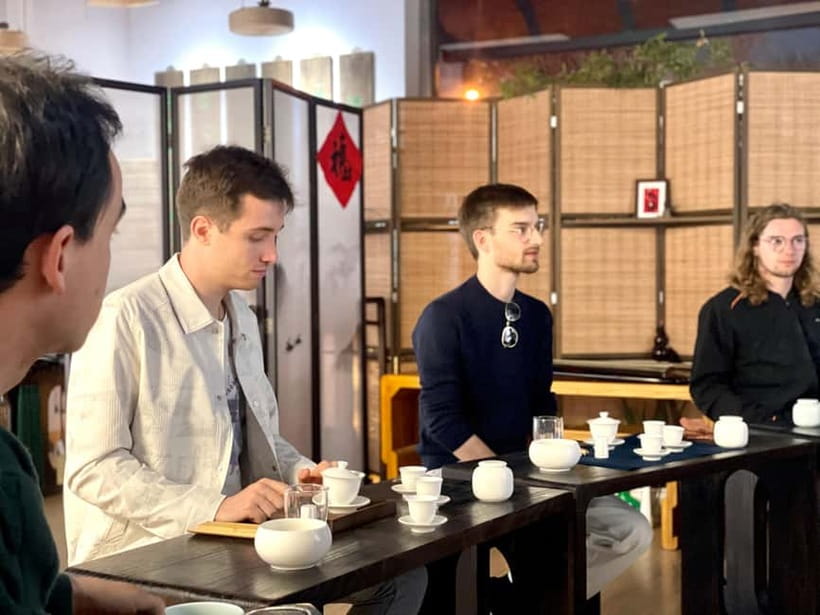
- Six arts in one session: tea brewing, Guqin concert, Guqin lesson, calligraphy, hanfu ritual dressing, and culture talk.
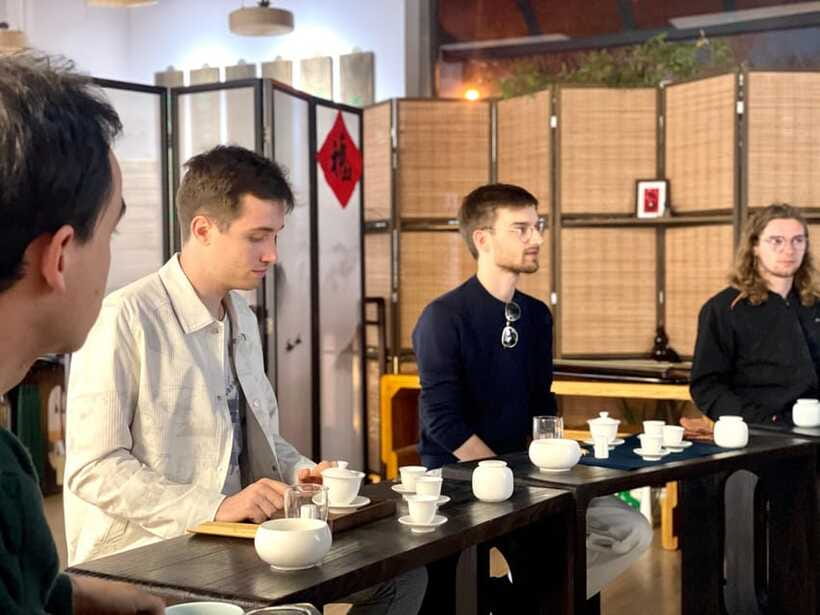
- Small group size (up to 8) means you’ll actually get help while you’re learning, not just sitting politely.
- Certified, off-limits venues: you’re going to private culture spaces that are described as closed to the public.
- Tea + porcelain + multiple tea types: you learn the method and sample red, green, and floral teas.
- Bilingual guidance with academic training: the lead guide has a Master’s degree in History and Sociology.
- Photo shoot and hanfu rental included: you’ll have the classic Beijing cultural photos without having to plan it yourself.
Beijing tea ceremony, Guqin, and calligraphy: how this works in the real world
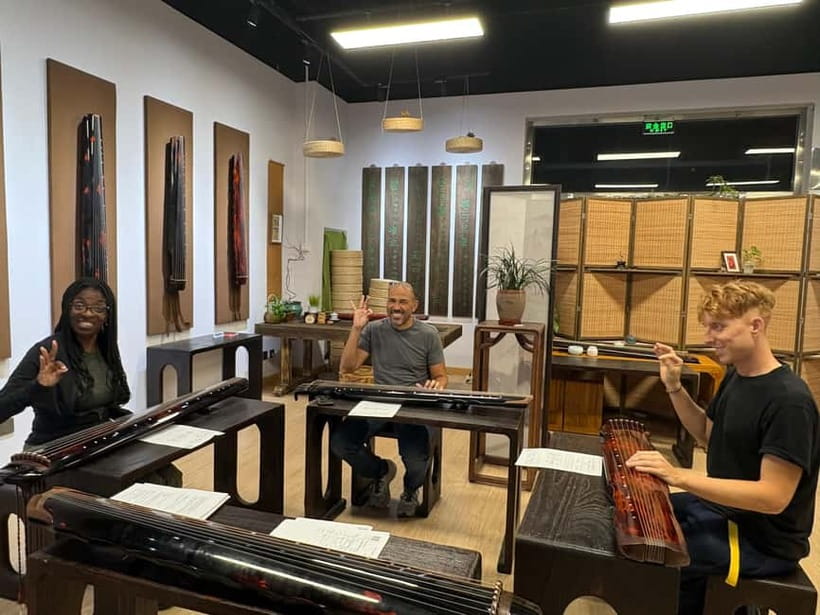
Beijing has plenty of shows. This one is different because it treats tea, music, and writing as living skills—not souvenirs of culture.
You start with a guided flow of activities that moves from performance into participation. That structure matters. If you’re the type who gets bored when you’re only watching, the hands-on segments keep you involved. If you’re more of a watcher, the tea brewing and Guqin moments still give you enough to focus on without turning the experience into a classroom drill.
Also, the small size (limited to 8) changes the tone. You’re not fighting for attention. You can ask questions. You can adjust while you learn. And because the guide is bilingual (Chinese and English), the pacing is built for people who want cultural context, not just translations.
You can also read our reviews of more tours and experiences in Beijing.
Meeting at Hua Gong Station (Line 7, Exit C) and the 2.5-hour rhythm
Plan for a simple, predictable timeline: this experience runs about 2.5 hours, but starting times vary by availability. You’ll meet back at the same spot at the end, so you don’t have to worry about complicated “drop-off” logistics.
You’ll meet at Hua Gong Station, Exit C (Line 7). The venue is described as roughly 30 minutes from the Temple of Heaven, but that will depend on how you travel. Transportation to and from the venue isn’t included, so you’ll want to set aside time to get there smoothly.
One practical tip from past guests: a guide named Sylvia has helped meet people at the metro entrance so they can find the art center without stress. So if you’re arriving a little early, it’s worth keeping an eye out near the exit—show up about 10 minutes early as suggested, so you’re not rushing when things start.
The six-step tea ceremony: what you’re actually learning (and tasting)
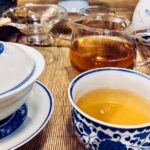
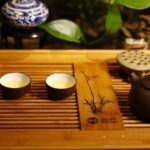
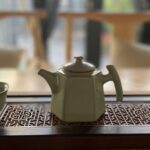
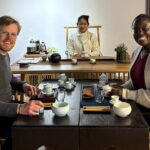
Tea in China can be “a drink” or it can be a whole set of careful actions. Here, you’re taught the traditional Six-Step Tea Art process and you’ll work with porcelain teaware during the session.
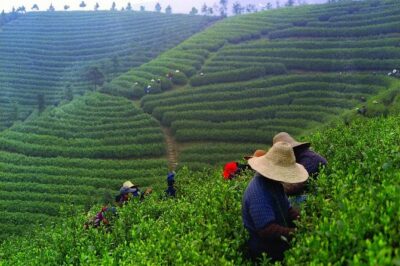
What I like about this part is that it trains your senses. The guidance focuses on how tea changes as you brew—things like aroma, color, and taste. You don’t just get one kind of tea and call it a day. You’ll be guided through tasting red, green, and floral teas, which helps you notice how different teas behave.
Tea ceremonies also reward calm attention. If you usually move fast, this can be a good reset. If you’re impatient, you might find yourself waiting while the master demonstrates. But because the process is step-by-step, you’re not stuck in a long lecture. You’re following the method, watching the actions, and then trying it yourself.
Practical note: the experience includes water and tea, but it doesn’t include meals. If you’re hungry, eat something beforehand—tea is relaxing, not filling.
Guqin performance: hearing a national treasure up close
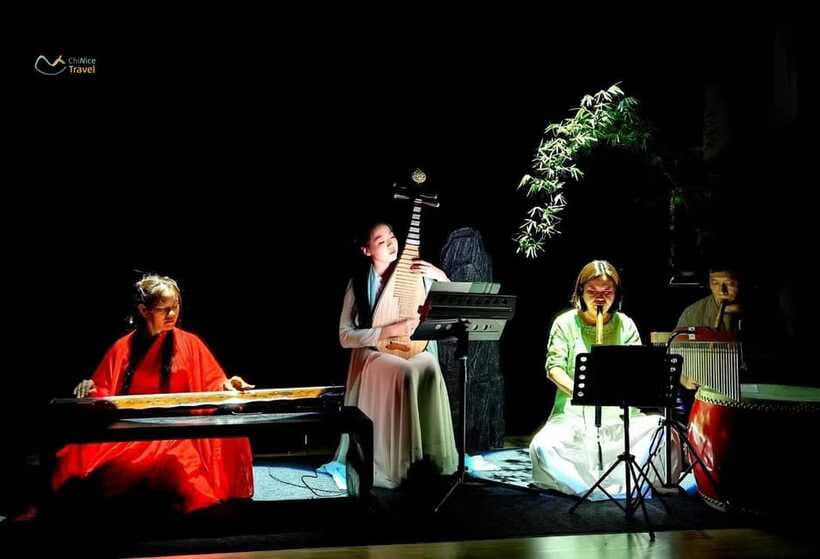
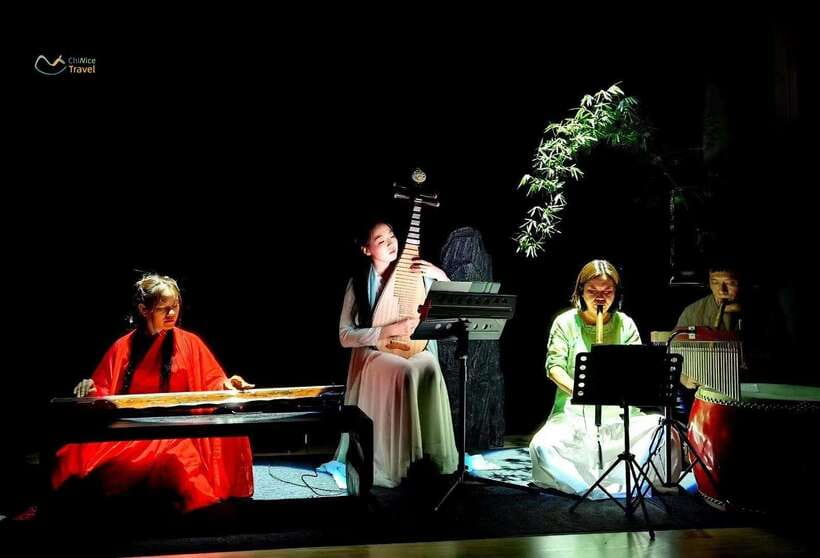
Guqin is one of those instruments that sounds simple until you really pay attention. It’s also steeped in symbolism, which is part of why this performance is more than entertainment.
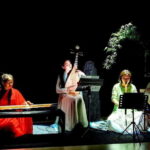
In this experience, you’ll hear a Guqin performance by an authentic heritage master. The Guqin is often called the giant panda of musical instruments—a national treasure—and the way it’s described ties it to a long tradition of scholars and dignitaries. You’re not meant to treat the Guqin as background music. The session is set up so you focus on how the melody carries meaning through time.
Even if you don’t know anything about Chinese music, you can still enjoy this segment. Why? Because your guide provides the cultural framing while the sound is happening. That helps you listen with intention instead of just reacting to volume.
If you’re expecting a flashy, modern concert format, this won’t be that. It’s more controlled and reflective. Think less stage lights, more attentive listening.
Guqin learning: trying a simple melody yourself
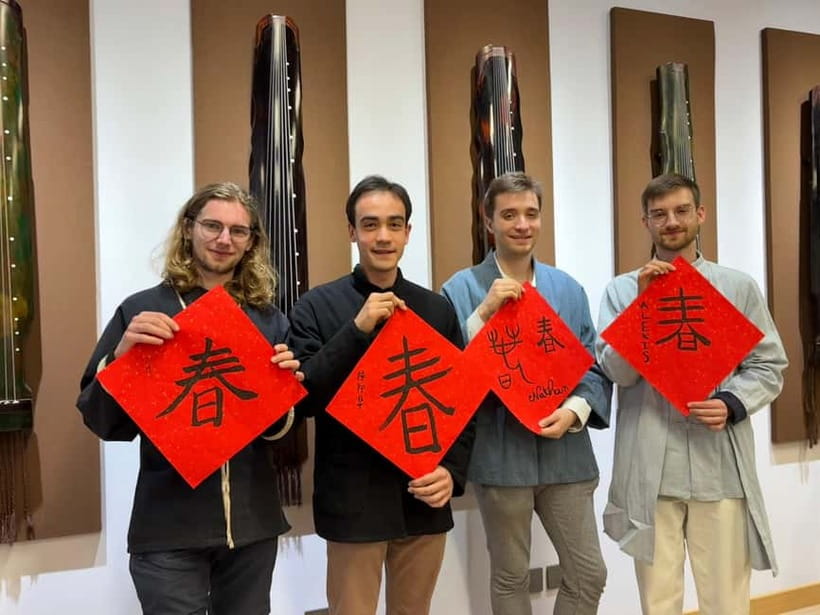
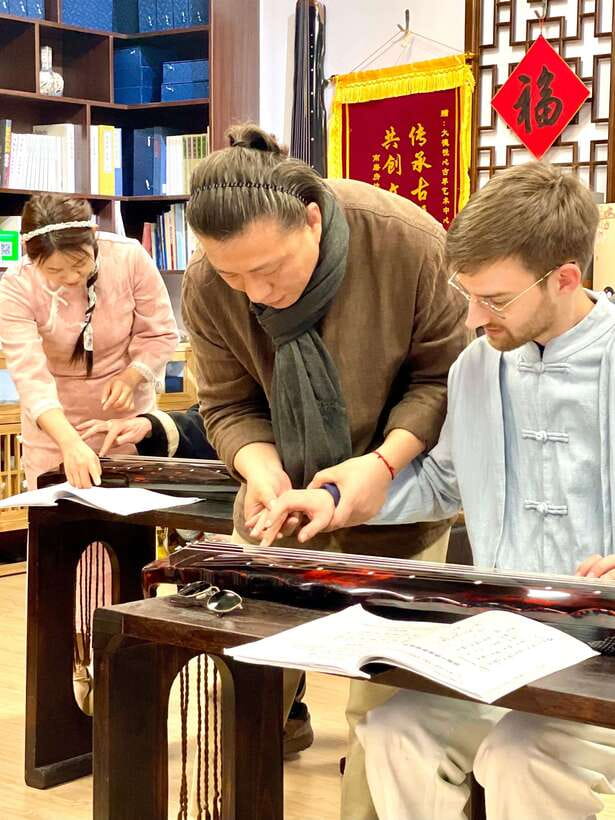
After the performance comes the part people often enjoy more than they expected: you learn to play. You’ll get Guqin class guidance with a tutor who’s tied to the event’s professional instruction.
You won’t be expected to become a master. The goal is to help you understand the instrument through action. In other words: you feel the rhythm, the technique, and the meditative tempo that makes Guqin what it is.
That “trying” piece matters for value. A ticket to a concert gives you sound. A class adds understanding. And a small group format helps because you can correct your posture or hand movement if needed.

Calligraphy: turning Chinese characters into a personal souvenir
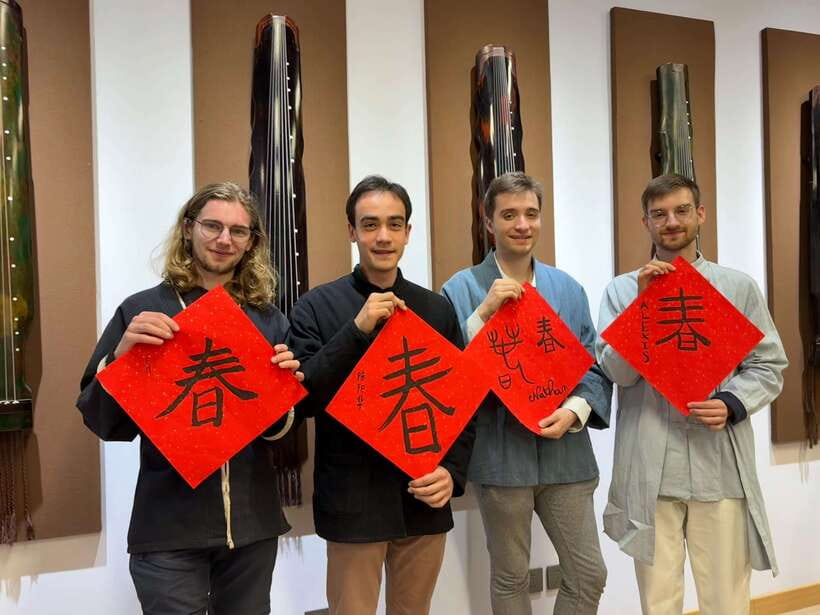
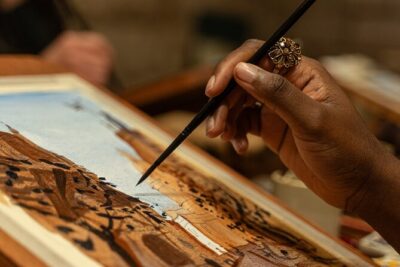
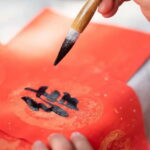
Calligraphy is the third major skill in the chain. The session guides you through the evolution of Chinese calligraphy, moving from early pictographs to the five major traditional styles. Then you write your own meaningful character.
I love that this isn’t random scribbling. There’s an actual history component, and then it becomes personal. You use traditional brushes and ink, which changes the experience immediately. The texture and resistance of ink and paper (or practice material) makes the activity slower, more deliberate, and harder to fake.
If you’re a beginner, good. This isn’t about artistic talent. It’s about learning the basics of how the character is built. One common outcome from the session is that people end up writing something that feels like a blessing or a personal message. It’s a souvenir you can explain, not just a photo.
Hanfu rental and ritual: the cultural “stage dressing” that adds meaning
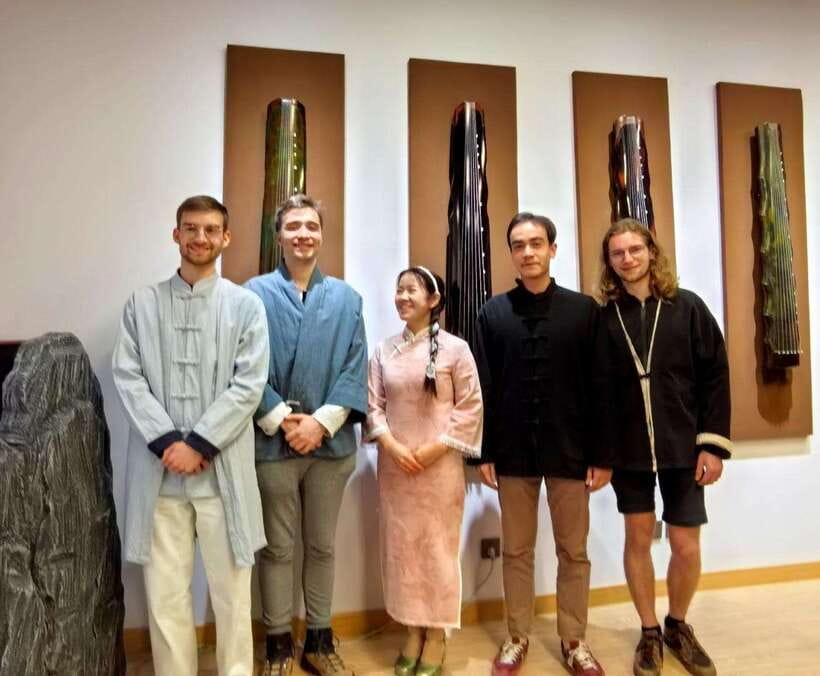
This part is more than costumes. You get hanfu rental and a ritual-style segment where you participate in honoring your teacher.
Wearing hanfu changes your pace. It’s not about looking cute (even though you’ll look good). It subtly nudges you toward slower, more respectful body language, which fits the tea and Guqin tone of the whole session.
It’s also why this experience tends to work well for families and mixed ages. Kids can enjoy the visuals and photos, while adults connect to the formal structure behind it.
The guide experience: how academic history and sociology show up in your lesson
One of the biggest reasons this tour doesn’t feel like a script is the guide. You’re accompanied by a bilingual cultural expert with a Master’s degree in History and Sociology. That’s not just a translator badge.
In practice, it means you get explanations that connect objects and movements to meaning. You’ll hear context around the tea method, the symbolism of Guqin, and why calligraphy styles developed the way they did. You’re learning culture as a system, not as isolated trivia.
If you like museum-style thinking but prefer hands-on art, this approach hits the sweet spot.
Value check: is $79 per person a good deal?
At $79 per person, the math is actually pretty decent if you compare it to doing these things separately.
You’re getting a bundled set of services:
- tea ceremony instruction and tea tasting
- Guqin performance ticket and Guqin class
- calligraphy instruction with writing practice
- hanfu rental
- a photo shoot
- professional guidance and tutoring
- original souvenirs
- water/tea included
Transportation and meals are not included, so that’s the main “extra” cost you might add. Still, if you’ve ever looked up tea ceremony experiences, calligraphy classes, and private music instruction in major cities, you know how quickly the totals stack.
This one-fee bundling is why the experience is priced the way it is. You’re not just paying for access; you’re paying for guided learning plus the photo and costume components that usually require extra planning.
Who this Beijing cultural event suits best
This experience fits best if you want culture you can feel in your hands.
It’s a strong match for:
- families who want something structured but not boring
- visitors who like small groups and personal instruction
- anyone interested in Chinese arts beyond a quick photo op
- people who enjoy calm activities (tea and ink) alongside music
It might feel less ideal if you:
- want a high-energy entertainment show only
- don’t want to participate at all (because you will be guided into hands-on steps)
- hate being in a small indoor setting for the duration
Practical tips: make it easier on yourself
A few small things can make the day smoother.
- Wear comfortable clothes for the hanfu dressing segment.
- Bring your camera or phone since photos are part of the shoot.
- Arrive 10 minutes early to settle in before the ceremony and lessons start.
- If you have allergies, you may be asked in advance so the tea experience can be handled appropriately based on your needs.
And because transportation isn’t included, plan your metro route ahead of time. Hua Gong Station, Line 7, Exit C is simple once you’ve checked your map, but it’s not the kind of meeting point you want to search for at the last second.
Should you book this Beijing Culture Event
Book it if you want one ticket that gives you tea, music, and writing with real instruction and a small group pace. The biggest reasons to choose it are the hands-on learning and the fact that it’s guided by trained experts, not just a scripted performance.
Skip it if you’re only interested in watching and you’re short on time. Also think twice if you don’t want to handle metro navigation on your own.
If you’re balancing a Beijing schedule and want a cultural experience that feels personal and carefully taught, this is the kind of booking that makes your trip feel more specific—less generic, more “I understand what I’m looking at.”
FAQ
How long is the Beijing Culture Event: Tea Ceremony, Music Show, Calligraphy?
The duration is about 2.5 hours, though you should check availability for the exact starting times.
Where do I meet, and where does it end?
You meet at Hua Gong Station, Line 7, Exit C and the activity ends back at the meeting point.
What languages are used during the experience?
The experience is conducted in Chinese and English with a bilingual cultural expert and instruction/support.
What’s included in the $79 per person price?
Included are water/tea, ticket to the show, hanfu rental, photoshooting, Guqin class, professional guide/tutor (linked to the Guqin performance), and original souvenirs.
Is the experience wheelchair accessible, and how big is the group?
Yes, it is wheelchair accessible. The group is limited to 8 participants.
What should I wear or bring?
Wear comfortable clothes for the hanfu dressing session. Bring your camera or phone for the photo shoot, and arrive about 10 minutes early.
What happens if my plans change?
You can cancel up to 24 hours in advance for a full refund. You can also reserve now and pay later to keep your plans flexible.