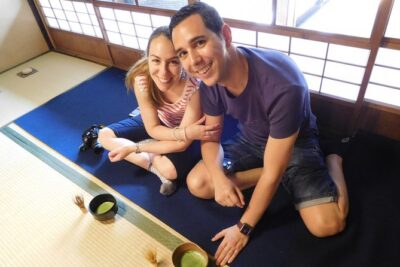
Tea has a story in Ella.
At Uva Halpewatte Tea Factory, you get a small-group, English step-by-step look at how leaves become Ceylon tea, plus a tasting at the end.
What I like most is the way the tour turns the process into something you can actually picture: modern manufacturing steps, factory floor views, and a guide who explains it clearly (I’ve heard guides like Siva and Rajha really shine here). Second, the tea tasting isn’t an afterthought. It’s timed right after you’ve seen how the tea is processed, so tasting makes sense.
One thing to plan around: if you arrive late, you might miss the most active production. There are also hints that factory operations can vary by day, so an early slot is your best bet.
In This Review
- Key highlights you’ll care about
- Why Uva Halpewatte is a smart Ella tea stop
- Price and value: $18 for an hour that teaches you more than it costs
- Getting there on Badulla Road (and how to not waste your time)
- Inside the factory tour: how leaves become Ceylon tea
- A quick reality check: what the tour is and isn’t
- Tea tasting after the tour: turning lessons into flavor
- Best time to go: catching production when it’s most visible
- Who this tour fits (and who should adjust expectations)
- Should you book Uva Halpewatte Tea Factory in Ella?
- FAQ
- How long is the Uva Halpewatte Tea Factory tour?
- What does the $18 ticket include?
- Where is the meeting point?
- What time is the factory tour available?
- Is the tour guided in English?
- How large are the groups?
- Can I cancel for a full refund?
Key highlights you’ll care about
- Small-group size (max 15): easier questions and a less chaotic pace.
- English guided explanations: step-by-step tea making, not just a walk past machines.
- Modern procedures + award-winning, functioning factory: you see real production, not staged photos.
- Tea tasting included: a chance to connect the machines to the cup.
- Factory fresh tea shop and cafe: grab gifts or a drink after you learn.
Why Uva Halpewatte is a smart Ella tea stop
Ella is full of tea viewpoints and plantation drives. This is different. You’re not just looking at tea bushes from a distance. You’re seeing how the product moves through a working factory, with explanations that link each stage to what ends up in your cup.
Uva Halpewatte is described as a celebrated Ceylon tea estate and a functioning factory, and that matters. A tea factory that’s still producing tea usually means you can actually watch how things work (instead of getting only a slideshow and a museum vibe). With a maximum group size of 15, the whole thing stays focused and personal enough to ask questions without yelling.
This tour also has a practical rhythm: see the process, then taste. That’s the moment when tea stops being a mystery. You start noticing why one cup feels lighter or darker, and why processing steps change flavor and strength.
You can also read our reviews of more tours and experiences in Ella.
Price and value: $18 for an hour that teaches you more than it costs
At $18, you’re paying for a guided visit with admission included, plus tea tasting. For Ella, that’s a solid value when you compare it to doing tea experiences that are mostly a view or a brief stop.
Here’s why it feels like good value: the tour is about how tea gets made, not just where it grows. You get step-by-step explanations of tea manufacture, plus you’re taken through the estate and factory in a way that connects labor and equipment to the final product.
Also, the tour duration is about 1 hour. That’s important in travel time. It’s long enough to learn and taste, but not so long you lose a big chunk of your day in transport and waiting.
If you enjoy food and drink that has a clear behind-the-scenes process, this is exactly the kind of activity that pays you back—especially if you’ve been drinking tea for years and want to know why it tastes the way it does.
Getting there on Badulla Road (and how to not waste your time)
The meeting point is Uva Halpewatte Tea Factory, Badulla Road, Hela Halpe, Ella, Sri Lanka 90090. The tour ends back at the meeting point, so you’re not juggling a complicated drop-off.
You should plan to arrive with a little buffer. Some guidance from real visitor experience suggests that production visibility can drop if you show up later (one note said arriving after about 8:30 may mean less is running). Since opening hours run from 8:00 AM to 4:30 PM, you have options, but earlier tends to be better if you want the process to feel active.
Bring your phone for the mobile ticket, but don’t rely on it as your only plan. Treat it like one more layer of convenience, not a backup to everything else.
Inside the factory tour: how leaves become Ceylon tea
The tour starts with the tea manufacture process, explained in English and paced so you can follow the steps. The main idea is simple: tea production is labor plus machinery, and each processing stage changes the final character of the tea.
You’ll tour the functioning factory and estate. That’s where the visit becomes more than a quick look. You’ll see modern manufacturing procedures and learn what the factory is doing at each stage—how processing transforms harvested leaves into the types of tea people drink.
A few things I’d watch for while you’re there:
- Where the process feels most “hands-on.” Even with machines, tea production still depends on careful handling. The more you can connect labor to the workflow, the more you’ll appreciate the cup.
- How the guide connects the equipment to flavor. The best guides (people have mentioned names like Lahiru and Siva) tend to explain tea science and even chemistry in a way that makes sense for non-scientists.
- What you’re allowed to see on the factory floor. Some tours let you walk and look closely at machines; others keep you behind barriers. Here, there’s a strong chance you’ll get a closer, up-close feel.
Because this is a small-group experience (max 15), you also get a better chance to ask questions as you go. If you care about tea types or why one cup is stronger, this is the place to ask.
A quick reality check: what the tour is and isn’t
This is not a full-day plantation trek. You’re getting the factory side and an estate visit that supports it. If you’re hoping for a long, detailed history of tea farming culture across generations, you might find you want more time than this hour offers.
But if your goal is to understand the production workflow and taste what it produces, this is a well-timed option.

Tea tasting after the tour: turning lessons into flavor
The tea tasting happens after you tour and learn the process. That sequence matters. Instead of drinking random samples, you’re tasting with context: you’ve just seen how leaves are processed, so you can start connecting the steps to the final result.
Expect a tasting experience for all participants, included with admission. Some people find the tasting delicious and informative, while a smaller number felt the sample tea wasn’t full-flavored. Your best move is to set your expectations as a tasting meant to teach, not a tasting room that blows your socks off with rare varietals.
How to make the tasting more worthwhile:
- Ask your guide what you should notice in each cup.
- Take a quick breath and smell before you sip.
- Compare strength and character, not just whether you like it.
And don’t skip the practical part: this factory has a fresh tea shop and cafe. If you enjoy what you taste, you can usually take some tea home right away. It’s one of the easiest ways to keep the experience from fading after you leave Ella.
Best time to go: catching production when it’s most visible
If you want the tour to feel alive, time it well. The factory’s stated hours are 8:00 AM to 4:30 PM, but the key issue is whether production is actually running during your visit.
One important piece of travel advice from real-world experience: going earlier helps. There’s a note that arriving after about 8:30 may mean less production is happening. If you want the most complete experience, aim for an earlier slot rather than a late-morning one.
Also consider day-of-week patterns. While the published hours cover the whole week, there’s at least one report that the factory may not be working on Sunday, leading people to switch plans. If you’re traveling around a weekend, plan to be flexible—and arrive prepared for the possibility that operations could vary.
Who this tour fits (and who should adjust expectations)
This is best for you if:
- You’re curious about Ceylon tea production and want a real process walkthrough in English.
- You like small groups and don’t want a chaotic crowd.
- You want to learn, then immediately test your learning with a tasting.
- You enjoy food-and-drink travel that’s practical, not just scenic.
You might choose something else if:
- You want a long, deep plantation experience with lots of walking in the hills.
- You’re expecting a heavy focus on old-school tea history rather than how the factory currently produces tea.
- You hate any chance that parts of production might be quieter at certain times.
For most tea lovers, though, this is a strong use of time in Ella: it’s short, focused, and you leave with an actual understanding of what you were tasting.
Should you book Uva Halpewatte Tea Factory in Ella?
Yes, I’d book it if you want a guided, English-language explanation of how tea gets manufactured, plus tasting included. At $18 for about an hour, it’s good value, and the small-group size (up to 15) makes it easier to ask questions.
Book early if you can. You’ll improve your odds of seeing active production and getting the full factory-floor feel.
One last thought: bring a curious mindset. This is a tour where the biggest payoff is the connection between steps and flavor. If you keep that in mind, you’ll get more than just a nice tea stop.
FAQ
How long is the Uva Halpewatte Tea Factory tour?
The tour runs for approximately 1 hour.
What does the $18 ticket include?
The ticket includes admission and the tea tasting after the tour.
Where is the meeting point?
Meet at Uva Halpewatte Tea Factory, Badulla Road, Hela Halpe, Ella, Sri Lanka 90090.
What time is the factory tour available?
The posted hours are Monday through Sunday from 8:00 AM to 4:30 PM.
Is the tour guided in English?
Yes, the guided tour is offered in English with step-by-step explanations.
How large are the groups?
The group size is capped at a maximum of 15 travelers.
Can I cancel for a full refund?
Yes. You can cancel for a full refund if you cancel at least 24 hours before the experience’s start time.