REVIEW · TAKAYAMA
Traditional Japanese Tea Ceremony at Master’s Private Tea Room
Book on Viator →Operated by Hisa Takayama Private Tour Guide · Bookable on Viator
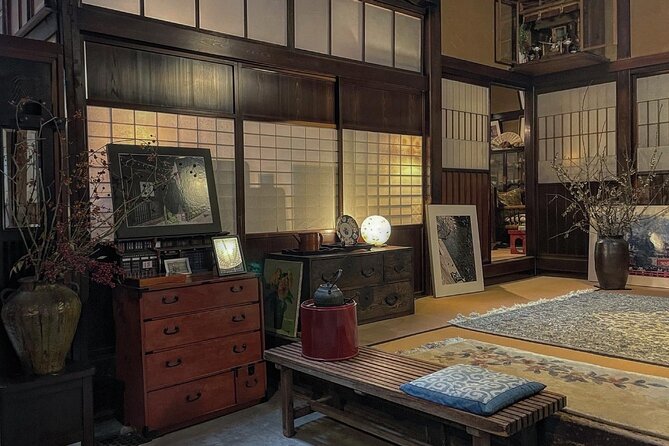
Old Takayama smells like tea. In a preserved machiya townhouse (formerly an obstetrics and gynecology clinic), you get Japanese tea with seasonal fruits and sweets, plus practical guidance that makes matcha feel doable, not mysterious. I especially love how the house itself is still intact and sturdy after more than 200 years, and I love the hands-on teaching from Bob-san on making green tea and matcha. A possible drawback: it’s about two hours and you’ll be seated and focused—less of a sightseeing-and-photo marathon.
This is a private experience, so it’s just your group in the Master’s tea room. You’ll use a mobile ticket, and the meeting point is easy to spot in Morishitamachi, with the activity ending back where you start.
In This Review
- Key Things That Make This Tea Ceremony Worth Your Time
- A Machiya House You Can Read With Your Eyes
- Entering The Master’s Private Tea Room Setup
- Bob-san’s Lesson: Green Tea and Matcha, Explained in Real Terms
- What You’ll Taste: Seasonal Fruits and Sweets With the Tea
- The Machiya Architecture Lesson You Didn’t Know You Needed
- Time on the Clock: What a Two-Hour Session Feels Like
- Price and Value: Is $97.73 Worth It?
- When This Fits Best in Your Takayama Plan
- How to Prepare So You Get More Out of It
- Should You Book the Traditional Tea Ceremony?
- FAQ
- Where does the tea ceremony take place?
- How long is the Traditional Japanese Tea Ceremony?
- Is this a private experience?
- Do I need to print a ticket?
- When will I get confirmation after booking?
- What are the posted opening hours?
- Is it easy to reach using public transportation?
- Is cancellation free?
Key Things That Make This Tea Ceremony Worth Your Time
- A real, still-standing machiya house: long-and-narrow merchant-house layout you can actually see.
- Bob-san’s teaching style: clear guidance for green tea and matcha.
- Seasonal fruits and sweets: a small tasting part that matches the tea pacing.
- Private only for your group: easier questions, less waiting around.
- A formerly clinic-and-house mashup: you’ll notice the unusual harmony in one building.
- About two hours: enough time to slow down without draining your whole day.
A Machiya House You Can Read With Your Eyes
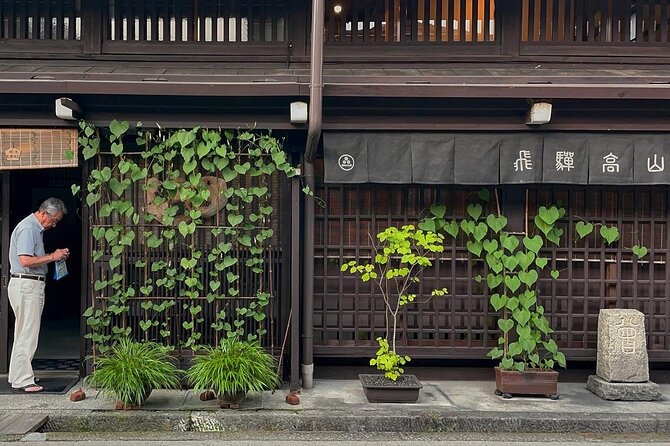
Takayama’s machiya merchant houses are famous for a long, narrow shape—so long and tight that it’s hard to imagine from a small entrance. Here, that layout is part of what you experience, not just a background detail. Even after more than 200 years, the structure is still described as sturdy and convenient, which is a nice reminder that “historic” doesn’t automatically mean “fragile.”
What makes this setting extra interesting is the building story. Your townhouse-and-clinic combo is described as unique: the main house plus a former obstetrics and gynecology clinic. That means you’re not just looking at a pretty façade—you’re seeing how different kinds of daily life fit into one machiya framework.
If you like architecture you can feel—woodwork, room flow, and the way a house is planned for real use—you’ll get a lot out of this. And if you’re mainly here for tea, the house still matters because it makes the tea session feel grounded instead of staged.
Entering The Master’s Private Tea Room Setup
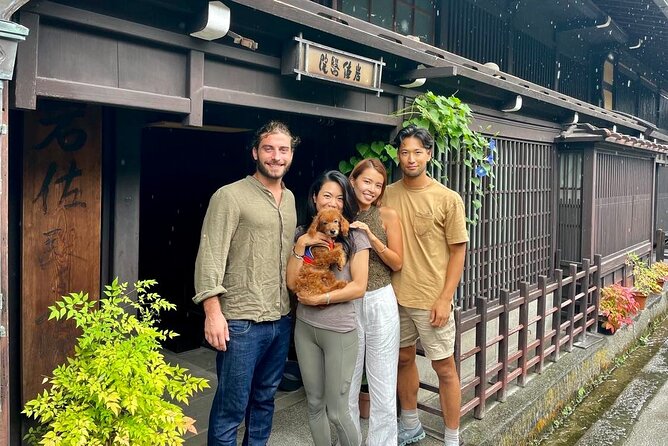
This is a private tea ceremony/activity, so only your group participates. That changes the whole tone. Instead of blending into a crowd, you can settle in, ask practical questions, and get feedback while you learn.
You’ll be meeting at 2-chōme-147 Morishitamachi, Takayama, Gifu 506-0823, Japan. The tour ends back at the meeting point, which is useful in Takayama, where you might want to connect to the rest of your day without adding extra logistics.
The booking also tends to be planned ahead. On average, this gets booked about 99 days in advance, so if you’re traveling in a busy season or aiming for a specific time, earlier booking helps. Confirmation is typically received within 48 hours of booking (subject to availability), so don’t leave it to the last day.
Bob-san’s Lesson: Green Tea and Matcha, Explained in Real Terms
The biggest praised highlight is the host experience—Bob-san. The standout theme is friendly, kind hosting paired with instruction you can actually use.
The format you’ll experience is centered on learning how to make great green tea and matcha. That’s important because matcha often sounds intimidating if you only associate it with cafés and gift tins. In a teaching-focused setting, you get the steps and the feel, and you walk away understanding what makes the tea taste right rather than just following a script.
Also, if you’ve ever wondered why the same matcha can taste different depending on how it’s prepared, this is exactly the kind of experience that helps you notice those differences. Even without getting overly technical, hands-on instruction gives your senses something to latch onto: the look, the aroma, and the way it feels to prepare it.
One practical note: since this is a tea session, expect a quieter pace. If you’re hoping to do lots of errands or loud, constant sightseeing during the same window, plan something else for before or after. Here, the value is in slowing down and learning.
What You’ll Taste: Seasonal Fruits and Sweets With the Tea
Tea ceremony food is part of the rhythm. Here, you’re told to enjoy Japanese tea with seasonal fruits and sweets. That matters because you’re not just sipping; you’re tasting across the course of the experience.
Seasonal fruits and sweets can do two helpful things. First, they give you a point of comparison for flavor and sweetness, which makes the tea itself easier to understand. Second, they create a natural pause in the session—less rushing, more noticing.
You won’t get a warehouse-style buffet vibe. It’s more like a small, paced interlude that belongs to the setting: a traditional house, tea being prepared, and snacks timed to your tasting.
If you’re sensitive to very sweet desserts, you might want to go in with realistic expectations: Japanese sweets often aim for balance, but they’re still sweets. That said, the presence of seasonal fruit can help keep things from feeling heavy.
The Machiya Architecture Lesson You Didn’t Know You Needed
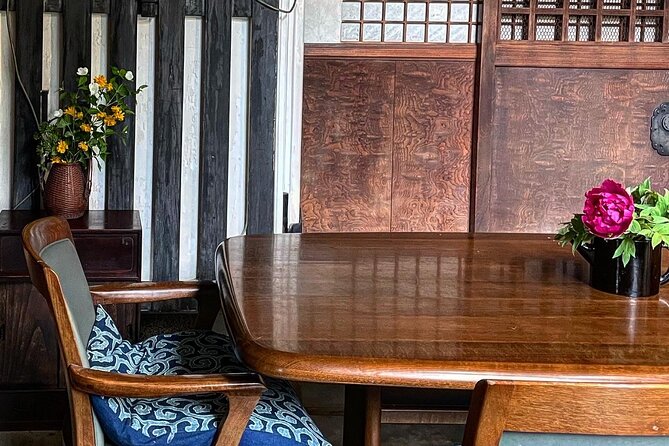
This experience isn’t just a tea tasting. It’s also a guided look at machiya design and how craftsmen used the best materials available in their time. You’ll likely notice the characteristic long-and-narrow shape and what it implies about daily movement through the space.
There’s also a practical lesson hidden here: machiya architecture follows a format, but each house pursues beauty in its own way. In other words, you’ll see the same traditional framework, then you’ll notice how this particular home interprets it.
That’s where the former clinic detail becomes valuable again. When one building served as an obstetrics and gynecology clinic and a home, it suggests there were rooms designed for both daily living and more specific medical use. The harmony between those functions is described as beautiful, and you can understand why—because older buildings often had to be flexible.
If you like authentic places where you can connect physical design to everyday life, you’ll probably remember this part long after your tea is gone.
Time on the Clock: What a Two-Hour Session Feels Like
The duration is 2 hours (approx.). For a Takayama itinerary, that’s a smart middle length. It’s long enough to learn green tea and matcha with guidance, and short enough that you can still enjoy other activities the same day.
In practical terms, plan your day so you’re not rushing straight from the ceremony to something requiring heavy walking or tight timing. Even if the building is convenient, the experience is still a slow, seated one. Your best bet is to treat it like a “centerpiece moment” rather than a quick stop between trains.
Also, because it ends back at the meeting point, you won’t have to reverse-engineer transport. That reduces stress—especially if you’re pairing this with other Takayama sights in the same neighborhood.
Price and Value: Is $97.73 Worth It?
At $97.73 per person, this isn’t a budget tea experience. But it also isn’t just paying for tea. You’re paying for:
- A private setting (your group only)
- Instruction focused on making green tea and matcha
- Tea time paired with seasonal fruits and sweets
- The unique machiya setting, described as intact for over 200 years, plus the architecture lesson
So the real question isn’t whether tea costs that much—tea can be cheap anywhere. The value is in the combination: a well-preserved traditional space, personalized attention, and the skill component.
If you’re the type of traveler who enjoys workshops and learning-by-doing, the price starts to make more sense. If you mainly want a casual taste and photos with no teaching component, you might feel it’s pricey for two hours. For many people, though, the “how to make it” part is what turns the experience from consumption into takeaway.
Since it’s typically booked in advance (average 99 days), demand suggests this is something people plan as a highlight, not a random add-on.
When This Fits Best in Your Takayama Plan
This experience is a good match if you want authentic culture without turning it into a performance. The private format helps, but so does the house story: a machiya building that still shows how life once worked, not just a restored shell.
You’ll probably enjoy it most if:
- You’re curious about machiya architecture and how spaces were used
- You want practical knowledge—green tea and matcha preparation, not just a demo
- You prefer calm, structured experiences over fast-paced sightseeing
- Your group likes asking questions and learning at a slower tempo
It may be less satisfying if your ideal day is about constantly moving, shopping for hours, or large-scale group tours. Two hours is focused. You’ll get that calm “tea pace,” not a nonstop itinerary.
How to Prepare So You Get More Out of It
The tour includes a mobile ticket and is near public transportation, which helps with day-of convenience. Still, tea ceremonies reward the basics: arrive on time, keep your schedule clear, and let your senses slow down.
Here are a few practical ways to maximize the experience without overthinking it:
- Go in with an open mind about matcha. You’re learning the process, not chasing perfection.
- Treat the sweets and fruit as part of the lesson. Taste, then notice how the tea changes the feel of your mouth.
- Plan your next activity with some buffer. A tea session is best when you can stay present for the full pacing.
If you’re traveling with a service animal, note that service animals are allowed. That’s a helpful detail for travelers who need that accommodation.
Should You Book the Traditional Tea Ceremony?
I’d book it if you want a true Takayama moment that mixes craft, food, and instruction in a private setting. The strongest reason to choose it is the combination of the preserved machiya environment and the hands-on teaching from Bob-san on making green tea and matcha. At two hours, it’s also an easy slot to protect in a day plan.
I wouldn’t book it if your goal is mostly to tick a cultural box quickly, or if you dislike seated, slower activities. For those travelers, the price may feel hard to justify.
If you’re excited by architecture, learning food rituals, or just want one calm, high-attention experience in Takayama, this is the kind of booking you’ll feel good about later.
FAQ
Where does the tea ceremony take place?
You’ll meet at 2-chōme-147 Morishitamachi, Takayama, Gifu 506-0823, Japan, and the activity ends back at the meeting point.
How long is the Traditional Japanese Tea Ceremony?
It lasts about 2 hours.
Is this a private experience?
Yes. It’s a private tour/activity, and only your group participates.
Do I need to print a ticket?
No. It uses a mobile ticket.
When will I get confirmation after booking?
Confirmation is received within 48 hours of booking, subject to availability.
What are the posted opening hours?
The listed hours include Monday 9:00 AM to 6:00 PM.
Is it easy to reach using public transportation?
It’s described as near public transportation.
Is cancellation free?
Yes. You can cancel for a full refund up to 24 hours in advance of the experience’s start time.