REVIEW · KYOTO
Kyoto: Traditional Tea Ceremony with Matcha & Sweets in Gion
Book on GetYourGuide →Operated by Japan Wonder Travel · Bookable on GetYourGuide
Matcha starts with calm. In Kyoto’s Gion district, this tea ceremony keeps the tradition, but makes it easier to join with chair seating and hands-on matcha mixing. You’ll watch a tea master’s movements up close, then learn how to whisk your own bowl after hearing the story behind tea in Japan.
The other thing I like is the casual tone: you get guidance without feeling trapped by strict rules. A possible drawback: matcha is caffeine-heavy, and it’s not recommended for children under 5.
In This Review
- Key things to know before you go
- Gion’s calm tea break: what this chair-friendly ceremony gets right
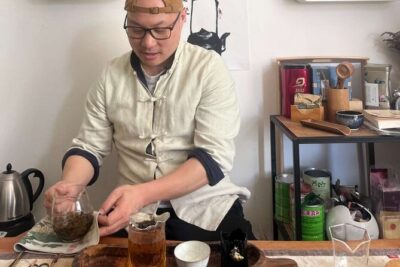
- Settling in and watching the tea master’s technique up close
- History and Zen lessons without the stiffness
- Matcha 101: making your own bowl in a way that actually works
- Sweets and tea stories: how the ceremony stays comfortable
- The take-home matcha recipe: why you’ll remember this after Kyoto
- Price and value in Kyoto’s Gion
- Timing, duration, and what to expect for your schedule
- If you choose kimono, note the fixed timing
- Who this Kyoto tea ceremony suits best (and who might skip it)
- Should you book this Kyoto tea ceremony?
- FAQ
- FAQ
- How long is the Kyoto tea ceremony experience?
- What does the $22 price include?
- Is the tour taught in English?
- Do I have to sit on the floor?
- Will I make my own matcha?
- Are there any rules for toddlers or infants?
- Is matcha suitable for young children?
- Does the kimono option change the ceremony timing?
Key things to know before you go
- Chair seating instead of tatami makes the experience more comfortable for more people
- Watch first, then do: you see techniques up close before you make your own bowl
- Sweets are part of the lesson, not a random extra
- A tea master leads both history and hands-on mixing, with Q&A at the end
- You get a simple matcha recipe to take home, so the learning doesn’t end at your seat
Gion’s calm tea break: what this chair-friendly ceremony gets right
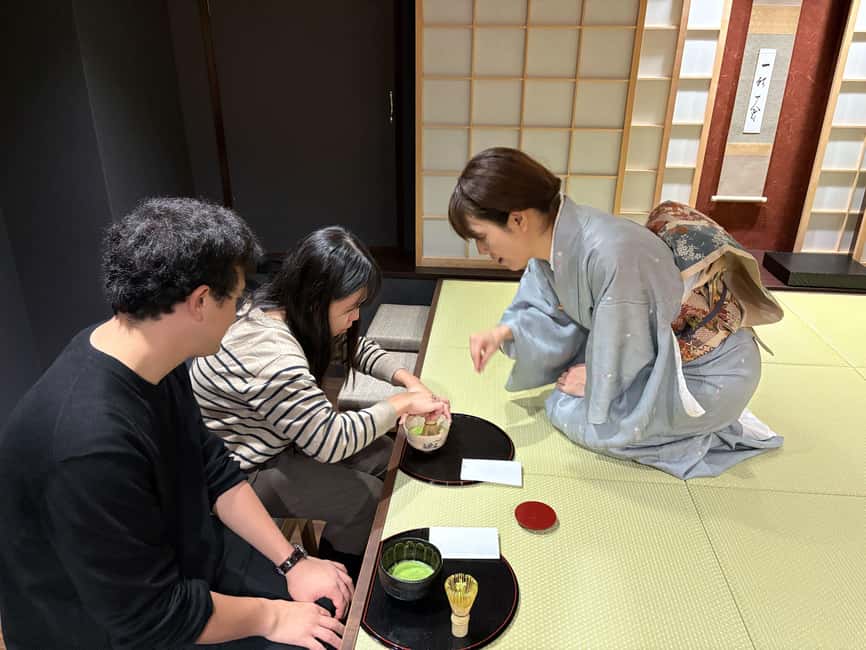
Kyoto can feel like a theme park if you only chase photo stops. This experience is the opposite. It’s slow, quiet, and built around one simple idea: matcha is more than a drink—it’s a small ritual with real rules, and real reasons.
I especially appreciate that it’s set up for comfort. Traditional tea ceremonies often expect floor sitting, which can be rough on knees, hips, and backs. Here, you’re in chairs. That doesn’t make the ceremony less authentic. It just removes one big barrier, so you can focus on what matters: the pacing, the attention, and the taste.
You’ll also get the best mix of learning styles. First you observe the tea master’s technique, then you do your own bowl. That turn—from watching to making—is where the whole experience starts to stick.
You can also read our reviews of more tours and experiences in Kyoto.
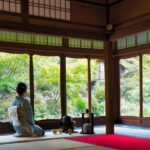
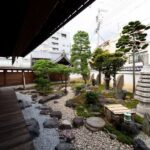
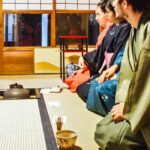
Settling in and watching the tea master’s technique up close
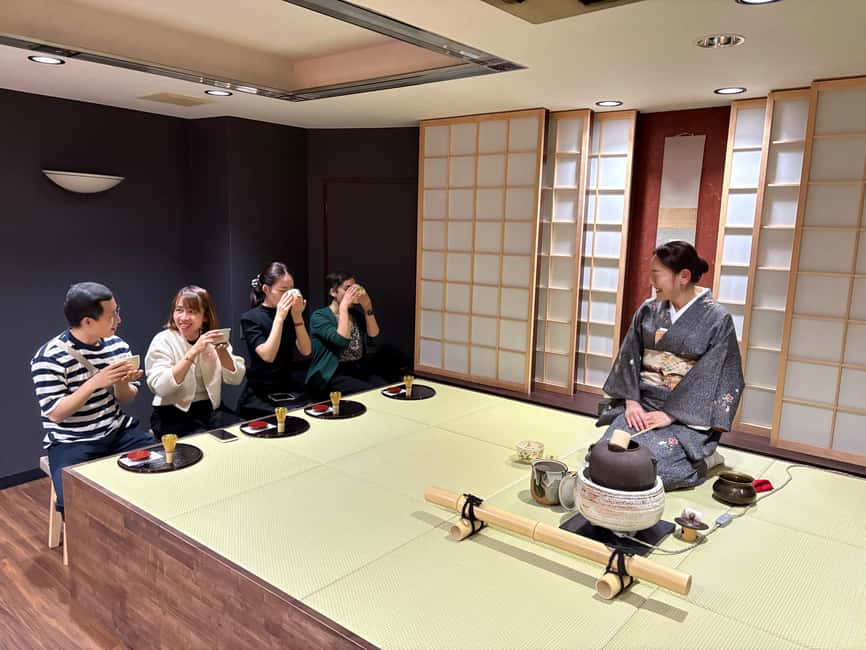
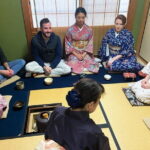
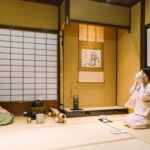
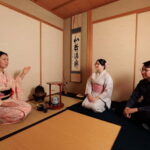
You’ll start in a calm space in historic Gion, where hospitality sets the tone. The tea master shares the history of tea and explains how the Zen philosophy behind the ceremony shapes the way guests are guided. It’s not just facts. It’s an attitude toward stillness, cleanliness, and doing things at the right pace.
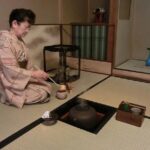
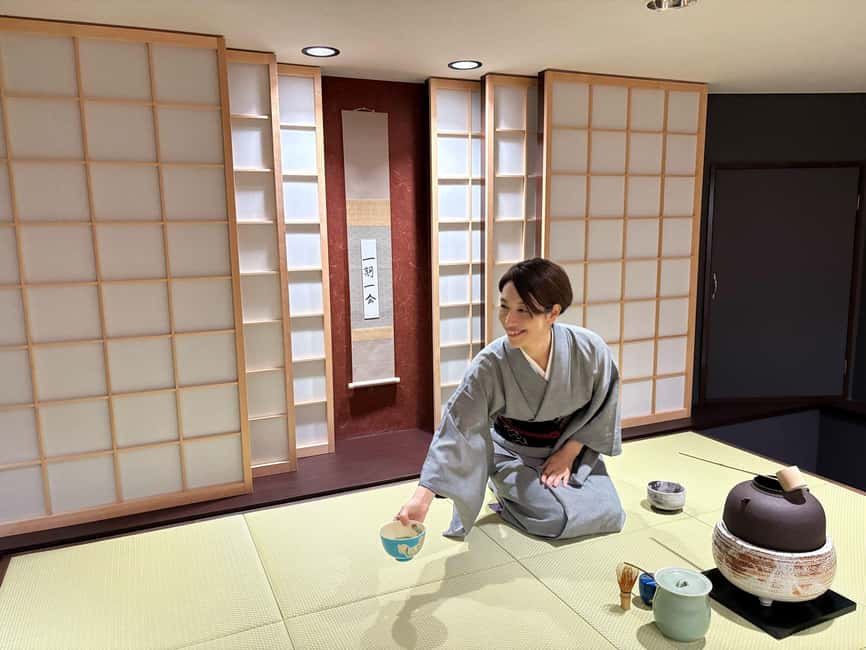
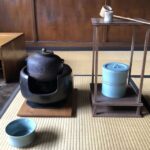
Then comes the moment most people remember: you see the ceremony technique close enough to notice details. You’re not staring at a performance from far away. You’re close enough to pick up the flow—how tools are handled, how the bowl and whisk are used, and how the timing affects the final texture.
One small, real-life benefit: the ceremony rhythm helps you slow down too. Even the hot water setup has a sound that can feel oddly soothing. When the kettle starts up, you often realize you’re holding your breath in the city’s noise—and then you can let it go.
If you’re lucky enough to be with Mai (a tea master name that shows up in past sessions), you’ll likely appreciate how approachable and passionate she is. The explanation style matters here. The goal is not to intimidate you with tradition. It’s to help you understand it.
History and Zen lessons without the stiffness
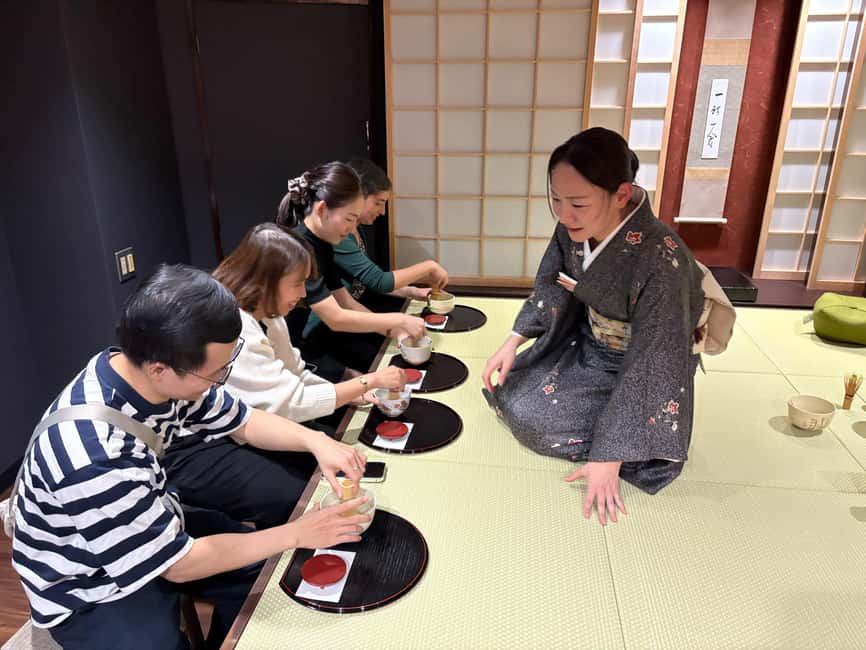
Traditional tea ceremonies can come off as strict, formal, and hard to approach. This one is designed to feel friendly. You still learn the structure, but you’re not treated like you’re intruding on a secret club.
The tea master’s story covers:
- how tea became tied to Japanese culture
- why the ceremony uses a careful sequence of actions
- how Zen thinking influences the mood—simple, focused, and present
What that means for you in practice is confidence. You’re not trying to guess what gesture comes next. You’re learning why each step exists, so the ceremony becomes something you can actually repeat later.
And because the session is guided in English, you can follow the meaning, not just the motion. That’s a huge value in Kyoto, where small misunderstandings can turn a “special moment” into a “tour fact race.”
Matcha 101: making your own bowl in a way that actually works
The second half is the hands-on part: you’ll make your own matcha bowl. This is where the experience earns its keep.
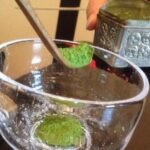
First, you’ll taste matcha as part of the ceremony flow. Then you’ll learn how to mix it properly—especially how to get the right texture. The guidance focuses on practical method, not mysticism. If you’ve ever had matcha that tasted flat or too bitter, you’ll understand why technique matters quickly.
You’ll use matcha powder sourced from a family-run tea farm. That matters because it supports the flavor lesson. If the base is quality, your whisking method can show its results. If the powder is mediocre, technique alone can’t save it. Here, you get the chance to taste what good matcha can be.
Then you do the mixing yourself. Expect coaching through the process so you can leave with a bowl you’d actually want to drink again.
A small but important point: matcha can taste different depending on how it’s mixed and how much foam you get. When you make it yourself, you’ll learn the texture cues—how the surface changes, how it smells, and what a well-mixed bowl should feel like.
Sweets and tea stories: how the ceremony stays comfortable
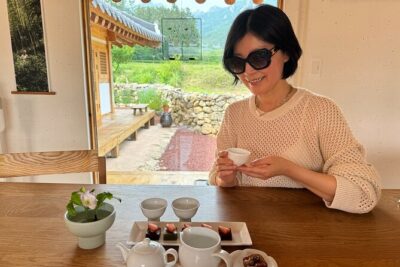
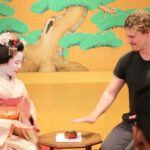
Tea ceremony isn’t only about matcha. You’ll also taste traditional Japanese sweets chosen for the session by the tea master from long-established confectioners.
This part often surprises people in a good way. Sweets in Japan can be intricate and delicate, but here they’re matched to the tea experience rather than served as a sugar break. The pairing helps you focus on balance—sweetness against bitterness, softness against the drink’s intensity.
You’ll also hear stories about tea’s history, adding context to what you taste. It’s the difference between drinking something and understanding why it exists. The stories make the ritual feel connected to real culture, not just tourist activity.
And because this version is intentionally less strict, you can take your time. You don’t need to perform. You just need to pay attention.
The take-home matcha recipe: why you’ll remember this after Kyoto
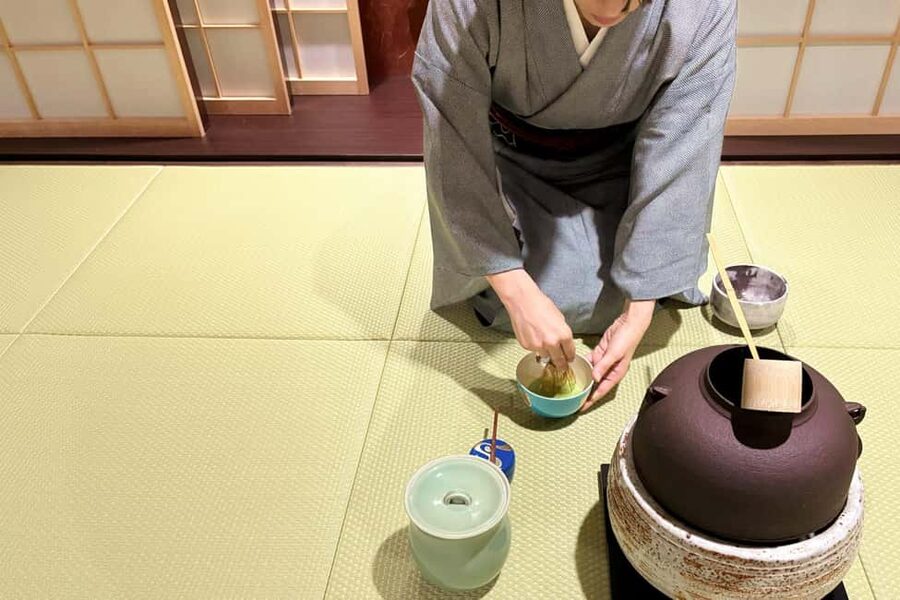
One of the best “post-trip” features is that you get a simple matcha recipe to recreate your matcha at home.
That might sound small, but it’s big value. Many cultural workshops teach you the moment, then leave you stuck when you get back and don’t know what to do differently. Here, you get a method you can actually repeat. The goal is that matcha becomes part of your daily routine, not a one-time souvenir.
Also, the recipe acts like a memory anchor. When you open it later, you’ll remember the sequencing you learned: how to prepare, how to mix, and what to aim for.
Price and value in Kyoto’s Gion
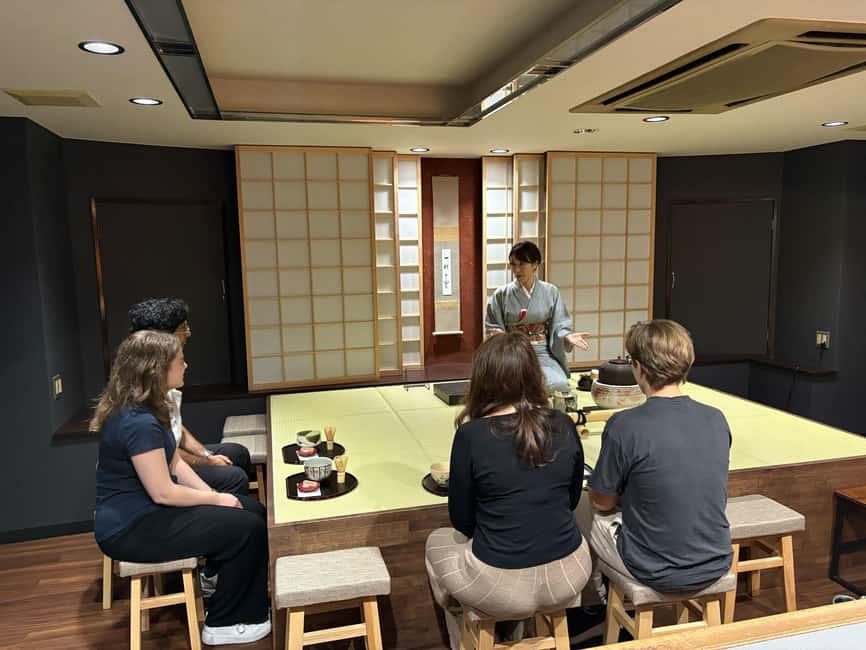
At $22 per person, this sits in an accessible range for what you’re getting: guided tea history, a close-up demonstration, hands-on matcha making, and traditional sweets, plus a take-home recipe.
What you’re paying for isn’t just the drink. It’s the coaching and the cultural translation. In a country where tea tools and steps can look intimidating, having an English-speaking tea master walk you through the meaning and the technique is what turns the price into value.
If you’re deciding between a general matcha tasting and an actual ceremony class, the difference is simple: you leave this one with skills you can repeat.
Also, the small group format matters. You’re less likely to feel rushed or lost when you’re asking questions or getting method corrections.
Timing, duration, and what to expect for your schedule
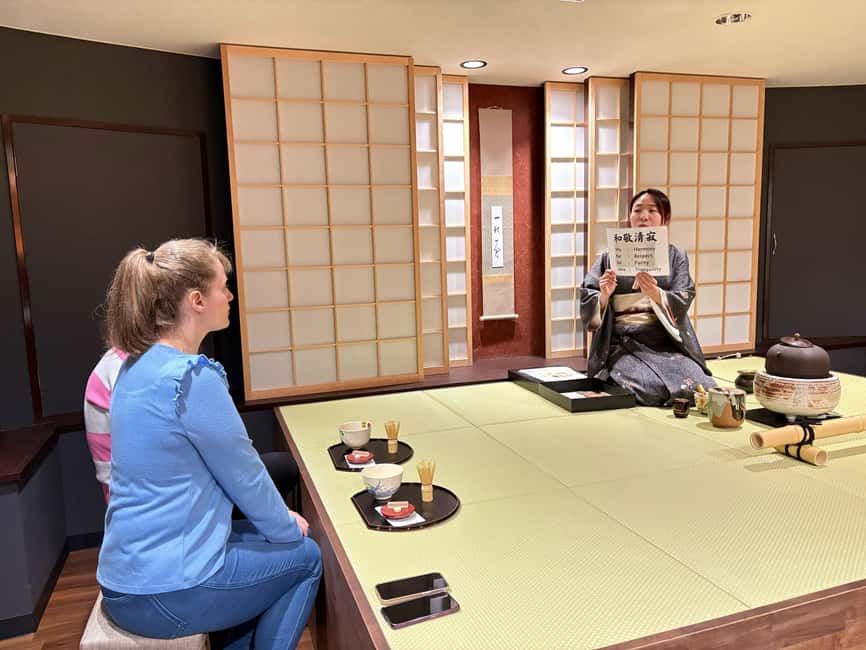
The session length ranges from 1 hour to 150 minutes, depending on the option and timing you choose. The key rhythm stays the same: observe the ceremony, taste sweets, make your own bowl of matcha, then wrap up with Q&A.
If you’re planning your day in Gion, give yourself some breathing room. Kyoto neighborhoods can be slow on foot, and you want time to arrive relaxed. A calm arrival makes everything easier—especially when you’re about to sit and whisk matcha for the first time.
If you choose kimono, note the fixed timing
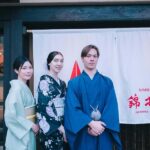
This experience also has a kimono option (via Kimono Rental wargo Gion). The important part is that your tea ceremony time is fixed based on your kimono start time. You’ll need to:
- arrive about 10 minutes before your ceremony
- follow the schedule linked to your kimono start time
- return the kimono by 5:30pm
If you like planning your day carefully, the fixed schedule can actually help. You’ll just want to build your route and timing around it.
Who this Kyoto tea ceremony suits best (and who might skip it)
This is a great fit if you:
- want a calm cultural experience in Gion
- are curious about matcha but don’t know where to start
- want technique coaching you can use again at home
- prefer chair seating over floor sitting
- like a blend of stories, tasting, and hands-on practice
You might want to think twice if:
- you’re traveling with children under 5 (matcha is caffeine-heavy, and the experience notes this clearly)
- you want a high-energy, fast-paced activity (this one moves at ceremony speed)
Should you book this Kyoto tea ceremony?
Yes, if you want a meaningful matcha experience that doesn’t require you to be an expert or a contortionist. You’ll get the best combination of watching technique, making your own bowl, tasting traditional sweets, and leaving with a recipe you can use later.
Book it especially if you value comfort. Chair seating changes the game in Kyoto, where a lot of “traditional” experiences assume your knees and ankles can handle tatami.
If you’re sensitive to caffeine or traveling with very young kids, plan around that limitation. Otherwise, this is one of those Kyoto activities that makes the city feel human, not just scenic.
FAQ
FAQ
How long is the Kyoto tea ceremony experience?
The duration is listed as between 1 hour and 150 minutes, depending on the option and starting time you choose.
What does the $22 price include?
It includes a matcha drink, guidance from the tea master on how to make matcha, a simple recipe to take home, and traditional Japanese sweets selected for the ceremony.
Is the tour taught in English?
Yes. The instructor is listed as English.
Do I have to sit on the floor?
No. This version is offered with chair seating, so you won’t need to sit on tatami.
Will I make my own matcha?
Yes. You’ll watch the tea ceremony techniques, then you’ll make your own bowl of matcha and receive guidance.
Are there any rules for toddlers or infants?
Infants and toddlers are free of charge. If they want to try making tea, they must use their parent or guardian’s matcha cup and will not receive their own matcha to make.
Is matcha suitable for young children?
Matcha is high in caffeine, so it is not recommended for children under age 5.
Does the kimono option change the ceremony timing?
Yes. If you choose kimono, your tea ceremony time is fixed based on your selected kimono start time, and you’ll need to arrive about 10 minutes before the tea ceremony begins.