REVIEW · KYOTO
Kyoto: Tea Ceremony, in traditional Japan house (ENG/ES/NLD)
Book on GetYourGuide →Operated by LAMBDA CUBE LLC · Bookable on GetYourGuide
An hour that turns matcha into meaning. I like the small group size (up to 6) because it leaves room for questions and real eye-level viewing, and I like that you get to whisk your own matcha right after watching the master. One thing to think about: the ceremony usually uses seiza (kneeling), which can get uncomfortable if you have knee issues, though chairs are available if you ask.
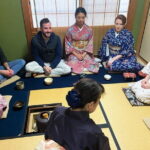
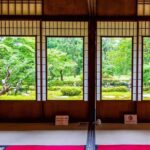
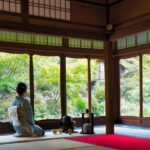
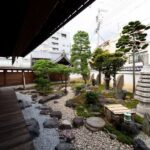
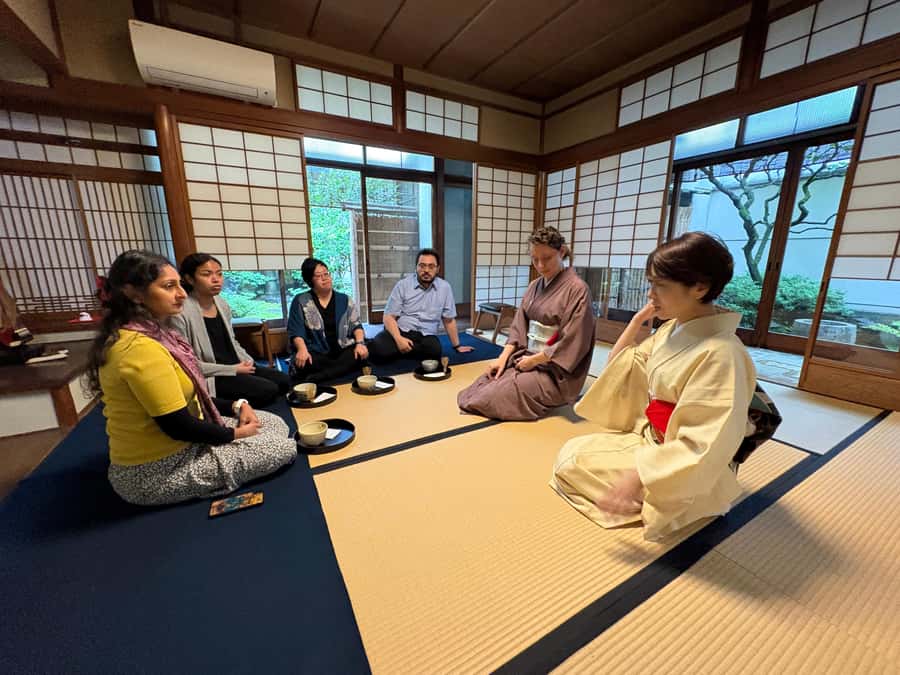
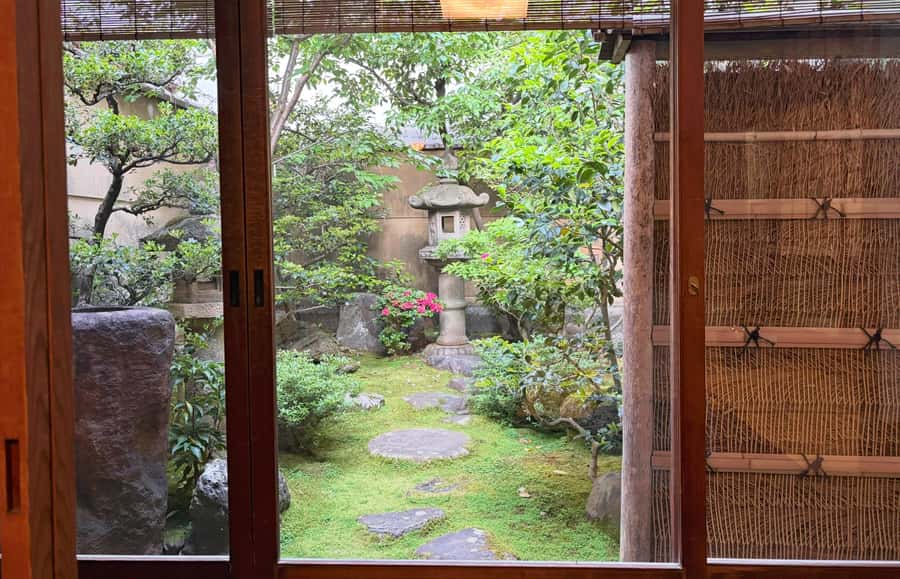
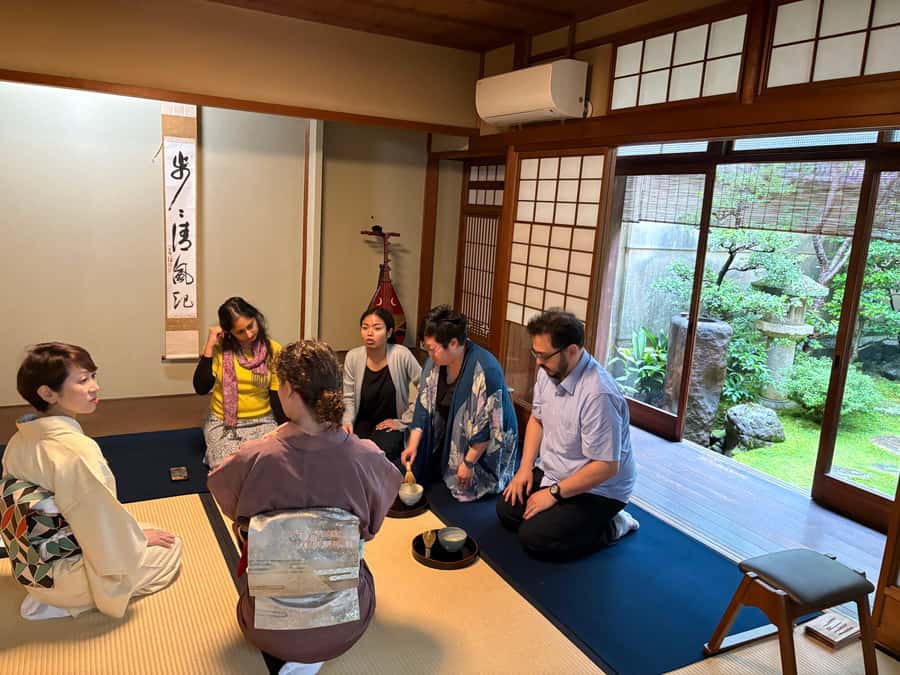
This class happens in a traditional, ~100-year-old house with a small Japanese garden, seasonal flowers, and a hanging scroll with seasonal sayings. The vibe is casual on purpose: you’re not there to perform perfectly, you’re there to understand what you’re seeing.
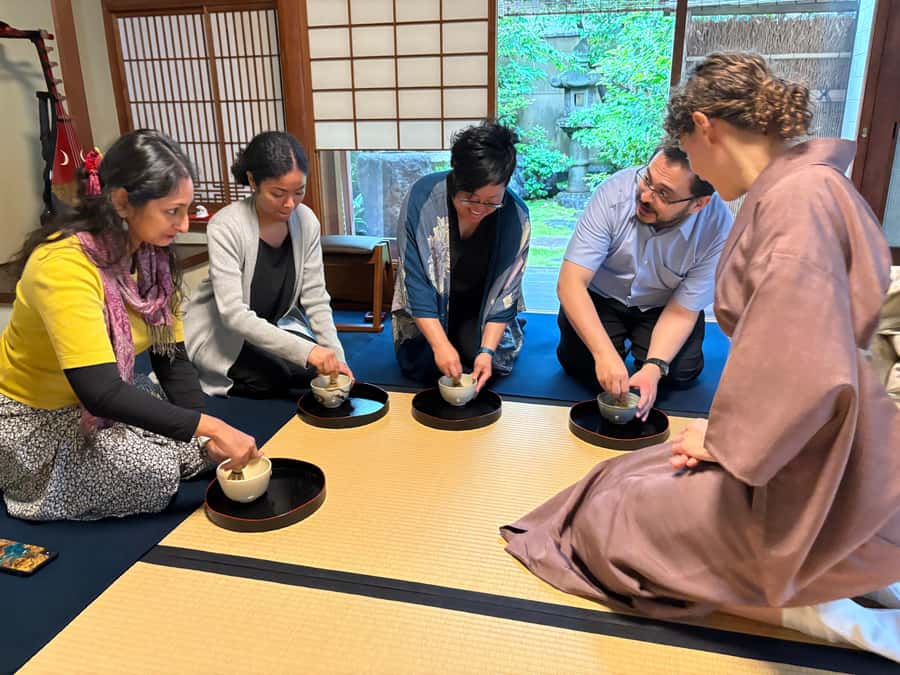
In just 1 hour, you’ll learn the basics of sadō (茶道) / chanoyu (茶の湯), watch the tea ceremony, taste matcha with sweets, and then make your own bowl. English and Dutch speakers are supported, and Spanish is available upon request, with a translator present so you can follow the explanations instead of just copying gestures.
In This Review
- Key things to know before you book this Kyoto tea ceremony
- Entering a 100-year house with a garden view
- What you learn before you ever whisk a bowl
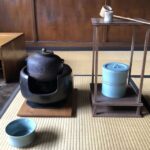
- Watching the ceremony: tools, timing, and etiquette that make sense
- The matcha tasting: two bowls, two different feelings
- Japanese sweets and the anko factor you should plan for
- Caffeine and other room rules that can matter more than you think
- Price and what you’re really paying for at $45
- Meeting point near Shinrenji and Shijo Omiya area
- Who this tea ceremony fits best
- Should you book this Kyoto tea ceremony?
- FAQ
- How long is the Kyoto tea ceremony experience?
- How many people are in the group?
- What’s included in the price?
- Do I get to make my own matcha?
- Is kimono included?
- Do I need to wear socks?
- Are chairs available if I can’t sit on the floor?
- Can I take photos and videos?
- What languages are offered?
- Is this suitable for wheelchair users?
Key things to know before you book this Kyoto tea ceremony
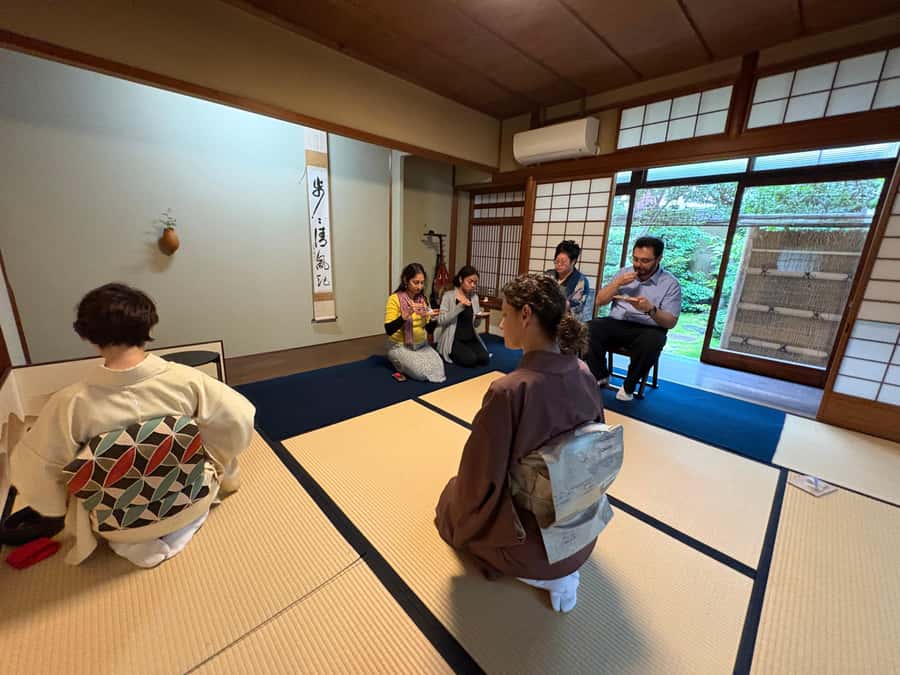
- Up-close, max 6 people: you’ll see the utensils and movements clearly, and questions are welcomed.
- Your own matcha bowl: you taste one prepared by the teacher, then you whisk and serve your own.
- A real traditional setting: a tea room that was part of the original home, with garden views and seasonal decor.
- Seasonal sweets, usually with anko: the dessert changes with the season and is made to order.
- Practical rules for the room: socks are required; bare feet aren’t allowed; no drinks during the ceremony.
Entering a 100-year house with a garden view
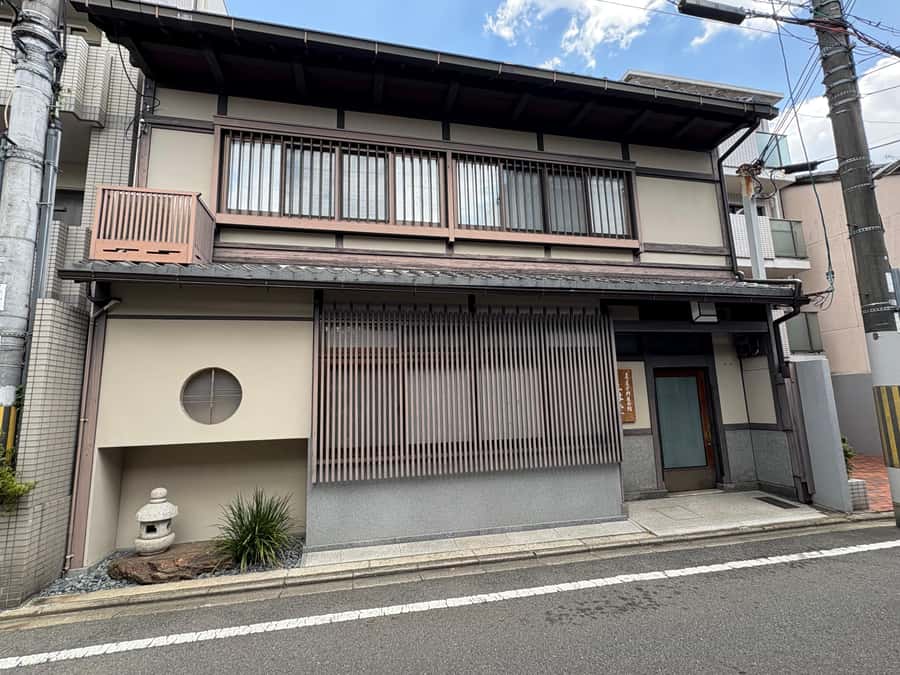
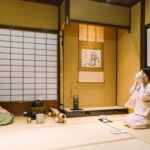
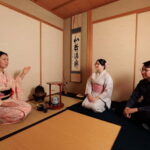
Kyoto’s tea ceremony experience here isn’t staged in a modern classroom. You’ll be in a traditional house that’s about a century old, with a view of a small Japanese garden. The effect is simple but powerful: when you’re sitting in a calm room with seasonal flowers and a hanging scroll, you’re already half-way to understanding why tea ceremony is treated like a way of life, not just a beverage.
The house’s story also gives context. It used to be connected to a family business that sold kimono fabrics, and later it came into possession of the temple across the road. The tea room is described as part of the original home because the owners practiced tea ceremony themselves. That’s the kind of detail that matters, because it means you’re stepping into a space that’s been used for tea—not a space that was built to look like one.
You’ll also notice the room’s seasonal touches. Utensils and sweets change depending on the season, so your experience isn’t identical to someone else’s visit on a different month. If you’re the type who likes travel that changes with time, that’s a plus.
You can also read our reviews of more tours and experiences in Kyoto.
What you learn before you ever whisk a bowl
This is not one of those “watch quietly and be impressed” experiences. Before you see the ceremony, you’ll get an introduction to tea ceremony’s history and usage—and, crucially, what the ceremony room and tea actions are meant to communicate.
Expect the instructor to explain:
- what you’re actually watching during the ceremony
- the significance of the setting and sequence
- how tea ceremony fits into daily cultural values in Japan
The session is led by a Japanese tea ceremony teacher with 50 years of experience, and translation support is built into the class. A native English speaker is there to translate, and a native Spanish speaker can be available upon request. Dutch is also supported. That language support is a big deal. When you understand the meaning behind each step, the ceremony stops feeling like choreography and starts feeling like conversation with tradition.
You can also ask questions in this casual format. That’s one of the biggest “value multipliers” in experiences like this: the more you can clarify, the less you’ll feel lost when the pace and symbolism move faster than your own expectations.
Watching the ceremony: tools, timing, and etiquette that make sense
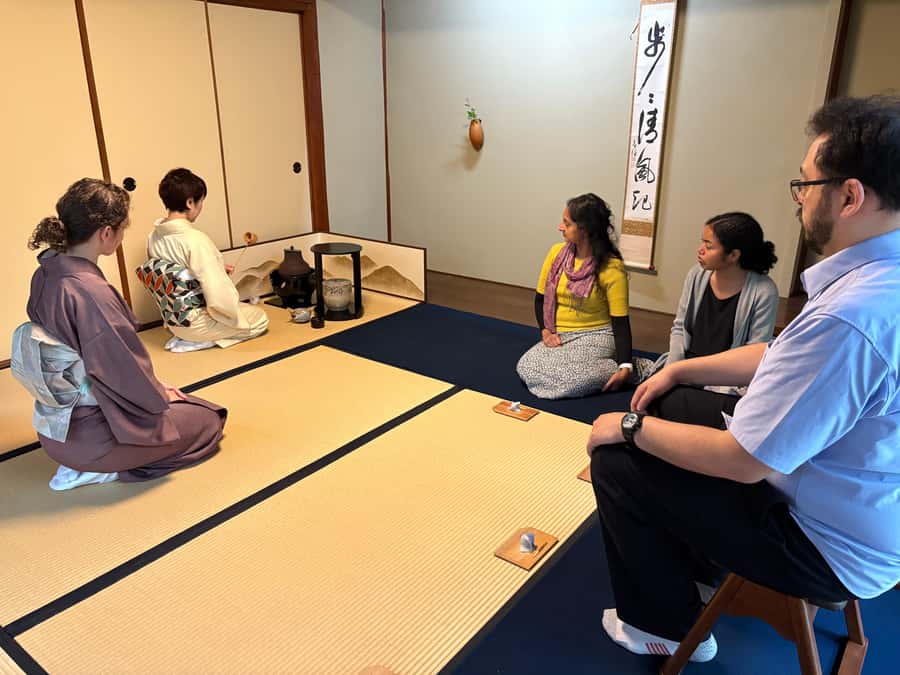
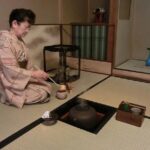
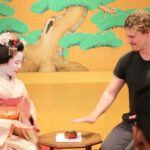
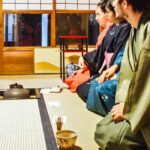
Once the explanation is in place, you’ll watch the ceremony performed by the tea teacher. The goal isn’t perfection on your end—it’s understanding on your end.
A few practical points help you anticipate what the room demands:
- You’ll be sitting on the floor for the tea ceremony.
- The usual position is seiza (kneeling).
- Chairs are available if you need them—just ask.
Seiza can be tiring if you’re not used to it, so I recommend planning like you’re attending a short performance that asks for stillness. Bring socks you feel comfortable in, and don’t treat this as a “quick photo stop.” The ceremony has a rhythm, and part of the learning is recognizing the rhythm.
Also, don’t plan to sip something while you’re learning. Drinks aren’t allowed in the tea ceremony room. That might sound strict, but it keeps the focus on taste and the soundless calm of the setting.
The matcha tasting: two bowls, two different feelings
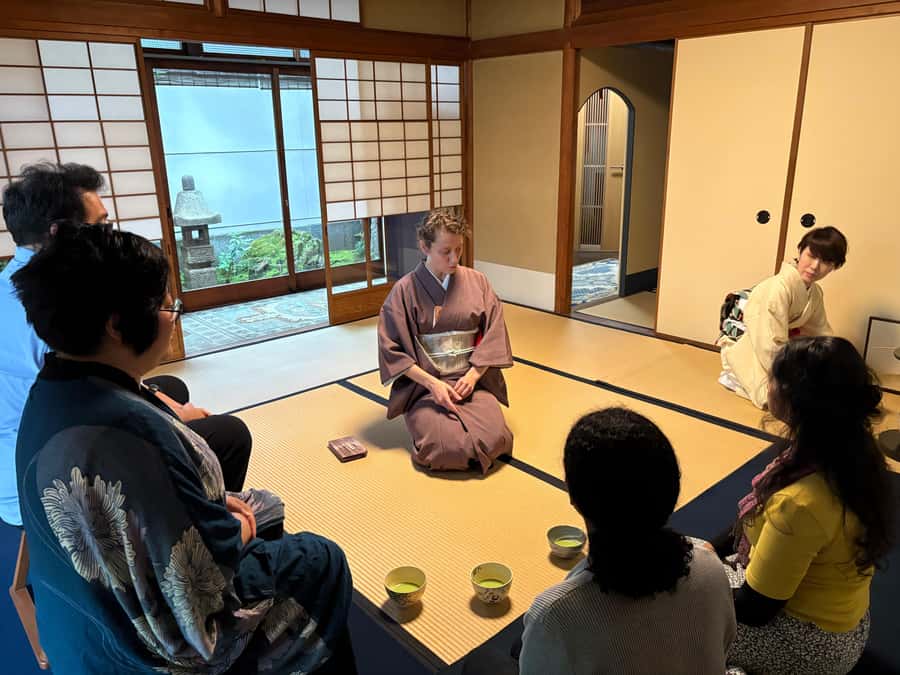
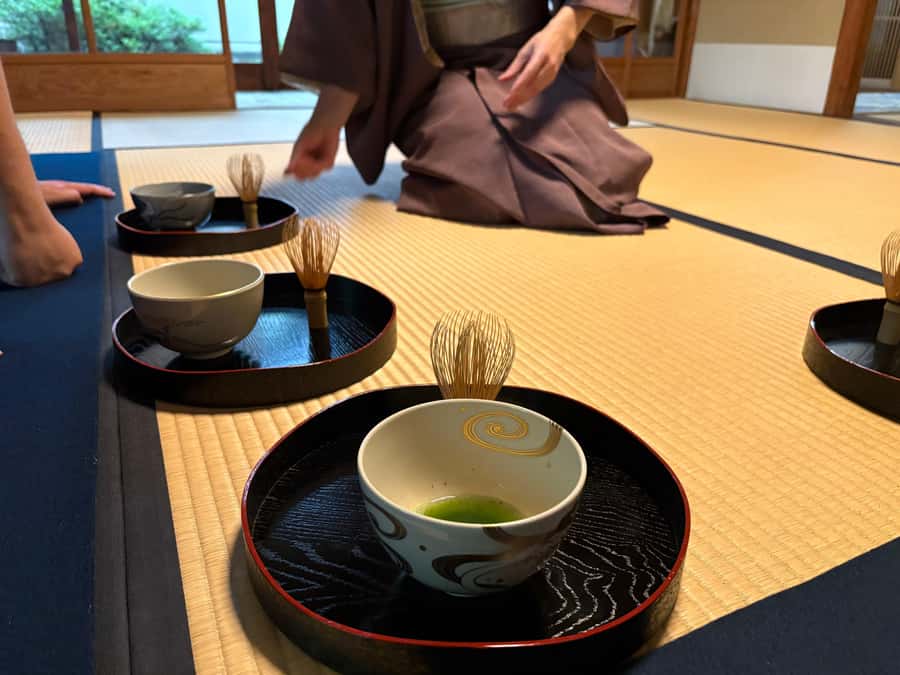
The included tea is one of the clearest reasons this experience feels like good value. You’ll have:
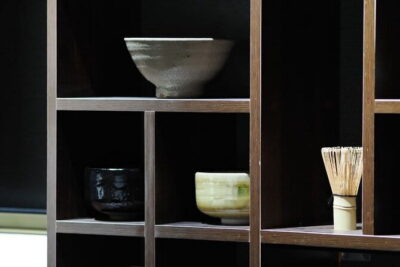
- one matcha bowl prepared by the teacher
- one matcha bowl prepared by you
Before you whisk your own, you taste the teacher’s bowl along with Japanese sweets. Then, after watching the process, you’ll whisk your own matcha.
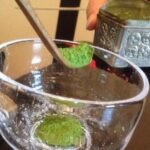
Whisking is harder than it looks. Matcha isn’t just a drink you mix—it’s a texture you create. Even if your first attempt isn’t perfect, you’ll learn what to look for: the feel of the motion, the importance of timing, and how technique affects foam and consistency. That’s exactly what makes this session more than a passive cultural show.
You’re free to take pictures and videos during the ceremony. So if you want to remember the utensils, the gestures, or the seasonal setting, you won’t be stuck with no photos.
Japanese sweets and the anko factor you should plan for
You’ll receive Japanese sweets with your matcha. The important detail: the sweets change with the season, and most of them will contain anko (sweet red bean paste). They’re made to order, and no other sweets are available.
So if you don’t like anko, this is one of the few parts of the experience that can genuinely affect your enjoyment. If anko is fine for you, this is a nice pairing because tea ceremony sweets are designed to support the taste of the matcha rather than overwhelm it.
Also note the number of sweets included: you’ll have one seasonal sweet and one small sweet. That means you’re not just offered a token bite—you get enough to notice how the flavor changes throughout the experience.
Caffeine and other room rules that can matter more than you think
Matcha contains a high amount of caffeine. If you cannot have caffeine for medical reasons, you won’t be able to consume the matcha tea. Since the experience includes matcha as a core part, that’s not a minor note.
There are also simple room rules that prevent the experience from becoming messy:
- Socks are required (and bare feet aren’t allowed).
- Socks are not included, so bring your own.
- Drinks are not allowed in the ceremony room.
These rules might seem small, but they affect comfort and participation. If you forget socks, you’ll be stuck figuring out a workaround in a setting where everyone else is following the etiquette.
Price and what you’re really paying for at $45
At $45 per person for a 1-hour experience, you’re paying for more than “someone explains tea.” You’re paying for:
- a private, personal format with a small maximum group size (up to 6)
- a tea teacher with decades of experience
- translation support (English/Dutch, Spanish upon request)
- two bowls of matcha (one served by the teacher, one made by you)
- two Japanese sweets (seasonal and small)
That combination is where the value comes from. Many tea experiences let you watch and taste. Here, you actively do the whisking, which turns the hour into a skill practice. And since the group is small, you’re less likely to be squeezed into the back row where you can’t see the utensils or where questions get ignored.
One scheduling detail to keep in mind: the session is planned for 6 people. If fewer people join your time slot, the ceremony may end sooner, because preparing tea for 2 takes less time than for 6. In other words, you might get the “best parts” in a shorter window. That can be a plus if you’re tight on time.
Meeting point near Shinrenji and Shijo Omiya area
The meeting point is across from the temple Shinrenji, marked as the meeting point. You’ll look for someone holding a tablet with the GetYourGuide logo. If you prefer map navigation, the coordinates listed are 35.0057967, 135.7493371.
This location matters because it puts you close to the Hankyu-Omiya/Shijo Omiya bus stop area, roughly a 5-minute walk from there. For Kyoto, that kind of convenience helps. Tea ceremony experiences often start on time, and you don’t want to burn your calm hour fighting transit timing.
Who this tea ceremony fits best
This experience is ideal if you:
- want a small-group, question-friendly class rather than a crowd performance
- care about understanding what you’re seeing (history, room meaning, sequence)
- like hands-on travel where you practice something, not just watch it
It also works well for families in at least some situations. One review mentioned the team was kind even with a baby present. That suggests the instructor and staff are used to adapting the atmosphere so people can participate comfortably.
It’s less ideal if you:
- need wheelchair access (wheelchair users are listed as not suitable)
- need to avoid caffeine entirely (matcha is included and not consumable if caffeine is a no-go)
Should you book this Kyoto tea ceremony?
I think you should book this if you want a tea ceremony that’s calm, personal, and practical. The key reasons are simple: small group size, real explanation (not just motion), and the fact that you whisk your own matcha instead of leaving with only photos.
If you know you’ll struggle with kneeling in seiza, plan ahead and request a chair. If anko is a deal-breaker for you, consider that most sweets here include it. And if caffeine is medically off-limits, this may not fit.
If those points line up with your needs, you’ll likely leave with something more useful than a souvenir: a clearer sense of why tea ceremony has the reputation it does, plus the muscle memory of whisking matcha in the correct setting.
FAQ
How long is the Kyoto tea ceremony experience?
It lasts 1 hour.
How many people are in the group?
The group is limited to a maximum of 6 participants.
What’s included in the price?
Tea ceremony, two bowls of matcha (one prepared by the teacher and one prepared by you), and two Japanese sweets (one seasonal and one small).
Do I get to make my own matcha?
Yes. You’ll whisk your own bowl of matcha after watching the ceremony.
Is kimono included?
No, kimono is not included.
Do I need to wear socks?
Yes. Socks are required, and bare feet are not allowed in the tea ceremony room.
Are chairs available if I can’t sit on the floor?
Chairs are available upon request.
Can I take photos and videos?
Yes, you are free to take pictures and videos.
What languages are offered?
The experience supports English and Dutch speakers, and Spanish is available upon request.
Is this suitable for wheelchair users?
No, wheelchair users are listed as not suitable for this experience.