REVIEW · KYOTO
Cycling Tour at Uji’s Matcha Green Tea Fields and Heritage
Book on GetYourGuide →Operated by AWA-RE Inc. · Bookable on GetYourGuide
Matcha country sounds simple, until you ride it. This tour turns Uji into a calm cycling day with temples, tea stops, and a surprisingly quiet riverside route that you won’t find on your own. I like the small group feel and the relaxed pace, and I also love that you get to mix heritage sights with real tea-world shopping and food.
One thing I especially like is the way it’s designed for easier sightseeing: you cycle slowly, the navigator sets the tempo, and the bike setup means you don’t need to wrestle with luggage or rental gear. Another big plus is the matcha focus, from tea culture at Chazuna to tastings and guidance for buying matcha powder to take home.
A possible drawback to plan for: some of the biggest stops can have optional entrance fees (Chazuna and Byodoin Phoenix Hall), and snacks are not included in the base price.
In This Review
- Key things I’d pay attention to
- Why Uji’s matcha story feels different when you move slowly
- Getting started at the Tea Jar post (and what the navigator really adds)
- The Chazuna tea start: setting the tone before the shrines
- Shrine hopping at a human pace: Uji Shrine and Ujigami Shrine
- Uji Kosho-ji Temple: where the day turns contemplative
- The Uji River ride: the most relaxing part of the tour
- Tō-no-shima Island: the scenic pause that makes the ride feel complete
- Byodoin Phoenix Hall: the UNESCO anchor at the end
- Uji snacks and matcha shopping: turning the tour into take-home value
- Price and value: what $160 buys you (and what it doesn’t)
- Who this tour suits best
- Should you book this Uji Brompton tour?
- FAQ
- How long is the Uji cycling tour?
- Where do I meet the navigator with the BROMPTON bike?
- What’s the group size?
- What’s included in the $160 price?
- Are snacks included?
- Do I need to pay for Chazuna or Byodoin Phoenix Hall?
- Can I cancel and get a full refund?
Key things I’d pay attention to
- Brompton-style riding in a heritage town: a comfy, controlled way to see Uji beyond the main tourist lanes.
- A guide-led, quiet Uji River stretch: scenic photos with less crowd pressure.
- Tea-world stops before the temples: Chazuna and specialty matcha shopping fit naturally into the route.
- Multiple shrines and a temple in a calm order: you’re not sprinting from gate to gate.
- Byodoin Phoenix Hall as the UNESCO finish: the day culminates with a major historic highlight.
- Easy logistics: helmets and transport bags are provided, plus an English-speaking navigator.
Why Uji’s matcha story feels different when you move slowly
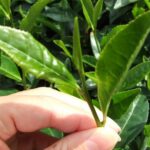
Uji sits south of Kyoto and has a serious reputation for matcha—not as a souvenir word, but as part of daily life. What I like about doing Uji by bike is that the town’s tea identity doesn’t feel like a side quest. It feels like the main thread tying together shrines, old villas, and the river route in between.
This is also a smart way to experience the tempo of the area. Instead of rushing through historic sites on foot, you glide along at a pace that lets you stop, look, and take photos when something catches your eye. The tour time is 270 minutes, which is long enough to feel like a full outing, but structured so you’re not exhausted at the end.
And yes, the bike matters. Riding a BROMPTON is a fun, stylish way to travel, and it makes the day feel modern even though you’re surrounded by centuries of history.
You can also read our reviews of more tours and experiences in Kyoto.
Getting started at the Tea Jar post (and what the navigator really adds)
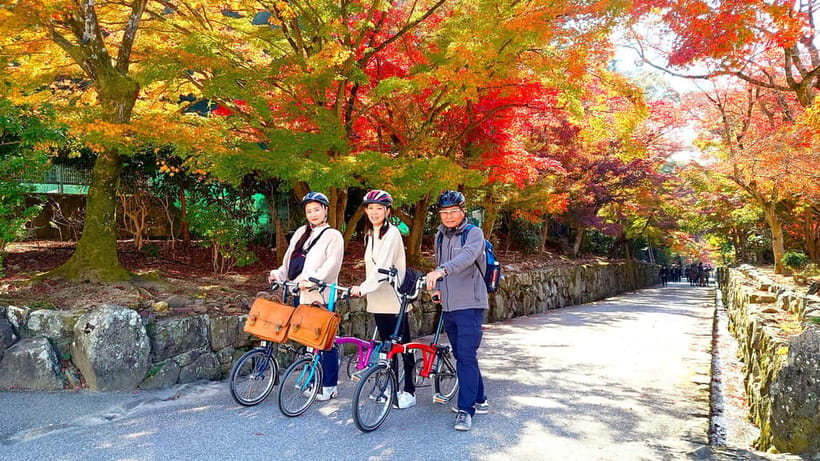
You meet a navigator with a Brompton bike just outside JR Uji Station, in front of the Tea Jar post. That matters because it cuts the mental work. You don’t need to figure out where to begin, which route is best, or how to connect temple areas with tea shops.
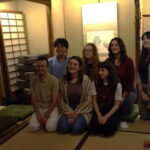
The tour runs as a small group capped at 6 participants. In practice, that usually means you get more personal attention and fewer stop-and-start delays. The guide is live and speaks English (with Japanese also available), so tea explanations and site context are less likely to turn into vague sightseeing.
One standout from the experience you’re buying is the local knowledge. The route includes a quiet part of the Uji River that many people never reach, and the guide can adjust the course based on your wishes. If you want more photos, more tea time, or a slower rhythm, you’re not stuck in a rigid script.
The Chazuna tea start: setting the tone before the shrines
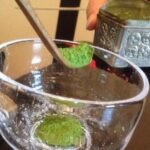
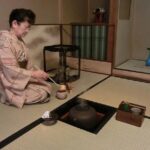
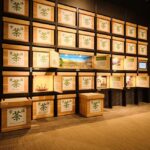
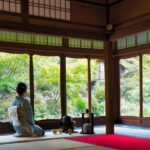
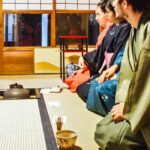
Right after you roll out, you start with a tea-culture stop at Chazuna, around 30 minutes of time in this early segment. This is where the day stops feeling like simple sightseeing and starts feeling like understanding. You’ll get context for how tea culture connects to the area, and the experience is built for both first-timers and tea-curious travelers.
Chazuna also has an optional entrance fee (listed as 600 yen). If you’re the type who likes to know what you’re seeing—how matcha fits into history and production—you’ll probably consider the ticket worth it. If you just want the vibe and don’t care as much about museum-style explanations, you can still enjoy the rhythm of the stop without overcommitting.
The best part is that it’s a calm start. You’re not dropped into the most crowded temple zones immediately. You ease into the day, and you’re ready to appreciate what comes next.
Shrine hopping at a human pace: Uji Shrine and Ujigami Shrine
After Chazuna, the route moves into shrine territory, with stops at Uji Shrine (about 20 minutes) and Ujigami Shrine (about 20 minutes). These aren’t just photo backdrops. The order and timing are what make them feel meaningful rather than rushed.
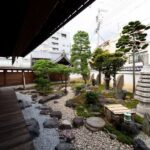
The practical benefit is that riding slows the day down naturally. You get time to notice small details: shrine grounds, stone paths, and the way people move through the area. You’ll also have a guide to help translate what matters about each place so you don’t leave with a list of names but no sense of why they’re there.
One consideration: shrines can involve some walking on uneven ground once you park the bikes. The tour is described as slow cycling and friendly for travelers who aren’t confident about fitness, but you should still be comfortable with short, easy strolls in temple and shrine areas.
Uji Kosho-ji Temple: where the day turns contemplative
Next comes Uji Kosho-ji Temple (about 20 minutes). This is another “small block” stop in the schedule, which is actually a good design choice. When you’re cycling, long museum-like visits can feel like you’re breaking the day’s flow. Shorter temple time keeps your energy for the scenic riding later.
This segment also helps you understand Uji as a living religious landscape, not only as tea production. Even if you’re not a temple superfan, a stop like this gives you a fuller picture of why the area developed the way it did over the last millennium.
The Uji River ride: the most relaxing part of the tour
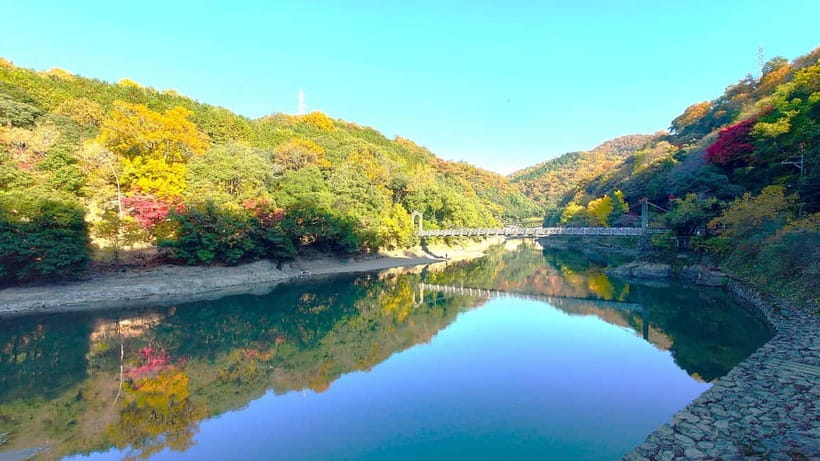
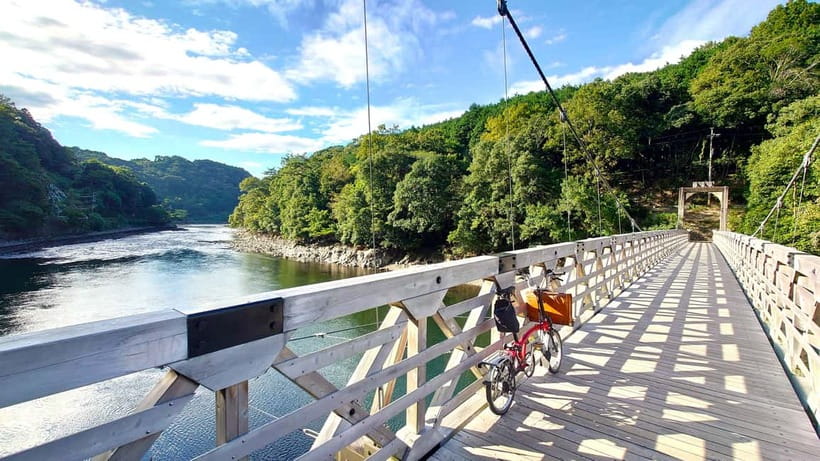
If you want the standout moment of the day, it’s the Uji River section (about 30 minutes). This is a quiet course that’s described as unknown to tourists, and that’s exactly why it works. You get open views, calmer streets, and easier photo opportunities without fighting for position.
Riding along the river is also a mental break. The day is about heritage, but the river segment lets your brain stop trying to memorize facts and just enjoy the scenery and the motion. Several highlights from past participants focus on this riverside stretch as the favorite part, especially for how peaceful it feels.
Also, the guide’s presence counts here. They keep the pace steady and safe, and they help you avoid the stress that can come from navigating locally on your own. If you’re a slow rider, you’re not punished for it. The schedule is designed to support a relaxed rhythm.
Tō-no-shima Island: the scenic pause that makes the ride feel complete
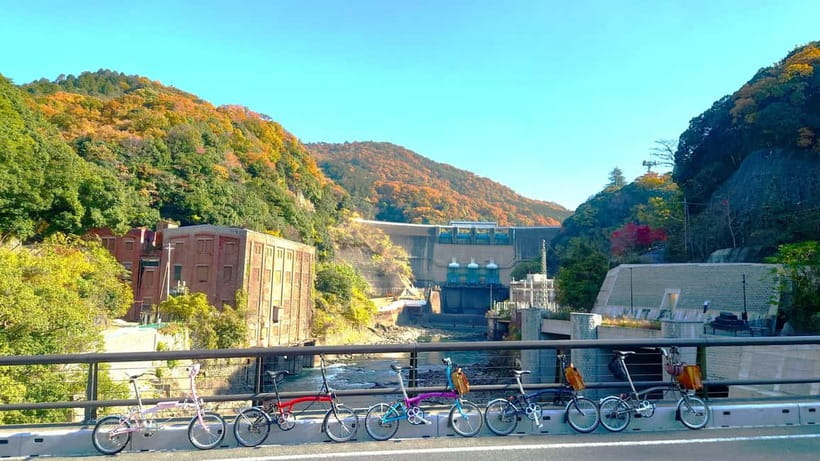
After the river segment, you continue to Tō-no-shima Island (about 30 minutes). This is where Uji starts feeling less like a stop list and more like a journey. The island stop adds variety, and it breaks up the morning’s temple/shrine density with a more scenic, open-feeling segment.
This isn’t a “rush through and out” type of stop. The timeframe gives you a chance to take in views, get photos, and reset. If you like travel days that feel like they have a clear emotional arc—tea culture, sacred sites, then calm scenery—this island segment fits the story nicely.
Byodoin Phoenix Hall: the UNESCO anchor at the end
The day’s big finish is Byodoin Temple with time for the Phoenix Hall (about 1 hour). This is the UNESCO World Heritage site that puts Uji on the map for serious history lovers.
Practically, placing this later is a smart pacing move. By the time you reach Byodoin, you’ve already absorbed the idea that Uji is both tea country and heritage country. So when you arrive, it lands harder.
One cost consideration: Byodoin Phoenix Hall entrance fees are optional and listed as 700 yen. Whether you pay depends on how important you want the full historic interior experience to be. If you want the complete UNESCO moment, budget for it. If you’re mainly there for exterior impressions and general context, you might decide to skip and focus on photos and explanations.
The guide also helps you make sense of what you’re seeing, so you don’t stand in front of a famous building and wonder what you should notice.
Uji snacks and matcha shopping: turning the tour into take-home value
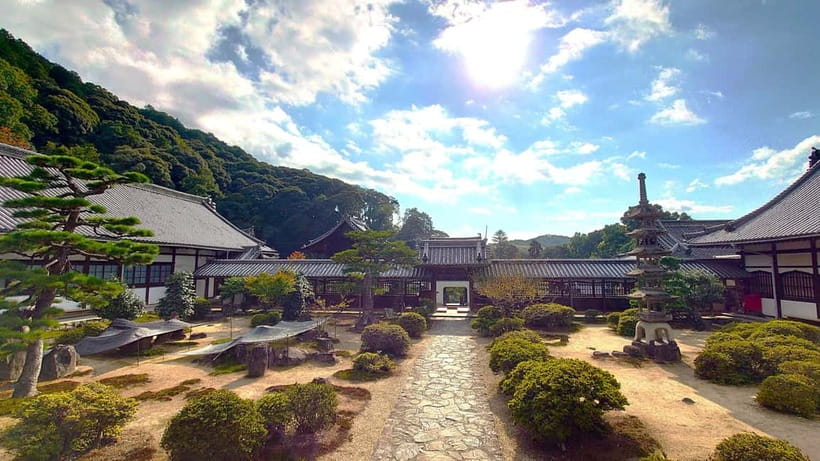
After Byodoin, you end with time in Uji for local snacks (about 30 minutes). Snacks are not included, but the navigator will suggest restaurant options based on your preferences. This matters because “what to eat” in Japan can feel intimidating if you don’t read menus quickly. Having a local point you toward something fitting your tastes is real value.
Matcha shopping is another major reason people enjoy this tour. The tea theme isn’t just talk. The experience is built around local tea culture, including guidance on where to buy matcha powder to take home. That means your trip doesn’t end when the bike does. You get ingredients you can actually use later.
If you have dietary restrictions or strong preferences, tell the guide early. The tour format is designed to be relaxed and adjustable, so you’re more likely to get options that work for you.
Price and value: what $160 buys you (and what it doesn’t)
At $160 per person for 270 minutes, this tour isn’t the cheapest way to see Uji. But it’s also not “pay extra for nothing.” You’re paying for a whole bundle: the Brompton rental, a private navigator fee, bicycle equipment like helmets and transport bags, plus an English-speaking guide.
Here’s where the value really shows up:
- You don’t need to arrange bike logistics on your own.
- You get guided context at temples and tea stops.
- You get access to a quieter riverside route that’s hard to recreate without local knowledge.
What you should budget for separately:
- Optional insurance (listed as 500 yen).
- Optional entrance fees: Chazuna (600 yen) and Byodoin Phoenix Hall (700 yen).
- Snacks, which are suggested but not included.
If you’re the kind of traveler who hates “DIY friction”—finding routes, translating everything, and guessing what’s worth your time—this price can feel fair fast. If you already know Uji well and plan to pay for museums and entrances anyway, you might compare this to renting a bike solo. Still, the guide’s route choices and the tea-and-history pairing are hard to replicate.
Who this tour suits best
This is a great fit if you want:
- a calm day that blends tea culture with major heritage sites
- cycling that’s slow and paced for comfort
- guided English explanations and local food suggestions
- a small group day rather than a crowded tour bus vibe
It’s especially good for first-timers to Uji who also want a deeper sense of place—past the main temple photos—without getting stuck doing lots of heavy walking.
If you’re a confident long-distance cyclist and want to maximize miles, you might find the pace more leisurely than you want. But if your goal is meaningful sightseeing with comfort, this is the right style.
Should you book this Uji Brompton tour?
I’d book it if you want Uji to feel peaceful and well explained, with the Uji River ride and the Byodoin finish doing the heavy lifting for you. It’s a strong choice for travelers who care about matcha culture as something more than a drink, and who would rather have a guide handle the connections.
I’d think twice if you’re trying to keep expenses ultra-tight, because optional entrance tickets and snacks can add up. Also, if you only want one or two landmark sites and you’d rather spend the whole day on your own agenda, a self-guided approach might be better.
FAQ
How long is the Uji cycling tour?
The tour duration is 270 minutes.
Where do I meet the navigator with the BROMPTON bike?
You can find the navigator in front of the Tea Jar post, just outside JR Uji Station.
What’s the group size?
The tour is a small group limited to 6 participants.
What’s included in the $160 price?
Included are the bicycle rental fee, the exclusive navigator fee, bicycle equipment such as helmets and bags for wheeled transport, and an English guide.
Are snacks included?
No. Snacks are not included, but the accompanying navigator will suggest restaurants for refreshments based on your wishes.
Do I need to pay for Chazuna or Byodoin Phoenix Hall?
Entrance fees are listed as optional: Chazuna entrance fee is option 600 yen, and Byodoin Phoenix Hall entrance fee is option 700 yen.
Can I cancel and get a full refund?
Yes. You can cancel up to 24 hours in advance for a full refund.