REVIEW · TOKYO
Tokyo: Tea Ceremony & Japanese Sweets Making
Book on Viator →Operated by Local Guide Stars · Bookable on Viator
Whisk matcha, shape wagashi in Tokyo. This Tokyo experience pairs a traditional tea ceremony (Otemae) demonstration with hands-on matcha brewing, then lets you make a seasonal Japanese sweet to match your cup.
I love that the whole flow is guided in clear English by an expert host. I also like the practical mix of skills: you learn matcha basics, taste your own result, and craft your own sweet rather than just watching.
One possible drawback: the class runs about one hour, so it’s more of a taste-and-learn session than a long, slow training course.
In This Review
- Key things to love about this Tokyo matcha and sweets class
- Tokyo matcha and wagashi in one hour: what you’re really buying
- Where the experience starts in Hakusan (Bunkyo City)
- The Otemae-style tea ceremony: what to watch for
- Brew your own matcha: the step where it becomes real
- Japanese sweets making: designing seasonal wagashi to eat with your matcha
- Timing and pace: the “about 1 hour” format
- English guidance and group size: easier questions, calmer learning
- Value check: is $32.58 worth it?
- Who should book this Tokyo tea ceremony class
- Should you book? My practical take
- FAQ
- How long is the Tokyo tea ceremony and sweets making experience?
- Where does the tour meet, and where do you end?
- Is the class in English?
- How big is the group?
- Do I get a ticket on my phone?
- What’s the booking and confirmation process like?
Key things to love about this Tokyo matcha and sweets class
- Tea master guidance (10+ years): learn the steps with real craft behind it
- Otemae-style demonstration: watch how the ceremony is performed
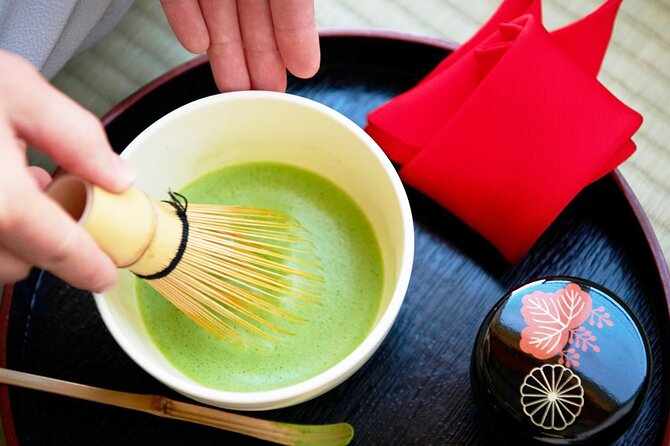
- Brew your own matcha: you’ll make and taste, not just observe
- Seasonal Japanese sweets workshop: you design your own sweet
- Maximum 10 people: small-group feel for better attention and questions
- Mobile ticket: simple, easy check-in process
Tokyo matcha and wagashi in one hour: what you’re really buying
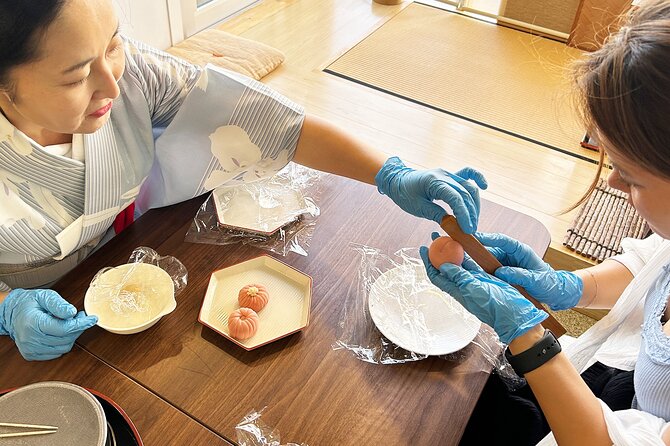
For about $32.58 per person, you’re not just paying for a show. You’re paying for three things that usually take multiple stops to piece together: a guided tea ceremony experience, hands-on matcha preparation, and a sweets-making session where you design something seasonal to eat right there.
In plain terms, you get a full mini-lesson in how matcha and Japanese sweets play well together. The tea is the focus, but the sweet matters too because it changes how the flavors land on your palate. If you’ve ever had matcha and wondered why it tastes different from place to place, this kind of guided, step-by-step class is exactly the reason.
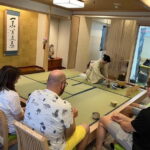
The class also has a small-group ceiling (max 10). That matters more than you might think. When people aren’t packed in, the host can slow down for questions, and you’re more likely to feel confident while you’re making matcha and assembling your sweet.
You can also read our reviews of more tours and experiences in Tokyo.
Where the experience starts in Hakusan (Bunkyo City)
Your meeting point is in Bunkyo City, Hakusan, at VaLerio LuanaJapan, 1-chōme 26-17 Fil Park Hakusan Hills, 2nd floor. It’s listed as near public transportation, which is a lifesaver in Tokyo—getting to the right building on the right floor can still be tricky, even when stations are close.
A practical tip: plan to arrive a few minutes early. This start location is a specific training gym address, not a big landmark you can spot from a distance. If you’ve got your phone navigation ready and the address copied, you’ll avoid that last-minute scramble that ruins the calm mood of a tea class.
Also note the experience ends back at the same meeting point. That makes it easy to slot into a day without a long commute afterward.
The Otemae-style tea ceremony: what to watch for
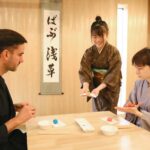
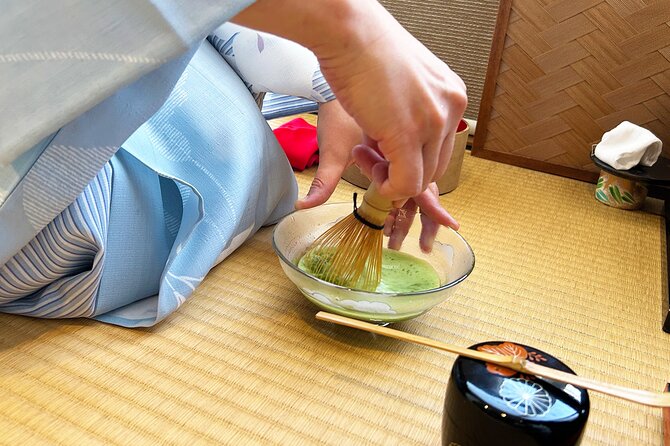
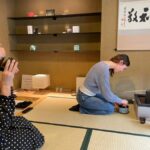
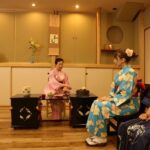
Before you touch anything, you’ll watch a traditional Otemae demonstration guided by a tea master with 10+ years of experience. Even if you don’t know the language of tea ceremonies, the value here is in the pacing and the order.
In a well-run ceremony, each step is doing a job:
- It helps keep the tea-making process consistent.
- It sets the mood so the matcha tastes the way it’s meant to.
- It turns a snack into an experience, because you’re paying attention.
You’ll learn from an instructor who has lived with these techniques long enough to explain why they matter. That’s the difference between a basic demo and something that feels authentic. The host guides in clear English, so you’re not left guessing what you’re seeing.
If you’re the type who likes to know what’s happening and why, you’ll appreciate that part of the session: watching the ceremony gives you a mental template to copy when it’s your turn.
Brew your own matcha: the step where it becomes real
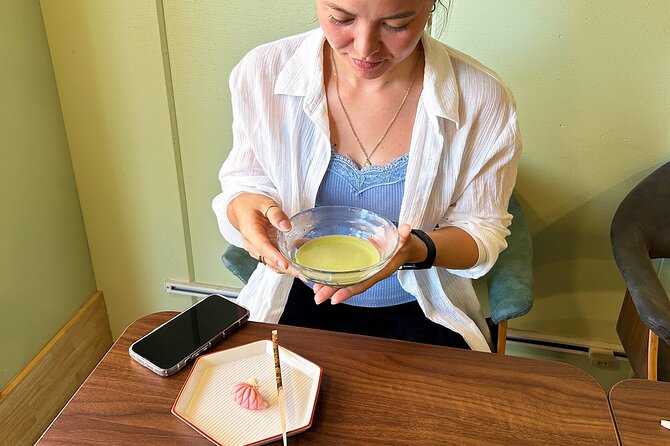
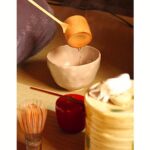
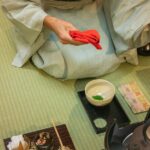
Then you’ll brew your own matcha. This is the part I’d call the heart of the experience. Watching tea is nice. Drinking tea you made is different.
You’ll follow instruction and learn the basics of matcha preparation from the tea master. While the exact technique isn’t spelled out in the tour details, the overall expectation is simple: you’ll actively make a matcha cup and then taste it.
This is also where the class’s small-group size helps. If something feels off—like the look or taste isn’t what you expected—you’re more likely to get quick help before the moment passes. Matcha is sensitive to how it’s mixed and served, so even a short session can teach you something useful.
One more thing: tasting your own cup ties the lesson together. You don’t just leave with photos. You leave with an actual flavor memory of what you produced, which makes it easier to recognize good matcha later when you order it on your own.
Japanese sweets making: designing seasonal wagashi to eat with your matcha
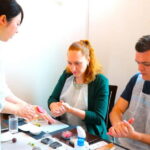
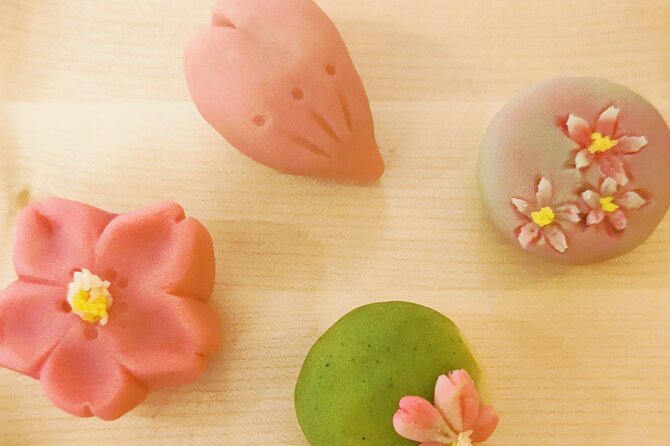
After the tea part, you’ll craft seasonal Japanese sweets yourself. The tour description is clear that you’ll be designing your own sweet, not just assembling something pre-made.
Why that’s valuable: matcha and Japanese sweets aren’t random pairings. The sweet you choose (and how it’s made) can change the feel of the tea—how it balances bitterness, how it softens or sharpens flavors, and how the overall bite lands.
You’ll likely notice that the class treats the sweet as more than dessert. It’s part of the ceremony-friendly rhythm: make, finish, taste, enjoy. When you design the sweet, you also get a sense of how seasonal wagashi reflects the time of year—something you can’t really get from a packaged snack.
And yes, it’s practical too. Even if you never replicate it perfectly at home, you’ll walk away understanding what makes Japanese sweets feel different: the textures, the presentation mindset, and the idea that dessert can be light while still being meaningful.

Timing and pace: the “about 1 hour” format
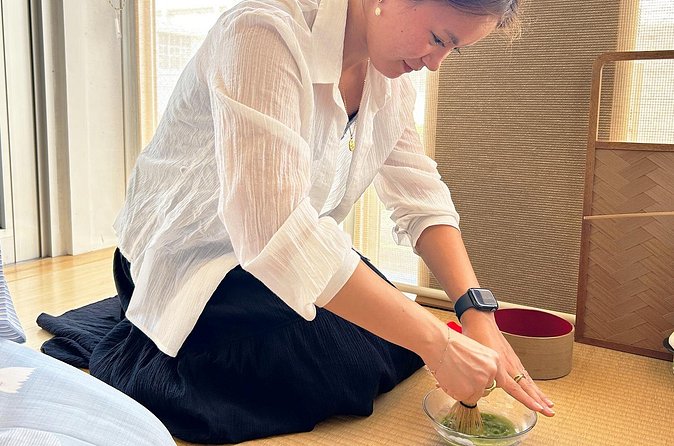
The session is listed at around 1 hour. That’s a good fit for people who want something cultural but don’t want to give up half a day.
The trade-off is straightforward: you won’t become a tea ceremony expert in 60 minutes. Instead, you get a concentrated introduction that covers:
- what the ceremony looks and feels like (Otemae demonstration),
- what goes into making matcha (hands-on brewing),
- and how sweets fit into the experience (seasonal sweet crafting).
Think of it as a fast, friendly doorway. You’ll leave with enough understanding to order matcha more thoughtfully later—and enough confidence that the next tea place you visit won’t feel mysterious.
English guidance and group size: easier questions, calmer learning
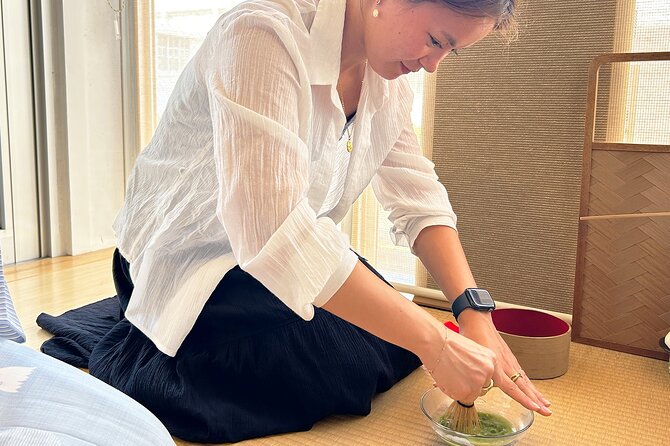
The host guides in clear English, and the class caps at 10 people. Those two details are a big deal in Tokyo experiences.
When language is clear, you can ask simple questions in the moment. When the group is small, you’re less likely to feel rushed or lost while you’re making matcha or working on your sweet.
This is especially helpful if you’re new to Japanese sweets and tea culture. You don’t need to have previous knowledge. The point is to learn by doing, with instruction that keeps you on track.
Value check: is $32.58 worth it?
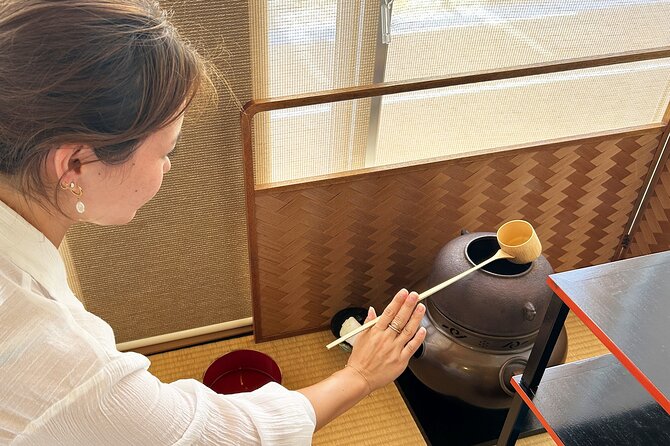
At $32.58 per person, the value depends on what you want out of Tokyo.
If you want a quick photo stop and a story to brag about, you’ll likely feel underwhelmed. But if you want an actual activity where you make and taste—matcha and a seasonal sweet—this price starts to make sense.
Here’s what you’re getting for the money based on the tour description:
- instruction from a tea master with 10+ years experience,
- an Otemae-style demonstration,
- hands-on matcha brewing and tasting,
- hands-on seasonal Japanese sweets crafting,
- clear English guidance,
- a compact 1-hour session that’s easy to fit into a busy itinerary.
Also, the track record looks strong. The experience has a 4.8 rating with 90% recommended and stays small (max 10). That’s a good signal that the pacing and quality are working for most people.
Who should book this Tokyo tea ceremony class
This experience is a great match if you:
- want a hands-on cultural activity in Tokyo (not just a passive tour),
- are curious about matcha flavor and how it’s made,
- like sweets and want to learn Japanese sweets through making, not browsing,
- prefer small-group classes where you can actually follow along.
It may not be the best fit if you:
- want a long, deep training format,
- dislike workshops that require focus for a full hour,
- need a very specific time window and can’t manage the meeting point in Hakusan.
Should you book? My practical take
I’d book this if you want a calm, focused Tokyo experience that ends with two things you made and can taste: matcha and a seasonal sweet. The pairing of Otemae viewing plus your own brewing and sweets crafting is exactly what turns tea culture into something you understand, not just something you watch.
Before you go, do one small prep thing: check how you’ll reach the Hakusan meeting address and plan to arrive early. Once you’re there, you’ll get the kind of small-group attention that makes a short class feel complete.
FAQ
How long is the Tokyo tea ceremony and sweets making experience?
It runs for about 1 hour.
Where does the tour meet, and where do you end?
You start at VaLerio LuanaJapan in Bunkyo City, Hakusan (Fil Park Hakusan Hills, 2nd floor) and it ends back at the meeting point.
Is the class in English?
Yes. It’s guided in clear English by an expert host.
How big is the group?
The experience has a maximum of 10 travelers.
Do I get a ticket on my phone?
Yes, the tour uses a mobile ticket.
What’s the booking and confirmation process like?
You’ll receive confirmation at the time of booking.