REVIEW · KYOTO
Visiting to Katsura Imperial villa and tea ceremony experience
Book on Viator →Operated by Miyagawa Tokusaburo Shoten · Bookable on Viator
A garden built for quiet. This afternoon combo pairs Kyoto’s famous Katsura Imperial Villa with a guided tea ceremony in an old Japanese house, plus you’ll wear a rare antique kimono. It’s a simple idea: see one of Japan’s most admired garden designs, then slow down with matcha, sweets, and real tea ceremony instruction.
I especially like how the experience handles the hardest part: getting access to Katsura Imperial Villa during limited hours. You’re not just buying a ticket and hoping for the best—you get numbered admission arrangement help, and you’re escorted by Miyagawa Tokusaburo, the fourth-generation owner behind the shop.
My other big plus is the kimono-to-tea flow. You select and wear an antique kimono (early Showa period) and obi, then learn matcha preparation and proper sipping while sweets are served. One possible drawback: the garden experience can rely on group touring methods and audio headsets, so you may want to keep your expectations flexible if you were hoping for constant live English narration throughout.
In This Review
- Key things to know before you go
- Katsura Imperial Villa: Circular gardens and a Sukiya-style tea house
- Ticket access that’s actually hard to get during limited hours
- Antique kimono fitting at the shop: an experience before the villa
- Katsura in your kimono: what to expect once you arrive
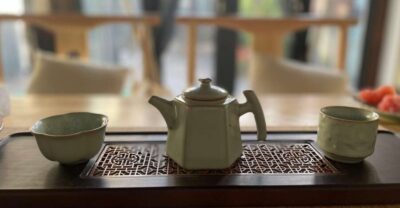
- Tea ceremony in a 100-year-old house: matcha, sweets, and instruction
- The 3-hour flow: how the day usually runs
- Price and value: what you’re paying for beyond the garden entrance
- English support, group format, and how to avoid frustration
- Who should book this Katsura + tea ceremony combo
- Should you book? My call
- FAQ
- FAQ
- Where is the meeting point for the tour?
- What time does the tour start?
- How long does the experience take?
- Is this a private tour?
- Do I get a mobile ticket?
- What’s included in the price?
- What’s not included?
- Is the tea ceremony in English?
- What happens if the weather is bad?
Key things to know before you go
- Katsura Imperial Villa access is arranged for limited visiting hours, using numbered admission tickets
- Miyagawa Tokusaburo escort is part of the experience, from start to the villa visit
- Antique kimono (early Showa) plus obi fitting, then you wear it to the villa
- Tea ceremony at a 100-year-old house with matcha and Kyoto-area sweets
- English service is available, but the villa narration may not be live the whole time
Katsura Imperial Villa: Circular gardens and a Sukiya-style tea house
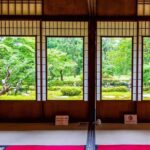
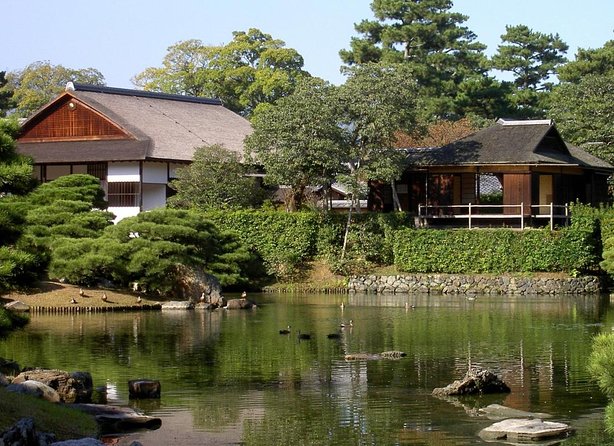
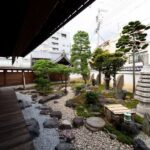
Katsura Imperial Villa is one of Kyoto’s must-see cultural sights, and this tour centers on the part that people remember: the garden layout. The villa was built in 1615 as an imperial villa, and while it has been renovated over time, it’s stayed almost unchanged for about 400 years. The garden design is famous for its circular feel, which creates a sense of moving through the space even when you’re standing still.
A key reason this place matters is the connection between architecture and aesthetics. This villa isn’t just scenery—it’s a carefully designed environment where the Japanese sense of beauty shows up in planning, viewpoints, and the relationship between buildings and nature. The villa also includes a tea ceremony house in Sukiya style, which helps explain why tea culture and refined design were (and still are) tied together.
One interesting detail you’ll likely appreciate once you’re there: the villa has been praised internationally—German architect Bruno Taut is noted for praising its beauty. That matters because it’s not only local heritage. It’s a garden concept that has drawn attention far beyond Japan.
You can also read our reviews of more tours and experiences in Kyoto.
Ticket access that’s actually hard to get during limited hours
This experience is built around the reality that Katsura Imperial Villa visits aren’t wide open all day. Entry is limited, and numbered admission tickets are part of the process. Instead of leaving you to sort out rules and timing, the shop arranges same-day admission tickets for customers on this plan.
That means less stress for you. You’re meeting at the shop, then going by car to the villa. You also get escorted by Tokusaburo Miyagawa, which is valuable because confusing logistics are where cultural tours can fall apart. Here, the “admin work” is handled so you can focus on the place itself.
There’s also a practical upside: since your admission is arranged, you’re less likely to waste time trying to match your schedule to the villa’s constraints. In a city like Kyoto, where afternoons fill up fast, that kind of planning help can be worth a lot.
Antique kimono fitting at the shop: an experience before the villa
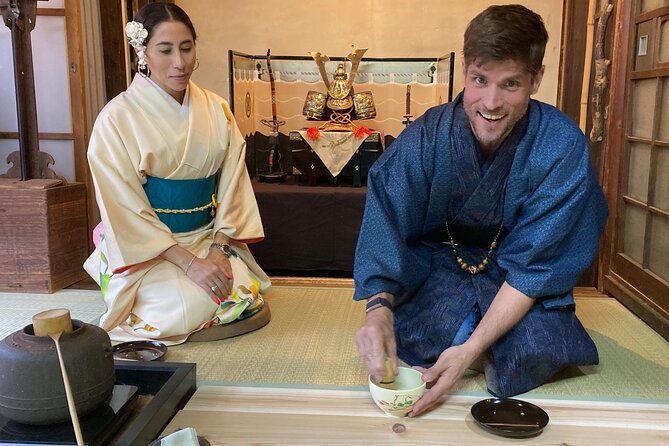
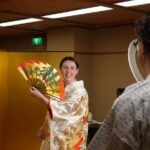
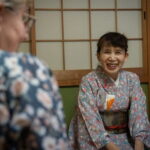
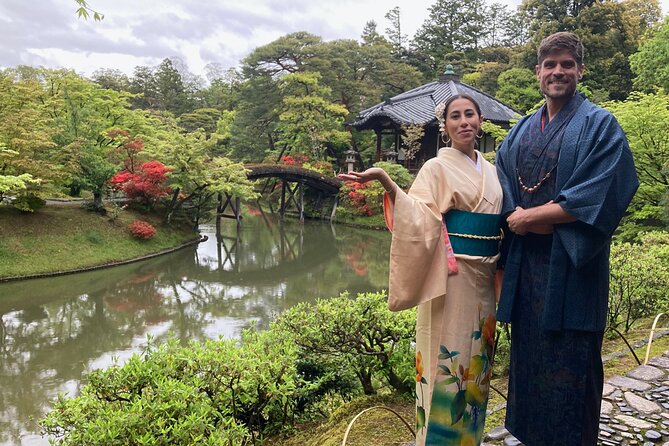
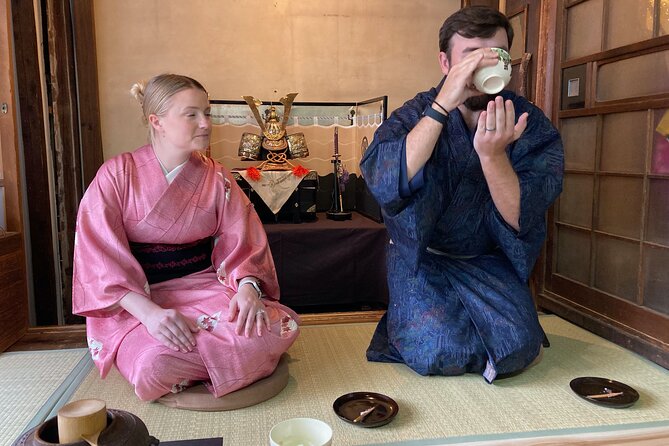
Before you ever reach the garden, you start in the calm world of kimono. The tour includes antique kimono rental fees, including dressing, and you’re guided in selecting and wearing the kimono and obi. The kimono is described as being from the early Showa period, and you’ll coordinate your look with the fourth-generation shop owner.
This is one of the most memorable parts of the day, because you’re not just putting on a costume. You’ll learn something about kimono design and what goes into wearing one correctly. And since you’ll wear the kimono to the villa, your photos won’t feel like a “quick outfit change” stop. The clothing becomes part of how you experience the scenery and the tea-related setting afterward.
The review feedback also points to a human element here: Tokusaburo is often described as easy to spend time with, and his family background in the kimono business shows in the way he guides people. That kind of attention is hard to fake.
Katsura in your kimono: what to expect once you arrive
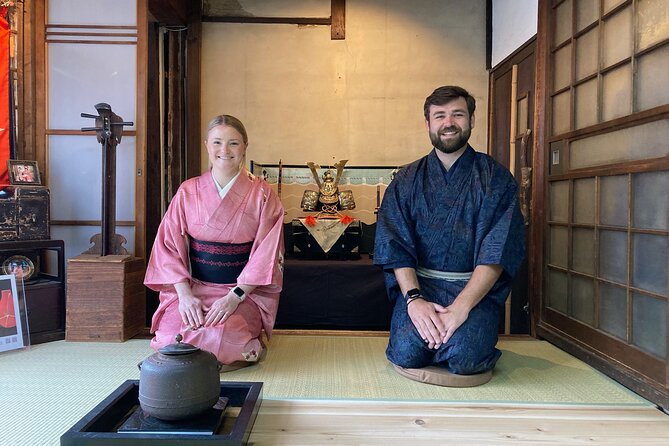
Once you’re dressed, you head to Katsura Imperial Villa in round-trip transport from the shop. You’ll enter with the arranged admission. Inside the villa, you’ll follow a guided approach that can include group touring and English support.
Here’s a detail to consider: one traveler experience noted that English interpretation for the villa itself used pre-recorded headsets, not live spoken narration from Tokusaburo. Another mentioned that the garden tour involved a Japanese-speaking guide. English speaking service is listed as available, but the format can vary.
So I’d plan your expectations like this: Tokusaburo escorts you and helps you get through the experience smoothly, while the villa’s commentary may come through a mix of methods. If you’re the type who learns best by asking questions, you’ll probably do well—but don’t assume every moment will be a live, moment-by-moment English briefing.
Tea ceremony in a 100-year-old house: matcha, sweets, and instruction
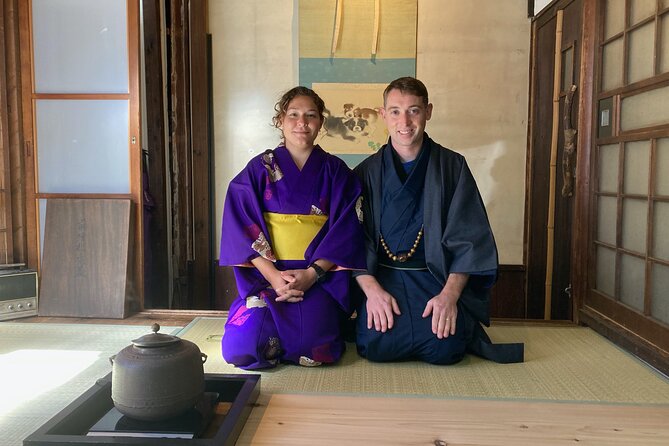
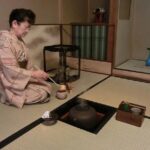
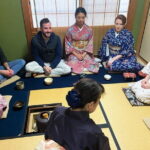
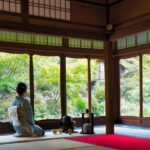
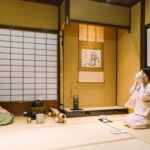
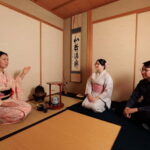
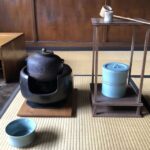
After the villa visit, you shift from garden viewing to hands-on tea culture. The tea ceremony takes place at the shop, described as a 100-year-old traditional Japanese house. The location near Katsura is meant to feel quieter than central city Kyoto, which can be a nice change of pace after crowds and transit.
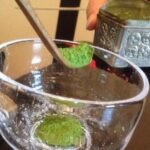
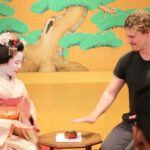
You’ll serve matcha and Japanese sweets. The sweets are described as the main sweets made by a local Japanese confectioner in Katsura, Kyoto, and you’ll have two cups of matcha tea. That matters because you’re not just watching a demonstration and leaving. You get practice time.
The tour also focuses on learning the proper way to drink and prepare matcha tea. That includes understanding the ritual steps and the correct way to handle the cup and matcha. You’ll also watch Tokusaburo’s tea ceremony demonstration, which ties the experience together with someone who’s actually running the shop.
One practical upside: it’s happening after you’ve already slowed down from the villa. Your brain is less on photo mode and more on listening, tasting, and copying the motions.
The 3-hour flow: how the day usually runs
This is an afternoon plan starting at 1:00 pm, running about 3 hours. The meeting point is at the shop address: 32-4 Katsuranozatochō, Nishikyo Ward, Kyoto, 615-8073, Japan. It’s designed as a small-group experience with private tour/activity language: only your group participates.
Here’s how the flow typically feels, based on what the experience includes:
- You start at the shop, where you select your kimono and get dressed with guidance
- You travel by car to Katsura Imperial Villa and enter using arranged tickets
- You visit the villa and follow the guided approach during your admission window
- You return to the shop area for the tea ceremony, matcha, sweets, and instruction
Because the schedule is short, you’ll want to treat it like a focused cultural “block.” If you’re also trying to cram other big Kyoto sights into that same afternoon, you may end up rushing. This one works best when you give it the time it needs.
Price and value: what you’re paying for beyond the garden entrance
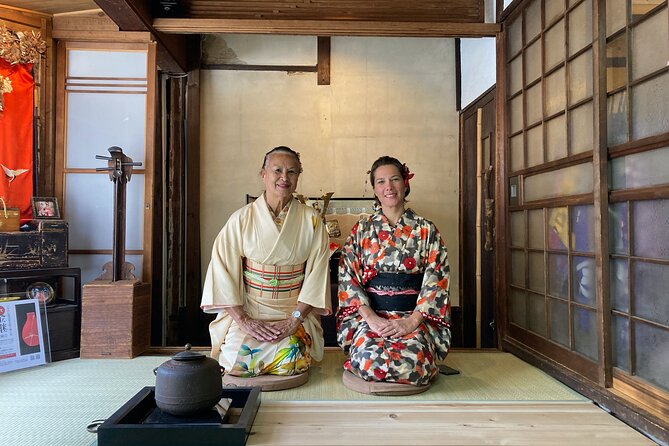
At $169.90 per person, this isn’t a budget activity. And you should know why: the price isn’t only for the garden. It bundles several experiences that are often priced separately in Kyoto—kimono rental and dressing, tea ceremony fees (matcha and sweets included), escorted support, transport, and the admission arrangement fee.
One traveler comparison noted that the garden admission itself can be around ¥3,000 per person. That comparison can make the overall cost feel shocking at first glance. But it doesn’t include the time, effort, and added services you’re buying here: numbered admission arrangement during limited hours, round-trip transport, kimono fitting, and a structured tea ceremony in a specific traditional setting.
So the value question comes down to you. If you want a smooth entry to Katsura plus a kimono-and-tea cultural arc, this price can feel reasonable. If your top priority is purely seeing the garden and you don’t care about kimono or a tea lesson, you may feel the cost doesn’t match what you personally value most.
English support, group format, and how to avoid frustration
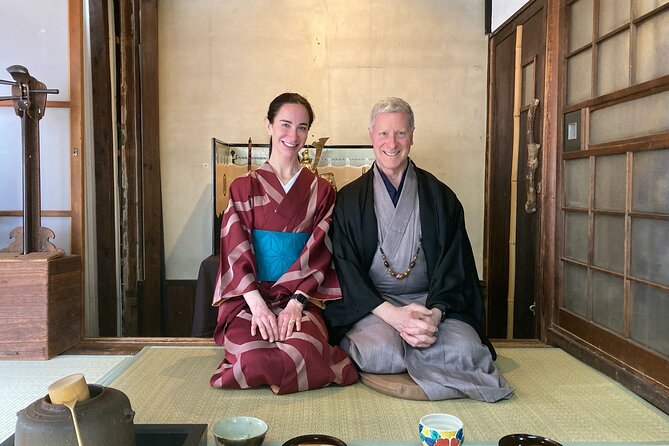
English speaking service is listed as available, and Tokusaburo’s role as escort is meant to keep things from getting tangled. Still, real-world experiences can vary.
Two practical considerations based on what’s been described:
- Villa narration may use pre-recorded headsets rather than a continuous live English explanation
- The tour format inside the villa can involve a group tour with a Japanese-speaking guide, while Tokusaburo focuses on escort and coordination
If that would bother you, adjust your mindset now. Think of it like: you’re paying for access plus a cultural day, not a private live monologue. The tea ceremony portion is where you’ll likely feel the most direct instruction—matcha preparation, proper drinking, and the owner’s demonstration.
Also, keep in mind that a “mad hatter” type of atmosphere was mentioned by someone for the tea ceremony. That doesn’t mean it’s bad. It can mean the session feels lively, fast, or playful depending on the group and how the host runs the room. If you want ultra-formal silence, you might still enjoy the learning, but your expectations for tone should be flexible.
Who should book this Katsura + tea ceremony combo
This tour is a strong fit if you:
- Want Katsura Imperial Villa access handled for you during limited hours
- Care about doing a real tea ceremony with matcha and sweets, not just a photo stop
- Like the idea of wearing a rare antique kimono and learning a bit about how it works
- Prefer a calm, smaller-feeling Kyoto experience in the Nishikyo area
It’s also a good choice for people who want their afternoon structured. Kyoto can be overwhelming, and a set timeline with escort support helps you spend your energy on the experience—not on problem-solving.
If your style is purely DIY and minimal spending, then you might prefer other ways to reach Katsura and arrange tea elsewhere. But if you want the convenience plus culture bundle, this one makes a lot of sense.
Should you book? My call
Book it if you want a Kyoto afternoon where Katsura Imperial Villa is paired with kimono dressing and a matcha-focused tea ceremony, all in a tight 3-hour window. The escort and admission arrangement are the heart of the value, especially if you don’t want to wrestle with limited entry rules on your own.
Skip it if you’re mainly hunting for a cheaper garden visit and you don’t care much about kimono fitting or tea ceremony instruction. At this price, you’re paying for more than views—you’re buying a whole cultural sequence with guided support.
FAQ
FAQ
Where is the meeting point for the tour?
The tour meets at 32-4 Katsuranozatochō, Nishikyo Ward, Kyoto, 615-8073, Japan.
What time does the tour start?
The start time is 1:00 pm.
How long does the experience take?
The duration is about 3 hours.
Is this a private tour?
Yes. It’s listed as a private tour/activity, meaning only your group participates.
Do I get a mobile ticket?
Yes. The experience includes a mobile ticket.
What’s included in the price?
Included are the antique kimono rental fee (including dressing), the tea ceremony fee with matcha and Japanese sweets, arrangement fee for same-day Katsura Imperial Villa admission tickets (limited quantity), round-trip transportation from the shop to Katsura Imperial Villa, and the Katsura Imperial Villa entrance fee.
What’s not included?
Dinner and lunch are not included.
Is the tea ceremony in English?
English speaking service is available as part of the experience.
What happens if the weather is bad?
The experience requires good weather. If it’s canceled due to poor weather, you’ll be offered a different date or a full refund.