REVIEW · TOKYO
Tokyo: Tea Ceremony in Shibuya Tokyo
Book on GetYourGuide →Operated by Legalis · Bookable on GetYourGuide
Shibuya has a side most people miss. This private Tokyo tea ceremony lesson in Shibuya trades shopping noise for a slow, focused tea room experience. I like that you get English guidance from an experienced teacher, and I also like that you do the real work yourself, including making your own matcha. One thing to consider: it’s a small, structured session, so if you want a casual walk-through with lots of wandering time, this may feel too “class-like.”
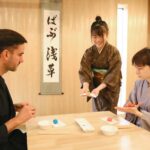
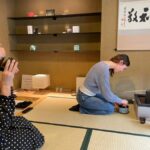
You’ll start with context—history, etiquette, and what to do and not do—then watch the host’s Otemae demonstration. In one review, the teacher Mako-san set a calm tone while explaining the salon setting, and you’ll likely feel that same composed pace as you learn. A practical note: you’ll want to dress appropriately because your knees should be covered, and you may be asked to use a loaned wrap skirt or pants if needed.
In This Review
- Key reasons this tea ceremony works
- A prestigious tea room setup, right in Shibuya
- Your session flow: history, etiquette, Otemae, then matcha
- Tasting traditional Japanese sweets before you whisk
- Making matcha: where the lesson becomes yours
- English instruction that keeps the ritual understandable
- What to wear in a tea room (and why knees matter)
- Souvenirs and the “tea set moment” after class
- Price and value: $81 per person for a private lesson
- Who this Shibuya tea ceremony is best for
- Practical tips that make your visit easier
- Should you book this Tokyo tea ceremony in Shibuya?
- FAQ
- Where is the tea ceremony held?
- Is the tea ceremony private?
- What language is the class taught in?
- What happens during the tea ceremony lesson?
- Is there pickup service?
- Do I need to bring anything?
- What is included in the price?
- Can I cancel?
Key reasons this tea ceremony works
- Truly private for groups of 1 to 4, with no mixed sessions
- English instruction plus hands-on matcha making, not just watching
- A built-in order of events: etiquette, Otemae demo, then your own tea
- Traditional Japanese sweets tasting before you whisk matcha
- Tea room atmosphere in Shibuya that feels like a time-out from the street
- Optional kimono wearing for an extra charge, plus souvenir shopping like kimono-material Pokemon
A prestigious tea room setup, right in Shibuya
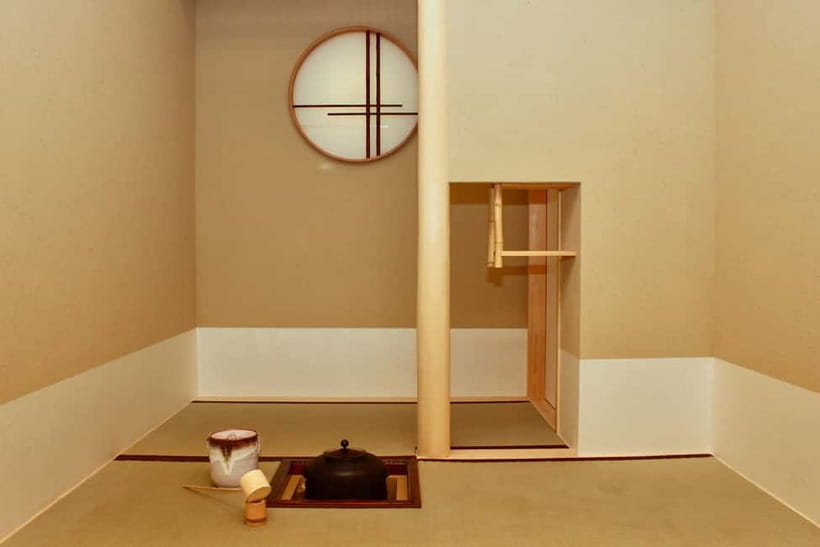
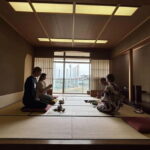
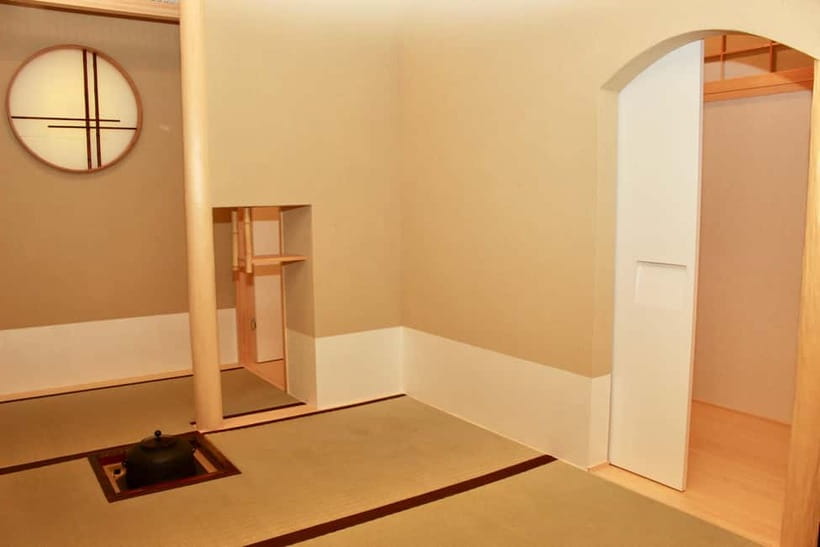
Shibuya is famous for energy—crosswalks, neon, and constant motion. This experience turns that volume down fast. You’re in a dedicated tea room setting, and the class format is built around quiet attention: you’re there to learn a ritual, not to rush through it.
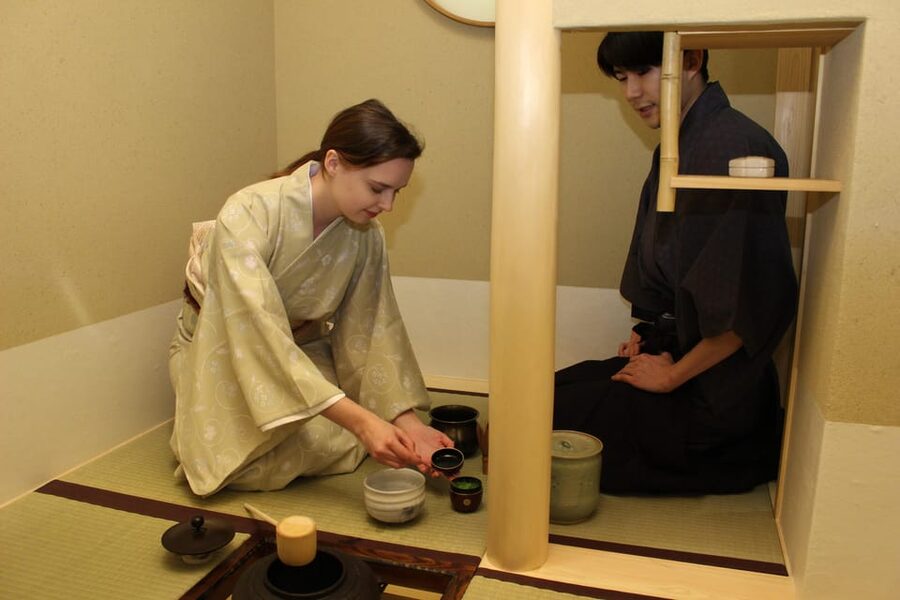
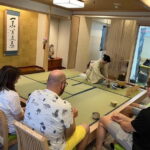
What I like most is how the session stays human-scale. The group size is capped at 1 to 4 per booking, and it’s fully private for your group. That matters because tea ceremony etiquette is all about subtle actions. When you’re not sharing space with strangers, it’s easier to ask questions, follow along, and actually practice what you’re taught.
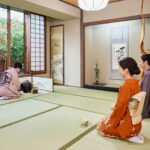
There’s also a sense of “prestige” in the way the class is presented. You’re not sitting in a classroom style chair with a worksheet. You’re learning inside a traditional tea space with a host who guides the flow—explanation first, demonstration second, then you step in and do it.
You can also read our reviews of more tours and experiences in Tokyo.
Your session flow: history, etiquette, Otemae, then matcha
The class is structured in a straightforward sequence, and that’s a good thing. Tea ceremony can look mysterious online. In person, it becomes manageable when you learn it in order.
First, you’ll get an explanation of the tea ceremony, including history and etiquette. Etiquette isn’t fluff here. It helps you understand why certain movements matter. Even if you don’t memorize every detail, you’ll come away knowing what observers notice and what you should respect.
Next comes the central performance: the Otemae demonstration. Otemae is the formal preparation style, and watching it once carefully lets you see the rhythm behind the steps. In reviews, people appreciated the calm pacing and the way the host explained the salon’s feel and decor. You’ll get the same “slow down and watch” vibe.
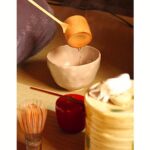
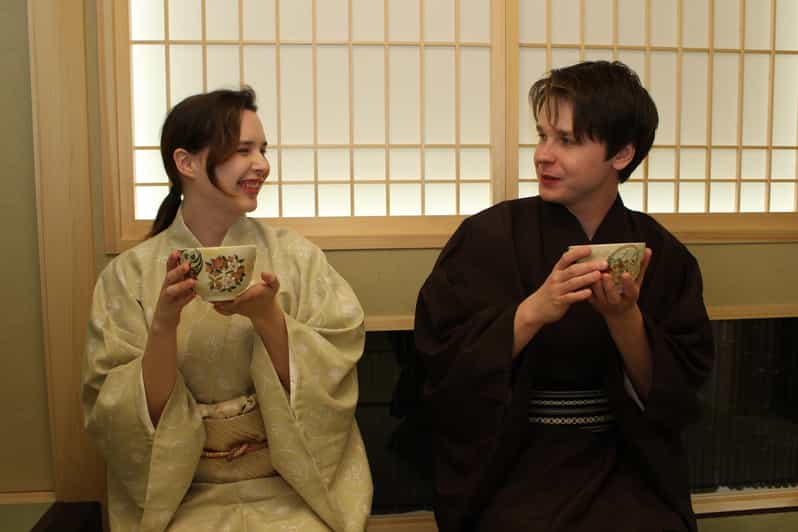
Then you shift from watching to doing. You’ll experience making your own matcha, and the session doesn’t end at your first try. You’ll also get to taste the matcha you made (and the sweets served alongside it), so the lesson lands in your body as much as in your head.
Tasting traditional Japanese sweets before you whisk
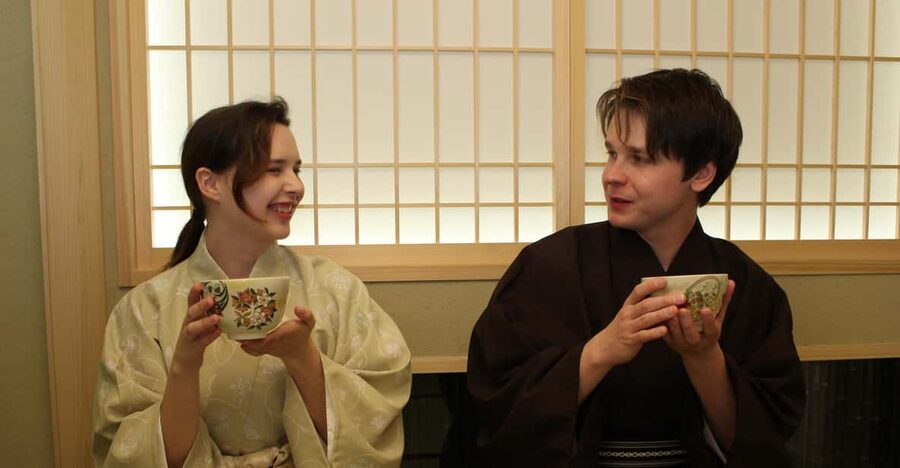
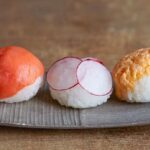
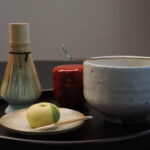
Before you make your tea, you’ll get a tasting of traditional Japanese sweets. This is one of those details that makes a tea ceremony lesson feel complete instead of rushed.
The sweets tasting works as a warm-up in two ways. First, it sets your palate before the matcha hits. Second, it teaches a core idea: tea ceremony isn’t only about matcha. It’s about the full sequence of flavors and moments, in a thoughtful order.
If you’re the kind of traveler who likes experiences that are more than one highlight photo, this portion delivers. Reviews repeatedly point out that the sweets and matcha were delicious, and that you leave with a real sense of the pairing. You don’t just learn a technique—you get to taste and compare what that technique produces.
Making matcha: where the lesson becomes yours
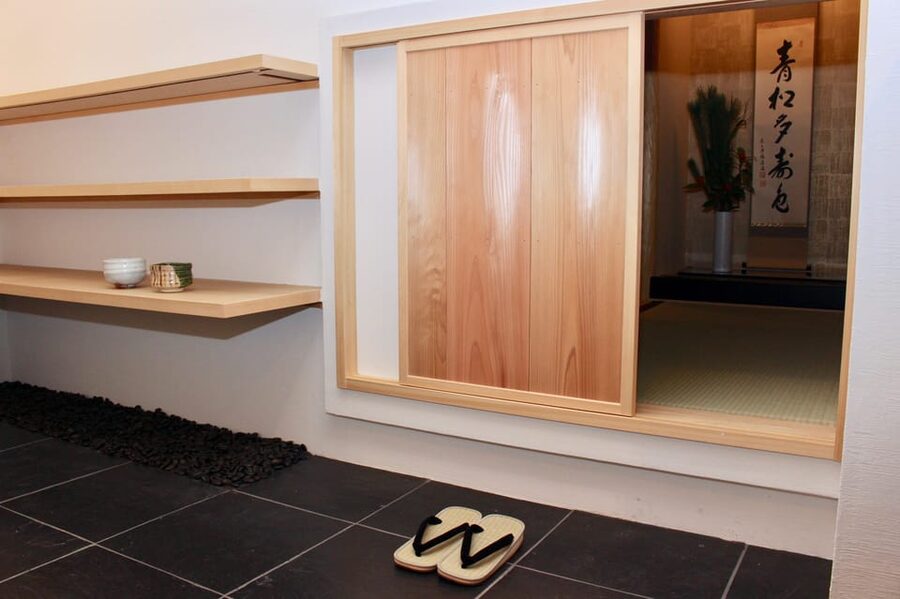
This is the part you’ll remember later. The class gives you the chance to make your own matcha, guided by an English-speaking teacher with real tea experience. That’s the key: you’re not left alone with a bowl and wishful thinking.
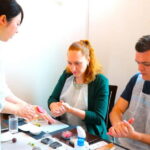
You’ll be shown how to prepare the tea, then you take turns making matcha yourself. For many people, this is the first time they’ve actually handled the tools and followed the motions that turn powder into tea.
One useful tip for you: don’t worry about perfect technique on the first go. The value here is learning the logic behind the steps—how you control whisking, how you handle the moment, and how etiquette shapes the way you move. When you understand why the ritual looks the way it does, your second attempt feels easier.
And yes, you taste what you made. In the reviews, people highlighted how enjoyable it felt to drink the tea right after learning it. That’s the payoff. You’ll leave knowing what good matcha tastes like when it’s prepared in a proper tea setting.
English instruction that keeps the ritual understandable
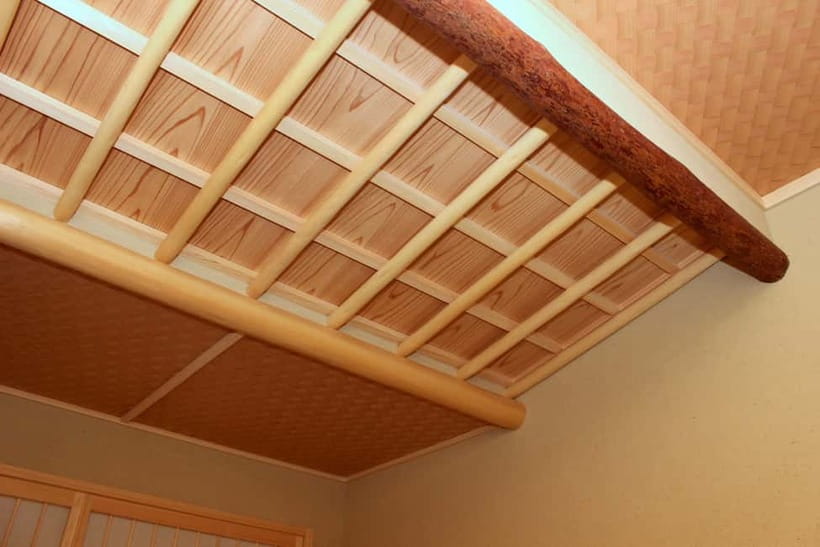
Japan travel can be tough when your best experiences depend on language. Here, the instruction is available in English, and the teachers are experienced in tea ceremony.
That matters because tea ceremony has concepts that don’t translate well through quick pointing and guessing. Etiquette rules, the purpose of each movement, and what you should focus on while watching Otemae all become clear when you can understand the explanation.
One review specifically called out Mako-san as charming and knowledgeable, and noted that she led the ceremony in a very relaxed way. That’s the vibe you should expect: calm guidance, not a rushed lecture. Even if you already know a little about matcha, you’ll likely pick up practical etiquette details that make the experience more meaningful.
What to wear in a tea room (and why knees matter)
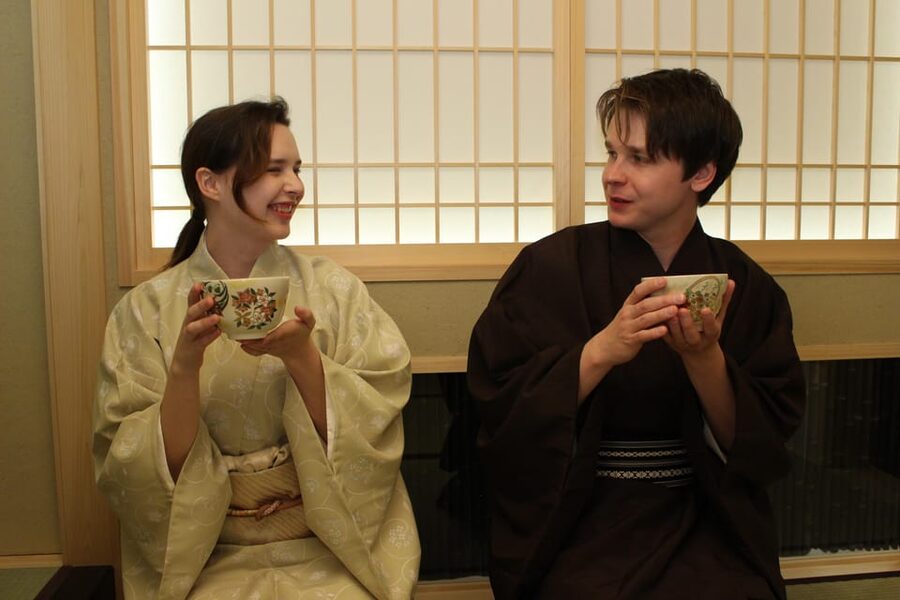
Here’s a small detail that matters more than you’d think. The guidance is simple: wear pants or a skirt long enough to cover your knees. If your outfit doesn’t meet that standard, the provider can lend you suitable clothing for free, like pants or a wrap skirt.
This isn’t about comfort theater. Knee coverage keeps things respectful and fits the traditional setting. Also, if you’re wearing short skirts or summer outfits, it’s better to plan ahead than to scramble.
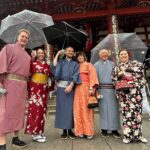
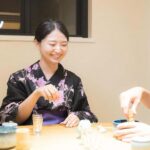
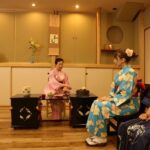
If you’re interested in dressing up, there’s also an optional kimono experience mentioned in reviews. In one case, the guest wore a kimono while doing the ceremony for an extra charge. If that appeals to you, it’s worth asking how the option works when you book.
Souvenirs and the “tea set moment” after class
Tea ceremony doesn’t have to end at the doorway. A couple of the standout details from reviews involve what people did after the lesson.
One person bought a tea set with matcha tea at the end, which is the classic “I learned this, now I want to take it home” move. Another highlight mentioned souvenirs like Pokemon made from kimono material, which is a fun, Japan-specific twist on traditional crafts. If you like playful collectibles, that kind of souvenir tends to land better than generic trinkets.
You don’t need to buy anything to enjoy the class. But if you’re the type who likes a useful souvenir, a tea set can be more than decorative. It’s a way to keep the ritual going for a few calm evenings after your Tokyo rush.
Price and value: $81 per person for a private lesson
At $81 per person, this tea ceremony isn’t the cheapest activity in Tokyo. But it’s also not priced like a “watch someone do it” show.
Your price includes the tea and sweets fees, facility charges, and taxes. You’re also paying for the structure and attention: English instruction, Otemae demonstration, and the chance to make your own matcha in a private setting.
The private size is a big part of the value. A class that’s just you and your group tends to give you more practice time and fewer awkward waiting moments. And because it’s private for 1 to 4, the experience feels more personal than group-only lessons.
If you’re traveling with family or friends and you want something culturally grounded that isn’t a huge time sink, this is one of those meals that costs money but saves you stress. You get a complete, satisfying cultural experience without needing to research etiquette rules beforehand.
Who this Shibuya tea ceremony is best for
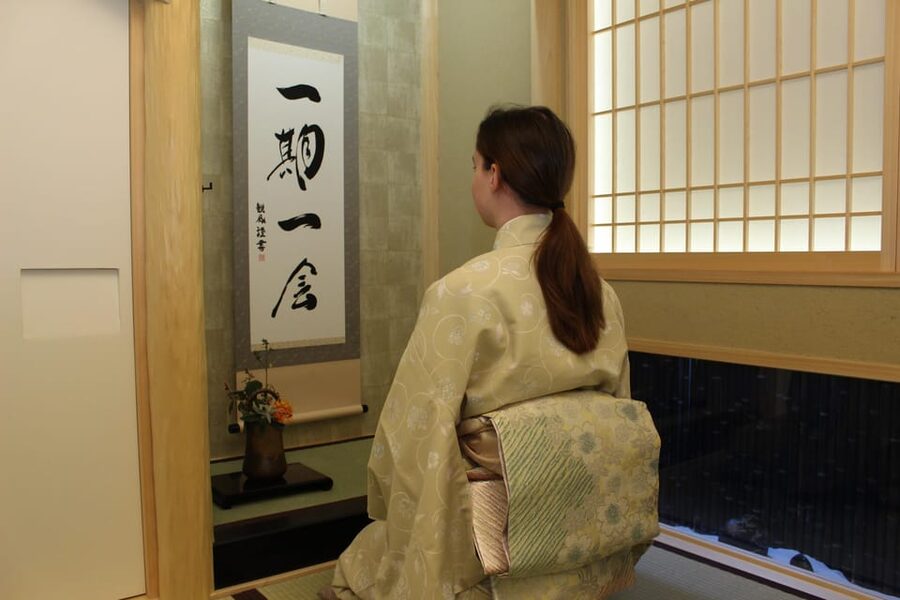
I’d point you here if you want a calm, cultural activity in the middle of a fast city stay. It works especially well for:
- Families and small groups who want an experience together (not mixed with strangers)
- Travelers who like hands-on learning, not just photos
- Anyone interested in matcha and Japanese sweets pairing
- People who need English guidance to fully understand what they’re doing
- First-timers who want etiquette explained before they step into a ritual
It might be less ideal if you’re looking for big sightseeing energy. This is a focused session, not a tour bus of landmarks. If you’re the type who wants constant motion and lots of walking, you’ll probably prefer something else that day.
Practical tips that make your visit easier
You don’t need to bring much—nothing special is required. The key is dressing for knee coverage, since that’s specifically addressed. If you’re uncertain, wear something safe and modest so you don’t have to rely on the loaned option.
Also think about your pacing. Tea ceremony is designed to be slow. If you cram it between stressful train connections and dinner reservations, you’ll feel rushed. Build in a little buffer so you can enjoy the calm tone.
If pickup service is needed, it’s included, but you’ll want to check how that works when you book. The class is private, so planning your arrival and timing helps keep everything smooth.
Should you book this Tokyo tea ceremony in Shibuya?
If you want a genuine cultural activity with a real technique you can take home, I’d say yes. This class gives you the full package: etiquette context, Otemae demonstration, then hands-on matcha making, followed by tasting sweets and tea in the same experience. The private format for up to four people makes it feel personal and comfortable, even if it’s your first time.
Book it if you’re traveling with family, you value English instruction, and you want something quieter than Shibuya’s usual pace. Skip it only if you’re chasing nonstop sightseeing or you dislike structured classes.
FAQ
Where is the tea ceremony held?
It takes place in Shibuya, Tokyo.
Is the tea ceremony private?
Yes. Each booking is private for your group, and sessions are not mixed with other groups. Group size is 1 person up to 4 people per booking.
What language is the class taught in?
The class is taught in English.
What happens during the tea ceremony lesson?
You’ll learn about the tea ceremony’s history and etiquette, watch an Otemae (tea preparation) demonstration, make your own matcha, and taste your matcha along with traditional Japanese sweets.
Is there pickup service?
Pickup service is included if needed.
Do I need to bring anything?
Nothing in particular is required. You should wear pants or a skirt long enough to cover your knees. If needed, the provider can lend suitable clothing like pants or a wrap skirt for free.
What is included in the price?
The price includes tea and sweets fees, facility charges, and taxes.
Can I cancel?
You can cancel up to 24 hours in advance for a full refund.
You Might Also Enjoy
 Furnas : Volcano Wonders, Tea Plantation & Waterfall Tour
 Tokyo: Two Types of Japanese Sweets Making and Tea Ceremony
 Xiao Long Bao, Chicken vermicelli with mushroom and sesame oil, Tofu strips salad, Bubble milk tea. Taiwan Traditional Delicacies Experience-A (Taipei Cooking Class)
 Kyoto Tea Ceremony and Samurai Photo Session