REVIEW · TAIPEI
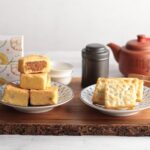
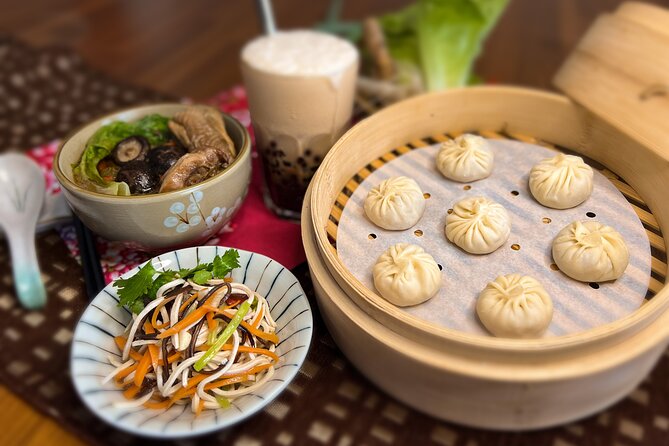
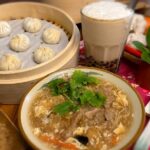
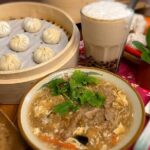
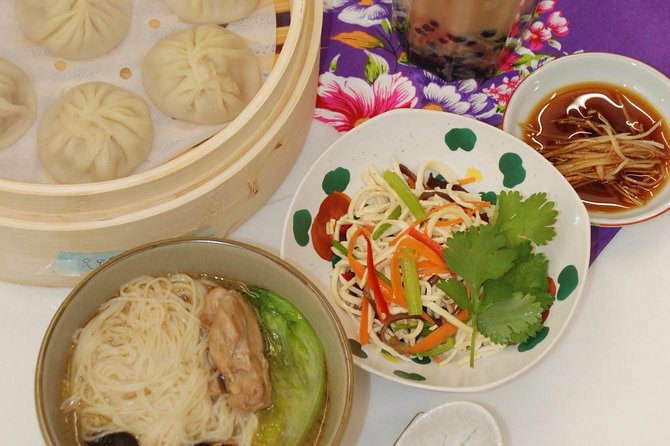
Xiao Long Bao, Chicken vermicelli with mushroom and sesame oil, Tofu strips salad, Bubble milk tea. Taiwan Traditional Delicacies Experience-A (Taipei Cooking Class)
Book on Viator →Operated by Cooking Fun Taiwan 暖心廚房 · Bookable on Viator
Taipei is a food city. This hands-on class turns that into real skills, not just photos. I like the small group format and the fact you’ll cook a clear lineup of Taiwanese favorites: xiao long bao, chicken vermicelli with mushroom and sesame oil, tofu strips salad, and bubble milk tea. The one thing to keep in mind is you’re tied to the schedule and location in Da’an District, so you’ll want to build your day around a 10:00 start.
What makes this experience work is how it mixes instruction with a light sightseeing thread through central Taipei. I especially like the multilingual team setup, including guides such as Vivian (Japanese) and Lin Ling (English) helping keep everyone together. If you’re traveling with food allergies or strict dietary needs, you’ll need to message that during reservation so the class can plan correctly.
In This Review
- Key things I’d watch for before you book
- Price and what $77 actually buys you in Taipei
- What you’ll cook: xiao long bao, sesame mushroom vermicelli, tofu salad, bubble milk tea
- Xiao Long Bao: the Taipei dumpling everyone compares
- Chicken vermicelli with mushroom and sesame oil: comfort with fragrance
- Tofu strips salad: cool, tangy, and textural
- Bubble milk tea: sweet, creamy, and part of the culture
- Where the class happens: the Da’an District meeting point and a small-group setup
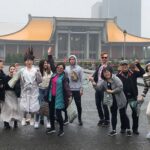
- The landmark thread: Sun Yat-sen Memorial Hall, Taipei 101, Songshan Creative Park
- Stop at Sun Yat-sen Memorial Hall: formal and easy to orient
- Taipei 101: the skyline marker for your photos and mood
- Songshan Cultural and Creative Park: artsy pacing before you cook again
- Guides, language support, and the real feel of the class
- Recipes right after class: how to make Taiwan food again at home
- Who this Taipei cooking class is best for
- Common gotchas: dietary needs, allergies, and weather
- Should you book Taipei Traditional Delicacies Experience-A?
- FAQ
- What dishes are included in Taiwan Traditional Delicacies Experience-A?
- Do you receive recipes after the cooking class?
- How long is the experience, and what time does it start?
- What languages do the teachers speak?
- How large is the group?
- What happens if the weather is poor, or if I need to cancel?
Key things I’d watch for before you book
- A tight 3-hour format that still includes cooking and short landmark stops
- Four Taiwanese dishes on the menu, including xiao long bao and bubble milk tea
- Teaching languages include Chinese, English, and Japanese
- Maximum 10 travelers, so you’re not lost in a crowd
- Recipes handed out right after the course, so you can repeat the food at home
- Weather matters, and the schedule can shift if conditions are poor
Price and what $77 actually buys you in Taipei
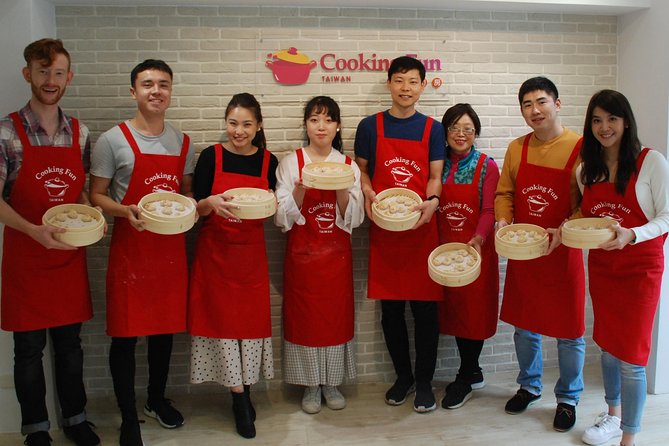
At $77 per person for about 3 hours, the value comes from two parts: you get practical cooking time and you get a curated Taipei route around the session. This isn’t only a demo where you watch from the side. It’s built for making, tasting, and leaving with a recipe sheet you can use later.
Timing matters too. The class runs Monday through Saturday around 10:00–13:00, and it’s often booked well ahead (on average, about 41 days). That tells me the “best days” can disappear first, so if your trip dates are firm, lock it in early.
Also, the group limit of 10 travelers changes the feel. You’re more likely to get clear help when something doesn’t make sense, especially if you’re not working in the same language the whole time.
You can also read our reviews of more tours and experiences in Taipei.
What you’ll cook: xiao long bao, sesame mushroom vermicelli, tofu salad, bubble milk tea
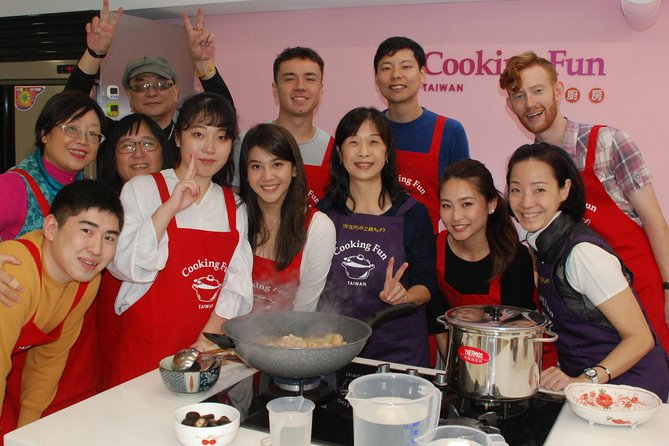
This class is structured around four specific dishes, so you’re not guessing what you’ll end up eating. Here’s what each one teaches you, and what you can expect the flavors to be like.
Xiao Long Bao: the Taipei dumpling everyone compares
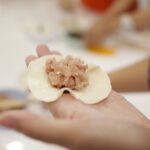
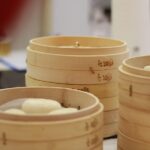
Xiao long bao is famous for a reason: the goal is tender dumpling skin and a filling that feels balanced, never greasy. Even if you’ve eaten it before, making it is a different experience because you learn what matters about proportions and texture. This dish also gives you a Taiwanese “anchor.” If the rest of the meal tastes familiar, xiao long bao is where Taiwanese street-food energy meets careful technique.
Chicken vermicelli with mushroom and sesame oil: comfort with fragrance
This is the kind of plate that makes sense for real Taiwan eating: filling, savory, and aromatic. The headline ingredient is sesame oil, which gives a nutty depth fast. The chicken and mushroom add comfort and body, so you’re not eating something light just to say you did. This is a good dish for picking up how Taiwanese flavor often balances richness with something that keeps it from feeling heavy.
Tofu strips salad: cool, tangy, and textural
A tofu-based salad gives you a palate reset after dumplings and a warm noodle dish. “Tofu strips salad” also suggests a focus on texture: soft tofu meets a more lively bite from whatever dressing and toppings are used. It’s the kind of dish that makes the meal feel complete, not just a set of snacks. If you like contrasting temperatures and chew, this one usually lands well.
Bubble milk tea: sweet, creamy, and part of the culture
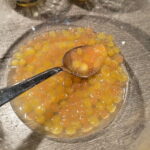
Bubble milk tea isn’t only dessert. In Taiwan, it’s a daily habit for many people, so learning it in class feels like tasting the country’s routine culture. You’ll be making bubble milk tea, which means you’re looking at the tea base plus the signature component everyone recognizes: the chewy bubbles. Even if you’ve had it elsewhere, making it helps you understand why Taiwanese versions can taste less “generic” and more tuned.
Where the class happens: the Da’an District meeting point and a small-group setup
The meeting point is listed as 2F., No.5, Ln. 290, Guangfu S. Rd., Taipei City 10694, and the route begins at that location. You’ll also be back at the same meeting point when you finish.
Two practical things I like about this setup:
First, it’s in a part of Taipei that’s convenient to reach using public transportation. If you’ve wrestled with timing in Taipei before, this matters. You don’t want a cooking class to turn into a sprint.
Second, the group size caps at 10 travelers. In practice, that means you’re more likely to be able to ask questions without waiting your turn for a translator to catch up.
And yes, you’ll get a mobile ticket, so you don’t need paper printed before you go.
The landmark thread: Sun Yat-sen Memorial Hall, Taipei 101, Songshan Creative Park
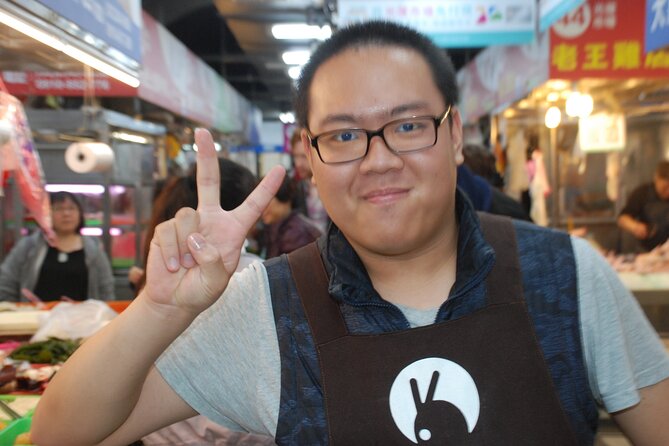
This experience is built around more than cooking. It includes three stops that give you a quick snapshot of Taipei’s mix of tradition, modern skyline, and creative spaces.
Stop at Sun Yat-sen Memorial Hall: formal and easy to orient
You’ll make a stop at Sun Yat-sen Memorial Hall. Even if you don’t plan to tour deeply, this is a solid orientation point for first-timers because it’s recognizable and visually structured. I like this kind of opening stop because it helps you get your bearings early in the day.
Possible drawback: if you’re hoping for lots of time inside the area, you might want to plan a separate visit later. This class session keeps things moving.
Taipei 101: the skyline marker for your photos and mood
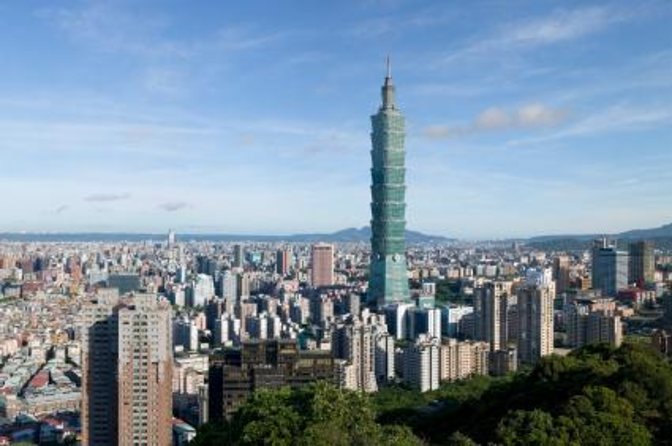
Next comes Taipei 101. In a short format like this, think of it as a quick skyline moment. You get the famous sight without burning half a day. If you’ve already been to Taipei 101, you’ll still get a useful “re-check” of what the skyline looks like from street-level.
Songshan Cultural and Creative Park: artsy pacing before you cook again
The final stop is Songshan Cultural and Creative Park. This stop tends to feel more “local-city creative” than strictly monumental. I like it because it breaks the mood from landmark photos into something more human-scaled.
Important note: the time spent at each stop is limited by the overall 3-hour structure. So if you want long museum-style exploring, pair this experience with extra time later.
Guides, language support, and the real feel of the class
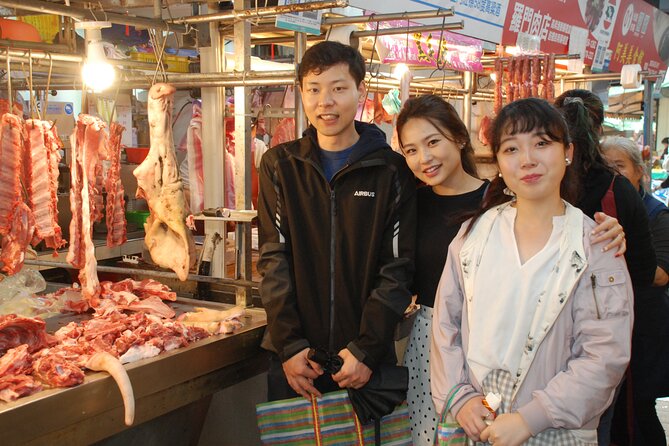
Teaching languages include Chinese, English, and Japanese, and the setup is clearly built for mixed-language groups. In past groups, guides such as Vivian (Japanese) and Lin Ling (English) have helped keep people moving together, which is exactly what you want in a hands-on setting. No wandering, no confusion spiral.
I also like that the team is described as doing the work of making you comfortable early. If you’re coming alone or you’re arriving before your confidence catches up, this kind of guided grouping helps you settle fast.
Another plus: the class is described as clean, fun, and delicious. That combo matters. Cooking classes can get messy or chaotic, and you want yours to feel organized so you can actually learn.
Recipes right after class: how to make Taiwan food again at home
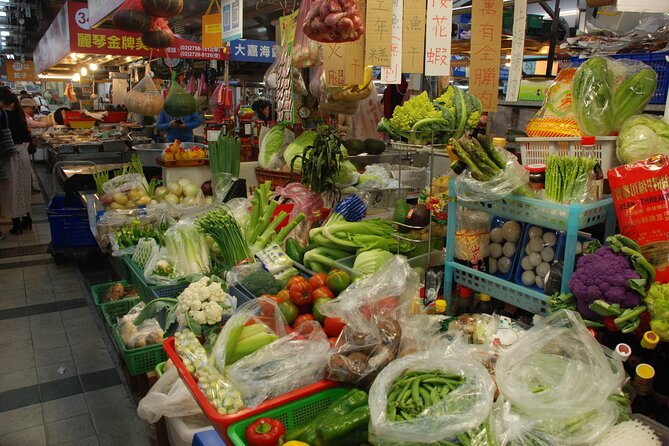
One of the practical perks is that the course recipe is distributed right after you complete the course. That’s not a small detail. In cooking, a lot of the difference is in remembering the ratios and steps, and that’s where a written recipe saves you from guessing later.
If you’re the type who likes to cook a trip into your routine, this is the difference between a nice memory and a skill you can repeat. You’ll also be able to compare your results to what you remember eating during the class, and adjust from there.
Who this Taipei cooking class is best for
This experience fits best if you want a taste of Taiwanese cooking culture without turning your vacation into a full-day project.
It’s a strong match for:
- Food-focused first-timers who want a structured “Taipei flavors” introduction
- Solo travelers who appreciate a small-group setup and friendly language support
- Families and mixed-age groups (the experience has handled adults and children in the same group)
- People who like learning with a recipe in hand instead of leaving with only photos
If you already cook often and want advanced technique training, you might find the format lighter than a professional workshop. But for most visitors, the balance is the point: approachable cooking, clear dish lineup, and a Taipei route that doesn’t waste time.
Common gotchas: dietary needs, allergies, and weather
This class requires good weather. If conditions are poor, the experience may be canceled and you’ll be offered a different date or a full refund.
Also, the menu isn’t generic. It includes specific dishes (including xiao long bao and bubble milk tea), so vegetarian or dietary needs need to be handled before you arrive. The guidance is clear: inform the team in advance when you book if you are vegetarian, have dining taboos, or have food allergies.
Practical tip from how the experience is set up: don’t wait until the day-of to mention needs. You want time for the kitchen to plan appropriately.
Should you book Taipei Traditional Delicacies Experience-A?
I think you should book if you want a high-impact Taipei food experience in a short window. The value is strongest when you care about hands-on cooking and you like having recipes afterward. Four dishes for $77, plus a structured city route and multilingual instruction, is a fair deal for many visitors.
I’d skip or reconsider if your main goal is deep sightseeing or if you need very specific dietary accommodations and you might forget to mention them during booking. Also, if your travel day is fragile due to weather risk, be mindful that the experience requires good conditions.
If you like organized, small-group cooking with a clear dish lineup, this one is worth your time.
FAQ
What dishes are included in Taiwan Traditional Delicacies Experience-A?
The class includes xiao long bao, chicken vermicelli with mushroom and sesame oil, tofu strips salad, and bubble milk tea.
Do you receive recipes after the cooking class?
Yes. The course recipe is distributed right after completing the course.
How long is the experience, and what time does it start?
It lasts about 3 hours and typically runs from 10:00 to 13:00.
What languages do the teachers speak?
Teaching languages include Chinese, English, and Japanese.
How large is the group?
The activity has a maximum of 10 travelers.
What happens if the weather is poor, or if I need to cancel?
The experience requires good weather. If it’s canceled due to poor weather, you’ll be offered a different date or a full refund. For cancellations, you can cancel up to 24 hours in advance for a full refund; after that, the amount paid is not refunded.