REVIEW · TAIPEI
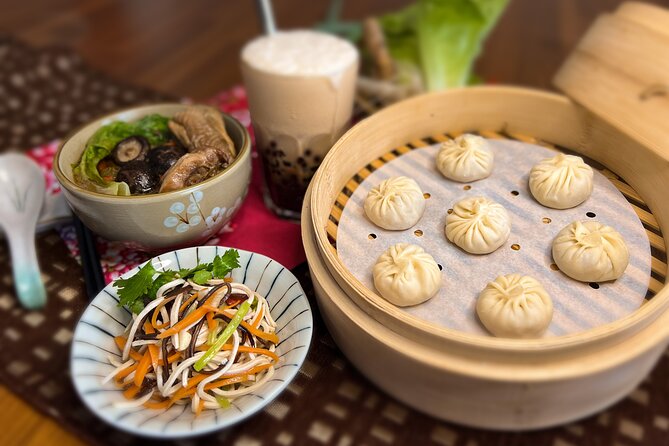
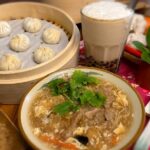
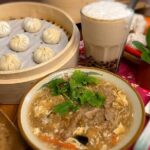
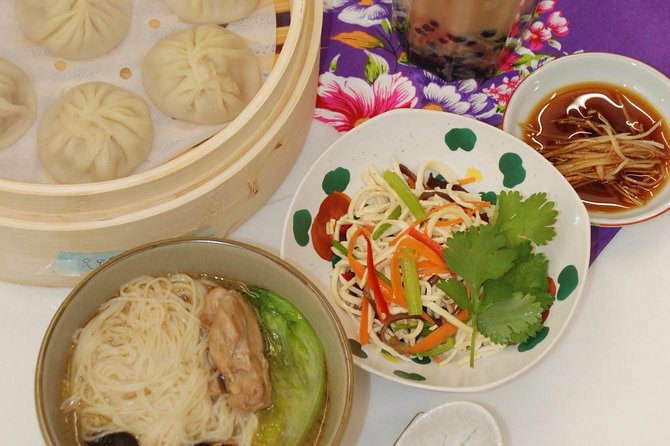
Xiao Long Bao, Chicken vermicelli with mushroom and sesame oil, Tofu strips salad, Bubble milk tea. Taiwan Traditional Delicacies Experience-A (Taipei Cooking Class)
Book on Viator →Operated by Cooking Fun Taiwan 暖心廚房 · Bookable on Viator
Taipei tastes better when you make it. This Traditional Delicacies Experience-A at CookingFunTaiwan 暖心廚房 turns four classic dishes into hands-on practice, not just a demo. I especially liked the clean, air-conditioned studio and the way the hosts kept things friendly while helping you work through tricky dumplings. One thing to consider: you should flag food needs up front (vegetarian, allergies, and restrictions), because the class depends on getting the ingredients right.
In my kind of travel, a meal is more than calories. Here you cook local comfort food and learn the small habits behind it, from savory sesame-oil flavor to that sweet final sip of bubble milk tea. You also get support in Chinese, English, and Japanese, with translation help from Dawn when needed. The only real drawback is time: it’s about 3 hours, so you’ll leave satisfied, but you won’t become the kind of cook who fills a freezer full of xiao long bao.
In This Review
- Key things to know before you book
- Cooking Taipei Style: Meet the Warm-Heart Kitchen Crew
- The 10:00–13:00 Flow and How the Studio Time Really Feels
- Xiao Long Bao Practice: The Dumpling That Punishes and Rewards
- Chicken Vermicelli with Mushroom and Sesame Oil: Comfort Food Logic
- Tofu Strips Salad: Crisp, Tangy, and a Smart Option for Many Diets
- Bubble Milk Tea: A Sweet Finish That Feels Like Closure
- Translator Dawn and the Value of Real Communication
- Price and Value: What $77 Buys You in Taipei
- Best Fit: Who This Cooking Class Is For
- Should You Book CookingFunTaiwan’s Traditional Delicacies Experience-A?
- FAQ
- What time does the Taiwan Traditional Delicacies Experience-A run?
- Where is the cooking class located?
- What dishes do you make during the class?
- What languages are used for teaching?
- Can the class accommodate vegetarian meals or allergies?
- How many people are in a class?
Key things to know before you book
- Small group (max 10 people) means you’re not shouting over a crowd while you figure out dough and fillings.
- Multilingual teaching (Chinese/English/Japanese) helps you ask questions without playing culinary charades.
- Four Taiwan dishes in one session: xiao long bao, chicken vermicelli with mushroom and sesame oil, tofu strips salad, and bubble milk tea.
- Dumpling practice gets real help—the staff are patient when your first attempt isn’t perfect.
- Recipes are sent after class, so you can recreate the food later without guessing.
- Dietary needs are accommodated if you mention them during booking.
Cooking Taipei Style: Meet the Warm-Heart Kitchen Crew
This class is built around the idea that Taiwanese cooking lives in everyday family routines. CookingFunTaiwan 暖心廚房 focuses on local favorites taught in a way that feels practical: you handle the food, you learn what matters, and you leave with dishes you can actually taste because you made them.
You’ll meet at 10:00am near the Sun Yat Sen Memorial Hall area (then the experience ends back at the meeting point). From there, you head to the studio at 2F, No. 5, Lane 290, Guangfu S Rd, Da’an District. It’s a good setup for a morning in Taipei: you’re not stuck wandering hungry. You’ve got a clear start time, a warm indoor space, and a plan that takes you from hands-on cooking to sitting down and eating.
What I like about the vibe here is the balance. It’s not a rushed factory class. It’s also not a long lecture. The staff—described as a husband-and-wife team—keep things organized and welcoming, and the experience stays relaxed enough that even nervous beginners don’t feel like they’re messing everything up.
You can also read our reviews of more tours and experiences in Taipei.
The 10:00–13:00 Flow and How the Studio Time Really Feels
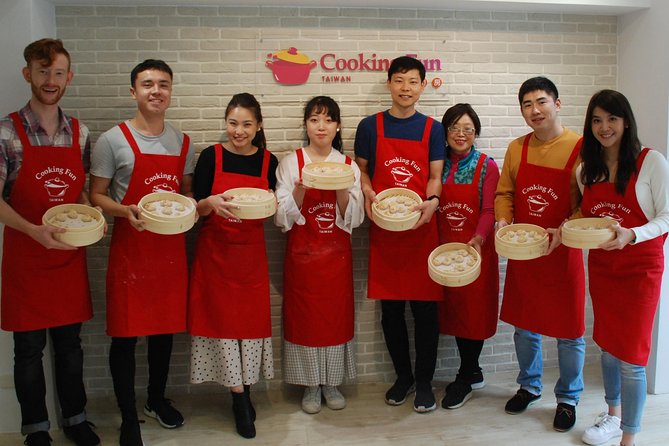
The session runs 10:00am to about 1:00pm, and it’s offered daily in that morning window. That matters because you’re not fighting your schedule. If you like building Taipei days around a single anchored activity, this fits well.
Once you’re in the studio, you’re not just watching. You’re actively working on the dishes. The room is clean and air conditioned, and that’s a big deal in Taipei humidity. Several people commented on staying comfortable the whole time, and you’ll feel it when you’re leaning over dough or chopping ingredients.
Also, you’re not left to figure out everything alone. One review singled out translation support from Dawn, calling it phenomenal. That’s a practical win: when you can hear what you’re doing and why you’re doing it, you’ll cook better—and you’ll understand what adjustments to make if something goes off.
One small planning item: once you finish, the recipe is sent after the class. You’ll be asked to provide names for everyone in your group, so don’t show up with a “we’ll remember later” attitude if you want the recipes for each person.
Xiao Long Bao Practice: The Dumpling That Punishes and Rewards
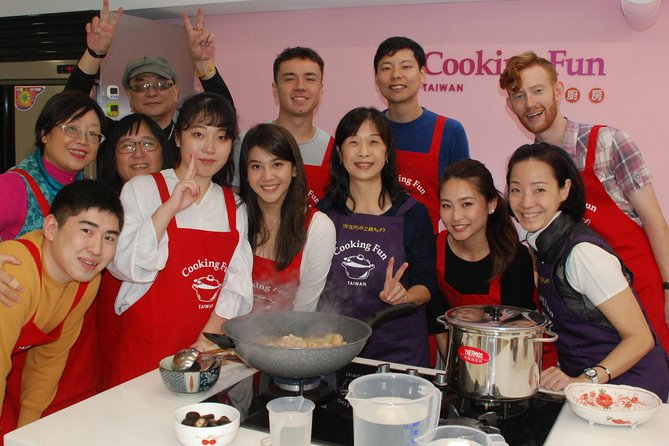
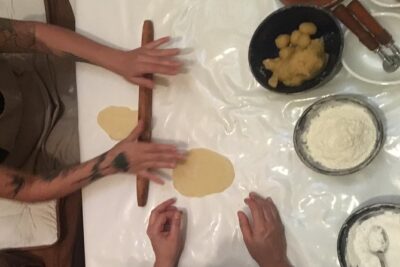
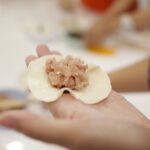
If you’re coming for a Taiwan “wow” dish, xiao long bao is it. Even if you’ve eaten them before, making them is a different story. The course includes them by name, and the overall tone from the staff is that they’ll guide you through the parts that can trip people up.
From the class atmosphere described by guests, you can expect patience while you attempt the buns—and that’s exactly what makes this worth booking. Dumplings can be frustrating because little details matter, like how you handle the dough skin and how the filling behaves. When someone is willing to help you fix a mistake without making you feel bad, you learn faster.
Here’s the practical angle: during a 3-hour class, you don’t have to become a dumpling machine. You’re there to understand the process well enough to reproduce the flavors later, and to appreciate why good xiao long bao isn’t just “a steamed dumpling.” It’s technique plus timing.
Plan to be slightly messy. That’s part of the deal. One review even noted how the team took care of dirty dishes, which tells me the setup is geared toward you cooking without spending the rest of your trip doing cleanup.
Why this dish is valuable: it gives you a Taiwan skill you can talk about. After the class, you’ll be able to explain the difference between ordering xiao long bao and actually making it. That’s the kind of memory that sticks.
Chicken Vermicelli with Mushroom and Sesame Oil: Comfort Food Logic
Next up is chicken vermicelli with mushroom and sesame oil. This is the kind of dish that makes Taiwan food feel like everyday comfort, not just street snacks.
What I like about learning this one is that it’s flavorful without being fussy. Sesame oil is powerful, so when you learn how it’s used here, you get a baseline you can apply later. Pair that with mushrooms and vermicelli, and you’re learning a Taiwan pantry style: savory, fragrant, and meant to be eaten right away.
Also, it’s a good “confidence builder” after dumplings. Dumpling work can be technical. Vermicelli dishes often let you focus on seasoning and texture—things you can correct quickly. If you accidentally go too heavy on something, you usually taste your way back before the whole batch is ruined.
What you’ll likely notice when eating it: the sesame aroma shows up clearly, but it doesn’t have to taste greasy. That’s the key. The staff’s job is to show you what balance looks like, so you can replicate the same flavor rhythm later.
Tofu Strips Salad: Crisp, Tangy, and a Smart Option for Many Diets
The class also includes tofu strips salad. This is a great pick because tofu strips give you chew and crunch, and salad style brings freshness to a meal that could otherwise be heavy.
The practical value here is learning how Taiwanese-style salads work. A salad isn’t automatically bland. In many Asian cuisines, it’s the dressing and small seasoning choices that do the work. You’ll leave knowing that tofu can be more interesting than the plain block you buy at the store.
If you have dietary needs, this dish may be especially relevant. The class explicitly allows special meal requests like vegetarian and also asks you to note allergies and restrictions during booking. Since tofu is already built into the menu, it’s a natural anchor for how the kitchen thinks about accommodating people without turning the experience into a “special case.”
Even if you eat meat, tofu strips salad is the dish that keeps your overall meal feeling lighter. It balances the dumplings and the vermicelli.

Bubble Milk Tea: A Sweet Finish That Feels Like Closure
No Taiwan food day is complete without bubble milk tea. This class treats it as part of the experience, not an afterthought you seek out on your own.
You’ll get a fresh, on-the-clock version of the classic. That’s important because bubble milk tea is one of those things people love but rarely learn. Here you’re taught in the context of the rest of the meal, so the timing makes sense: you cook savory dishes first, then you wrap up with something sweet.
If you’re traveling with kids, this is also often the easiest sell. There’s something comforting about ending with a familiar drink while everyone shares the same table.
And for adults, it’s still fun because it’s a quick way to connect what you made to what you’ll want to remember later. You get the taste of the day in one sip.
Translator Dawn and the Value of Real Communication
Cooking classes can go wrong in one way: you can’t communicate what you don’t know. Here, the teaching language is Chinese, English, and Japanese, with support that can include a translator.
One review called out Dawn by name for phenomenal translating. That’s exactly the kind of detail that matters. If you can ask basic questions—like what consistency you’re aiming for or how to fix a dumpling issue—you’ll enjoy the class more and you’ll actually retain what you learned.
Small group size helps too. With a maximum of 10 travelers, you’re likely to get individual attention when you need it. You’re not just an extra pair of hands in the background.
Price and Value: What $77 Buys You in Taipei
At $77 per person, this class sits in the middle of what you’d expect for a hands-on, multi-dish cooking experience in Taipei. But the value comes from the structure: you’re not paying for one recipe. You’re paying for a full morning session that produces four dishes—including xiao long bao and bubble milk tea.
That’s a real cost saver if you would otherwise spend your day bounce-hopping between places to eat. Here you’re guided through the cooking, you eat what you make, and you leave with recipe notes later.
Also, the studio environment is part of the value. When a place is clean and air-conditioned, it changes the experience. It affects your comfort while you cook, not just the food quality at the end.
Finally, the staff’s patience matters. Several people highlighted accommodation for dietary needs and a careful, helpful approach—especially during dumpling attempts. Skill-building is worth money when someone reduces your stress and helps you learn.
My practical take: if you enjoy cooking, or if you want a memorable Taiwan morning that isn’t just sightseeing, $77 is a fair price for the amount of food, instruction, and group attention you get.
Best Fit: Who This Cooking Class Is For
This class works best if you fall into at least one of these categories:
- You like hands-on learning and want to bring home more than photos.
- You’re curious about classic Taiwanese comfort foods, especially dumplings.
- You’re traveling in a small group and want something social without being chaotic.
- You’re traveling with family.
Kids can fit well too. The class notes that children under 11 have a fee of 1,200 TWD, and there’s a rule that each adult can bring one child under 11. That means it’s designed for family participation, not just adult-only groups.
If you’re already a confident cook and only want a quick flavor demo, you might feel you could recreate these dishes at home after reading a recipe. But if you want the guidance and the cultural context that comes from cooking together, you’ll probably enjoy it a lot more than a basic tasting.
Should You Book CookingFunTaiwan’s Traditional Delicacies Experience-A?
Book it if you want a morning in Taipei that’s structured, tasty, and actually interactive. The combination of xiao long bao + three other classic dishes, taught with multilingual support and a small group, makes this a strong use of time—especially if you like learning by doing.
Skip it only if you don’t want to cook or you’re expecting a long, sightseeing-focused day. This is a food-first experience. It’s also weather-dependent in the sense that the operator notes good weather requirements, so plan a backup day in your schedule.
If you like authentic food but also like not stressing over instructions, this is the kind of class that makes Taipei feel personal. You’ll walk away with dishes you understand, flavors you can repeat, and a story that’s better than another souvenir magnet.
FAQ
What time does the Taiwan Traditional Delicacies Experience-A run?
The class runs daily from 10:00am to 1:00pm (about 3 hours).
Where is the cooking class located?
The studio address is 2F, No. 5, Lane 290, Guangfu S Rd, Da’an District, Taipei City, Taiwan 10694.
What dishes do you make during the class?
The experience includes making xiao long bao, chicken vermicelli with mushroom and sesame oil, tofu strips salad, and bubble milk tea.
What languages are used for teaching?
Teaching is available in Chinese, English, and Japanese (with language matching provided).
Can the class accommodate vegetarian meals or allergies?
Yes. You can request special meals such as vegetarian or note dietary restrictions and allergies in your booking.
How many people are in a class?
There is a maximum of 10 travelers per class.