REVIEW · MUNNAR
Tea Farm Tourism
Book on Viator →Operated by D Trek Munnar Adventure · Bookable on Viator
Tea tasting in Munnar beats any classroom. This 5,000 feet-plus tea outing in the Western Ghats puts you in real plantation territory, with Arun guiding you through how tea grows and how it becomes the cup you drink. I especially like the hands-on way you learn tea types and production steps, and I like the small-group feel that makes it easy to ask questions. One catch: there’s no private transport, so you’ll handle your own ride to the Munnar KSRTC bus stand.
Here’s what you can expect from the guiding style: clear explanations, lots of patience, and a focus on what actually matters in tea—from leaf pickers and processing to the differences you’ll notice in tasting. The day also has a simple structure: start at a known meeting point, enjoy the tea trail, then roll back to the same place when it ends.
In This Review
- Key Highlights You Should Know Before You Go
- Setting Off From Munnar KSRTC Bus Stand at 9:00 AM
- What You’ll Actually See on the Tea Farm Side of Munnar
- Arun’s Tea Talk: Types, Production, and Why It Tastes Different
- Factory Stop and Tea Tasting: The Part That Converts Curiosity Into Sense
- The Best Part: Less-Traveled Plantation Paths and a Pickers Village Moment
- Price and Value: What $24 Buys (and What It Doesn’t)
- Pacing, Comfort, and Who This Tour Fits Best
- Quick Checklist Before You Go
- Should You Book This Tea Farm Tourism Tour?
- FAQ
- Where does the tea farm tour start?
- What time does the tour start, and how long is it?
- Is coffee or tea included?
- What transportation is included in the price?
- Is this a private tour?
- Can I cancel for a full refund?
Key Highlights You Should Know Before You Go
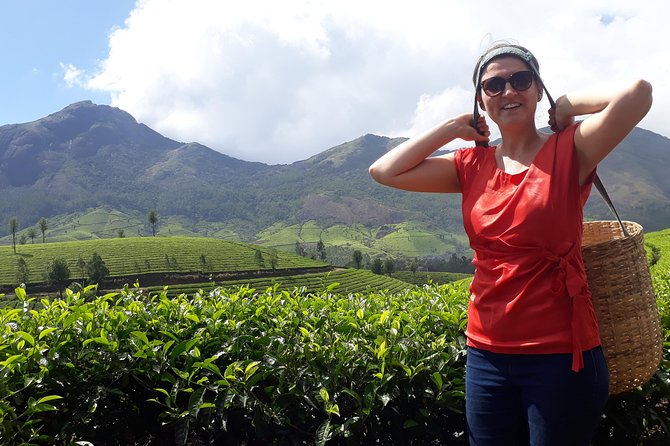
- Tea farm views high in the Western Ghats at roughly 5,000 feet, with cool air and big hill panoramas
- Arun-style tea explanations that cover types of tea, production techniques, and even tea’s health benefits
- Time on plantation paths plus a pickers village moment, so you see tea as a living livelihood
- Factory viewing and a tea taste, not just a quick photo stop
- Private group format, so you’re not competing for attention or translations
Setting Off From Munnar KSRTC Bus Stand at 9:00 AM
The tour meets at Munnar KSRTC Bus Stand, on MSA Rd near Moolakadai. It starts at 9:00 am, and it ends back at the same meeting point, so you don’t have to guess where you’ll be dropped.
Why this matters: Munnar can be busy in the morning. If you’re coming in from town, you’ll want to build in time to find the exact spot and get settled before start time. Since the tour doesn’t include private transportation, you’ll likely use a shared auto/taxi/tuk-tuk or local bus to get there.
If you prefer walking into plans with less stress, aim to arrive a bit early, look for the person organizing the group, and confirm you’re at the right start point.
You can also read our reviews of more tours and experiences in Munnar.


What You’ll Actually See on the Tea Farm Side of Munnar
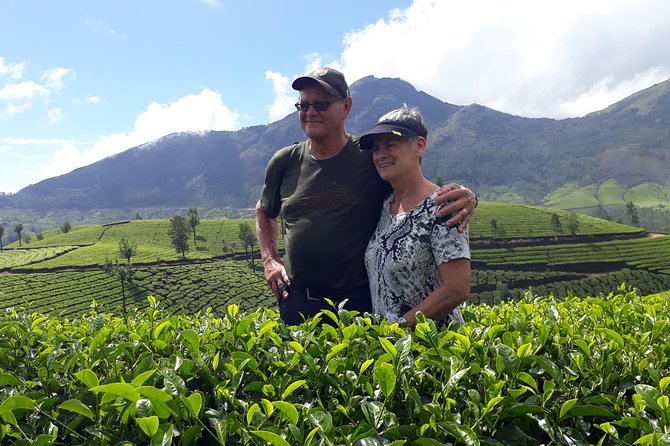
This is not a quick drive-by of tea fields. You’re there for a guided tea trail that connects the scenery to the product.
At this elevation in the Western Ghats, tea plantations sit on slopes and ridgelines. That means the experience feels like a mix of gentle hiking and open-air learning. You should expect walking on uneven ground and small changes in elevation, especially once you move from the main area into plantation paths.
A few specific things you’ll likely notice as you go:
- Different tea sections and styles of cultivation depending on the plantation area
- Tea plants shaped by slope and climate, because hillside farming isn’t flat-ground farming
- People working the fields, which helps the whole system feel real instead of staged
One thing I like about how this kind of tour is set up: you’re not only looking at leaves. You’re learning why the leaves are handled the way they are, and that makes the later tasting more meaningful.
Arun’s Tea Talk: Types, Production, and Why It Tastes Different
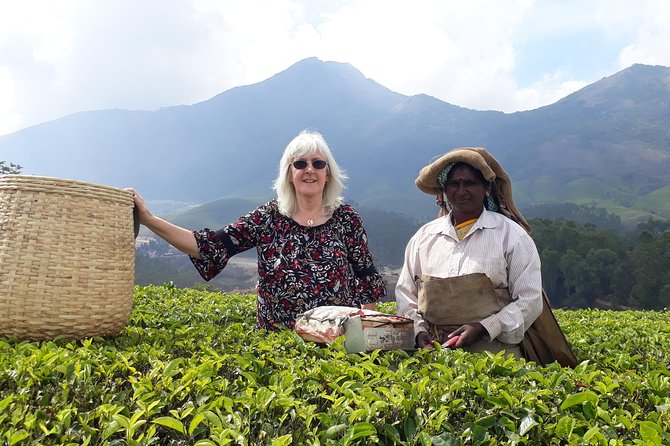
The guiding here is a big part of the value, and the name that comes up again and again is Arun (sometimes spelled Aroun in written reviews). His style is patient and explanation-heavy, with attention to how tea gets from leaf to final product.
From what’s been described, you’ll get a tea education that covers:
- A quick history of Munnar’s tea legacy
- Tea types and how they differ
- Production techniques, including what happens after the leaves are picked
- Health benefits, explained as part of the tea story rather than as a hard sell
The practical payoff for you: tasting becomes less confusing. Instead of drinking something that just tastes good, you start noticing why it tastes that way—leaf handling, drying, and processing choices.
Also, if English isn’t your strongest language, don’t worry too much. People have noted Arun’s willingness to repeat and slow down when needed. That’s huge on tours where the group has mixed language comfort.
Factory Stop and Tea Tasting: The Part That Converts Curiosity Into Sense
Most tea tours either show the view or show the factory. This one aims to connect the two, which is why it tends to land well.
You can expect a look at how tea moves through the processing chain—especially the steps that happen after leaf picking. Reviews point to seeing leaves dried and processed, and getting a tea taste afterward. There’s something satisfying about this order: you see the work, then you test the result.
Why the factory/tasting pairing matters:
- You stop treating tea as just a beverage brand and start treating it as a craft
- The taste has context, so you can actually compare what you’re drinking
- You leave with mental notes you can use later when you buy tea
And yes, coffee and/or tea is included—so you’ll have something in hand while you learn.
If you’re the type who usually buys tea without understanding the differences, this is where the tour pays off. Even if you don’t become a tea expert, you’ll learn what questions to ask next time you’re shopping.
The Best Part: Less-Traveled Plantation Paths and a Pickers Village Moment
This tour is at its strongest when it goes beyond the obvious photo viewpoints. The guiding approach described includes taking you along less well-trodden paths and creating time to experience areas like a pickers village and the slopes where daily work happens.
For you, that means the tour feels more human:
- You see tea as a job and a community, not just a postcard
- You get to understand roles in the supply chain, not just the end product
- You get a slower rhythm than the standard drive-then-leave pattern
Practical note: village visits and slope walks can mean you’ll be standing or walking on uneven surfaces. Wear shoes you’re comfortable with. If you’re sensitive to steep steps, take it slow and ask your guide to pace you.



Price and Value: What $24 Buys (and What It Doesn’t)
At $24.00 per person for about 3 hours, you’re paying for three things:
1) A focused guide experience
2) Access to the plantation areas and processing viewing
3) Coffee and/or tea included
What’s not included is just as important: private transportation. That’s the one cost you’ll still need to plan for depending on where you’re staying. If you’re already near the KSRTC bus area or you don’t mind using local transport, this tour’s total value stays strong.
So is it worth it? If your goal is to understand how tea is made and to taste it with context, yes. If you mainly want scenic photos and zero walking, you might find the time better spent on viewpoints with a simpler route.
Pacing, Comfort, and Who This Tour Fits Best
This is listed as a private activity, and it’s described as something that most people can participate in. That’s encouraging, but it still doesn’t mean it’s a “sit down the whole time” experience. Plantation walking typically involves some uneven ground and gentle climbs.
I think this tour is a great match for:
- Food and drink lovers who want the story behind what they’re eating
- People who like nature scenery but also want explanations
- First-timers in Munnar who want a single, high-quality tea-focused plan
It’s less ideal if you:
- Want a long hike or a full-day trek
- Prefer to avoid slopes and rough ground
- Don’t want to handle transport to the KSRTC meeting point
Quick Checklist Before You Go
Bring the usual Munnar basics: comfortable shoes, water, and a light layer. Morning weather at elevation can feel cooler than you expect, especially in the Western Ghats. Since this is a short, guided window, you’ll enjoy the experience more if you show up ready to walk and listen.
Should You Book This Tea Farm Tourism Tour?
If you’re in Munnar and you want one tea experience that connects plantation life to tea processing, I’d seriously consider booking this. The blend of high-elevation scenery, factory viewing, and tea tasting makes the time feel purposeful, not generic. Plus, the guide attention—Arun’s patient, repeat-and-explain style—is a major reason people rate the experience highly.
I’d only skip it if transport is a dealbreaker for you or if you’re set on something more wildlife-heavy or full-day. For a half-morning tea education with real-world context, this is the kind of tour that makes Munnar make sense fast.
FAQ
Where does the tea farm tour start?
It starts at Munnar KSRTC Bus Stand on MSA Rd, near Moolakadai, Munnar, Kerala 685612, India.
What time does the tour start, and how long is it?
The tour starts at 9:00 am and lasts about 3 hours.
Is coffee or tea included?
Yes. Coffee and/or tea is included.
What transportation is included in the price?
Private transportation isn’t included, so you’ll need to arrange how you get to the meeting point.
Is this a private tour?
Yes. It’s a private tour/activity, meaning only your group participates.
Can I cancel for a full refund?
Yes. You can cancel up to 24 hours in advance for a full refund. If you cancel less than 24 hours before the start time, the amount paid is not refunded.