
REVIEW · OSAKA PREFECTURE
Tea ceremony experience in Osaka with a small group
Book on Viator →Operated by Shuminavi Inc. · Bookable on Viator
Floor-level calm in Osaka. This small-group tea ceremony turns a formal tradition into something you can actually do yourself, from stepping into a tatami room to making matcha at your own place. I especially like the step-by-step teaching that works even if it’s your first time, and how relaxed the pace feels for up to four people. The one thing to consider is that the experience is built around a traditional tatami setup, so plan to be comfortable sitting in that style for the full session.
I also like that the format mixes performance with practice: you’ll start with a matcha + sweet tasting, then move into Ryurei style table tea where you learn how to whisk and serve matcha. And because the meeting area sits between Osaka and Kyoto, you can tuck this into a sightseeing day without feeling like you’re losing half the day to travel.
In This Review
- Quick Hits
- Tea Ceremony in Osaka: What You’re Really Buying
- Getting There: Ibaraki-shi Station to the Meeting Point
- Step One Inside: Tatami Room, Etiquette, and Your First Tasting
- Ryurei Style on a Table: Learning Matcha the Practical Way
- Tools, Tools, Tools: Why the Included Materials Matter
- Price and Value: What $67.11 Really Covers
- Timing: How This Fits With Osaka and Kyoto Days
- Who Should Book This Tea Ceremony Experience?
- Should You Book This Tea Ceremony in Osaka?
- FAQ
- How long is the tea ceremony experience?
- Is this experience private or shared?
- What is included in the price?
- What is not included?
- Where do we meet?
- What’s the nearest train station?
- How do we find the place when we arrive?
- Do I need to know anything about tea ceremony beforehand?
- What is the cancellation policy?
Quick Hits
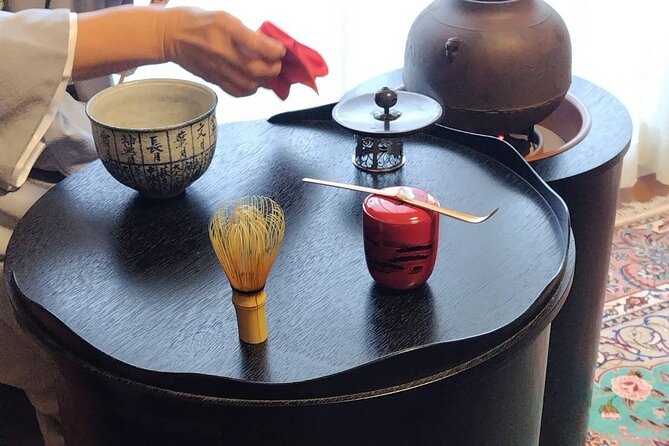
- Small group (up to four) means more hands-on coaching and less waiting around.
- Tatami room tea ceremony gives you the full traditional setting, not just a quick demo.
- Ryurei table style keeps things practical and repeatable, even for complete beginners.
- Hands-on matcha making so you’re not just watching.
- Japanese sweets + matcha included, which makes the experience feel complete.
- 1 hour 30 minutes (approx.) is long enough to learn, short enough to fit your day.
Tea Ceremony in Osaka: What You’re Really Buying
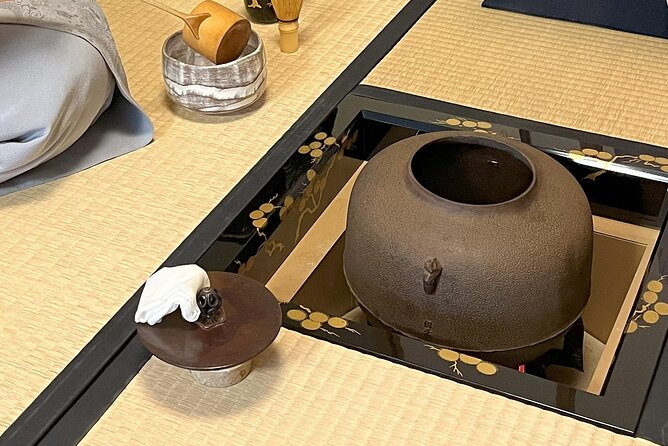
At $67.11 per person for about 1 hour 30 minutes, you’re paying for instruction in a craft. Not a vague cultural show. You’re learning the rhythm of the ceremony in a real tatami room, then getting a chance to make matcha yourself afterward.
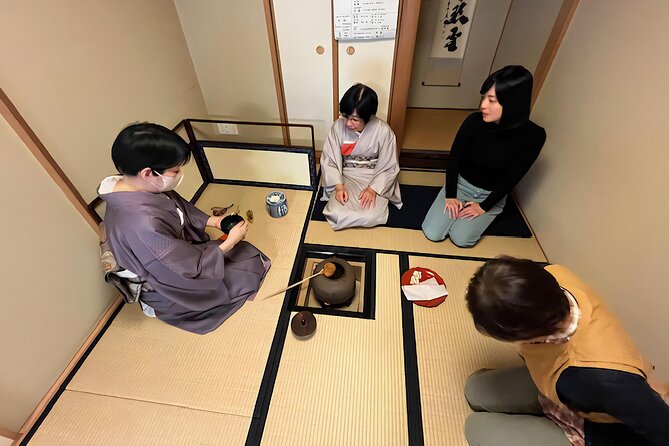
The small-group size is the real value lever. When there are only a few of you, the tea master and assistant can slow down for questions and correct small details that you’d miss in a larger group setting. That matters because tea ceremony has lots of tiny “how” moments—how you handle utensils, how you prepare and serve, and how you move.
Also, you’re not just doing the matcha part. You get Japanese sweets with the tea, and the experience is structured around tasting first, then learning the “do it yourself” part. That sequencing helps your brain understand what you’re trying to replicate.
Getting There: Ibaraki-shi Station to the Meeting Point
Your meeting spot is Repark Ibaraki Oike 1-Chome 14-46, in Ibaraki (Osaka Prefecture). The nearest station is Ibaraki-shi Station on the Hankyu Kyoto Line. Plan on a 10–15 minute walk from the station.
Here’s how I’d handle the arrival, practically:
- After booking, you’ll be contacted with the address and phone number for confirmation.
- On the day, arrive on time. If you’re running late or you get turned around, call the provided phone number.
- When you reach the location, call, and the hosts will come to meet you.
That phone-in meet-up approach is helpful in this kind of small-area experience. Tea ceremonies aren’t the sort of activity where you want to spend 30 minutes searching for a doorway.
Step One Inside: Tatami Room, Etiquette, and Your First Tasting
Once you’re inside, the session starts with how to enter the tatami room. That’s not just tradition-for-tradition’s-sake. For first-timers, it’s the fastest way to stop feeling awkward and start moving correctly.
Then comes a demonstration using matcha tea and Japanese traditional sweets. You’ll see the flow of the ceremony before you do it yourself, which is exactly what you want. If you start with hands-on practice without context, you can end up feeling like you’re copying moves without understanding why.
Even if you don’t know Japanese tea culture, you can still follow what’s happening because the session is designed to be explained clearly. The experience is built for people who don’t know much about Japanese culture, or people who mainly want to enjoy good tea and sweets while learning something real.
One more practical note: tatami rooms are a specific seating environment. If you have any mobility limits or you know you dislike floor seating, consider planning your day around being comfortable for the duration. This isn’t a standing-and-wandering activity.
Ryurei Style on a Table: Learning Matcha the Practical Way
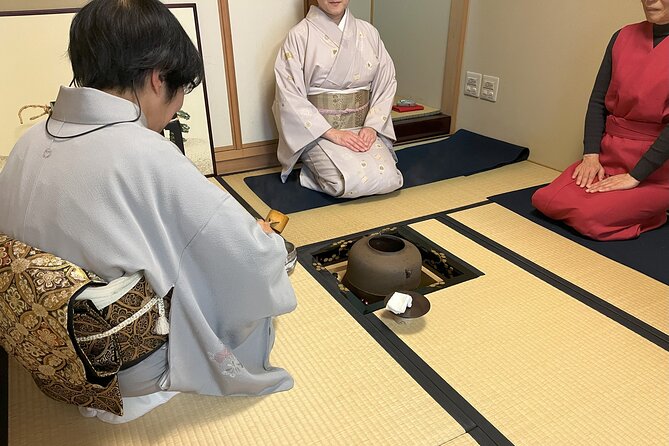
After the initial ceremony, you shift into Ryurei style (table style tea ceremony). This is a big deal for first-time learners because table format tends to feel more manageable. Instead of worrying about everything in a full, formal setup, you can focus on the core skills: preparing and serving matcha correctly.
You’ll also get instruction on how to make matcha. The goal isn’t to turn you into a tea master by the end. It’s to help you understand the process so you can recognize what good matcha looks and tastes like, and what you’re supposed to be doing with the tools.
Then you do the best part: you drink matcha that you make yourself, paired with the traditional sweets. That hands-on tasting is where learning locks in. You stop thinking of matcha as something you order, and start experiencing it as something you prepared.
Tools, Tools, Tools: Why the Included Materials Matter
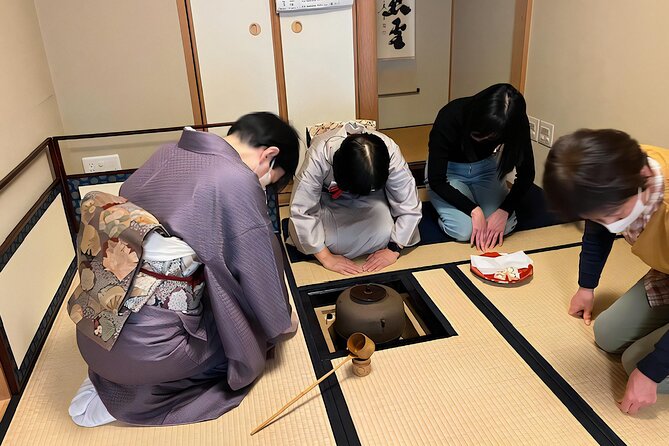
One of the quiet wins here is that the activity includes the tools and materials needed for the class. That sounds obvious, but for hands-on cultural activities, it’s what separates a real lesson from a fancy walk-through.
Because everything you need is provided, you can focus on learning rather than logistics:
- You don’t have to bring anything.
- You don’t have to worry about finding the right utensils.
- You can concentrate on technique and timing.
And since matcha green tea and Japanese sweets are included, the experience feels like a full tea moment, not an add-on where you still have to pay for food or drinks separately.
Price and Value: What $67.11 Really Covers
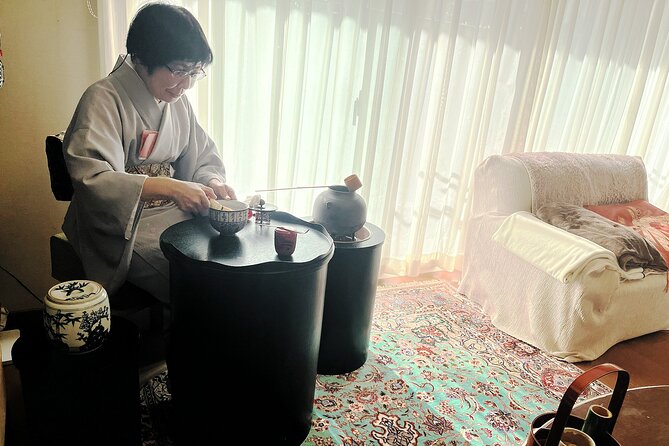
The headline price is $67.11 per person, and the session runs about 60–90 minutes. On its face, that may seem steep compared with a quick café tea. But you’re not paying for tea alone. You’re paying for:
- instruction from a tea ceremony master,
- a tatami-room format,
- sweets included,
- and hands-on matcha making with coaching (in a private, small group up to four).
If you divide it by time, it’s essentially a focused class plus tasting and practice. That’s what makes it feel fair. You get value from the teacher’s attention and the structure of the session, not just the ingredients.
One more value angle: the listing notes group discounts and that it’s a mobile ticket experience. Group discounts can help if you’re traveling with friends or family, and the mobile ticket is a small convenience if you’re bouncing between Osaka and Kyoto that day.
Also, the fact that it’s typically booked about 37 days in advance is a subtle hint about demand. If you want a specific time slot, don’t leave it until the last minute.
Timing: How This Fits With Osaka and Kyoto Days
The location is described as being between Osaka and Kyoto, which is practical advice. You can add this tea ceremony to a day plan without making it your whole trip.
Since you’re looking at about 1 hour 30 minutes, you can plan your day like this:
- Morning or early afternoon: tea ceremony (tatami + hands-on matcha)
- Rest of the day: Osaka or Kyoto sightseeing as you like
The session’s length also makes it easier to stay energized. You’re not committing to a long multi-stop tour. You can return to your normal routine after learning something that feels genuinely Japanese.
Who Should Book This Tea Ceremony Experience?
This works best for you if:
- you’re curious about Japanese culture but don’t want a lecture,
- you want the full experience of tatami + matcha + sweets,
- you like hands-on learning rather than just watching,
- you’re traveling in a small group and value personal attention.
It may be less ideal if:
- you strongly prefer not to sit in a tatami room setting,
- you want a longer event with lots of free time,
- you’re looking for something more like a museum-style tour with lots of walking.
That said, the format is designed to reduce intimidation. Even if you don’t know the culture, you’ll be guided through it.
Should You Book This Tea Ceremony in Osaka?
If you want a cultural activity that feels calm, structured, and actually teachable, I think you should book this. The biggest reasons are simple: small group size, clear instruction, and the fact you’ll make matcha yourself, not just taste it.
If you’re the type who learns best by doing, this is a strong match. If you’re on the fence because of comfort with tatami seating, then plan around that. Otherwise, you’re getting a genuine, practical tea moment that you can remember long after the flavor fades.
FAQ
How long is the tea ceremony experience?
The session takes about 60–90 minutes, with the overall experience listed at about 1 hour 30 minutes.
Is this experience private or shared?
This is a private experience for your group only. It’s also described as a small group of up to four people.
What is included in the price?
The experience includes tools and materials, Japanese sweets, and matcha green tea.
What is not included?
Traveling expenses are not included.
Where do we meet?
The meeting point is Repark Ibaraki Oike 1-Chome 1-chōme-14-46, Ōike, Ibaraki, Osaka 567-0826, Japan.
What’s the nearest train station?
The nearest station is Ibaraki-shi Station on the Hankyu Kyoto Line, and it’s about 10–15 minutes on foot from the meeting point.
How do we find the place when we arrive?
After your reservation, you’ll receive confirmation details with the address and phone number. On the day, you call the phone number when you arrive, and the hosts will come meet you.
Do I need to know anything about tea ceremony beforehand?
No. The session is designed for people who don’t know much about Japanese culture, and you’ll receive easy to understand but detailed explanations.
What is the cancellation policy?
Free cancellation is available up to 24 hours in advance for a full refund. If you cancel less than 24 hours before the start time, the amount paid is not refunded.