REVIEW · TOKYO
Tokyo:Tea ceremony experience at Komaba Warakuan
Book on GetYourGuide →Operated by Japanticket Inc. · Bookable on GetYourGuide
Tea, taught like a living craft. At Komaba Warakuan in Tokyo, you get a close-up, beginner-friendly tea lesson in a small group, plus the option to match the mood with either Rich or Light tea. It is not a quick show. It is a hands-on class that explains what you are doing and why.
I also love the setting: this school traces its roots to the Kobori Enshu tea line and even served as a tea-teaching base linked to the third Tokugawa shogun. One heads-up: the location can be a little tricky to find without solid directions, and the instruction is in Japanese only.
In This Review
- Komaba Warakuan at a Glance: What Matters Most
- Komaba Warakuan: A Tea School Tied to the Tokugawa Era
- Choosing Rich Tea or Light Tea: Quiet Focus vs Sun-Seat Energy
- The 90-Minute Flow: What You Do From Arrival to Tea Room
- Step Into Tabi Socks: The Small Rule That Changes the Mood
- Tea Making, Taught Slowly: What Beginners Actually Need
- Traditional Sweets and the Tea Moment: More Than a Beverage
- The Historical Details That Make It Feel Real
- Value Check: Is $56 Worth 90 Minutes of Tea Learning?
- Who This Tea Ceremony Fits Best
- Practical Tips So Your Tea Lesson Goes Smoothly
- Should You Book Komaba Warakuan Tea Ceremony in Tokyo?
- FAQ
- How long is the Komaba Warakuan tea ceremony experience?
- How much does it cost?
- Is this a small group experience?
- What language is the instruction in?
- Can I choose between different tea experiences?
- What happens during the lesson?
- Are tabi socks provided?
- Are any tools/items provided for the ceremony?
- What is the cancellation policy?
- Is the location easy to find?
Komaba Warakuan at a Glance: What Matters Most
- Small-group lesson (max 4): more time for questions and slower pacing
- Rich tea vs Light tea seating: choose quiet focus or brighter, more talk-friendly energy
- Hands-on guidance for beginners: you learn the flow and how to make tea
- Historical connection: the school is tied to Kobori Enshu tradition and the Tokugawa era
- Traditional sweets included: tea and wagashi come as part of the experience
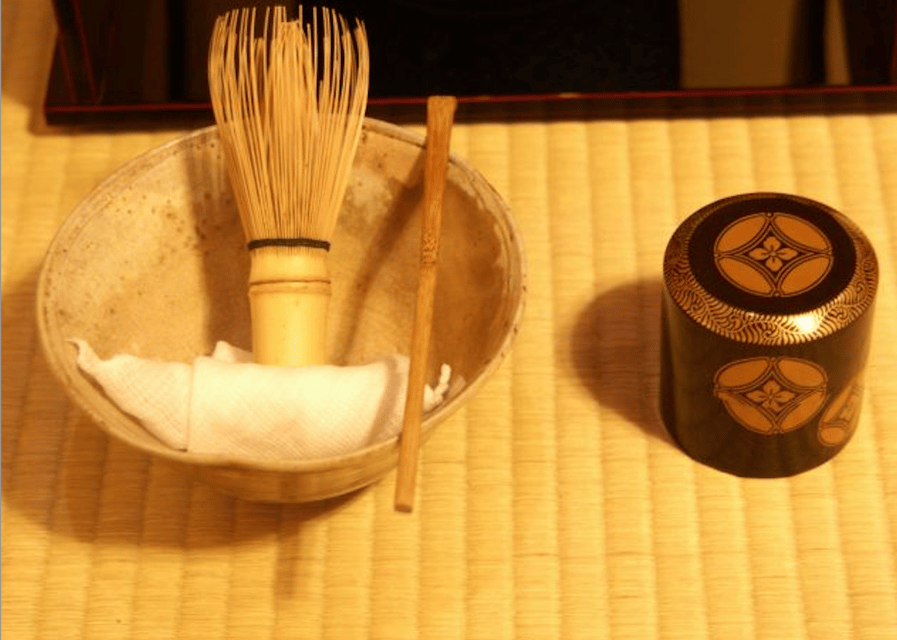
- Helpful materials provided: tabi socks and ceremonial tools like fukusa items are given
Komaba Warakuan: A Tea School Tied to the Tokugawa Era
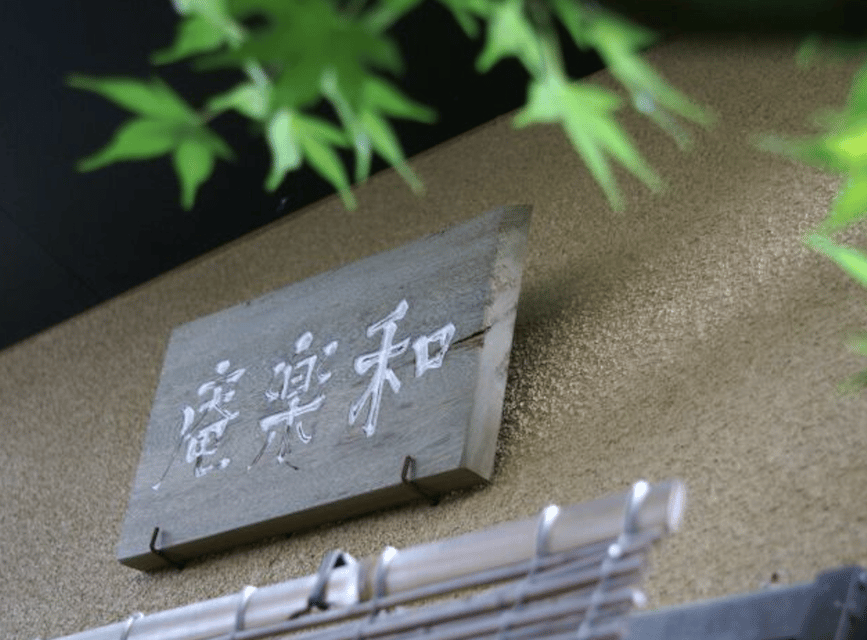
If you want Tokyo to feel less like a checklist and more like a real tradition, this tea ceremony is a strong fit. Komaba Warakuan is not just a room where people watch tea being made. It is a school with a long lineage connected to the Kobori Enshu school, and it also served as a tea instructor for the third Tokugawa shogun. That matters because the class is built around teaching a practice, not just performing it.
The vibe is also intentionally calm. You are guided through the process step-by-step, and the pacing is meant for learners. That is why this works well even if you are new to Japanese tea culture. You are not expected to know etiquette in advance. You are expected to learn it during the lesson.
One more thing I appreciate: the experience is structured around people who want to participate. You will handle items, follow the sequence, and make tea yourself. That is how tea ceremony stops being abstract and becomes something you can actually remember.
You can also read our reviews of more tours and experiences in Tokyo.
Choosing Rich Tea or Light Tea: Quiet Focus vs Sun-Seat Energy
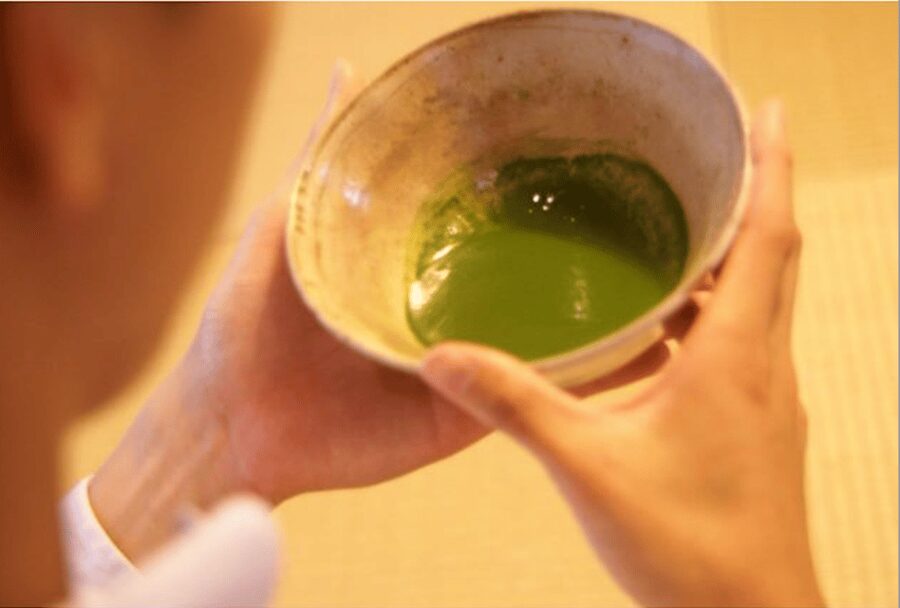
This is one of the best decisions you get to make before you start: Rich tea or Light tea.
- Rich tea is described as a hidden seat. The tone leans toward quiet and composure, where you can face the tea and take it in with less small talk.
- Light tea is described as the seat of the sun. The atmosphere is bright, and conversation is encouraged, with a livelier feel.
Think of it like choosing between two different moods of the same tradition. If you like your travel moments peaceful—sit, observe, learn—Rich tea is the calmer match. If you travel with energy, like to chat, or you simply want something less solemn, Light tea fits that social rhythm.
Either way, you still get the core of the ceremony: Japanese tea and traditional sweets, taught as an experience rather than a lecture. So you are not gambling with quality. You are selecting the emotional tone.
The 90-Minute Flow: What You Do From Arrival to Tea Room
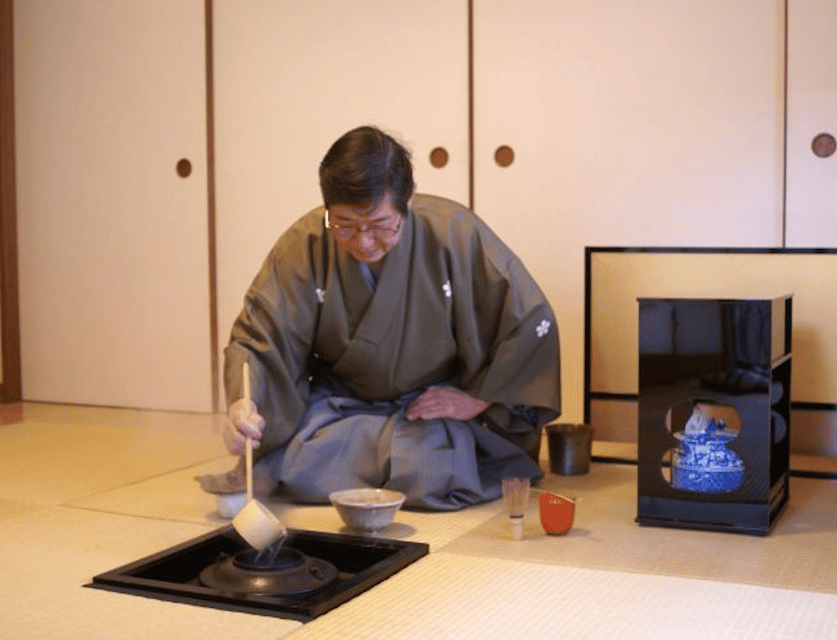
Your session runs roughly 90 minutes to 2 hours, depending on starting times. The overall flow stays straightforward, and that makes it easier for first-timers.
First, you are welcomed and told the process. You get a clear rundown of what will happen next—how things move in sequence, what you should expect, and what you will be doing during the lesson. This is a big deal. Tea ceremony has a lot of steps, and a quick explanation upfront prevents that frantic feeling of, I hope I did that right.
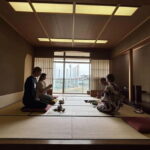
Next comes the move from the outside space to the tea room. You will switch into tabi socks right away, then walk to the tea room through an open area. The pacing here matters. It is part of the experience, not a random pre-lesson chore.
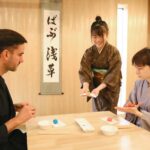
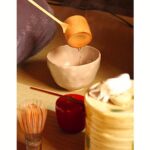
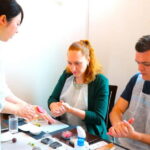
Then you learn tea-making carefully from the instructor. You will follow along and practice. This is where the small group size helps, because you are not just watching from a distance. You are guided while you do the steps.
Finally, the whole thing lands with tea and sweets. The ceremony is not only about the motions. It is also about tasting and receiving hospitality in a ritual format.
Step Into Tabi Socks: The Small Rule That Changes the Mood
Japanese interiors can feel different from what you are used to, and this is one of the simplest ways to reset your body and mindset. In this class, you change into tabi socks immediately after you arrive and head toward the tea room through an open ground area.
You are provided tabi socks, but you are welcome to bring your own. If you are the type who hates improvising clothing, bringing your own can feel comforting. If you prefer to travel light, no worries—the class provides them.
Even if you have done similar things in Japan, this particular moment helps you slow down. Socks and careful walking make you pay attention. That attention is basically the point: the ceremony begins before the cup reaches your hands.
Tea Making, Taught Slowly: What Beginners Actually Need
Here is what makes this class work for beginners: the instructor teaches carefully, and the lesson focuses on what you are doing in the moment. Tea ceremony is often described as complex, but in practice, learners need two things—clear instruction and time to follow without pressure.
You will be taught how to make tea during the class. You also get practical help with the tools and smaller elements that make the ceremony look effortless. That is where many tea experiences fall short—they show the final form but do not teach the steps behind it.
In this session, you are given ceremonial tools too. One item mentioned is fukusa scissors, described with examples like a folding fan, paper, and toothpick. If you already have your own fukusa-related items, you can bring them. Otherwise, the session provides what you need.
This is another reason it feels authentic. It is not just a guided tasting. It is a real teaching setup where tools are part of the learning.
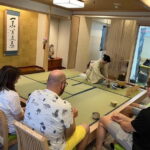
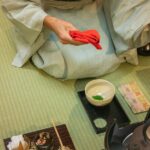
Traditional Sweets and the Tea Moment: More Than a Beverage
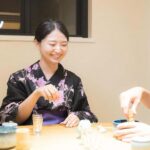
All plans include Japanese tea and traditional sweets. This matters because in tea ceremony, the sweets are not a random bonus. They set the stage for the flavor and the pace of the interaction.
In the Rich tea style, the quiet seating means the sweets and tea often land in a slower, more reflective way. In the Light tea style, the conversation tone tends to make the tasting feel more social and upbeat.
You do not have to choose based on sweetness preferences alone. Choose based on what kind of energy you want to bring into your tea moment. That choice shapes how the tasting feels even though the core elements—tea and sweets—are included either way.
The Historical Details That Make It Feel Real
A lot of Tokyo activities say historical, but you cannot always feel it. Here, the school’s background gives the lesson weight. Komaba Warakuan is tied to the Kobori Enshu teaching tradition and has that Tokugawa-era connection through service as a tea instructor for the third Tokugawa shogun. That is the kind of detail that explains why the ceremony is taught like a school, not like a tourist theater.
Another subtle authenticity factor: the lesson is small. Limited to 4 participants, it is easier for the instructor to keep it personal and for you to follow along without feeling like you are on display.
And the class does not ignore the basics. Beginner-friendly teaching is central, so you spend your time learning instead of pretending you understand.
Value Check: Is $56 Worth 90 Minutes of Tea Learning?
Price is listed at $56 per person, and taxes are included. On paper, it is a simple number. In real travel terms, the value comes from what you get for that time.
You are paying for:
- instruction (not just viewing)
- a small-group setting (max 4)
- Japanese tea plus traditional sweets
- hands-on practice in making tea
- practical items like tabi socks provided and ceremonial tools available during the class
If you are doing this while sightseeing in Tokyo, it is easy to compare it to other cultural experiences that may be more passive. This one leans active and educational. You leave with a better understanding of what you were doing and how the flow works.
Is it the cheapest option in town? Probably not. But for a 90-minute-to-2-hour guided tea lesson in a historic school setting, with tea and sweets included, it can feel like a fair price—especially if you care about doing it properly rather than ticking a box.
Who This Tea Ceremony Fits Best
This is best for you if you want a calmer, more intentional Tokyo experience. Specifically:
- You are a beginner who wants real instruction, not just a performance
- You like cultural activities where you can participate with your hands
- You want a small-group feel instead of a large group routine
- You can work with Japanese-language instruction, since the class is in Japanese
It can also work well if you are traveling with kids. One set of experiences described even teenagers enjoying it, which suggests the pace and structure can hold attention. Just keep in mind the class language is Japanese.
Practical Tips So Your Tea Lesson Goes Smoothly
A few simple ideas can make your experience feel easier.
Arrive a bit early and plan for location navigation. Some people reported difficulty finding the spot, so it is worth double-checking the route before you head over.
Come ready to switch into tabi socks on arrival. Wear shoes that are easy to take off. If you have your own tabi and prefer it, bring it—but if not, you are covered.
Pick your plan based on your mood:
- Choose Rich tea if you want quiet focus.
- Choose Light tea if you want brighter conversation energy.
And most importantly: treat the lesson like a class. Listen for the flow, ask questions when you can, and follow the instructor’s guidance even if you feel a little awkward at first. That awkwardness fades fast once you start doing the motions.
Should You Book Komaba Warakuan Tea Ceremony in Tokyo?
Yes, consider booking if you want a tea ceremony that feels more like training than entertainment. The combination of beginner-friendly instruction, small group size (max 4), and the option between Rich and Light tea seating gives you control over the tone of the experience.
I would skip it—or at least rethink—if you really need everything in English. The class language is Japanese, and while the experience is taught carefully, you may still find the communication level limiting.
If you are aiming for a genuine, low-pressure cultural moment in Tokyo—tea, sweets, and real hands-on learning—Komaba Warakuan is a solid choice.
FAQ
How long is the Komaba Warakuan tea ceremony experience?
The duration is 90 minutes to 2 hours. Starting times depend on availability.
How much does it cost?
It is priced at $56 per person.
Is this a small group experience?
Yes. The group size is limited to 4 participants.
What language is the instruction in?
The instructor teaches in Japanese.
Can I choose between different tea experiences?
Yes. You can choose between Rich tea and Light tea.
What happens during the lesson?
You’ll receive an explanation of the flow, change into tabi socks and walk to the tea room, then the instructor will teach you how to make tea. Traditional sweets and Japanese tea are part of the experience.
Are tabi socks provided?
Yes, tabi socks are provided, though you are also welcome to bring your own.
Are any tools/items provided for the ceremony?
Fukusa scissors (described with examples such as folding fan, paper, toothpick, etc.) are provided. You can bring your own if you have them.
What is the cancellation policy?
You can cancel up to 3 days in advance for a full refund.
Is the location easy to find?
Some previous visitors said they had difficulty finding the place, so it is a good idea to plan your route ahead of time and arrive with clear directions.
You Might Also Enjoy
 Discover the Lake Agnes Tea House Trail with an Audio Nature Tour
 Kyoto: Tea Ceremony in a Traditional Tea House in Kiyomizu
 Experience all of Japanese culture and Japanese food experience classes “origami, udon, Japanese food, green tea, calligraphy” in 4 hours
 London Vintage Bus Tour with Cream Tea at Harrods