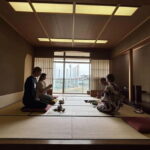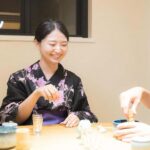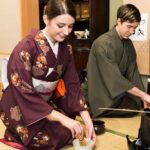
Matcha and koto in a real home. This private session with Noriko feels relaxed and personal, with hands-on matcha and a live koto performance. The one thing to consider is the location: it’s in Shin-Urayasu, not central Tokyo.
If you want a strict, scripted experience, this isn’t that. It’s designed for questions and conversation, and the optional yukata adds extra time to the visit.
In This Review
- Key highlights at a glance
- A private tea-and-koto night that doesn’t feel like a performance
- Getting to Shin-Urayasu: simple, local, and not complicated
- How the tea ceremony runs: from first matcha to making your second bowl
- Koto music: you’ll hear it, then you’ll play it
- The optional yukata experience: great photos, but plan for extra time
- Why this private format is better than a big group tour
- Price and value: what $81 is buying you in real terms
- Timing tips: how to get the most out of a short 2-hour visit
- Who should book this experience, and who might pass
- Should you book this private Tokyo tea ceremony and koto session?
- FAQ
- How long is the tea ceremony and koto experience?
- Where do I meet for this activity?
- How far is it from Tokyo Station?
- Is this experience private?
- Do I make matcha myself or just watch?
- What happens during the koto part?
- Is the yukata included?
- What is the cancellation policy?
Key highlights at a glance
- Host-led tea ceremony in a cozy home with a warm, welcoming vibe and no strict rules
- You make matcha for the second bowl, guided step by step
- Live koto performance plus your turn to play a melody
- Seasonal sweets with your tea, including two small sweets and one seasonal sweet
- Optional yukata for photos (3,500 yen), with extra time for selection and styling
- Easy transit from Tokyo Station via Shin-Urayasu, plus a short walk
A private tea-and-koto night that doesn’t feel like a performance
Tokyo can be full of high-volume tours. This experience is the opposite. You’re welcomed into a local home in Urayasu (near Shin-Urayasu Station), and the whole flow is built around calm moments: making tea, tasting sweets, listening to koto, then trying it yourself.
What I like most is that it’s informal and private. You can ask anything you’re curious about, from tea culture to everyday life, without feeling rushed or put on the spot. And the second thing that really works: it’s not just watching. You’ll participate, first by making your own bowl of matcha and later by playing a melody on the koto.
If your priority is speed and ticking off landmarks, you might find two hours a little slow. But if your priority is meaning—how Japanese culture actually feels in real settings—this is a strong fit.
You can also read our reviews of more tours and experiences in Tokyo.

Getting to Shin-Urayasu: simple, local, and not complicated
The meet-up is at Shin-Urayasu Station (JE08). From Tokyo Station, it’s about 20 minutes, then you’ll do a short walk—around 4 minutes from the nearest station. Once you’re at the meeting point, you’ll head to Noriko’s home with a brief walk (about 3 minutes).
That matters more than it sounds. Tokyo station areas can be chaotic. Here, the route stays straightforward and human-scale. You won’t be juggling long subway transfers or getting lost in a maze of stations.
You end back at the meeting point. So you’re not spending your “good part of the day” figuring out logistics.
How the tea ceremony runs: from first matcha to making your second bowl
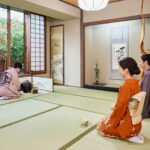
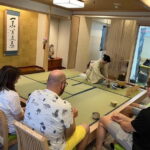
The experience starts with a welcome at Noriko’s home. You’ll begin with a relaxed tea ceremony, and Noriko shares context before you drink—history and background around tea that helps you understand what you’re seeing and tasting. It’s the kind of explanation that makes the ritual feel less mysterious and more practical.
Then comes the part you’ll actually remember: the tea itself.
You get two bowls of matcha:
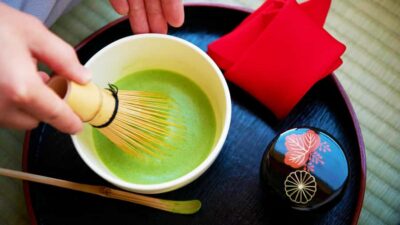
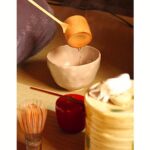
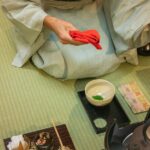
- Noriko prepares the first bowl, so you can settle in and observe.
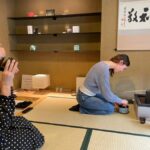
- For the second bowl, you make it. Noriko guides you step by step.
That hands-on structure is the sweet spot for most visitors. You get the calm “watch and learn” start, but you also leave with a skill you can describe when you’re back home.
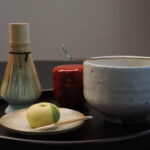
With your tea, you’ll also have two small sweets and one seasonal sweet. The seasonal element is important. It keeps the experience from feeling generic, like a tea set poured into the same mold every time.
One practical note: because it’s a relaxed, home-based setting, expect a slower pace than a stage-like demonstration. That’s part of why it feels special.
Koto music: you’ll hear it, then you’ll play it
After the tea, you shift from one kind of Japanese tradition to another: the koto, a classic string instrument.
Noriko performs two pieces first. This is the best way to set your ear. Even if you don’t know anything about koto, you’ll quickly notice patterns—how the sound lands, how notes connect, and how the melody tells a story.
Then it’s your turn.
You’ll have a chance to try playing yourself. The experience is designed so you don’t leave feeling like you “failed at koto.” Noriko guides you in a way that helps you produce a melody fast. That’s a big deal because so many music experiences stop at listening.
And just like with the tea ceremony, this is not strict or rigid. It’s about participation, not perfection.
If you like the idea of “I touched it, I tried it, I can explain it,” this is the moment that usually delivers.
The optional yukata experience: great photos, but plan for extra time
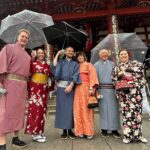
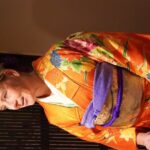
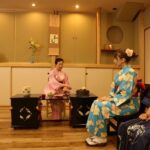
If you want to make the day feel more ceremonial, you can add an optional yukata (cotton kimono) experience for 3,500 yen. It’s available by cash, card, or PayPal (as listed).
You’ll be dressed in traditional style, and the time is different for men and women:
- Men: about 10 minutes
- Women: about 20–30 minutes (including selection)
Women also receive a simple hairstyle. After dressing, Noriko helps you take memorable photos.
The key consideration: the yukata option extends the experience time. So if you’re time-boxed, keep that in mind when booking.
Also, if you’re booking for photos, decide ahead of time what you want: a few quick shots after tea and before koto, or more time fully in yukata. The experience is designed to be flexible, but your schedule matters.

Why this private format is better than a big group tour
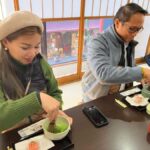
This is a private experience. Only your group participates, so you don’t get stuck sharing attention with strangers. That changes how the conversation works.
In a larger setting, hosts often have to keep things moving. Here, Noriko can answer your specific questions. You can ask about tea tools, matcha basics, or what different parts of the ritual mean, and you’ll get a response that fits your curiosity.
You also avoid the “stand in line and smile” feeling. Instead, the experience is paced like a real visit: welcome, tea, sweets, music, participation, photos.
From the reviews’ tone and the way the activity is described, the host’s approach seems consistent: warm, generous, and focused on sharing knowledge without turning it into a lecture.
If you’re the type who likes culture with context—how and why people do things—this private setup is a strong value.
Price and value: what $81 is buying you in real terms
The price is $81.00 per person for about 2 hours. That can sound high if you think of it as “tea only.” But that’s not what you’re paying for.
You’re paying for:
- A private home visit, not a public venue
- A guided tea ceremony with instruction and guided participation
- A live koto performance
- A chance for hands-on participation with the koto
- A guided flow that includes two bowls of matcha and three sweets
On top of that, you’re getting a host with a deep ability to explain culture in an approachable way. Even when you don’t speak Japanese fluently, the structure helps: watch, try, ask.
The optional yukata is separate cost (3,500 yen) and extends the time, so think of that as the “upgrade” for photos and dressing.
If you want a cultural experience that feels personal and interactive, this pricing makes more sense than it first appears.
Timing tips: how to get the most out of a short 2-hour visit
Two hours goes quickly when you’re learning and trying things. Here’s how to make it feel unhurried.
Plan to arrive a few minutes early at Shin-Urayasu Station. Then don’t rush the walk. Once you’re at the home, the mood shifts from commuter-time to slow-time.
If you choose yukata, plan around that added time. For women especially, selection and styling can take 20–30 minutes, so your “tea and koto time” will feel proportionally shorter.
Finally, come with at least a couple of questions. The experience is explicitly set up for you to ask anything you’re curious about Japanese culture, so your questions can guide what feels memorable.
Who should book this experience, and who might pass
This experience is a great match if you:
- Want Japan culture inside a real home setting
- Enjoy hands-on learning, not just watching
- Love matcha and are curious about what makes tea ceremonies meaningful
- Are interested in traditional music and want to actually try the instrument
- Prefer smaller, calmer experiences over big groups
You might consider a different option if you:
- Only have time for central Tokyo highlights and don’t want to travel to Shin-Urayasu
- Prefer highly structured, formal experiences with lots of rules
- Don’t want any added time for optional dressing (like yukata)
Should you book this private Tokyo tea ceremony and koto session?
I’d book it if you’re craving a cultural experience with real interaction. The combination is rare: matcha preparation you do yourself, live koto you hear, and koto you try, all hosted in a cozy home setting.
It also hits a smart travel sweet spot. You get a lot of cultural texture without spending half a day on transit or juggling multiple stops.
If you’re on the fence, decide based on two things:
1) Do you want to participate (tea-making and koto), not just observe?
2) Are you okay trading central Tokyo convenience for a more local setting in Urayasu?
If yes to both, this is an experience worth protecting in your schedule.
FAQ
How long is the tea ceremony and koto experience?
It lasts about 2 hours (approx.). If you add the optional yukata, the experience time will be extended.
Where do I meet for this activity?
You meet at Shin-Urayasu Station (JE08). The start location is listed as Shin-Urayasu Station 1 Chome-1 Irifune, Urayasu, Chiba 279-0012, Japan.
How far is it from Tokyo Station?
It’s about 20 minutes from Tokyo Station to Shin-Urayasu Station.
Is this experience private?
Yes. It’s private, and only your group participates.
Do I make matcha myself or just watch?
You do it yourself for the second bowl. Noriko guides you step by step to make your own matcha, after preparing the first bowl.
What happens during the koto part?
Noriko performs two koto pieces. Then you’ll get a chance to try playing a melody yourself.
Is the yukata included?
No, it’s optional. The yukata (cotton kimono) option costs 3,500 yen and is added when you request it during booking. It includes dressing, and women also receive a simple hairstyle.
What is the cancellation policy?
You can cancel for a full refund if you cancel at least 24 hours before the experience starts. Free cancellation is offered up to 24 hours in advance.