REVIEW · TOKYO
Authentic Japanese tea tasting session: sencha, matcha, gyokuro
Book on Viator →Operated by ShiZen Tea · Bookable on Viator
Japanese tea can taste like a different world. This 90-minute tasting at ShiZen Tea Experience turns everyday green tea nerd stuff into real flavors, with a lineup built around sencha, matcha, and gyokuro.
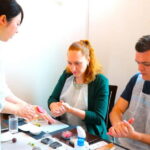
I like the small group setup, capped at 4 people, so you can actually ask questions and get clear, direct answers from your host, Yosuke. I also love the hands-on pacing: you taste multiple teas side by side while Yosuke walks you through what to notice, including prep details and a practical handout to keep you on track.
One thing to consider is the price: at $90.80 for about 1.5 hours, you’ll want to be sure you’re ready for a guided comparison (not a casual sample). Also, since green tea has caffeine, if you’re sensitive, tell them before the session.
In This Review
- Key things that make this tea tasting worth your afternoon
- Finding ShiZen Tea Experience in Morishita, Koto City
- What you actually taste: sencha, matcha, gyokuro (and plenty more)
- A 90-minute plan that stays fun and focused
- How Yosuke turns tea tasting into real understanding
- Learning the production story: farming, region, and handling
- Daily vs premium teas: why the contrast is the whole point
- Price and value: is $90.80 a smart spend?
- Who this tea experience fits best
- Should you book ShiZen Tea Experience in Tokyo?
- FAQ
- How long is the Japanese tea tasting session?
- Where does the experience start?
- Is it a tea ceremony?
- How many different teas are you tasting?
- What time does the tour start?
- Is the group size limited?
- Do I need to print a ticket?
- Is the meeting point near public transportation?
- What if I’m sensitive to caffeine?
- What is the cancellation policy?
Key things that make this tea tasting worth your afternoon
- Small group, max 4: more time for Q&A and fewer awkward silences
- Built around sencha, matcha, and gyokuro: direct comparisons that stick
- Daily teas plus premium grades: you see what changes when quality rises
- Not a tea ceremony: the focus is tasting, production, and history
- Guided tasting method: expect structured explanations and prep cues
- Practical handout support: helps you remember what you liked and why
Finding ShiZen Tea Experience in Morishita, Koto City
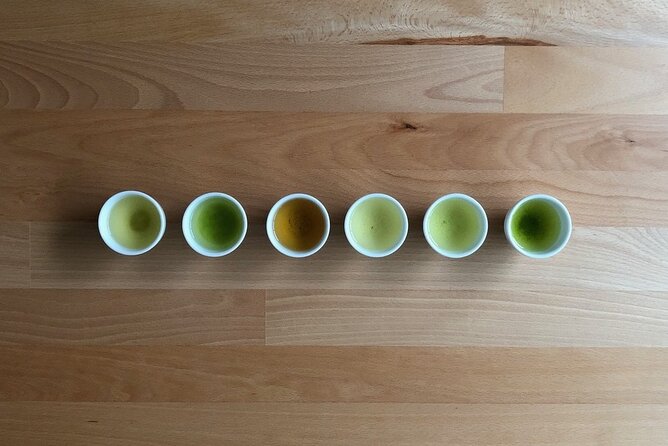
This class meets at ShiZen Tea Experience in Tokyo’s Koto City, in Morishita, with the address listed as: 2-chōme, 283 森下TMマンション 202 (135-0004). The location is described as near public transportation, so you’re not making a trek through half-lit backstreets with a dead phone battery.
The session runs from 1:30 pm and ends back where it started. That matters in Tokyo, because afternoon plans can get messy fast. Here, you can treat this like a neat, contained block of time: arrive, taste, learn, and then be free again without hopping across town.
You’ll also get a mobile ticket, which is the right kind of modern convenience for a small, focused experience like this.
You can also read our reviews of more tours and experiences in Tokyo.

What you actually taste: sencha, matcha, gyokuro (and plenty more)
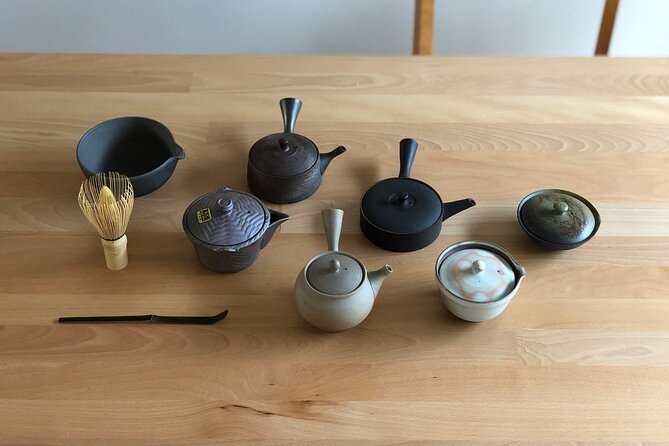
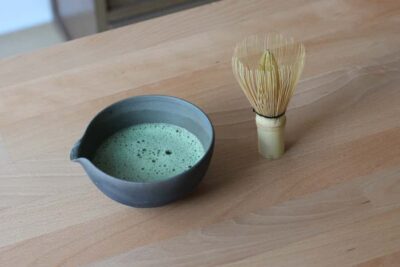
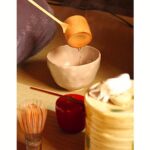
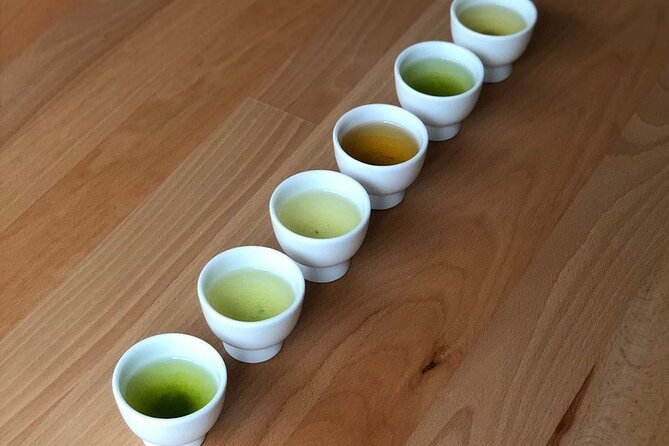
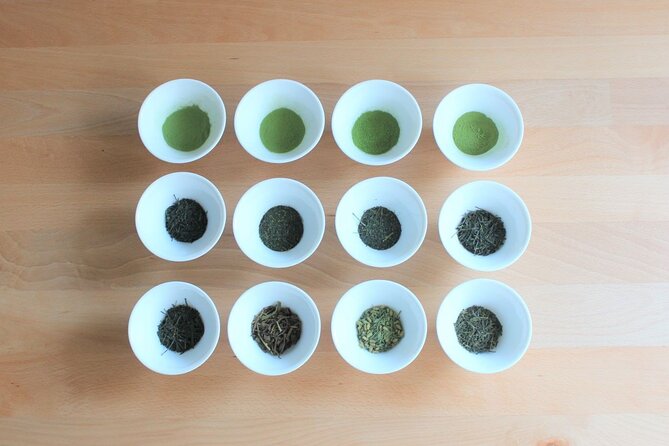
The big idea is comparison. You’ll taste 12 different types of Japanese tea, and the learning is built around seeing the differences in real cups—not just hearing facts. Your lineup includes sencha, matcha, and gyokuro, and you’ll also sample other varieties as part of the same guided progression.
Here’s why that’s useful: when you try just one style, it’s easy to say it’s good or not good and stop there. When you taste several styles in one sitting, you start noticing patterns—how leaf processing and brewing choices affect flavor, aroma, and overall feel in the cup.
This session also splits the lineup between daily tea and higher-end premium tea. That means you’re not only chasing rarities for bragging rights. You get a side-by-side feel for what changes when the tea moves from “regular good” to grades that can surprise even people in Japan.
A 90-minute plan that stays fun and focused
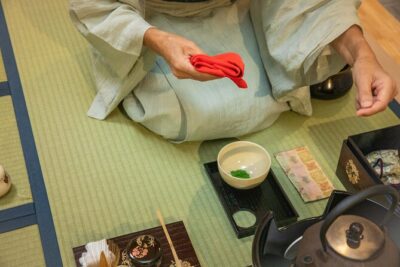
This isn’t a long lecture, and it’s not a silent performance. It’s a tasting-first lesson. The description is clear that it’s not a tea ceremony, so you won’t be stuck in ritual-only mode. Instead, you’ll taste and then get explanations tied to each tea.
In practice, the pace matters. The experience is designed to keep the tasting well paced and organized, so you can reset your palate between cups. One highlight from past participants: Yosuke’s methodical tea preparation shows up clearly, and you learn what to notice as the session goes along. Another strong detail: people mention a 9-page handout that helps you follow along as each tea is sampled.
You can think of it like a wine tasting for green tea. Same general idea—structured samples, guided noticing, and context right when it helps you understand what you’re tasting.
How Yosuke turns tea tasting into real understanding
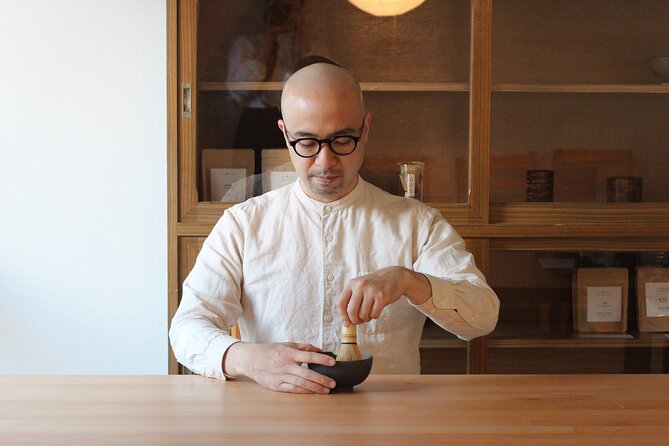
Your host is Yosuke, and the tone from past sessions is consistent: organized, communicative, and very willing to answer questions. If you’re the type who likes to ask why something tastes the way it does, this class supports that.
You’ll also get explanations with each tea, including how it is made and historical background. The goal is to help you build a big picture of Japanese tea by the end—so you don’t just walk away with a few favorites, but with a clearer sense of the categories and how production choices connect to flavor.
One practical advantage: because the session emphasizes production and history alongside tasting, it’s easier to take what you learn and apply it later. That matters if you plan to shop for tea in Japan. You’ll be better prepared to understand why two tins of green tea labeled similarly might taste completely different.
Learning the production story: farming, region, and handling
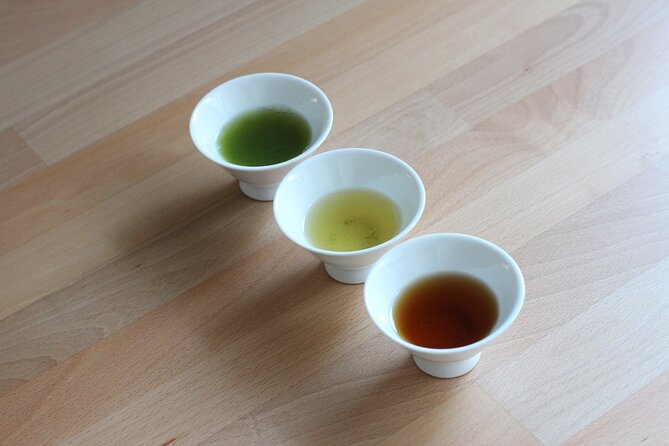
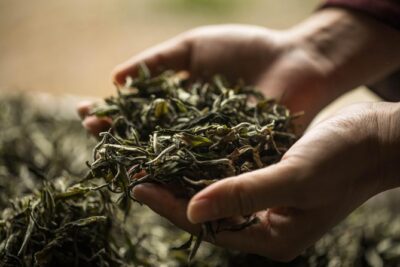
This is one of the most valuable parts if you enjoy food and culture history. The class doesn’t treat tea like a mysterious powdery drink. You’ll learn about how Japanese green tea is produced, with attention to regional differences and farming factors.
People also mention practical details like plantation locations. Even without you becoming a tea agronomist overnight, this kind of context makes the tasting more meaningful. When you know tea comes from somewhere specific and that the growing process matters, the cup stops being random.
Another useful detail that comes up: the session includes temperature guidance for each tea type. That’s huge. Even a great tea can taste flat if brewed at the wrong temperature. Here, you’re being coached on how to taste properly, which is the difference between I drank something good and I actually learned something.
Daily vs premium teas: why the contrast is the whole point
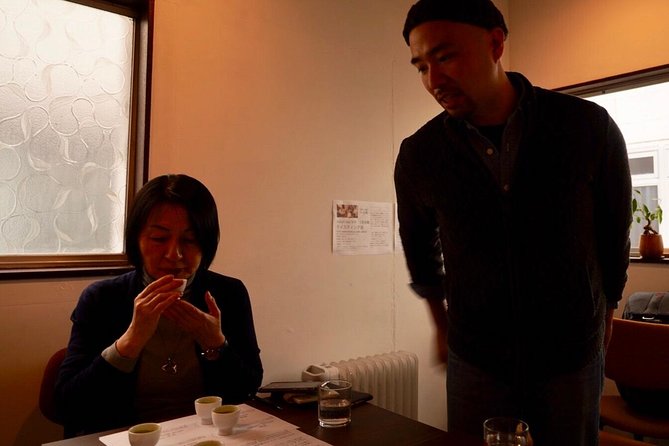
The session explicitly includes both daily tea and premium tea. That contrast is exactly what helps you understand what you like, instead of just assuming high price equals better cup.
Premium tea is described as truly unique and special even for locals, which tells you the intent is not just “more expensive, same idea.” You’re meant to experience a noticeable jump in quality and character.
And the format matters: tasting multiple types in the same timeframe makes differences easier to catch. You’re not waiting days between purchases or trying to remember how last month’s sencha tasted. In one sitting, you can line up what surprised you and what felt smooth, bright, mellow, grassy, or deep. (You’ll still decide your own preferences, but you’ll have better evidence for your decisions.)
By the end, the lesson is designed so you understand the big picture of Japanese tea. That’s the best kind of souvenir: you’ll be able to order or shop with more confidence after you leave.
Price and value: is $90.80 a smart spend?
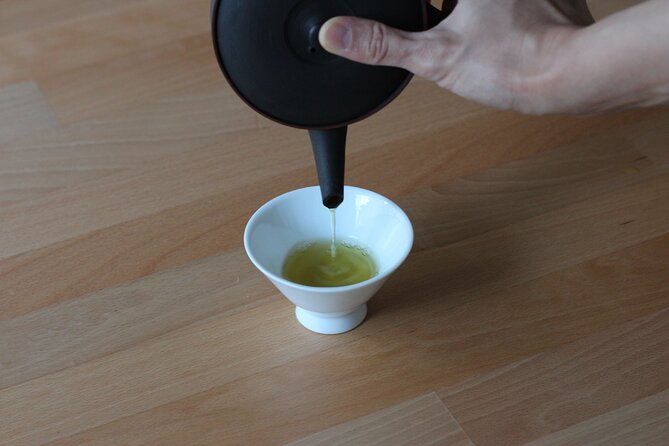
At $90.80 per person for about 1 hour 30 minutes, this isn’t a budget-only activity. But value here comes from the combination: multiple tea types, guided explanation for each, premium samples, and a small group size capped at 4.
You’re also getting structure. A session like this costs money because someone is doing the prep, managing the tasting flow, and translating tea production and history into something you can actually taste and understand. Add the practical handout and the guided prep cues, and the cost starts to look more like paying for an expert lesson than paying for a few sips.
If your goal is to taste widely in a short time, this format is efficient. If your goal is just to drink tea and relax with zero learning, you might find it more intense than you expected. (This is learning by tasting, not a lounge.)
Who this tea experience fits best
This works especially well if you’re a few of these at once:
- A green tea fan who wants the “why,” not just the taste
- Someone who likes pairing food and culture history
- You enjoy wine-style tastings and the idea of structured comparison
- You want a small-group class where questions are welcome
It’s also a good fit if you’re the sort of traveler who shops for ingredients in Japan and wants to come home with better taste instincts. You’re learning what you like and why, not just what to buy.
One caution: if you’re caffeine sensitive, the instruction is simple—inform the organizer before the session. Don’t hope for the best. Tell them so they can adjust guidance appropriately.
Should you book ShiZen Tea Experience in Tokyo?
Book it if you want a guided, taste-driven lesson that mixes sencha, matcha, and gyokuro with premium options, plus clear production and history context. The small group size helps a lot, and the fact that it’s not a tea ceremony makes it easier to predict what you’re getting: tastings, explanations, and a structured handout approach.
Skip or reconsider if you’re only looking for a casual, low-commitment tea break, or if you’re very sensitive to caffeine and haven’t mentioned that ahead of time. And if you expect silent ritual, this won’t match that mood.
If you’re trying to fit one meaningful tea activity into an afternoon, this is the kind that can change how you order tea afterward.
FAQ
How long is the Japanese tea tasting session?
It runs for about 1 hour 30 minutes.
Where does the experience start?
The meeting point is ShiZen Tea Experience, 135-0004 Tokyo, Koto City, Morishita, 2-chōme 283 森下TMマンション 202.
Is it a tea ceremony?
No. The experience is not a tea ceremony. It focuses on tasting, how the tea is produced, and its history.
How many different teas are you tasting?
The session is described as tasting 12 different types of Japanese tea, and the lineup includes sencha, matcha, and gyokuro.
What time does the tour start?
The start time is 1:30 pm.
Is the group size limited?
Yes. The experience has a maximum of 4 travelers.
Do I need to print a ticket?
No. It uses a mobile ticket.
Is the meeting point near public transportation?
Yes, it is described as near public transportation.
What if I’m sensitive to caffeine?
If you’re caffeine sensitive, you should inform the organizer before the session.
What is the cancellation policy?
Free cancellation is available if you cancel at least 24 hours before the experience’s start time. Less than 24 hours before start time is not refunded.