REVIEW · TOKYO
Authentic Japanese tea tasting: sencha, matcha and gyokuro
Book on GetYourGuide →Operated by Okawari Inc · Bookable on GetYourGuide
Savoring Japanese tea can be weirdly life-changing. In a small group, you’ll experience authentic Japanese tea—sencha, matcha, and gyokuro—and learn what makes each cup different, from leaf to infusion. I like that it’s not just sipping; it’s also a story of how Japanese tea developed and why certain grades matter. I also like the cozy setting: you’re tasting in a downtown Tokyo apartment room, which makes the whole thing feel calm instead of showroom-ish. One possible drawback: since everything is green tea-based, if you only like very sweet drinks, you might find the range of flavors takes getting used to.
For 90 minutes, you’ll taste 12 varieties sourced from family farms, including everyday styles and premium hand-picked grades. Each tea is infused appropriately by an English-speaking tea expert, so you’re not guessing how to brew or misreading bitterness or body. The session pairs some Japanese traditional confectionery with matcha powder, which helps you understand how flavor and texture interact. If you’re sensitive to stronger tea tastes, just know you’ll be encountering a full spectrum, not just the mild stuff.
Here’s the deal: you leave with a mental map of Japanese green tea. You’ll be able to tell the difference between sencha leaf character, matcha’s powdered intensity, and the deep, premium feel of gyokuro.
In This Review
- Key highlights worth planning for
- Downtown Tokyo tea tasting, but in an apartment
- The structure: 12 teas, one 90-minute run
- Sencha tasting: 7 types and why leaf style matters
- Matcha powder: 4 tasting styles plus sweets
- Gyokuro: one premium cup that changes the pace
- Family farms and “appropriate infusion” (why that detail matters)
- The tea story: history without killing the mood
- What $87 gets you in real terms
- Who this tea tasting is best for
- Quick practical tips before you go
- Should you book this Japanese tea tasting in Tokyo?
- FAQ
- How long is the Japanese tea tasting experience?
- What types of tea will I taste?
- Is there food included during the tasting?
- Is the instructor available in English?
- How big is the group?
- Is this experience suitable for children or pregnant women?
Key highlights worth planning for
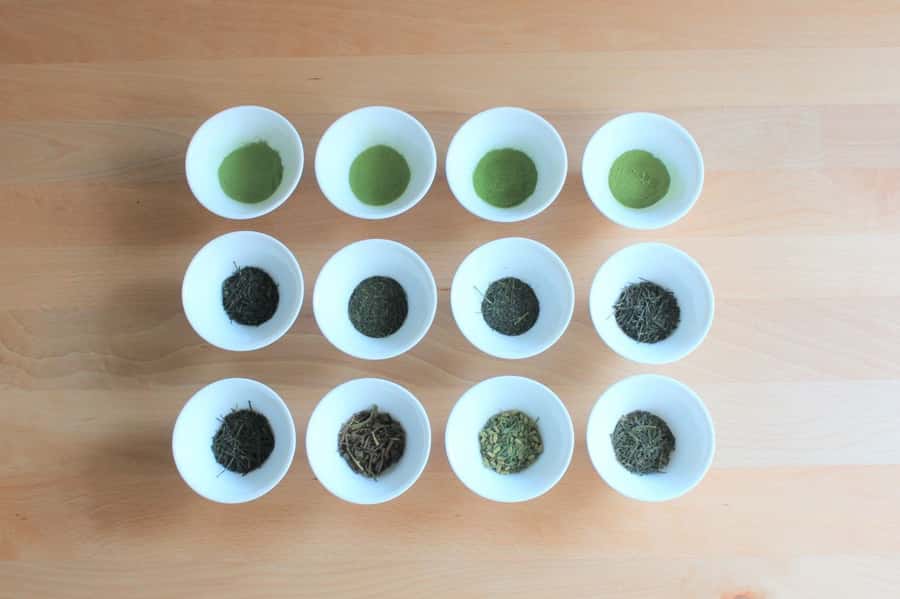
- 12 total tastings in 90 minutes (7 sencha, 4 matcha, 1 gyokuro) so you get breadth without rushing
- Small group of up to 4 participants, which keeps questions from getting lost
- Family-farm sourced teas with grades from daily to premium hand-picked
- Tea expert infusion tailored to each type, so differences come from the tea, not the brewing
- Matcha pairing with traditional Japanese confectionery to show how sweet and grass notes work together
- English instruction for a clear, learn-while-you-taste format
Downtown Tokyo tea tasting, but in an apartment
This is the kind of Tokyo experience that feels personal. You meet at an apartment entrance and press 202, then the bottom right button. That tells you the vibe right away: it’s not a big venue and it’s not a stage show.
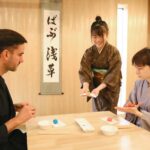
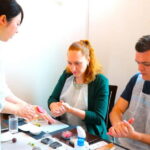
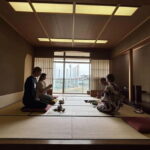
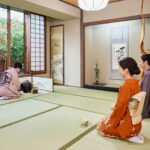
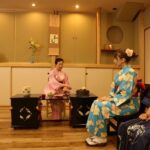
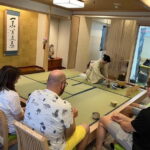
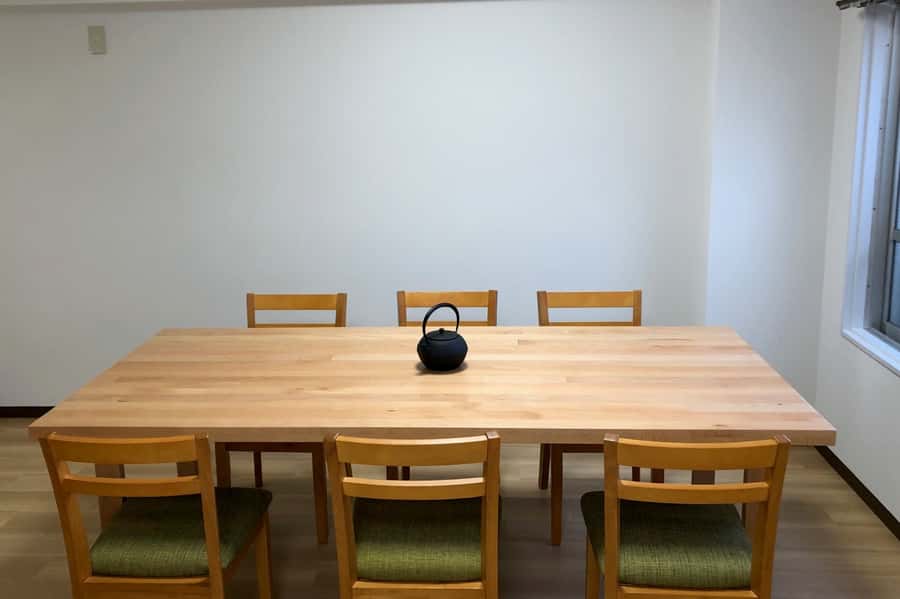
Inside, you’re in a cozy apartment room in downtown Tokyo. For me, that matters because tea tasting is all about focus. You want quiet enough to notice aroma changes between cups and subtle shifts in body—without background noise and distraction. A smaller room also helps the tea expert explain differences in a way that sticks. When the group is only up to four people, you can ask practical questions and actually hear the answers.
Also, because it’s hosted in an apartment setting, the experience feels closer to what tea culture is like at home. You’re not just collecting stamps for fun—you’re learning how Japanese tea is approached with care, patience, and attention to detail.
You can also read our reviews of more tours and experiences in Tokyo.

The structure: 12 teas, one 90-minute run
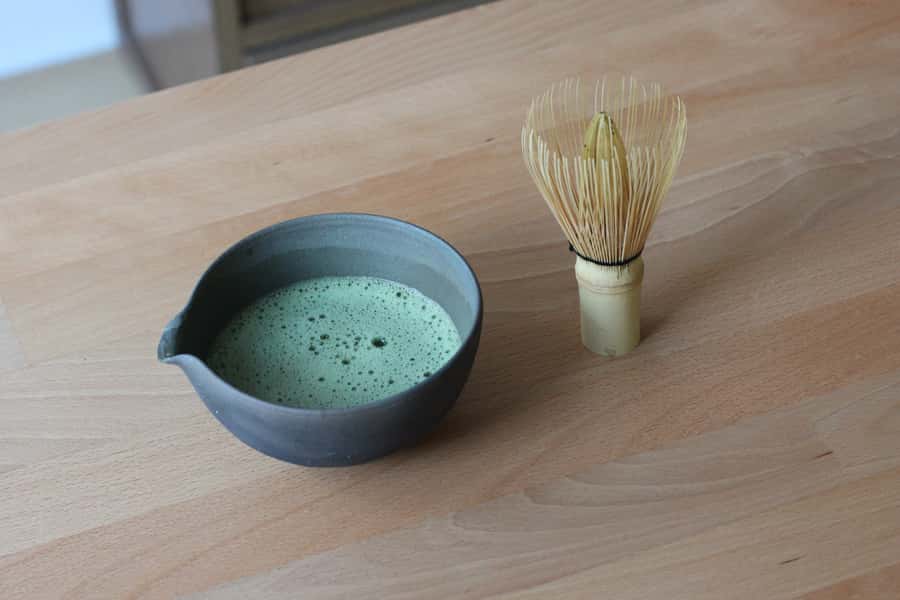
Ninety minutes sounds short until you realize what’s happening: you’ll taste 12 different types of Japanese tea, with a mix of sencha, matcha (powder), and gyokuro.
The session is built for learning through comparison. Instead of one tea over and over, you’re tasting a spread of styles and grades. The key is that the expert infuses each tea in an appropriate way. That helps you compare what you’re smelling and sipping, not what might go wrong if you brew with the wrong parameters. You get guidance, but you’re still the one doing the tasting and noticing.
You’ll also move between basic daily-grade tea and premium hand-picked options. That’s valuable because it teaches you what “better” means in real flavor terms. Premium isn’t just marketing; it can show up in the balance of sweetness, umami depth, and how the taste lingers.
Sencha tasting: 7 types and why leaf style matters
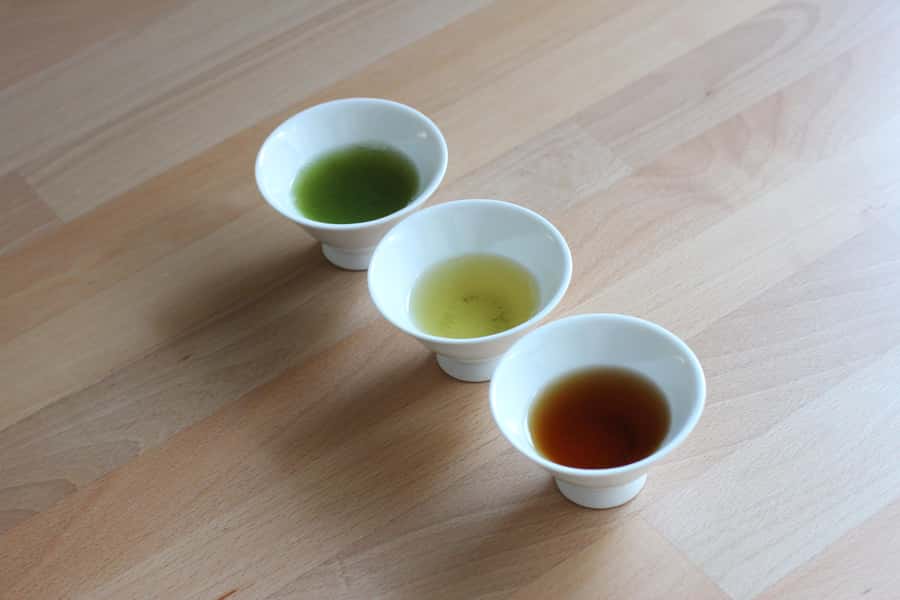
Sencha is the workhorse of Japanese green tea, and here you get seven sencha varieties. That’s a smart choice because sencha isn’t one thing. Even when the tea is all “sencha green tea,” you’re still tasting differences in how the leaves are processed and how the cup develops after infusion.
What you’ll focus on is character:
- Umami depth: that savory base that feels smooth, not sharp
- Body and finish: how full the cup feels and how long flavors hang around
- Aroma shift: the smell changes cup to cup, even when the appearance looks similar
I like that the tasting spans everyday tea to higher grades. It gives you a reality check. If you’ve only tried supermarket green tea, this kind of range can show you what you’ve been missing—or help you learn what you personally prefer.
Another good part: because you’re tasting multiple senchas in sequence, you start to understand patterns. You don’t just taste one great cup; you learn how to recognize the traits that make each version different.
Matcha powder: 4 tasting styles plus sweets
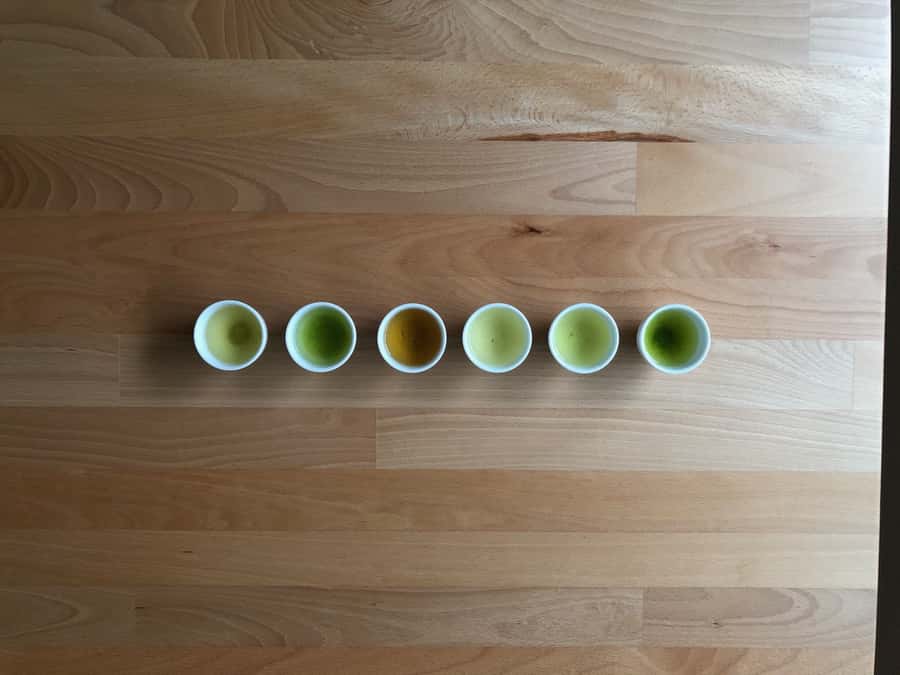
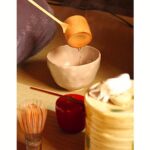
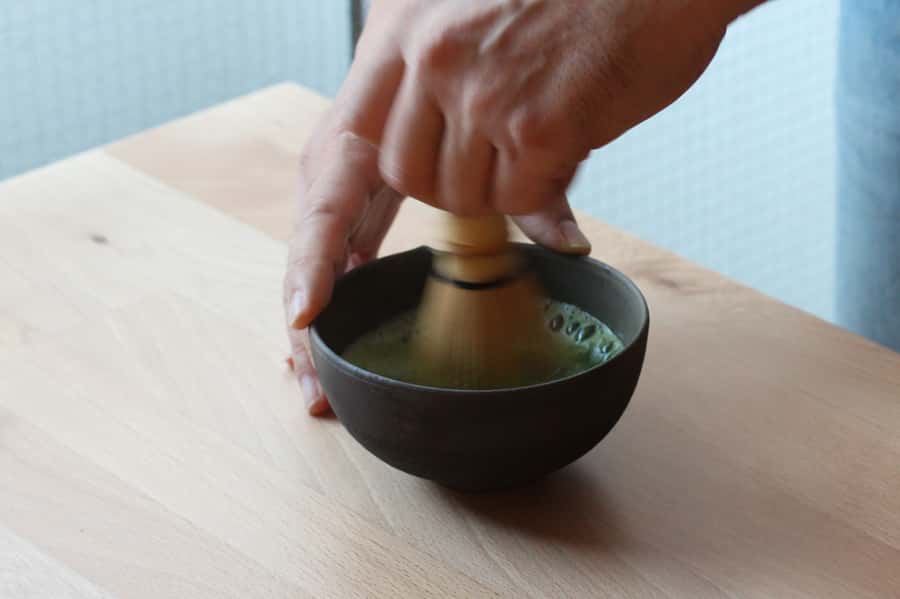
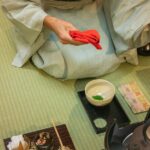
Matcha is different because it’s a powder, not steeped leaves. You’ll taste four matcha green tea powder types, and you’ll do it alongside a small portion of Japanese traditional confectionary paired with matcha powder.
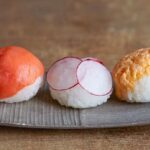
This pairing is practical. It shows you how matcha behaves when sweetness enters the picture. Plain matcha can feel intense—more direct, more “tea-forward.” Add a sweet bite and the flavor shifts. You often get a smoother impression of the umami, and the grass-like notes can feel more rounded. The confection doesn’t hide the tea; it changes your perception of it.
You’ll also get a sense of why matcha grades and preparation matter. Even without getting overly technical, tasting multiple matcha powders helps you recognize differences in:
- intensity
- thickness of flavor (how “present” it feels)
- balance between savory depth and any bitterness
If you love lattes, you’ll probably enjoy this portion most, because it connects real matcha flavor to something you might already know. If you’ve only had sweetened matcha drinks, this tasting can be a good reset. You learn what matcha tastes like when it’s treated as tea—not a dessert.
Gyokuro: one premium cup that changes the pace
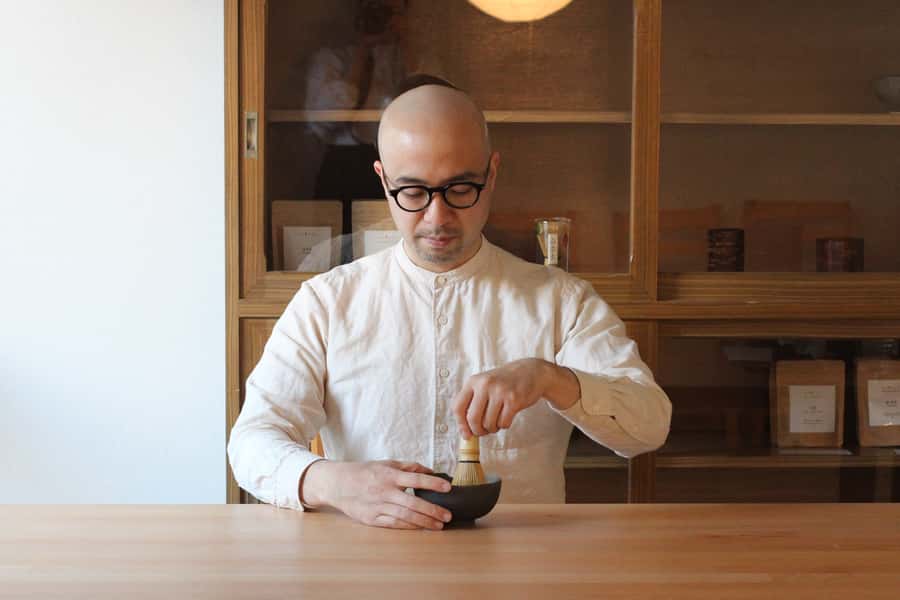
You’ll taste one premium grade gyokuro. With only one type, it’s easy to think it won’t matter. It does.
Gyokuro is often a study in refinement, and in a tasting like this it functions like a “final exam.” After sencha and multiple matcha cups, your palate is warmed up and your comparison skills are sharper. When the gyokuro arrives, you’re not starting from scratch—you’re building context.
Because you’re tasting it as the premium hand-picked style in the set, it gives you a reference point. You can ask yourself: does the sweetness feel fuller? Does the umami sit more smoothly? Does the finish feel more elegant than intense?
One-cup segments can also be calming. You’re not juggling three more variations right after it. You can slow down, notice what stands out, and reflect on how your preferences have shifted across the session.
Family farms and “appropriate infusion” (why that detail matters)
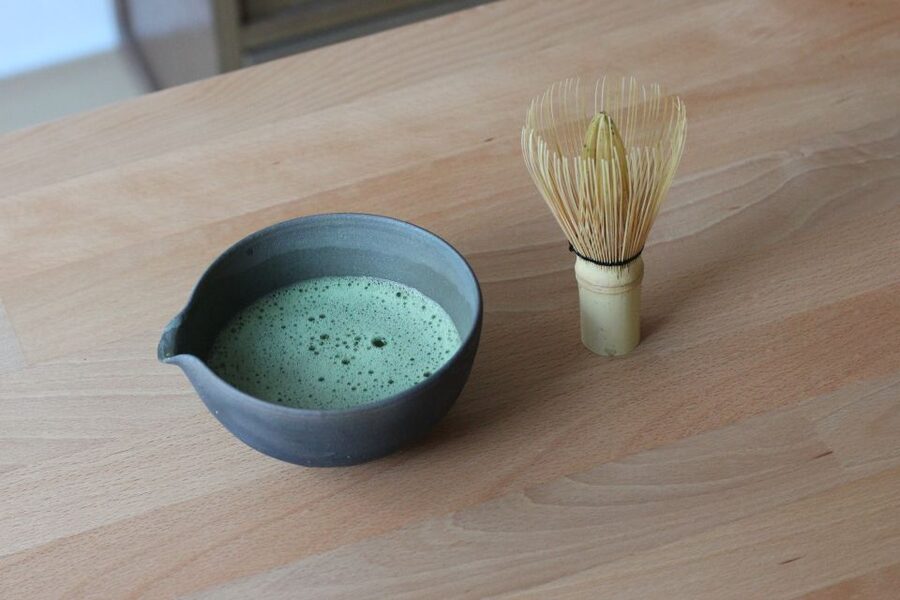
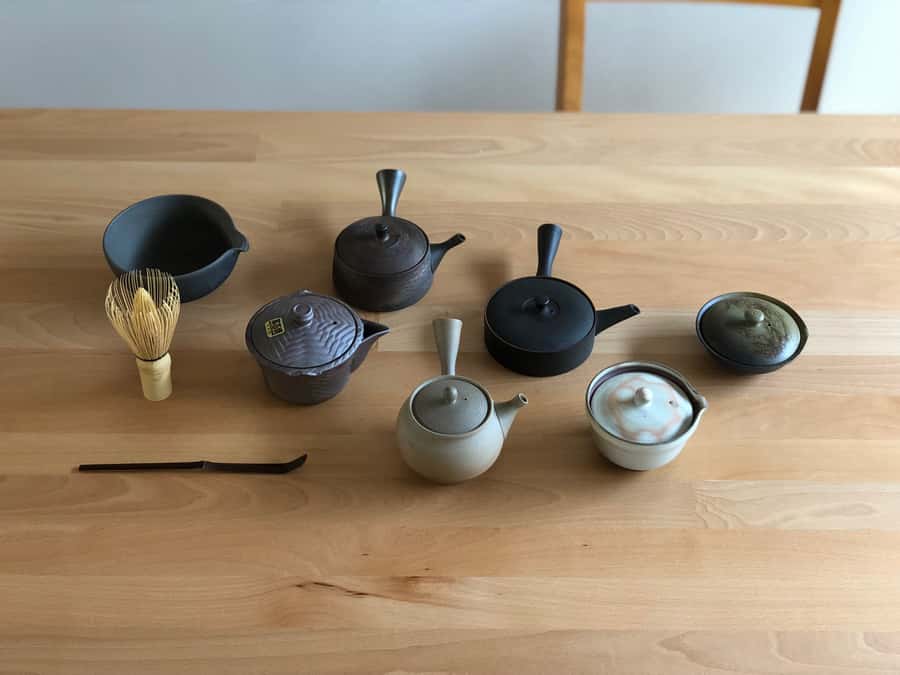
A big part of tea quality is what happens after harvest: brewing and infusion methods. This experience is led by a tea expert who infuses each tea appropriately.
That matters for one reason: it protects your learning. If you brew everything the same way, you flatten the differences. You might blame the tea for what is really a method mismatch. Here, the expert approach helps make the taste differences show up more clearly and fairly.
You’re also told the teas come from family farms. That adds another layer. Farm sourcing isn’t just a feel-good label—it usually means the teas are selected with a consistent approach, and the expert can guide you on what to notice in the cup. Even if you’re not chasing tea trivia, knowing you’re tasting from real producers helps you trust the experience.
You’ll taste a range of grades too, from daily tea up through premium options. That’s a smart way to teach. Instead of telling you premium is better, the tasting gives you the tools to decide what “better” means to you.
The tea story: history without killing the mood
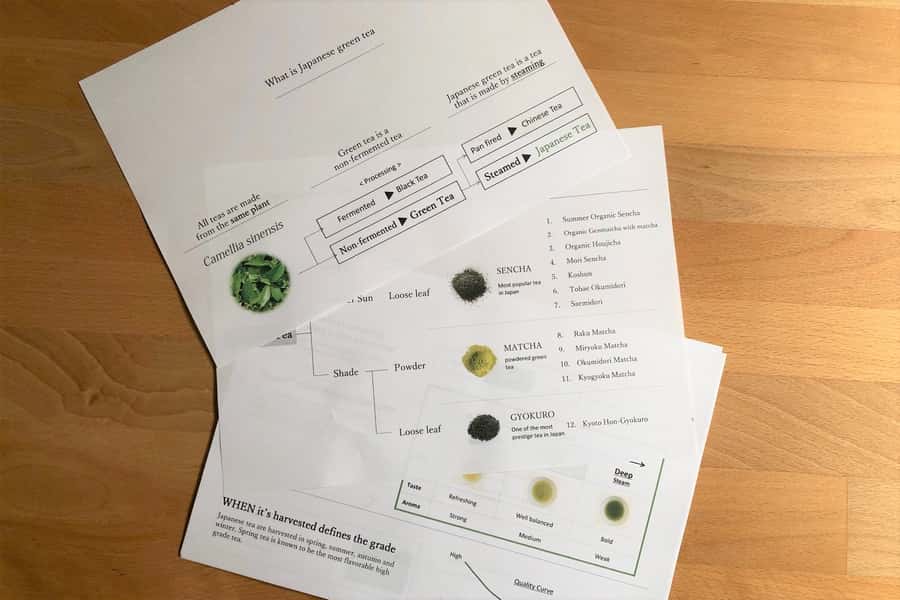
This isn’t presented as a dry lecture. You’ll learn the history of Japanese tea and how it evolved, while you taste.
I value this approach because tea history explains more than timeline. It helps you understand why certain styles exist and why Japanese green tea culture treats brewing as part of the ritual. When someone ties the cup in front of you to a broader tradition, you start tasting with a purpose. You’re not just swallowing; you’re observing.
Also, because the session is built around variety, the story can connect directly to what you’re experiencing: sencha for everyday brightness, matcha for powdered intensity and cultural use, and gyokuro as a premium finish. That creates meaning, which makes the knowledge stick for later shopping back home.
What $87 gets you in real terms
At $87 per person for 90 minutes, the value depends on what you want from the experience.
You’re paying for several things at once:
- 12 tastings rather than one or two teas
- multiple grades, including daily and premium hand-picked options
- expert-led infusion, which makes comparisons accurate
- a small group limited to four people
- pairing with confectionery, which adds a practical flavor lesson
If you’re the type who likes to compare, this price starts to make sense fast. A single tasting can cost more, but without the range you get here. You also save time. Instead of doing multiple tastings across the city (and guessing quality), you get a structured spectrum in one session.
Will you love it if you don’t care about tea variety? Maybe not. But if you like food experiences that teach you how to taste, this is the kind of activity that feels worth paying for.
Who this tea tasting is best for
This is a great match if you:
- already like green tea or are curious about it
- want a structured way to compare sencha vs matcha vs gyokuro
- prefer small group, relaxed learning over crowded tours
- enjoy food pairings that teach flavor, not just feed you
It’s less ideal if you:
- strongly prefer sweet drinks only
- want a hands-on cooking class style workshop (this is primarily tasting and learning)
- need a kid-friendly experience or are traveling as a parent with a child under 18 (it’s not suitable for children under 18)
Also worth noting: it’s not suitable for pregnant women, so plan around that if anyone in your group falls into that category.
Quick practical tips before you go
You’ll get the most out of the session if you treat it like guided tasting, not casual sipping.
- Pace yourself: with 12 cups, your palate can fatigue. Slow down between tastings.
- Pay attention to aroma first, then taste. The smell often tells you what to expect before the flavor hits.
- Mentally compare within categories. For example, compare the seven senchas to each other rather than trying to “rate” everything at once.
- Don’t ignore the matcha pairing. The sweet bite can explain the tea’s behavior better than tea alone.
If you’re planning other food activities in Tokyo the same day, keep in mind this is a green tea-focused session. You might want to avoid overloading on strong competing flavors beforehand, so the subtle differences still register.
Should you book this Japanese tea tasting in Tokyo?
I’d book it if you want a calm, high-value tea education in a small group setting. The best reason is the structure: 12 tastings across sencha, matcha, and gyokuro, plus pairing, plus expert infusion. You don’t just get a pleasant hour—your palate learns.
I’d hesitate if your interest in Japanese tea is only casual. This experience rewards curiosity and comparison. If you’re not into green tea flavors at all, you might find it a lot of the same taste family.
If you’re traveling in downtown Tokyo and you want something authentic, focused, and actually informative, this one is easy to recommend.
FAQ
How long is the Japanese tea tasting experience?
The experience lasts 90 minutes.
What types of tea will I taste?
You’ll taste 12 types of authentic Japanese tea: 7 types of sencha green tea, 4 types of matcha green tea powder, and 1 premium grade gyokuro green tea.
Is there food included during the tasting?
Yes. You’ll pair the tea with small portions of Japanese traditional confectionery, including pairing with matcha green tea powder.
Is the instructor available in English?
Yes. The instructor teaches in English.
How big is the group?
It’s a small group limited to 4 participants.
Is this experience suitable for children or pregnant women?
No. It’s not suitable for pregnant women and children under 18 years old.