Sweets in Tokyo, minus the tourist lines. This 3-hour crawl through Jiyugaoka focuses on Japanese matcha in a historic tea house, with a smart mix of breakfast-style sweets and bakery treats along the way. I love how the stops feel local and not mass-produced, and I love the pacing that keeps you tasting without feeling rushed. The only real drawback is simple: it’s very sweet, so if you prefer savory food, plan to slow down or share.
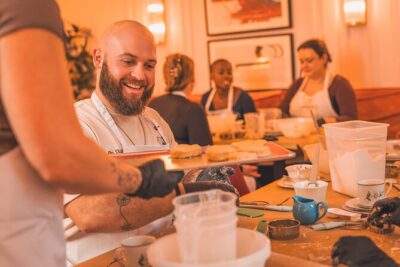
I went in wanting “dessert, but smarter,” and you’ll get that with Soren, a guide who’s also a baker. The group stays small (up to 6), the tour runs around 10:30 am, and the price covers brunch, snacks, and coffee or tea, plus an English-speaking guide.
In This Review
- Key Highlights You’ll Feel Fast
- Jiyugaoka: The Tokyo Neighborhood Behind the Sweet Stops
- Fluffy Japanese-Style Pancakes: Your Sweet Brunch Starter
- Korean Bakery Bites: Cozy, Familiar, and Still New
- Japanese-Style Donuts: Why the Flavors Feel Different
- Hokkaido Ice Cream and Mont Blanc: The Cream Route
- The Old Tea House Finale: Matcha on Tatami Mats
- Soren the Baker: How the Explanations Make You Taste Better
- Price and Value: Is $109 Worth It?
- How to Get the Most Out of a Sweet Schedule
- Who Should Book This Tokyo Sweets Tour?
- Should You Book the Tokyo Sweets Tour?
- FAQ
- How long is the Tokyo Sweets Tour?
- What time does it start, and where do I meet?
- How much does the tour cost?
- What’s included in the price?
- How many people are in the group?
- Is there a mobile ticket?
- What food stops are included?
- Is the guide available in English?
- What if the weather is bad?
- Can I cancel and get a refund?
Key Highlights You’ll Feel Fast
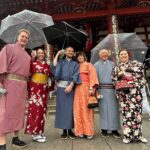
- Small group of up to 6 makes it easy to ask questions and take your time with flavors
- Soren, a sweets baker and English guide adds practical explanations as you eat
- Start with fluffy Japanese-style pancakes so the tour begins like a proper brunch
- Finish with matcha on tatami inside a Japanese building over 100 years old
- Cream-forward treats like Hokkaido ice cream and Mont Blanc keep the sweet theme cohesive
Jiyugaoka: The Tokyo Neighborhood Behind the Sweet Stops
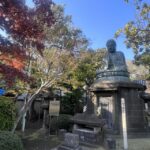
Jiyugaoka is the kind of Tokyo area you visit when you want everyday life, not just photo lines. The vibe here is quieter than the big-name sights, and that matters on a food tour. A calm neighborhood makes it easier to taste carefully and actually pay attention to what you’re eating.
You’ll spend part of the tour walking through streets with local shops, cozy cafes, and traditional homes. That contrast keeps the tour grounded: you’re not floating between food counters in a bubble. You’re moving through a real neighborhood, with the guide pointing out what makes the area tick.
The tour stays around a 3-hour window, and the small group size (maximum 6 travelers) helps keep the energy relaxed. No herd-herding. You can ask questions, and if you need a break between sweet courses, it’s easier to get one without derailing the schedule.
You can also read our reviews of more tours and experiences in Tokyo.
Fluffy Japanese-Style Pancakes: Your Sweet Brunch Starter
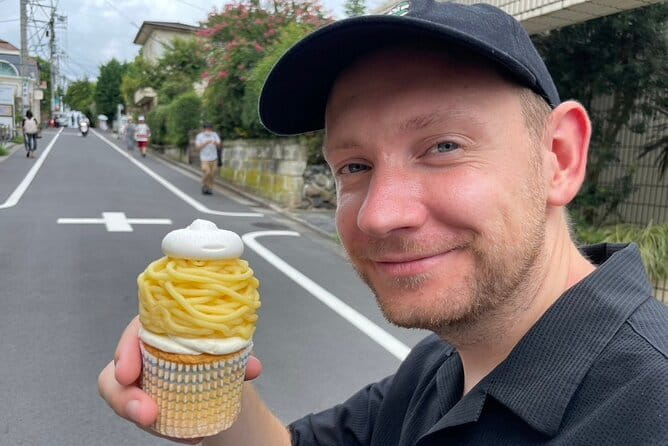
If you’ve had pancakes in the US, these will feel like they were built from a different playbook. Your first stop is Japanese-style pancakes described as fluffier and sweeter than usual, and that’s a great way to start because it sets expectations for the rest of the tour.
What I like about starting with pancakes is how they teach your palate how to read the menu. You’ll taste sweetness in a gentler form than a cake or a candy bar, so it’s easier to notice differences in texture and flavor. Also, brunch timing is a smart choice: it keeps the tour from turning into a sugar sprint.
One practical note: because the pancakes skew sweet, take a few bites slowly rather than trying to “clear your plate.” The tour is designed as a sequence, and your later stops (ice cream, Mont Blanc, matcha) land better when you pace yourself from the start.
Korean Bakery Bites: Cozy, Familiar, and Still New
After the pancakes, you’ll swing into a Korean bakery stop for a variety of Asian treats. This is the point in the tour where the experience widens beyond one cuisine and becomes more playful.
The bakery atmosphere is part of the value. These places often shine at small, shareable items, and that’s exactly how this tour is set up. You get variety without committing to one huge dessert at a time, which makes it easier to sample more flavors across the tour.
I also like that the tour doesn’t treat the bakery stop as an afterthought. It’s a real stop, with enough time for you to try several items and ask about what you’re tasting. The guide’s background helps here too, because Soren can explain what makes certain pastries work, not just what the ingredients are.
Japanese-Style Donuts: Why the Flavors Feel Different
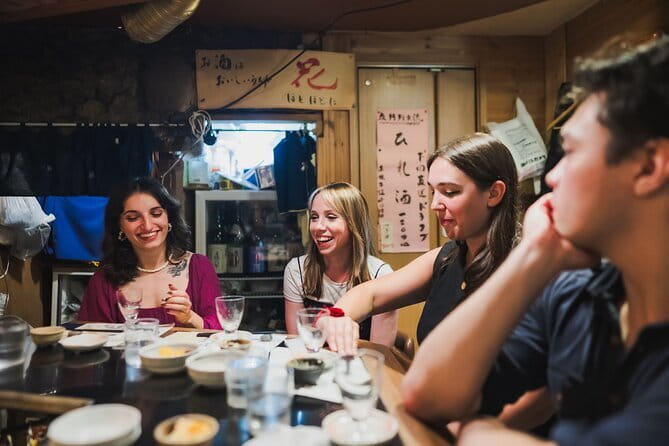
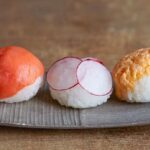
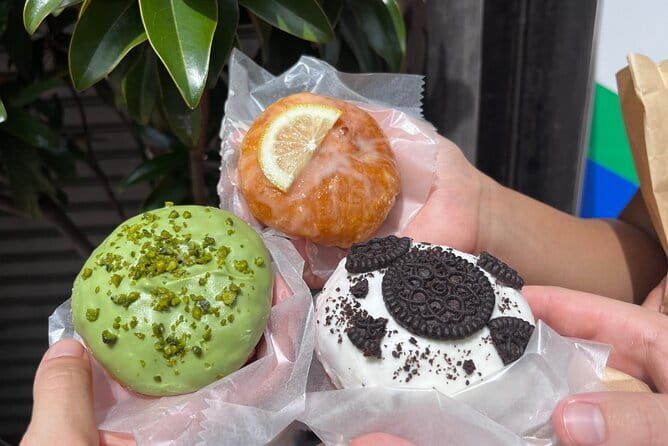
Then comes the donut shop, and yes, it’s a “popular” spot where you can try Japanese-style donuts. The big difference with Japanese donuts is that they often balance sweetness with more careful flavor layering. You might find flavors that feel more like dessert snacks than sugar-only fried dough.
This stop is also where your tour becomes a “flavor sampler” rather than a checklist. Japanese-style donuts can include bolder toppings, more interesting fillings, and variations that don’t show up in the same way back home. The result is that even if you’ve had donuts before, you get new combinations to compare.
If you’re the type who hates wasting food, this stop is a win. You can choose a donut that matches your mood—something lighter, something creamier, something more flavored—and it helps you manage the overall sweetness level for the tour.
Hokkaido Ice Cream and Mont Blanc: The Cream Route
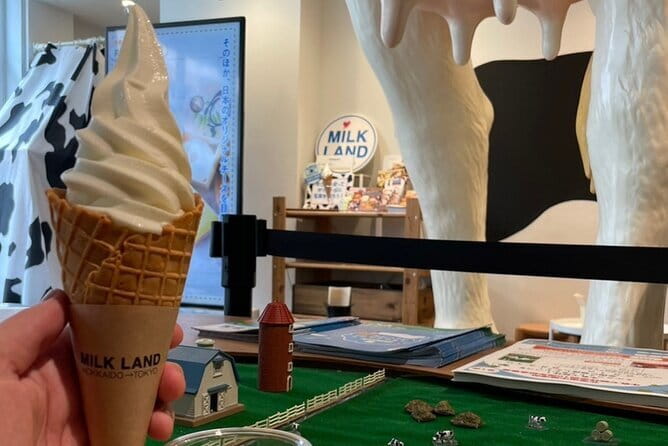
Next up is Hokkaido ice cream, known for being extra creamy and sweet thanks to Hokkaido milk. This is one of those “it makes sense once you taste it” moments. The creaminess changes how sweetness hits your tongue, usually making it feel rounder instead of sharp.
Right after that, you’ll eat Mont Blanc, the Japanese patisserie-style dessert. Mont Blanc is the kind of treat that rewards attention: it’s often all about texture and flavor balance rather than pure sugar volume. Pairing it after ice cream is a good move because the tour shifts from frozen cream to a dessert with more structure.
One tip for enjoyment: keep your bite sizes small here. This is the stage where you’ll likely stop thinking in terms of “trying everything” and start thinking in terms of “what do I actually love.” The best part is that you’re not forced to choose just one favorite flavor—you can figure it out gradually.
The Old Tea House Finale: Matcha on Tatami Mats
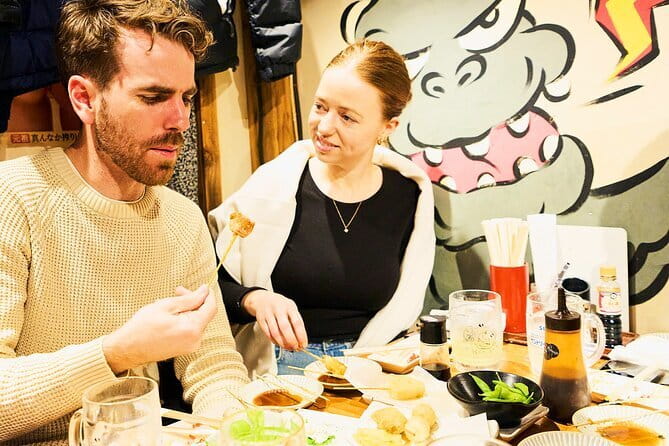
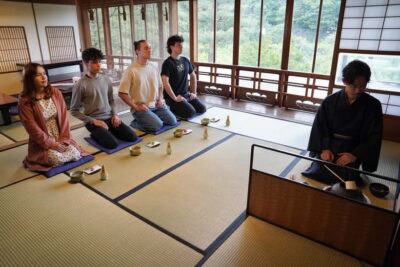
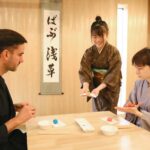
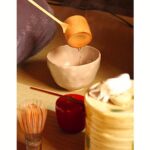
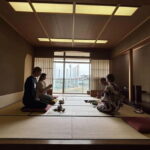
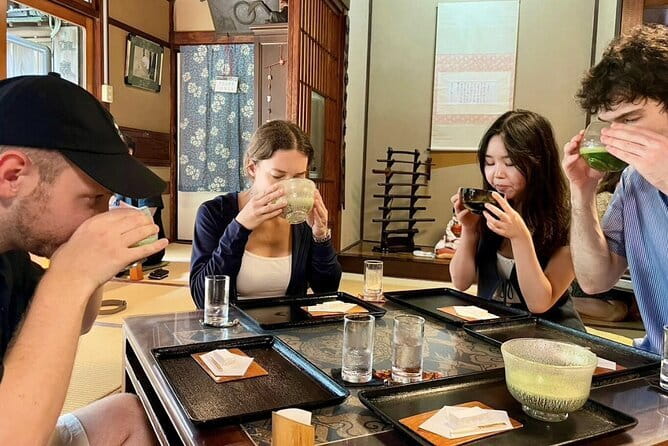
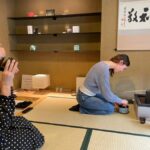
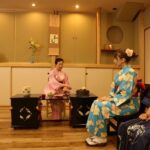
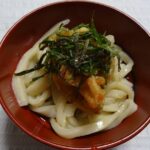
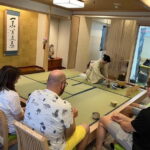
The tour ends at a traditional matcha shop inside a Japanese building over one hundred years old. Sit on tatami mats and enjoy authentic matcha, and this is where the whole tour starts to feel more cultural than just food.
I like matcha as a finale because it resets your palate. Tea has a balancing effect against all the sweet, creamy desserts you’ve had before. Even if you’re not a matcha superfan, you’ll probably appreciate how the flavor contrasts with the earlier stops.
This is also one of the most memorable parts because you’re not just eating in a modern storefront. You’re sitting in an older setting that changes the mood. The pace slows down naturally, and you can actually notice aroma and texture instead of rushing through another dessert.
If you’re short on time in Tokyo, this ending is a strong reason to book. It gives the day a finish line that feels like a real experience, not only a series of snacks.
Soren the Baker: How the Explanations Make You Taste Better
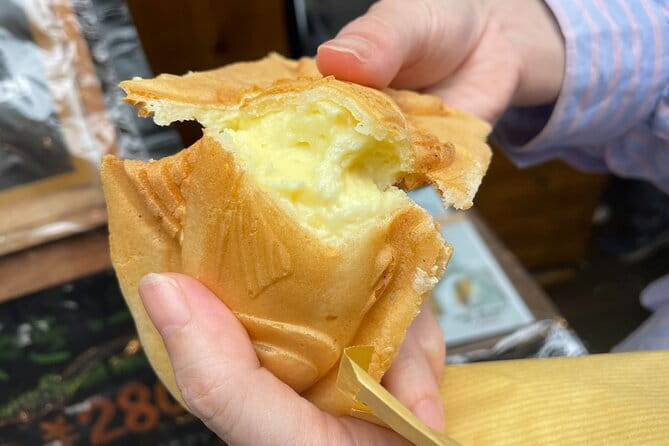
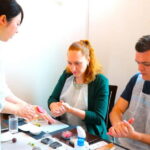
A food tour with a good guide is more than “show up, eat, leave.” In this one, Soren’s role as both an English-speaking guide and a baker adds a practical layer.
You’ll get insider tips and fascinating details about each treat. That matters because it helps you understand why something tastes the way it does. Instead of guessing, you get the story behind texture, sweetness level, and ingredient choices. When you can read the basics, you enjoy the next bite more.
From the reviews people loved the guide’s energy and how comfortable he made the group feel. I’d treat that as a real indicator: a small group plus an engaging guide usually means you’ll leave with more than sugar on your breath. You’ll leave with better instincts for what to order next time on your own.
Also, the guide’s ability to explain in English is a big deal in Tokyo. It keeps you from relying on pictures and guessing. You can ask what’s different between flavors, and you’ll get answers that make the tasting session smoother.
Price and Value: Is $109 Worth It?
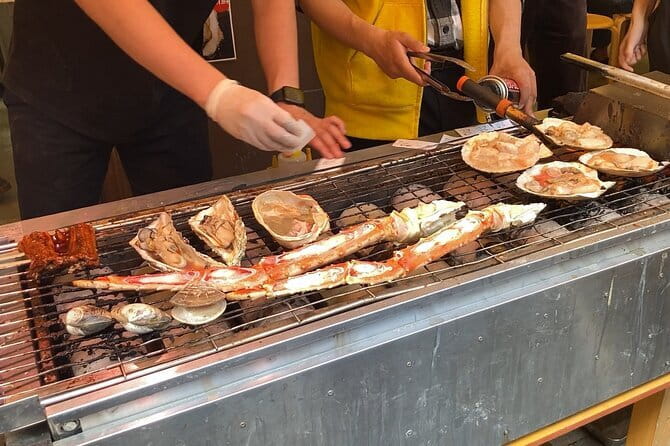
At $109 for about 3 hours, the value depends on what you usually pay for tastings in Tokyo. This tour stacks multiple dessert-focused stops, and the price includes coffee or tea plus brunch and snacks. That inclusion is what makes the number feel more reasonable.
Here’s the practical way to judge it. If you were to pay for each stop separately, you’d likely end up spending similar money anyway, especially with several sit-down or specialty dessert items. The tour also saves time because you’re not figuring out where to go, what to order, and how to order it in a second language.
The other “value” piece is the small group size. When it’s capped at 6, you get more attention and fewer bottlenecks at each place. That can be hard to reproduce if you try to DIY the same route.
One more consideration: because the tour is dessert-heavy, it’s best if sweets are your main goal. If you’re only casually interested, you might end up feeling over-sugared. If you’re a real sweet tooth, though, the price feels like it turns into a lot of tasting time.
How to Get the Most Out of a Sweet Schedule
This tour starts at 10:30 am, which is perfect if you want brunch energy without losing the day. By the time you finish with matcha, you’ll still have enough time to explore other Tokyo neighborhoods afterward.
Bring a realistic mindset: you’re not eating one dessert. You’re sampling multiple styles—pancakes, bakery pastries, donuts, ice cream, Mont Blanc, and matcha. For me, the key is pacing your bites and tasting each stop on purpose instead of treating them like quick fuel.
Also, wear comfortable shoes. You’ll be walking through the Jiyugaoka neighborhood streets between stops, and the tour is only around 3 hours. That means the movement adds up.
Lastly, don’t be shy about asking questions. The tour is designed for English-speaking guests, and Soren’s baker background means your questions will likely get more interesting answers than “it’s sweet” or “it’s popular.”
Who Should Book This Tokyo Sweets Tour?
Book this if:
- You’re in Tokyo and want a sweet-focused morning that feels local
- You like sampling different dessert styles rather than ordering one big item
- You’d enjoy ending with matcha on tatami in a historic setting
- You want a small-group experience (up to 6) with an English-speaking guide
Skip it if:
- You don’t like sweet foods or you prefer savory meals most of the time
- You’re hoping for a long, meal-by-meal sit-down experience rather than a moving tasting tour
This is ideal for couples, solo travelers who want guidance, and anyone who likes learning what they’re eating. It also works well if you’re doing Tokyo for the first time and want one experience that gives you both flavors and context.
Should You Book the Tokyo Sweets Tour?
Yes, if sweets are your thing and you want a well-paced route that ends in a memorable matcha moment. The biggest reasons to book are the small group size, the guide’s baker perspective (Soren), and the tour structure that balances creamy desserts with a matcha finish that helps your palate reset.
If you’re on the fence, decide based on sweetness tolerance. For most people who love desserts, this tour is an efficient, fun way to taste multiple sides of Japanese sweets plus a Korean bakery stop, all without doing the planning yourself.
FAQ
How long is the Tokyo Sweets Tour?
The tour lasts about 3 hours.
What time does it start, and where do I meet?
It starts at 10:30 am at Excelsior Caffé Jiyugaoka-ekimae, Japan (Meguro City, Jiyūgaoka). The activity ends back at the meeting point.
How much does the tour cost?
The price is $109.
What’s included in the price?
Coffee and/or tea, brunch, snacks, and an English-speaking guide are included.
How many people are in the group?
This tour has a maximum of 6 travelers.
Is there a mobile ticket?
Yes, the tour includes a mobile ticket.
What food stops are included?
You’ll try Japanese-style pancakes, a variety of Asian treats at a Korean bakery, Japanese-style donuts, Hokkaido ice cream, Mont Blanc, and matcha at a traditional matcha shop in a historic Japanese building.
Is the guide available in English?
Yes, the guide is English speaking.
What if the weather is bad?
This experience requires good weather. If it’s canceled due to poor weather, you’ll be offered a different date or a full refund.
Can I cancel and get a refund?
Free cancellation is available up to 24 hours in advance for a full refund.