REVIEW · TOKYO
Tokyo: Hama-rikyu Gardens tour with Japanese Tea & Sweets
Book on Viator →Operated by gotcha · Bookable on Viator
A garden tour in Tokyo that feels calm.
Hama-rikyu Gardens is one of those rare places where you slow down on purpose, and the mix of Edo-period design plus modern-day sightseeing makes it a smart stop. I especially like how the guide connects Hama-rikyu Gardens to Japanese garden thinking, not just dates and facts, and I like that matcha green tea and Japanese sweets are built into the experience. One thing to consider: it’s a walking tour, so comfortable shoes matter if you’re adding optional nearby sights.
Expect a small, easy-going group and a clear route that starts near Otemon Bridge and ends at Shiodome station. This is priced at $85.84, and the best value comes from the included garden experience plus tea, since you’re not paying extra for the tasting part. If you want a huge, high-energy tour, this one won’t fit that mood—think quiet pacing and lots of looking.
In This Review
- Key Highlights You’ll Actually Care About
- Hama-rikyu Gardens: why this Edo-era garden still hits today
- Meeting point, walk style, and when your day gets easier
- Inside Hama-rikyu: dry landscape, circular views, and seasonal changes
- Karesansui (dry landscape) moments
- Kaiyushiki (circular garden) and changing perspectives
- Seasons are part of the design
- The tea ceremony room: matcha and sweets as built-in rest
- Optional stops near Ginza and Shiodome: how to decide without overplanning
- Advertising Museum Tokyo (optional)
- Hayao Miyazaki’s Nippon Television Giant Clock (optional)
- Hibiya Shrine (optional)
- Price and value: why $85.84 can make sense for this kind of tour
- Who should book this Hama-rikyu experience?
- Should you book this Hama-rikyu tour with tea and sweets?
- FAQ
- How long is the Hama-rikyu Gardens tour with tea and sweets?
- What’s included in the tour price besides the garden visit?
- Where does the tour start and end?
- Are there any optional stops during the experience?
- How many people are in the group?
- Is the admission ticket to the garden included?
- Do I need cash for the tea and sweets?
- Can I get a full refund if I cancel?
Key Highlights You’ll Actually Care About
- Edo-period garden design explained in plain language, with a focus on how the scenery is composed
- Matcha and Japanese sweets are included, so you don’t have to hunt down a café break
- You’ll see both dry-landscape and circular garden styles in the same visit
- Small group size (up to 4) keeps questions and photo stops from feeling rushed
- Tour ends at Shiodome station, handy for continuing your day with transit options
- Optional add-ons let you tailor the time near Ginza/Shiodome without overcommitting
Hama-rikyu Gardens: why this Edo-era garden still hits today
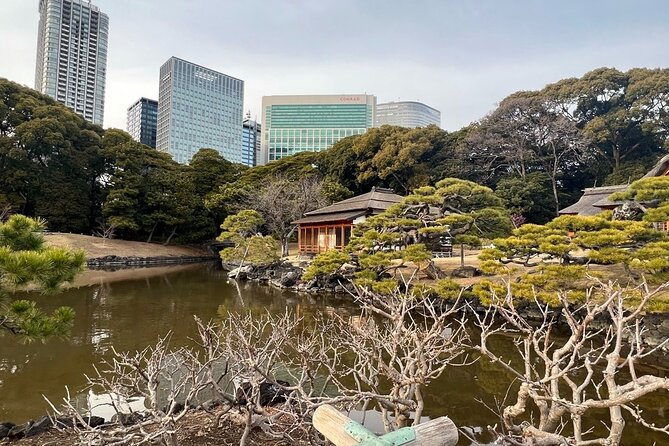
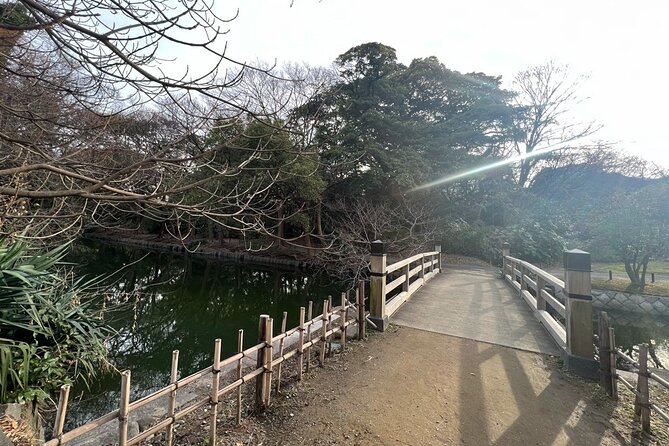
Hama-rikyu is famous because it’s not just pretty plants. It’s a designed landscape, shaped by ideas about nature, space, and viewing. Built in the Edo period for powerful families, it grew out of the daimyo garden tradition—large estates where elite households created gardens that felt like curated “outside worlds.”
What I like here is that the garden offers multiple ways to look. You’re not staring at one pond from one angle for an hour. You move, pause, and notice how the composition changes. That’s a big deal in Japanese gardens: the experience is about sequence—how one scene leads to the next.
You’ll also get a guided explanation that focuses on why certain elements exist and how the overall design works. That turns “pretty scenery” into something more memorable, especially if you’ve never studied Japanese garden culture before.
You can also read our reviews of more tours and experiences in Tokyo.


Meeting point, walk style, and when your day gets easier
This tour runs about 1 hour 30 minutes to 2 hours 30 minutes. That range matters because it usually reflects how long you spend inside the garden and whether you choose any optional stops nearby.
It starts at Otemon Bridge (near Ginza, Chuo City) and finishes at Shiodome station in Minato City. Finishing at Shiodome is convenient. From there, you can connect using the Yurikamome and the Toei Oedo line, depending on where you’re headed next.
Wear comfortable walking shoes. The tour is described as a walking experience, and even if the pace is relaxed, gardens still involve real walking paths and time spent standing for views. If you’re visiting in hot weather, I’d plan for hydration and take your breaks inside the garden tea space instead of trying to “power through.”
One more practical point: the tour uses a mobile ticket, so keep your phone charged. A small detail, but it prevents last-minute stress.
Inside Hama-rikyu: dry landscape, circular views, and seasonal changes
Hama-rikyu is especially known for two garden styles inside the grounds: the karesansui (dry landscape garden) and the kaiyushiki garden (circular garden).
Karesansui (dry landscape) moments
Karesansui gardens are the ones people often picture when they imagine minimalist rock-and-sand landscapes. In Hama-rikyu, this element isn’t just decoration. It’s tied to Japanese garden thinking where rocks, lines, and carefully placed spaces represent natural forms—like waves, mountains, or distant scenery—without literal water covering the surface.
With a guide, you’ll get a better sense of what to look for beyond the first impression. You’ll also see how this kind of garden encourages slow viewing: you don’t “consume” it quickly; you notice patterns and spaces as you move your viewpoint.
Kaiyushiki (circular garden) and changing perspectives
The circular garden style (kaiyushiki) is about the feeling of moving around a central viewing idea. It naturally creates a sense that the garden is always offering a new view as you reposition.
I like this part because it keeps your eyes active. Even if you’re in the same general area, you’re not repeating the same photo spot again and again.


Seasons are part of the design
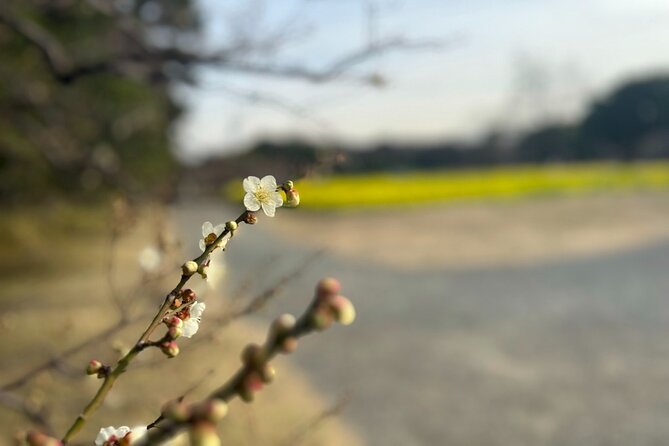
You’ll also enjoy plants and trees whose beauty changes with the seasons. That doesn’t mean you’ll necessarily see “the same famous bloom” every time. Instead, it means the garden’s appeal shifts, so your visit feels tied to the time of year rather than to one permanent highlight.
If you’re choosing dates, this matters. But even if you can’t chase peak season, a guided explanation helps you notice structure and intent, not only flowers.
The tea ceremony room: matcha and sweets as built-in rest
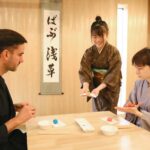
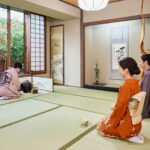
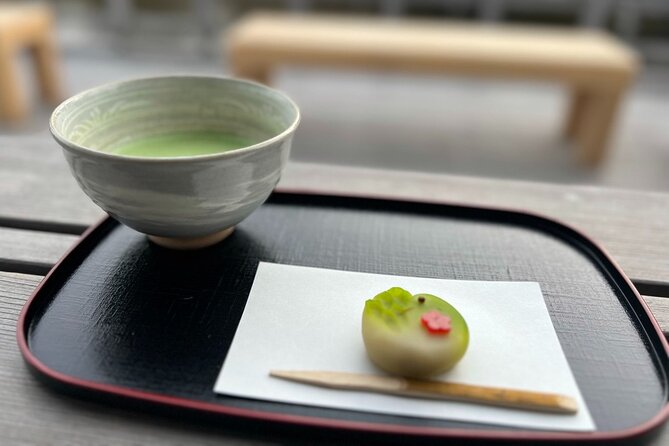
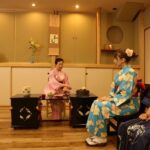
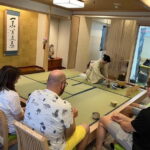
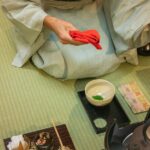
The tea stop is a real part of the tour, not an afterthought. There’s a tea ceremony room inside the garden where you experience matcha green tea and Japanese sweets, and those are included in your tour fee.
This is valuable for two reasons.
First, it resets your energy. Gardens can be deceptively tiring because you’re walking and then standing to look. Having a guided meal-like pause keeps the afternoon from turning into a random coffee search.
Second, it adds cultural context. Japanese sweets and matcha aren’t just a snack; they fit the idea of slowing down and appreciating atmosphere. Even if you’re not a “tea person,” you’ll probably enjoy how the timing of the stop matches the viewing rhythm.
There’s also a comfort angle here: one of the most praised parts of the experience is the overall relaxed feel, and guests have especially highlighted the guide’s helpful attitude. If your guide is attentive and willing to answer questions, that tea room moment becomes part of the story instead of just a break.
Optional stops near Ginza and Shiodome: how to decide without overplanning
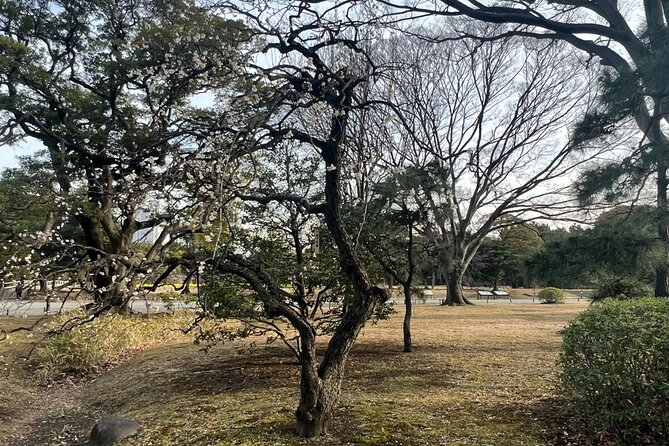
The base experience centers on Hama-rikyu. After that, you can add optional nearby stops. These optional choices are helpful if you want flexibility in how much you pack into your day.
Advertising Museum Tokyo (optional)
This museum focuses on Japanese advertising history and how themes and approaches have changed over time. It’s free to enter, and the visit time is about 35 minutes.
If you like design, media, or you’re the kind of person who can spend time reading posters and campaigns, this can be a fun indoor companion to the outdoor garden. If you don’t care about advertising history, it’s easy enough to skip and keep your energy for walking.
Hayao Miyazaki’s Nippon Television Giant Clock (optional)
This is a steampunk-style copper karakuri clock connected to Hayao Miyazaki’s world. When the time is up, lights come on and the mechanism starts moving with music. The stop is about 10 minutes, and entry is free.
This one is good if you want a quick, memorable visual break. Just treat it as a short stop—not a time sink.
Hibiya Shrine (optional)
Hibiya Shrine is about 400 years old and enshrines the god of agriculture and the god that drives away impure things. It’s free and the stop is around 15 minutes.
I like shrine visits in combination with gardens because the themes overlap: nature, ritual, and a sense of place. If you prefer religious/cultural stops but don’t want a long museum day, this works well.
Price and value: why $85.84 can make sense for this kind of tour
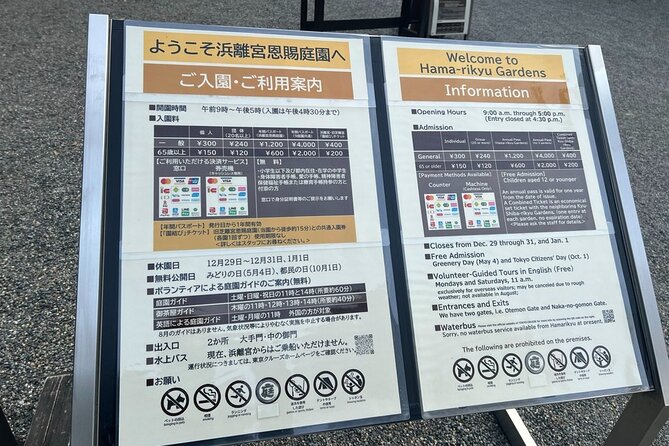
At $85.84 per person, this tour isn’t “cheap,” but it also isn’t purely a garden ticket. You’re paying for a guided experience and for included refreshments.
Here’s what you get that supports the price:
- Guided garden time focused on history and design background
- Admission ticket included for the main garden visit
- Matcha green tea and Japanese sweets included
- A small group size (maximum 4 travelers), which often means a more personal pace
When I judge value, I look at what would cost money and attention on your own. If you were to plan this independently, you’d still spend time getting to Hama-rikyu, figuring out what elements to pay attention to, and then paying for tea and sweets somewhere. The tour bundles the “what to look for” part with a built-in break.
Would I call it a bargain? Not exactly. But for visitors who want an interpretive guide—especially in a garden where you can easily miss the design ideas—the included guidance plus tea makes the cost feel more justified.
Who should book this Hama-rikyu experience?
This tour is a great fit if:
- You want a guided explanation of garden design, not just photos
- You like calm pacing and cultural details over high-speed “see everything” sightseeing
- You’re traveling in a small group or want the feel of one (up to 4)
- You want an included tea break rather than searching for snacks mid-walk
You might skip it if:
- You only want self-guided freedom and don’t care about interpretation
- You hate walking and prefer fully indoor itineraries
- You’re looking for a long, museum-heavy day
The optional add-ons also make this flexible. You can keep it strictly garden-focused or add one short indoor stop and still stay within a manageable timeframe.
Should you book this Hama-rikyu tour with tea and sweets?
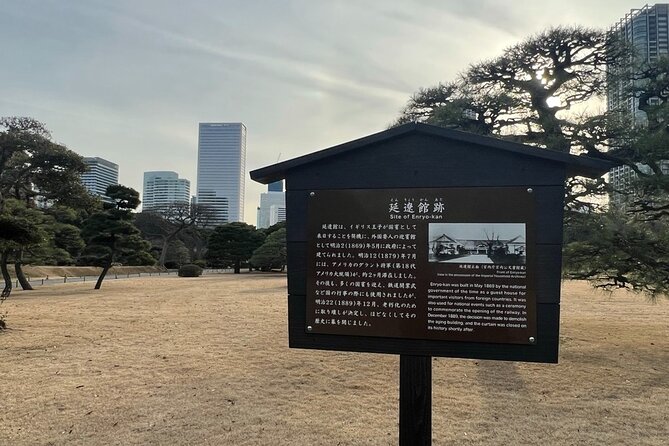
Yes, if you want a thoughtful Tokyo garden visit with less guesswork. The reason is simple: Hama-rikyu isn’t just scenery. The guided design context and the included tea-and-sweets pause are what make it feel like a complete experience, not a random walk through greenery.
I’d especially recommend booking if you’re the type who enjoys learning something you can actually see—like how dry landscape and circular garden styles create different viewing moods. And if you’re traveling with someone who wants a restful pace, the small group size helps a lot.
If your schedule is extremely tight, you could still do Hama-rikyu on your own. But if you’d rather pay for clarity and a built-in snack break, this tour makes it easy to get the most from the day without turning it into logistics.
FAQ
How long is the Hama-rikyu Gardens tour with tea and sweets?
The tour runs about 1 hour 30 minutes to 2 hours 30 minutes.
What’s included in the tour price besides the garden visit?
Matcha green tea and Japanese sweets are included in the tour fee.
Where does the tour start and end?
It starts near Otemon Bridge and ends at Shiodome station.
Are there any optional stops during the experience?
Yes. Advertising Museum Tokyo, Hayao Miyazaki’s Nippon Television Giant Clock, and Hibiya Shrine can be added as optional stops.
How many people are in the group?
This experience has a maximum of 4 travelers.
Is the admission ticket to the garden included?
Yes, the main garden admission ticket is included.
Do I need cash for the tea and sweets?
No. The matcha and Japanese sweets are included in the tour fee.
Can I get a full refund if I cancel?
Yes. You can cancel up to 24 hours in advance for a full refund.